Plizio Visual Lab
Nile Wildlife Nursery
Weather…
Water temperature…
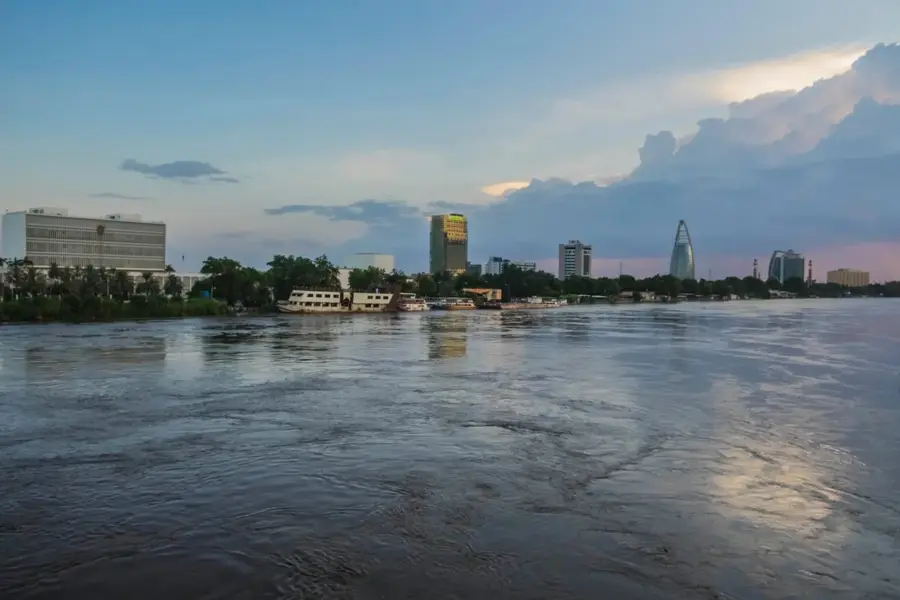
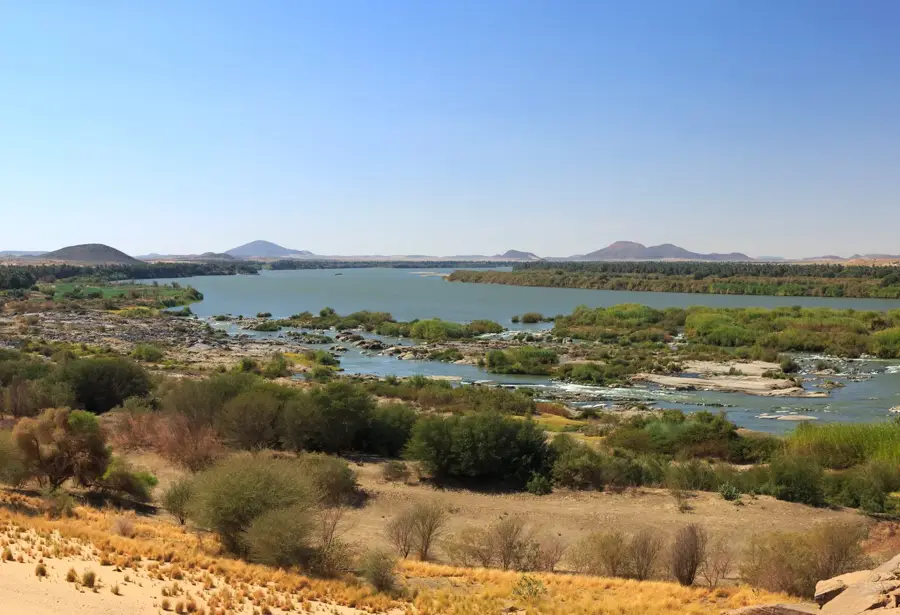
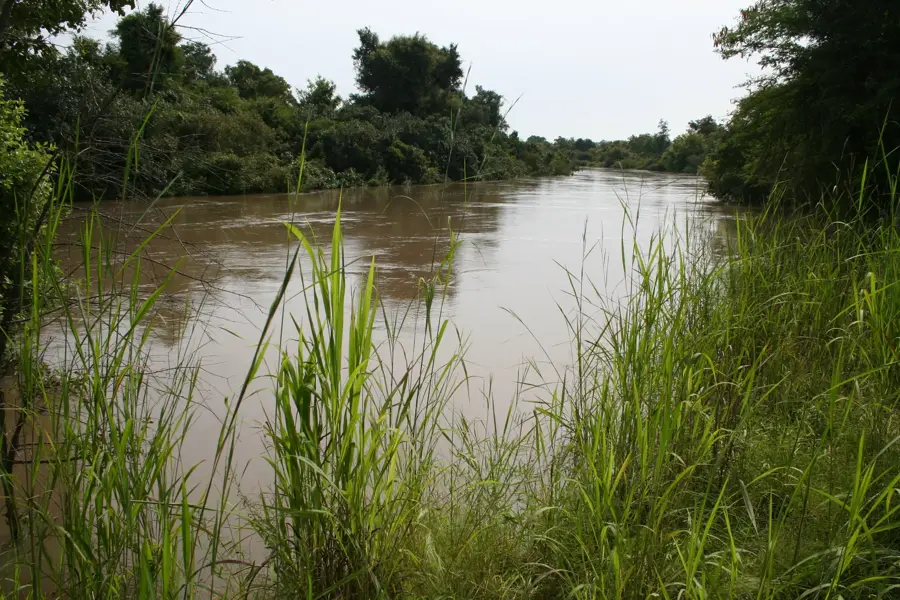
Nile wildlife nurseries and protected areas along the riverbanks in Sudan play a pivotal role in conserving aquatic biodiversity across Northeast Africa. These wetlands serve as critical breeding grounds for numerous fish species, including the Nile perch, and provide refuge for threatened reptiles such as the Nile crocodile and various species of turtles. The dense papyrus thickets and reed beds are also essential stopover points for millions of migratory birds traveling annually between Europe and Southern Africa. Geographically, these 'nurseries' span many small islands and seasonally flooded riparian zones that are exceptionally rich in nutrients. Local conservation initiatives frequently partner with riverine communities to combat overfishing and limit habitat destruction caused by agricultural expansion. These areas are also vital for natural water purification, as the vegetation filters pollutants from the river. Sightings of hippopotamuses and rare waterfowl make these zones attractive for burgeoning ecotourism. Despite their ecological significance, these sanctuaries face pressures from climate change and upstream dam construction projects.
- Location: Sudan
- Top sights: Abu AlTayeb Park Tourism · Tuti Northern Fort
- Nearby: Omdurman (5 km)
Best time to visit & climate
The most pleasant time to visit is Jan, Feb, Dec.
| Jan | Feb | Mar | Apr | May | Jun | Jul | Aug | Sep | Oct | Nov | Dec | |
|---|---|---|---|---|---|---|---|---|---|---|---|---|
| Avg °C | 22 | 25 | 28 | 31 | 34 | 35 | 33 | 31 | 32 | 32 | 27 | 23 |
| Rain mm | 0 | 0 | 0 | 1 | 3 | 5 | 44 | 58 | 20 | 9 | 0 | 0 |
📋 Practical info
Geography
Facts
- Nile crocodiles can reach lengths of up to 6 meters
- Over 300 bird species utilize the Nile as a migration corridor
- Papyrus is a quintessential plant of the riverine landscape
- Wetlands act as natural filters for river pollutants
- Protected zones help prevent the erosion of riverbanks
- The Nile perch is among the world's largest freshwater fish
Explore nearby
Notable places around

Route planner — Car & Motorhome
Where do you start? We build the route here, with stops and country notes along the way.
© OpenStreetMap contributors · OpenRouteService
Sights in the town Nile Wildlife Nursery (2)
Sights nearby
Frequently asked questions
Can you feed animals at Nil Wildtier-Aufzucht?
When is the best time to visit?
Is a reservation needed for a tour?
Is the park suitable for children?
Is photography allowed in the nursery?
Nile Wildlife Nursery: where is it located?
Nile Wildlife Nursery: what is there to see?
Nile Wildlife Nursery: when is the best time to visit?
Nile Wildlife Nursery: why is it worth visiting?

Nearby cities
History & landmarks
Nature
More places