Plizio Visual Lab
Kerma
Weather…
Water temperature…
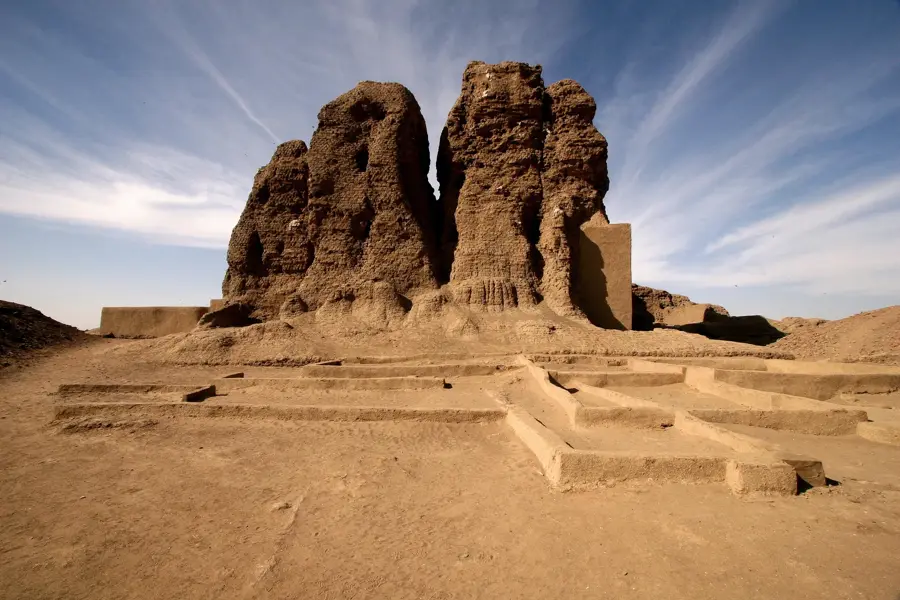
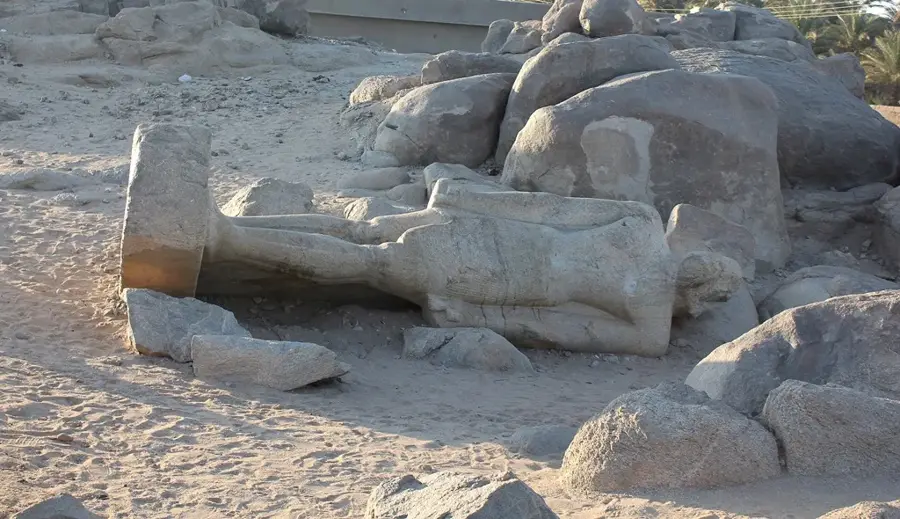
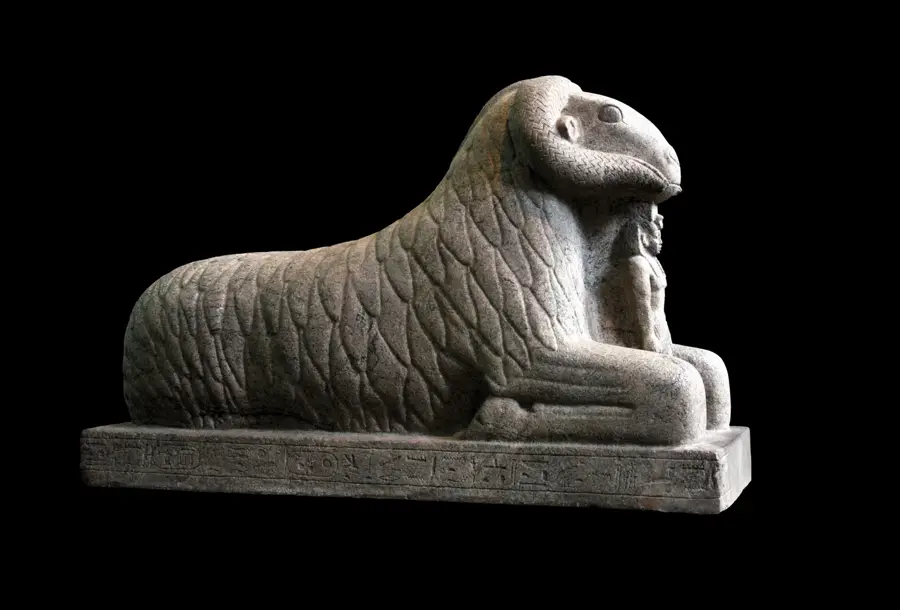
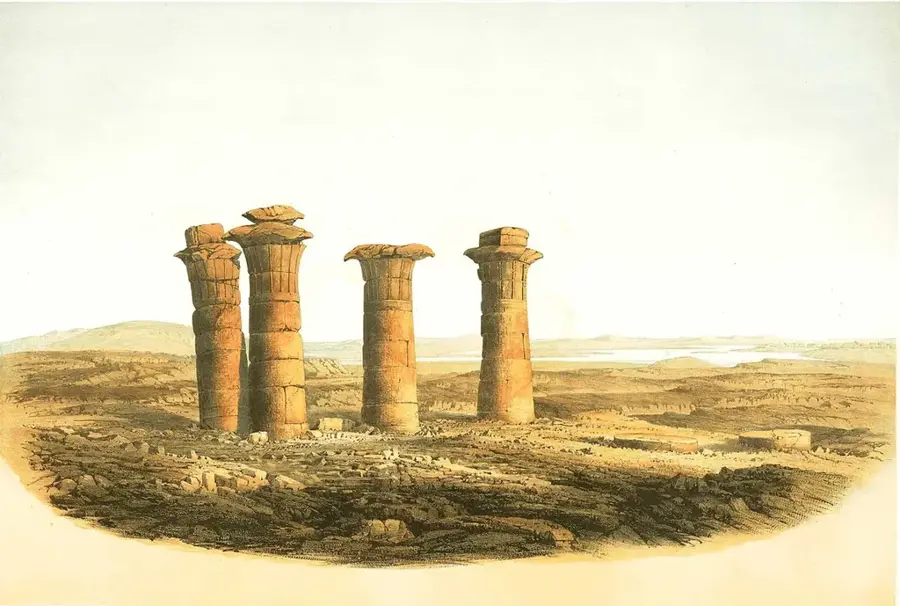
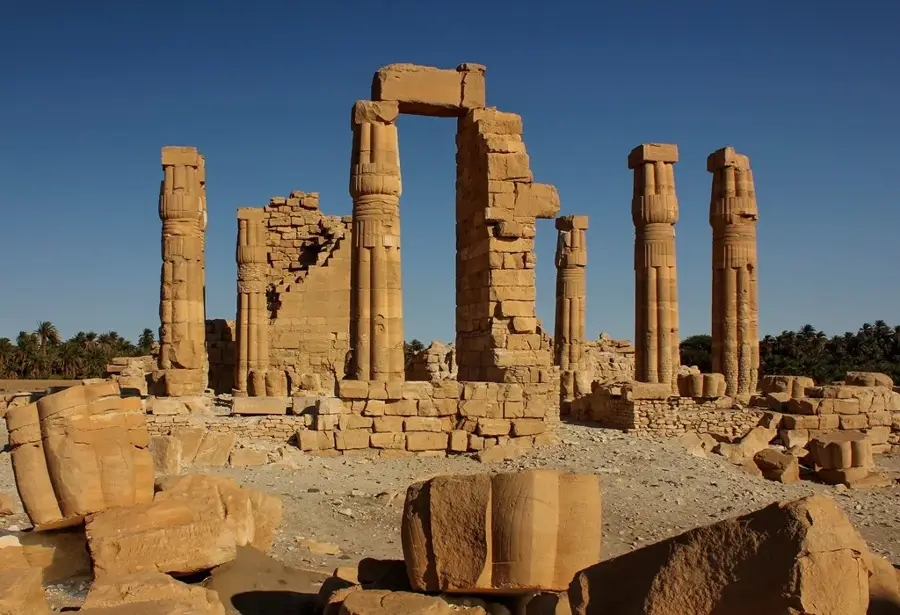
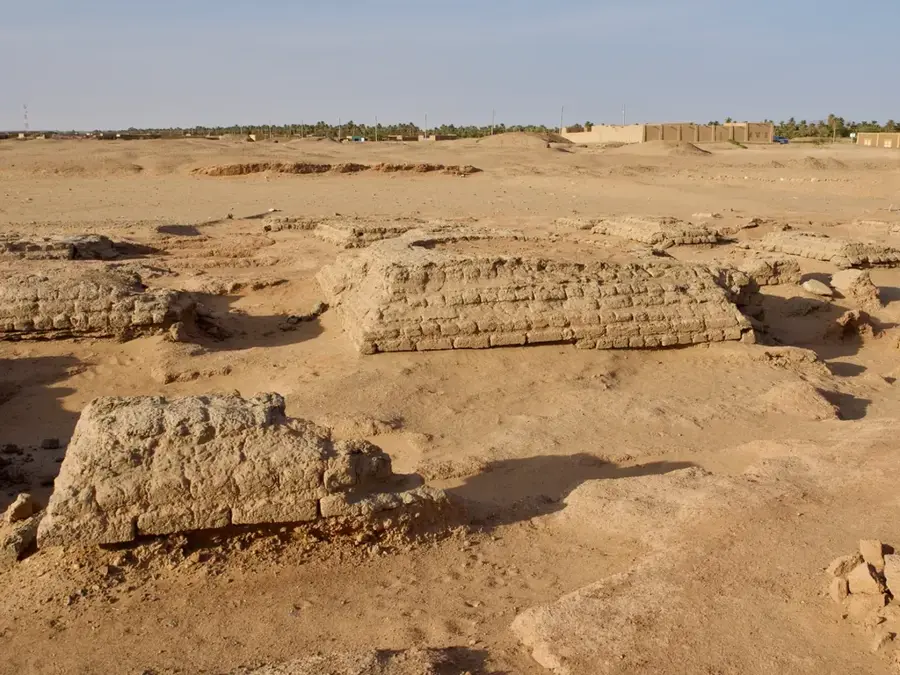
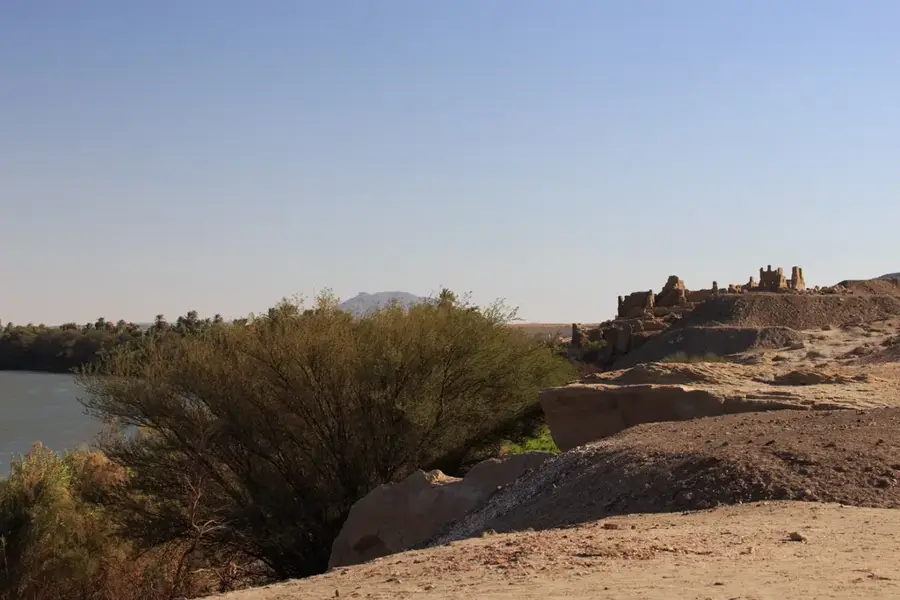
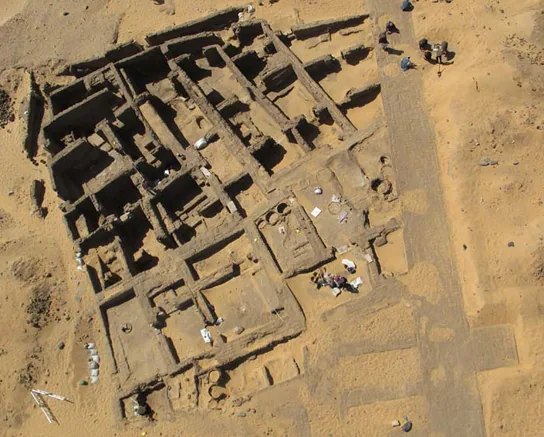
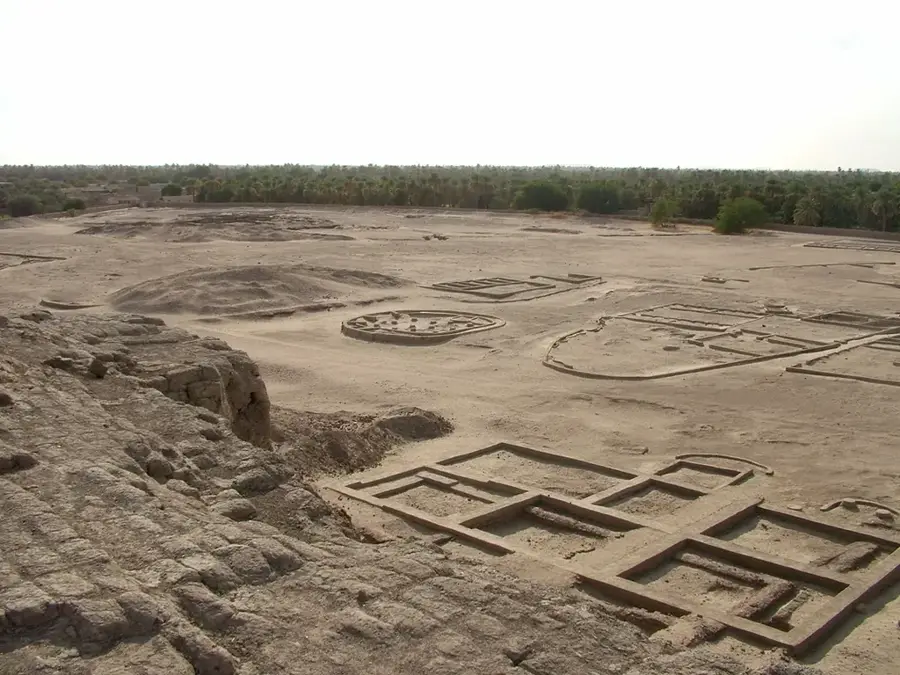
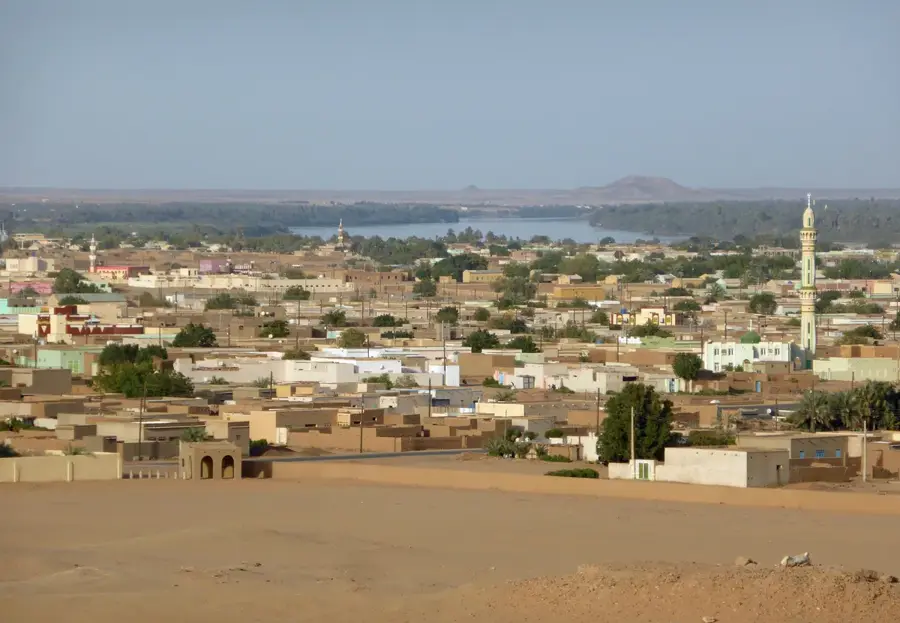
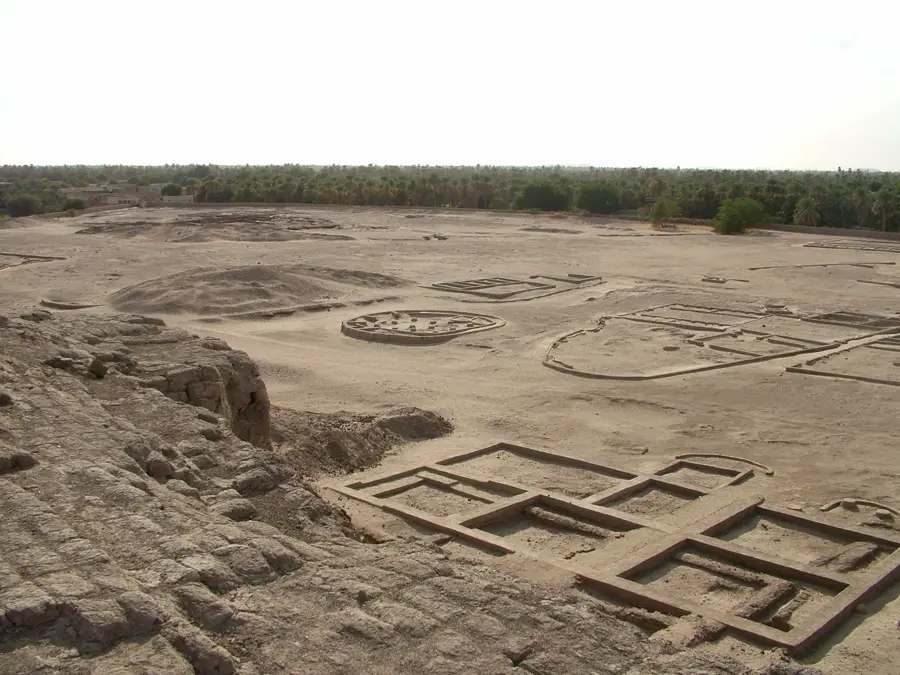
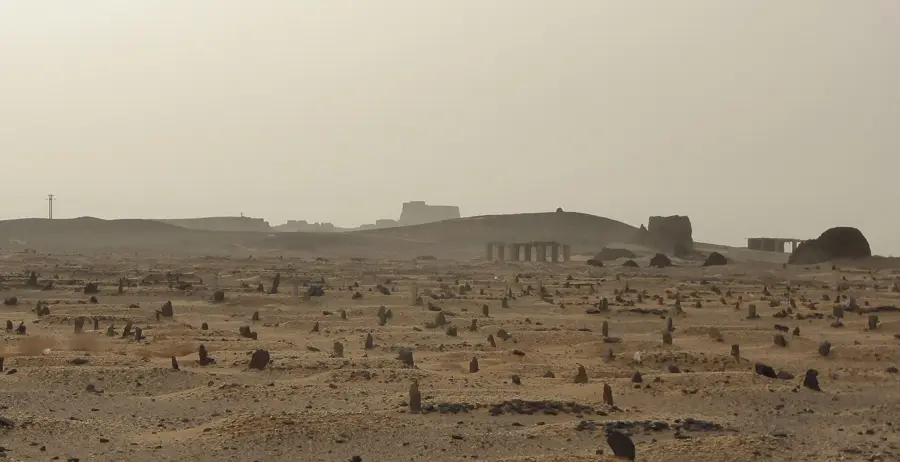
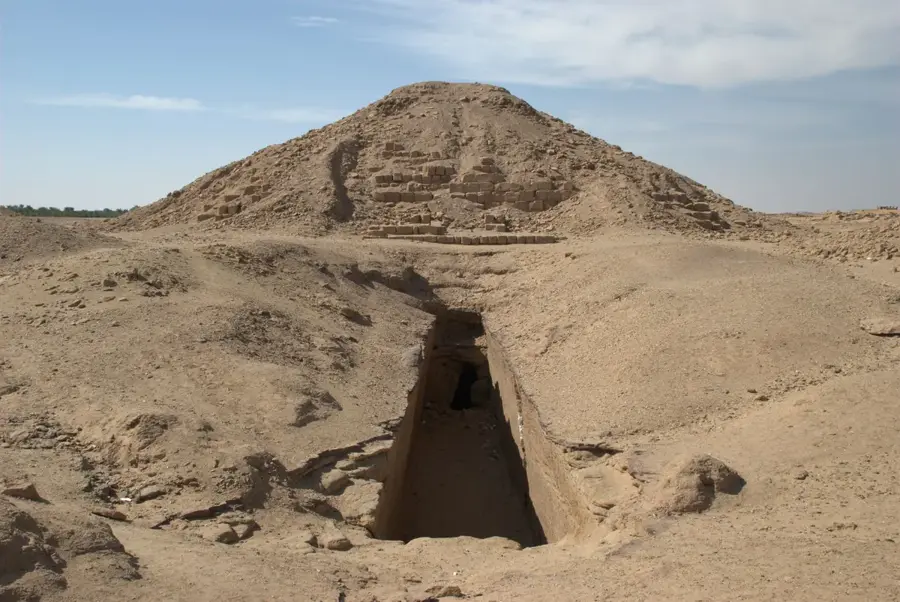
Kerma was the capital of the eponymous culture, representing the first major indigenous African civilization south of Egypt, thriving between 2500 and 1500 BC. The site's most remarkable feature is the Western Deffufa, a massive mud-brick structure standing 18 meters tall, which is believed to have functioned as a central religious temple. The Kerma culture was a formidable rival to ancient Egypt, controlling vast stretches of the Nile Valley during its peak. Archaeological excavations have revealed enormous royal tumuli (burial mounds) where kings were interred with opulent grave goods and sacrificed attendants. The city was a highly developed urban hub featuring specialized workshops for metalworking and pottery. The distinctive 'Kerma-ware' pottery, known for its fine texture and characteristic black-topped finish, is among the most exquisite of the ancient world. Today, the site features a museum that highlights the sophistication and significance of this foundational African state.
- Location: Sudan
- Nearby: Argo (35 km)
Best time to visit & climate
The most pleasant time to visit is Feb, Nov, Dec.
| Jan | Feb | Mar | Apr | May | Jun | Jul | Aug | Sep | Oct | Nov | Dec | |
|---|---|---|---|---|---|---|---|---|---|---|---|---|
| Avg °C | 18 | 21 | 24 | 29 | 33 | 35 | 35 | 36 | 34 | 30 | 24 | 19 |
| Rain mm | 0 | 0 | 0 | 0 | 0 | 0 | 2 | 1 | 0 | 0 | 0 | 0 |
📋 Practical info
Geography
Facts
- Oldest known indigenous city in sub-Saharan Africa.
- The Western Deffufa is one of the largest ancient mud-brick structures in Africa.
- Capital of a powerful kingdom that rivaled Egypt's Middle Kingdom.
- Famous for 'Kerma-ware,' an exceptionally thin and fine type of pottery.
- Features royal burial tumuli measuring up to 90 meters in diameter.
- The city fell to Egyptian conquest around 1500 BC.
Explore nearby
Notable places around

Route planner — Car & Motorhome
Where do you start? We build the route here, with stops and country notes along the way.
© OpenStreetMap contributors · OpenRouteService
Sights in the town Kerma (1)
Sights nearby
Frequently asked questions
What is special about the Deffufa in Kerma?
Is there a museum in Kerma?
Is a guide necessary for Kerma?
Is the site safe to explore?
How much time should be spent here?
Kerma: where is it located?
Kerma: when is the best time to visit?
Kerma: why is it worth visiting?

Nearby cities
History & landmarks
More places