Plizio Visual Lab

Basque Mountains
Plizio editorial teamData Sources
Mountain
—°7
Basque Mountains (Spain)

Weather…

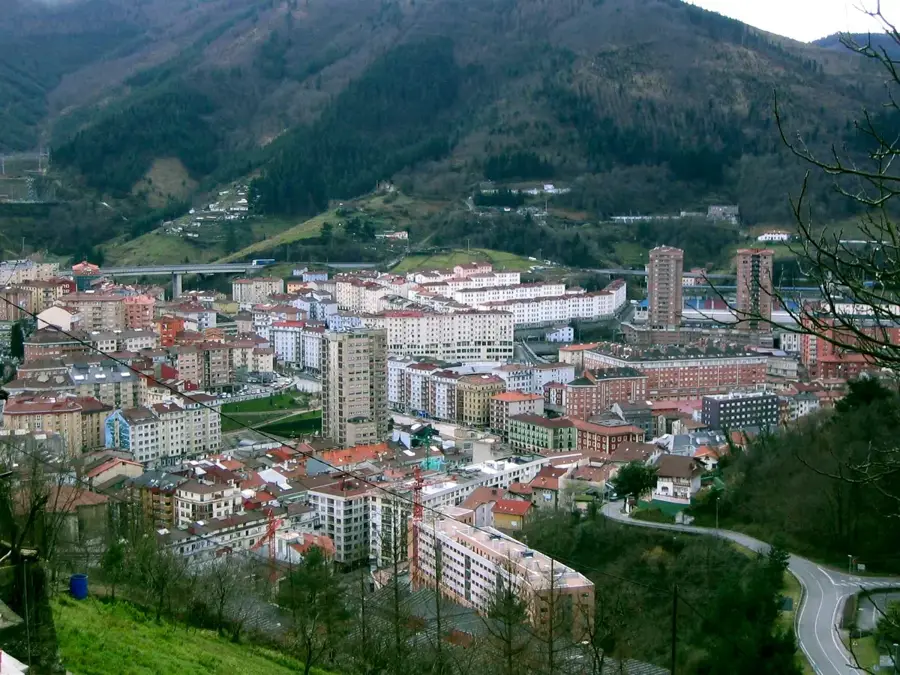
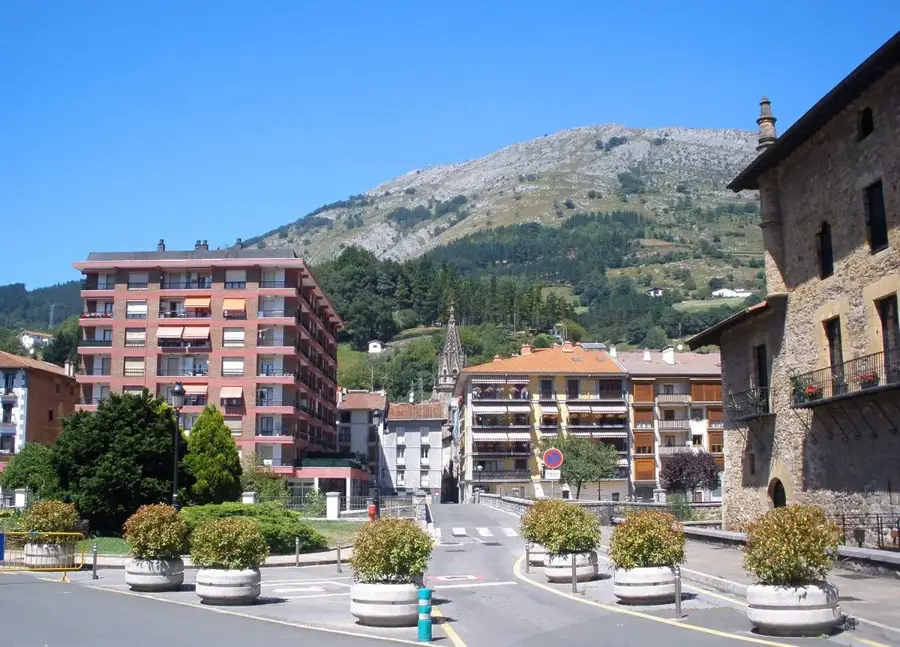
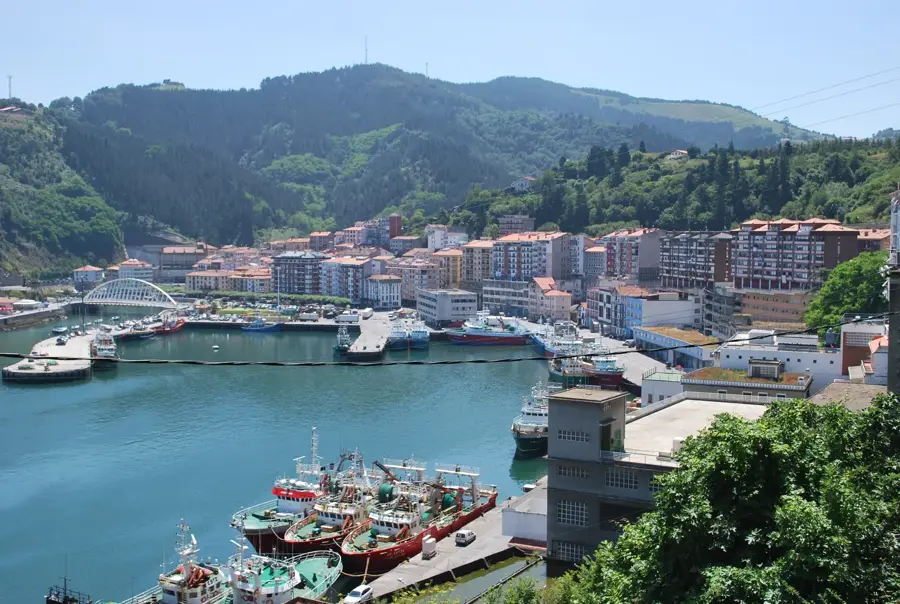
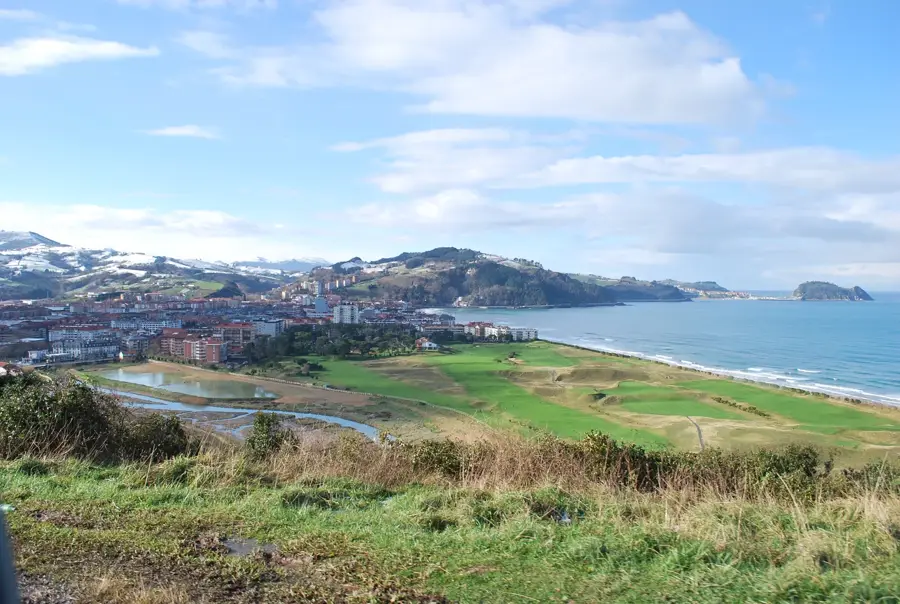
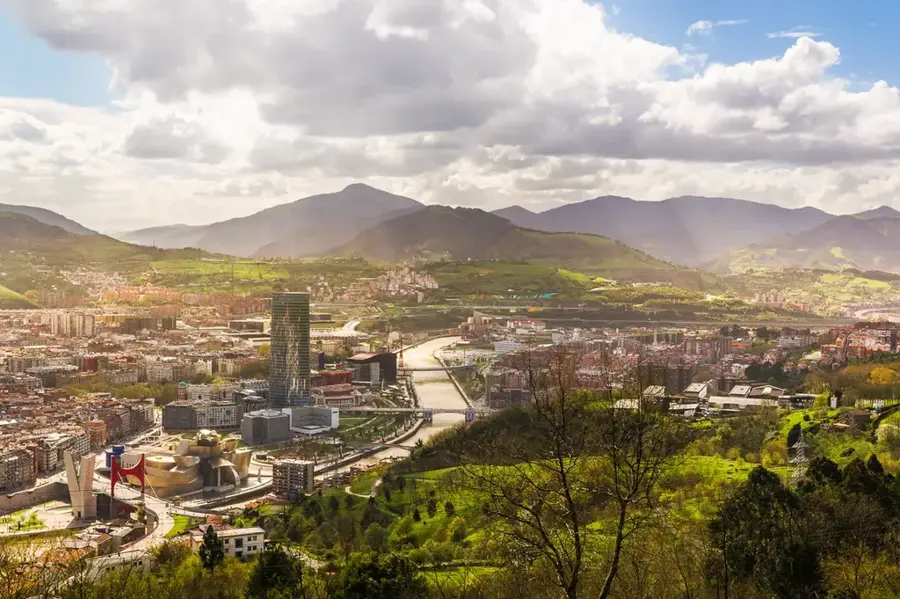
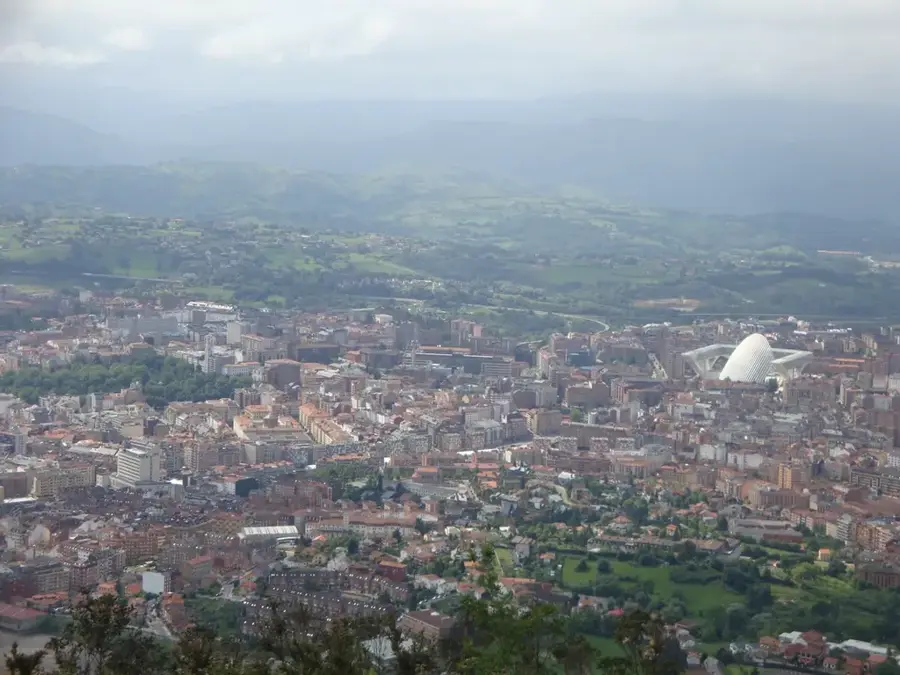
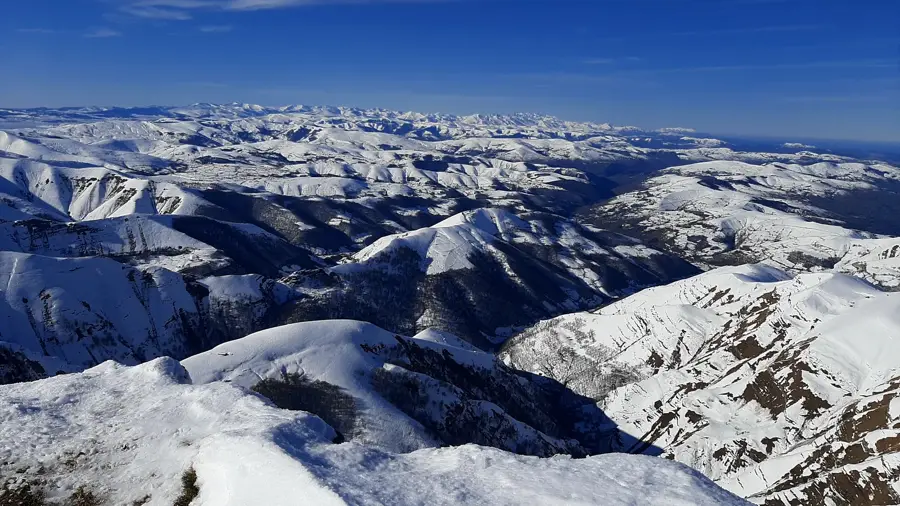
The Basque Mountains, known locally as Montes Vascos, form the lush green and scenically striking geographical transition between the rugged Cantabrian Mountains in the west and the majestic Pyrenees in the east. This mid-elevation mountain range extends predominantly through the Spanish Basque Country, reaching all the way into Navarre. It acts as the crucial hydrological watershed dividing the Atlantic Ocean and the Mediterranean Sea. The mountain landscape is strongly characterized by its rounded peaks, which are very frequently shrouded in dense mist; among them, Aitxuri stands as the highest elevation at 1551 meters. Geologically, the region is dominated by heavily folded limestones dating from the Cretaceous period, resulting in a harsh morphology featuring numerous deep caves, dramatic gorges, and sharp karst ridges. The consistently humid and rainy Atlantic climate ensures extremely lush vegetation, where extensive ancient beech and oak forests alternate with brilliantly green pastures.

Best time to visit & climate

The most pleasant time to visit is Jul–Sep.

JanFebMarAprMayJunJulAugSepOctNovDec
Avg °C5681013171919171496
Rain mm10688847773614242568212597

📋 Practical info

🧭
Getting there
Access to this northern mountain range is primarily via well-maintained regional roads linking the coastal provinces to the Pyrenees. Trails usually begin near the animated local Basque towns positioned deep within the verdant valleys.
📅
Best season
The most reliable season for hiking spans from late spring through early autumn, as winter frequently brings heavy snowfall. The transitional periods often shroud the peaks in a beautiful but dense, persistent mist.
⛰️
Terrain & paths
The terrain features dramatic limestone peaks, steep forested slopes, and deep, lush valleys typical of northern Spain. The paths range from leisurely pastoral walks to intensely strenuous rocky ascents suitable for advanced hikers.
🎒
What to bring
Highly waterproof hiking boots and high-quality rain gear are absolutely vital due to the consistently moist and unpredictable northern climate. Telescopic trekking poles are strongly advised to navigate the steep and slippery descents.
🅿️
Parking
Parking is typically organized at designated points near nature reserves or safely off the winding mountain roads. Space can occasionally be very tight during peak summer weekends, so planning a morning arrival is highly recommended.
⚠️
Safety
Hikers must remain extremely vigilant regarding sudden, thick fog that can severely disorient even experienced individuals. Always stay strictly on the marked paths and avoid venturing near the steep, unprotected limestone drop-offs.
⏱️
Time needed
A typical excursion can easily range from a pleasant three-hour scenic loop to an exhausting full-day climb conquering the higher transitions. Carefully tailor your chosen route to match both current weather and personal fitness.

Geography

Coordinates
43.10000, -2.40000

Explore nearby

Notable places around
Route planner — Car & Motorhome

Where do you start? We build the route here, with stops and country notes along the way.

Vehicle
Only stops with (optional):

© OpenStreetMap contributors · OpenRouteService

Sights in the town Basque Mountains (7)

Laboratorium Museoa🏛 museum

A science and history museum housed in the Errekalde Palace in Bergara.

💶

Gabiria dorrea🏰 castle

A historic tower house located in the town of Bergara in the Basque Country.

Ozaeta jauregia🏰 castle

A palace and historic residence located in Bergara, Basque Country.

Errotalde Jauregia🏰 castle

A historic palace located in the Basque Mountains region.

Torresoroa🎭 culture

Cultural site featuring a medieval tower in the Basque mountains.

Trekutz tumulua🏺 historical

An ancient burial mound located in the Basque Mountains.

Ur parkea🎡 recreation

A water park and recreational facility in the Basque Mountains area.

🕒 Jun-Sep: Mo-Su,PH 09:00-20:00

Sights nearby

Frequently asked questions

What do the Basque Mountains connect?
They are the link between the Pyrenees and the Cantabrian Mountains.
What is their highest peak?
Aitxuri in the Aizkorri massif, reaching 1,551 meters.
Is the landscape very green?
Yes, due to the oceanic climate, the vegetation is very lush.
What culture can be found there?
A strong shepherding tradition and the unique Basque language.
Which cheese comes from this region?
The famous Idiazabal cheese is produced in these mountains.
Basque Mountains: where is it located?
Basque Mountains is located in Galicia, Spain.
Basque Mountains: what is there to see?
Highlights include Laboratorium Museoa, Gabiria dorrea, Ozaeta jauregia.
Basque Mountains: when is the best time to visit?
The most pleasant time to visit is Jul, Sep.
Basque Mountains: why is it worth visiting?

The Basque Mountains, known locally as Montes Vascos, form the lush green and scenically striking geographical transition between the rugged Cantabrian Mountains in the west and the majestic Pyrenees in the east.
View on map → The Top 50 Attractions → Most beautiful beaches → OpenStreetMap →
Europe
Explore with Plizio Discover more places in Europe
More places in Spain →

Nearby cities