Plizio Visual Lab

Teide National Park
Plizio editorial teamData Sources
park
—°7
Teide National Park (Spain)

Weather…

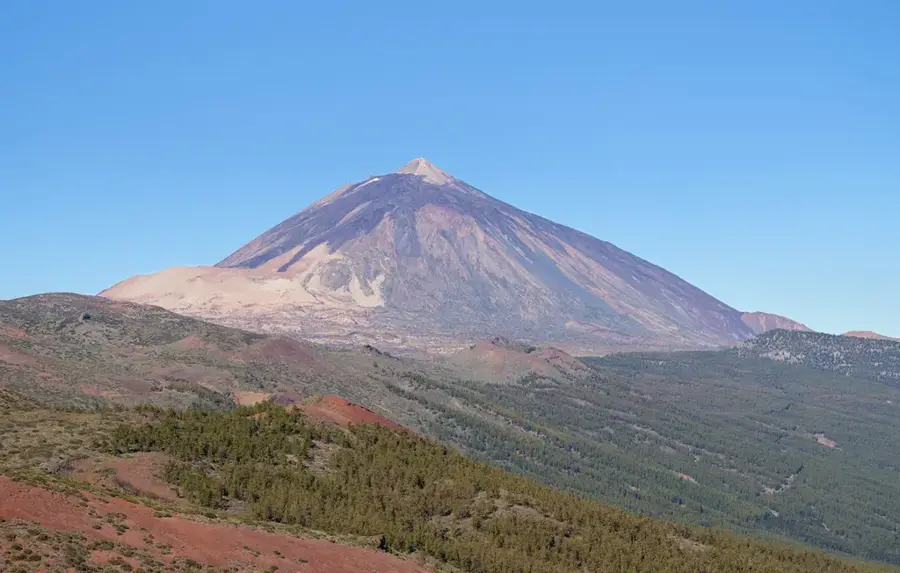
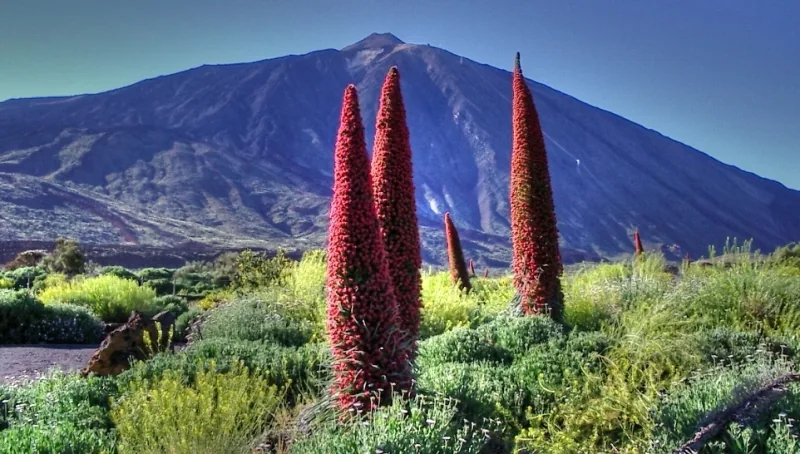
Teide National Park, located on the Canary Island of Tenerife, is a surreal volcanic landscape dominated by the mighty peak of Pico del Teide. Standing at 3,715 meters, it is not only the highest mountain in Spain but also the third highest island volcano on Earth when measured from the ocean floor. The massive Caldera de las Cañadas presents an almost otherworldly environment of solidified lava flows, bizarre rock formations like the Roques de García, and vast expanses of volcanic ash. Despite the extreme climatic conditions and high altitude, a highly specialized flora thrives here, such as the lively red Teide bugloss (Tajinaste) and the rare Teide violet. The night sky over the park is among the clearest in the world, making it the site of a major astrophysical observatory for stargazing.

Best time to visit & climate

The most pleasant time to visit is Jun–Aug.

JanFebMarAprMayJunJulAugSepOctNovDec
Avg °C171717181921222323222019
Rain mm25322215733510253539

📋 Practical info

🧭
Getting there
The national park is easily accessible via scenic mountain roads from various coastal towns on Tenerife, with regular bus services also available.
📅
Best season
Spring and autumn usually offer the most pleasant weather for hiking, as summers can be intensely hot and winters may bring snow and strong winds.
⛰️
Terrain & paths
Expect a surreal volcanic landscape with uneven lava fields and steep trails. The ground is rocky and loose in many areas, requiring careful footing.
🎒
What to bring
Sturdy hiking boots with excellent grip are essential. Always bring abundant sun protection, plenty of drinking water, and layers for temperature changes.
🅿️
Parking
Several official parking areas are distributed along the main road through the park, though they often fill up quickly during peak tourist hours.
⚠️
Safety
High altitude can cause shortness of breath or dizziness. Stick strictly to marked trails to avoid damaging the fragile environment and volcanic crust.
⏱️
Time needed
A typical visit lasts about half a day for viewpoints and short walks, but a full day is recommended if attempting longer hikes or the summit.

Geography

Coordinates
28.27230, -16.64250

Explore nearby

Notable places around
Route planner — Car & Motorhome

Where do you start? We build the route here, with stops and country notes along the way.

Vehicle
Only stops with (optional):

© OpenStreetMap contributors · OpenRouteService

Sights in the town Teide National Park (7)

Riscos de la Fortaleza🌿 nature

A prominent mountain peak forming a significant part of the sheer ancient caldera wall in the Teide landscape.

Comunidad las Nieves🏺 historical

The atmospheric ruins of a former rural settlement set amidst the harsh, high-altitude volcanic terrain.

Risco de las Palomas🌿 nature

A rugged viewpoint offering sweeping panoramas over the deep volcanic ravines of the Teide region.

Fresh lava field📍 landmark

An expansive geological attraction showcasing the jagged, relatively recent basaltic lava flows from Teide's eruptions.

Echicere🌿 nature

A distinct volcanic peak that contributes to the dramatic, arid high-altitude skyline of the Teide region.

Tajinaste Rojo📍 landmark

A botanical attraction highlighting the striking red Tajinaste, an endemic plant that grows up to three meters tall in the volcanic soil.

Cuevas Negras🏺 historical

An archaeological site featuring a complex of dark volcanic caves historically utilized by the indigenous Guanche people.

Sights nearby

Frequently asked questions

Is Teide an active volcano?
Yes, it is considered a dormant but potentially active volcano on the island of Tenerife.
Do I need a permit for the summit?
Yes, a free online permit is mandatory for the final stretch to reach the summit.
Is there a cable car to Teide?
Yes, it takes visitors from 2,356 meters to the upper station at 3,555 meters.
What is the weather like at the summit?
Often windy and much colder than at the coast; warm clothing is necessary even in summer.
Can you go stargazing in the park?
Yes, it is considered one of the world's best places for stargazing due to low light pollution.
Teide National Park: where is it located?
Teide National Park is located in Galicia, Spain.
Teide National Park: what is there to see?
Highlights include Riscos de la Fortaleza, Comunidad las Nieves, Risco de las Palomas.
Teide National Park: when is the best time to visit?
The most pleasant time to visit is Jun, Aug.
Teide National Park: why is it worth visiting?

Teide National Park, located on the Canary Island of Tenerife, is a surreal volcanic landscape dominated by the mighty peak of Pico del Teide.
View on map → The Top 50 Attractions → Most beautiful beaches → OpenStreetMap →
Europe
Explore with Plizio Discover more places in Europe
More places in Spain →

Nearby cities

History & landmarks