Plizio Visual Lab

Sierra de Albarracín
Plizio editorial teamData Sources
Mountain
—°5
Sierra de Albarracín (Spain)

Weather…

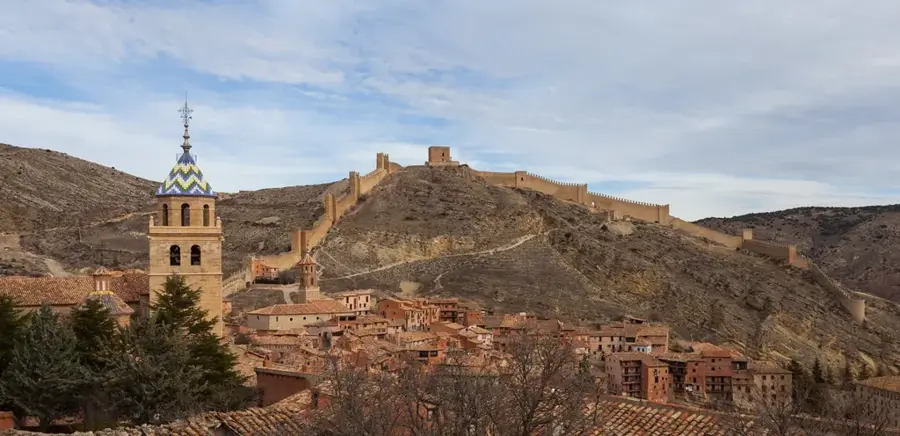
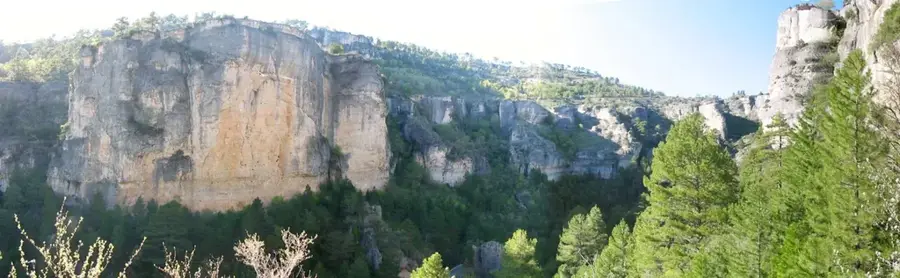
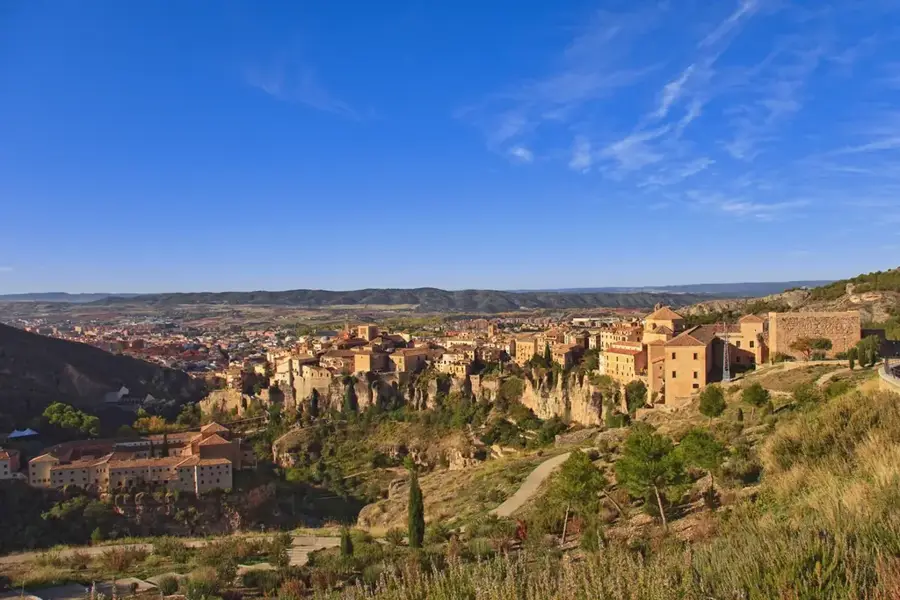
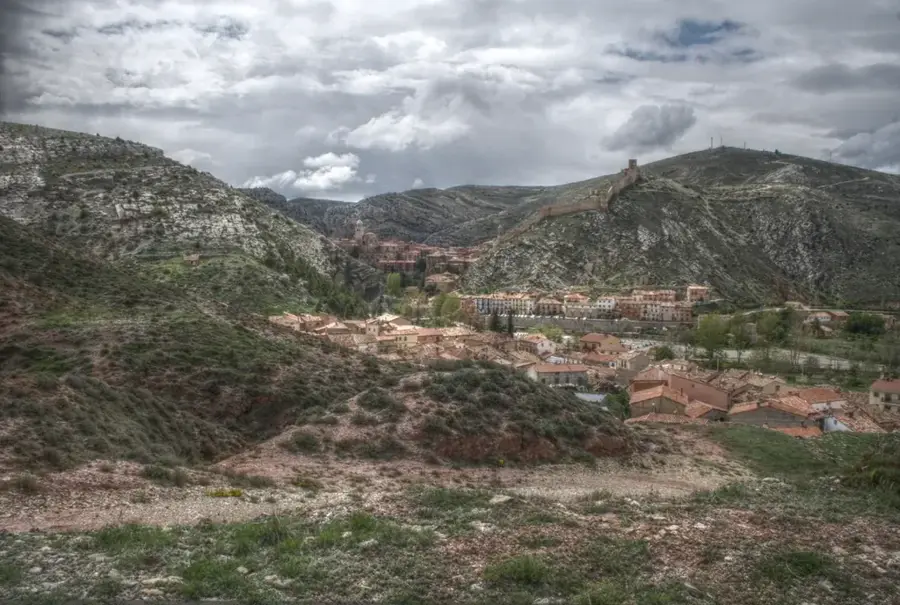
The Sierra de Albarracín is a harsh yet thoroughly fascinating highland massif that forms the southwestern extension of the great Iberian System. It is located in the autonomous community of Aragon, specifically within the highly depopulated province of Teruel. With an average elevation that dramatically varies between 1200 and 1900 meters above sea level, this extensive mountain range is widely considered one of the coldest and most climatically demanding inhabited zones in all of Spain. The landscape is predominantly characterized by dense, seemingly endless forests of Scots pines and imposing reddish sandstone formations. The region holds enormous hydrological significance as a major water tower, since important Spanish rivers such as the mighty Tagus, as well as the Guadalaviar and Cabriel, originate here in its humid bogs and deep valleys. In addition to its natural beauty, the Sierra de Albarracín is world-famous for its valuable prehistoric findings and ancient cave paintings.

Best time to visit & climate

The most pleasant time to visit is Jun–Aug.

JanFebMarAprMayJunJulAugSepOctNovDec
Avg °C226913182121161153
Rain mm232237474433162334423821

📋 Practical info

🧭
Getting there
Access to this part of the southwestern Iberian System is usually managed via regional highways, leading explorers to designated starting points in the adjacent valleys. Many travelers appreciate the well-maintained approach routes that connect the tranquil local villages directly to the primary trailheads.
📅
Best season
For the optimal outdoor experience, travelers generally prefer the transitional seasons when the local climate in Aragon region remains relatively temperate. During these periods, the natural lighting also creates excellent photographic opportunities across the expansive valleys and elevated ridges.
⛰️
Terrain & paths
Expect a mix of rugged paths and uneven ground, heavily influenced by the dense pine forests and rugged grounds, requiring a good level of physical fitness. Sturdy footwear with excellent grip is considered absolutely essential to safely negotiate the frequent loose rocks and uneven ascents.
🎒
What to bring
It is highly recommended to bring sturdy hiking boots, sufficient hydration, and layered clothing to adapt to the changing mountain weather. Additionally, carrying a fully charged mobile phone and a basic first aid kit is strongly advised by local mountain rescue organizations.
🅿️
Parking
Official parking zones are usually located at the lower elevations, from where most recognized walking routes into the massif naturally begin. Arriving early in the morning is highly recommended during peak periods to secure a convenient space close to the main information boards.
⚠️
Safety
Travelers must remain cautious of sudden weather shifts and always stay on the marked routes to avoid disorientation in the expansive landscape. It is always wise to thoroughly check the local meteorological forecast before setting out, as highland conditions can deteriorate rapidly.
⏱️
Time needed
Depending on the chosen path, visitors usually spend between four and eight hours traversing the most significant highlights of the region. For those planning to conquer the more remote sections, allocating an early start and plenty of extra time for rest stops is highly advisable.

Geography

Coordinates
40.40000, -1.60000

Explore nearby

Notable places around
Route planner — Car & Motorhome

Where do you start? We build the route here, with stops and country notes along the way.

Vehicle
Only stops with (optional):

© OpenStreetMap contributors · OpenRouteService

Sights in the town Sierra de Albarracín (5)

Camino a cañón de los Arcos📍 landmark

A hiking trail in the Sierra de Albarracín leading through a scenic rock formation.

Molino de Enmedio📍 landmark

A historical mill in the Sierra de Albarracín, bearing witness to traditional water usage.

Mirador del Batán🌿 nature

A viewpoint in the Sierra de Albarracín with wide views over the mountainous landscape.

El Huquillo📍 landmark

A prominent natural site in the Sierra de Albarracín, known for its characteristic surroundings.

Mirador natural de Tramacastilla🌿 nature

A natural viewpoint near Tramacastilla providing wide views over the valley.

Sights nearby

Frequently asked questions

What is special about Albarracín?
The town is considered one of the most beautiful villages in Spain.
Are there rock paintings there?
Yes, there are significant Levantine rock paintings in nearby caves.
What is the climate like in summer?
The nights are pleasantly cool even during the summer.
Are there many pines there?
Yes, the region is known for its dense Scots pine forests.
Which river flows through Albarracín?
The Guadalaviar river surrounds the town in a spectacular loop.
Sierra de Albarracín: where is it located?
Sierra de Albarracín is located in Galicia, Spain.
Sierra de Albarracín: what is there to see?
Highlights include Camino a cañón de los Arcos, Molino de Enmedio, Mirador del Batán.
Sierra de Albarracín: when is the best time to visit?
The most pleasant time to visit is Jun, Aug.
Sierra de Albarracín: why is it worth visiting?

The Sierra de Albarracín is a harsh yet thoroughly fascinating highland massif that forms the southwestern extension of the great Iberian System.
View on map → The Top 50 Attractions → Most beautiful beaches → OpenStreetMap →
Europe
Explore with Plizio Discover more places in Europe
More places in Spain →

Nearby cities

History & landmarks