Plizio Visual Lab
Jiloca Valley
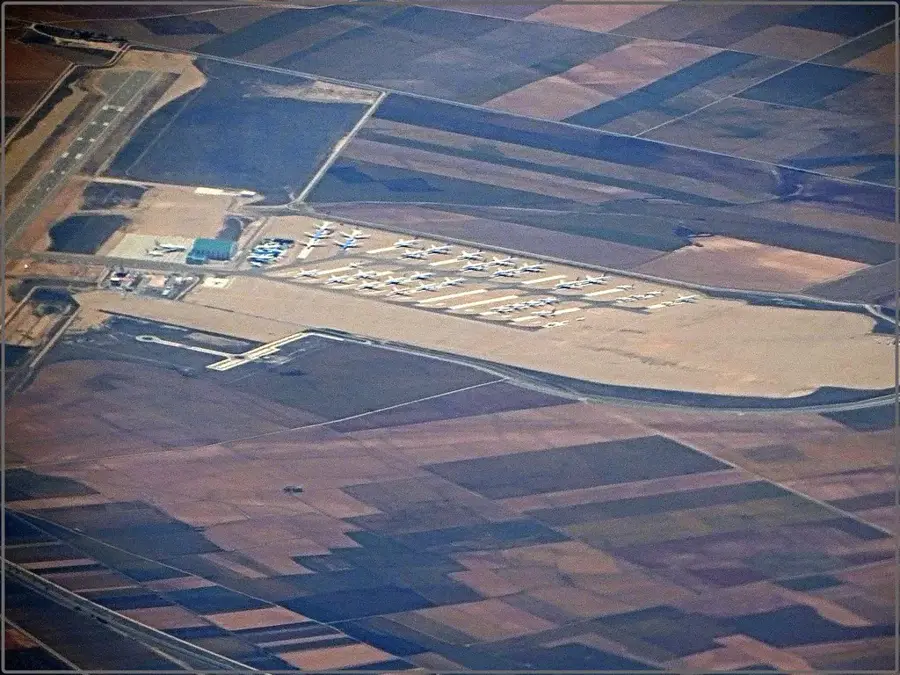
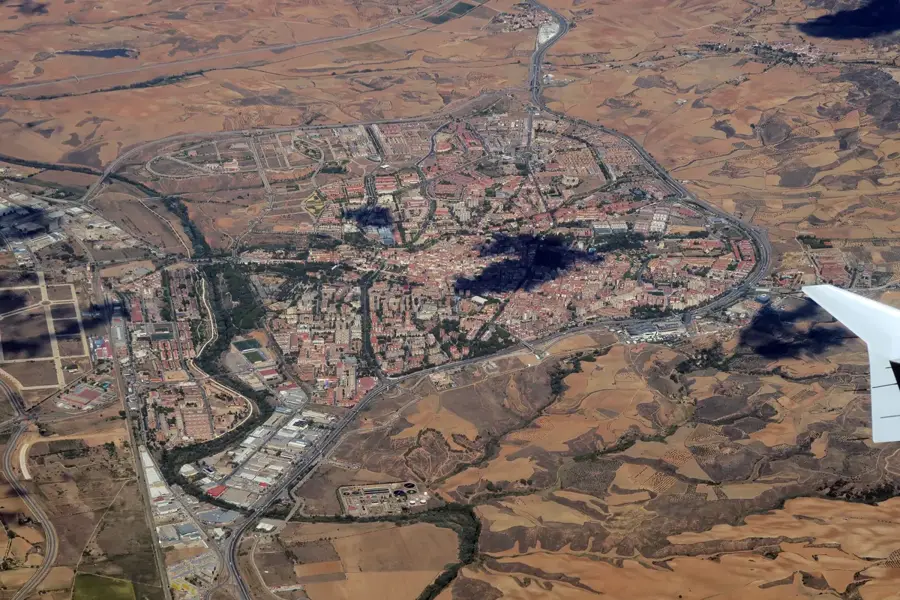
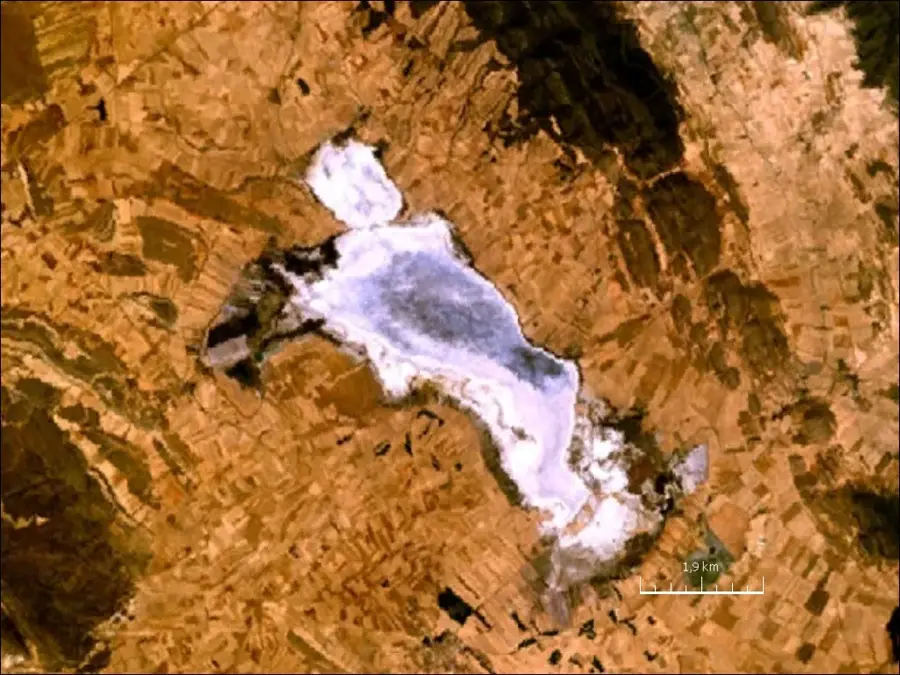
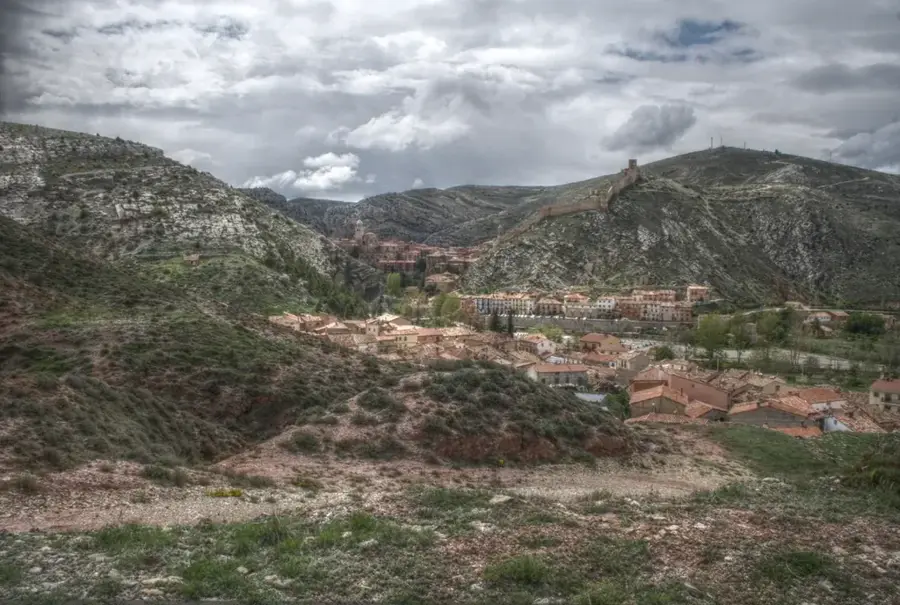
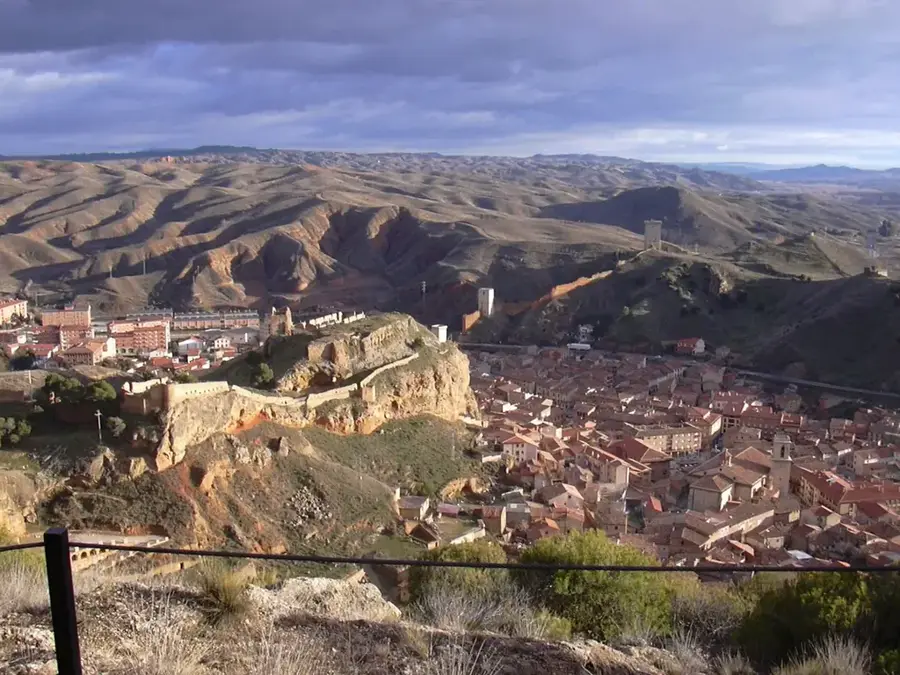
The Jiloca Valley in the Aragonese province of Teruel serves as a crucial ecological and agricultural corridor within the dry central plateau of Spain. Watered by the Jiloca River, the valley operates as a vital green oasis that has held strategic importance for centuries. One of the most remarkable natural features closely associated with the valley is the Gallocanta Lagoon, the largest natural saltwater lake in Spain. This internationally recognized wetland provides an indispensable rest stop for tens of thousands of common cranes during their grueling annual migration between breeding grounds in Northern Europe and wintering habitats in Southern Spain or Africa. Beyond its immense ecological value, the Jiloca Valley is deeply celebrated for its traditional agricultural practices. Towns like Monreal del Campo are nationally famous for producing extremely high-quality saffron, often referred to as 'red gold', a delicate crop that has been carefully cultivated here using traditional methods since the Middle Ages.
- Location: Galicia, Spain
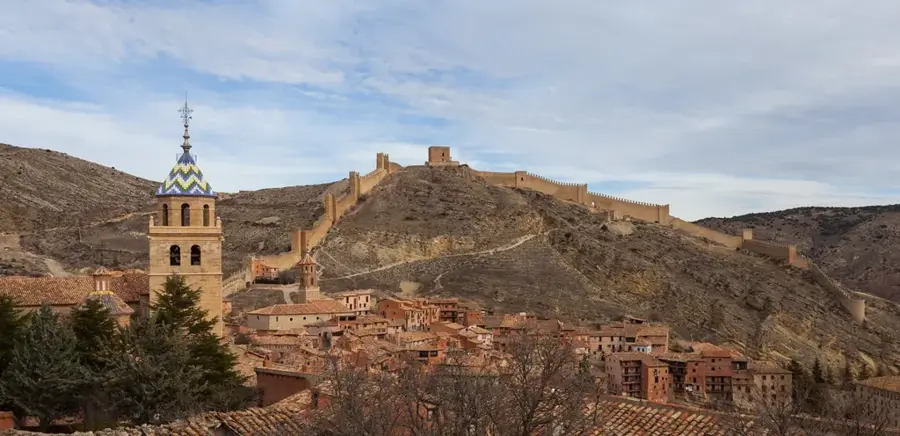
- Nearby: Albarracín (37 km)
Best time to visit & climate
The most pleasant time to visit is Jun–Aug.
| Jan | Feb | Mar | Apr | May | Jun | Jul | Aug | Sep | Oct | Nov | Dec | |
|---|---|---|---|---|---|---|---|---|---|---|---|---|
| Avg °C | 2 | 2 | 6 | 9 | 13 | 18 | 21 | 21 | 16 | 11 | 5 | 3 |
| Rain mm | 23 | 22 | 37 | 47 | 44 | 33 | 16 | 23 | 34 | 42 | 38 | 21 |
📋 Practical info
Geography
Facts
- The valley is formed by the Jiloca River flowing through arid Aragon
- The adjacent Gallocanta Lagoon is the largest natural saltwater lake in Spain
- Provides a critical rest stop for up to 60,000 migrating cranes annually
- The region is renowned across Spain for its premium saffron cultivation
- Saffron farming in the valley dates back to the period of Moorish rule
- The town of Monreal del Campo features a museum entirely dedicated to saffron
- The valley contains significant archaeological ruins of Celtiberian and Roman settlements
Explore nearby
Notable places around

Route planner — Car & Motorhome
Where do you start? We build the route here, with stops and country notes along the way.
© OpenStreetMap contributors · OpenRouteService
Sights in the town Jiloca Valley (1)
Sights nearby
Frequently asked questions
Why is the valley known to nature lovers?
Which product is typical for this region?
When do the cranes migrate through?
Which is the most important town in the valley?
Are there cycle paths there?
Jiloca Valley: where is it located?
Jiloca Valley: when is the best time to visit?
Jiloca Valley: why is it worth visiting?

Nearby cities