Plizio Visual Lab

Gallocanta Lake
Plizio editorial teamData Sources
Lake
—°5
Gallocanta Lake (Spain)

Weather…

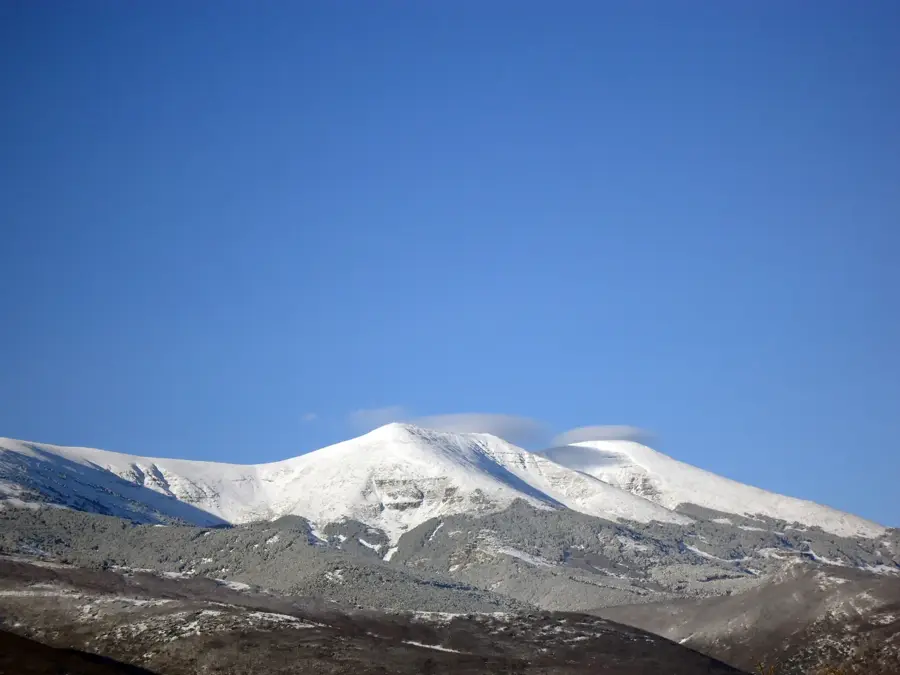
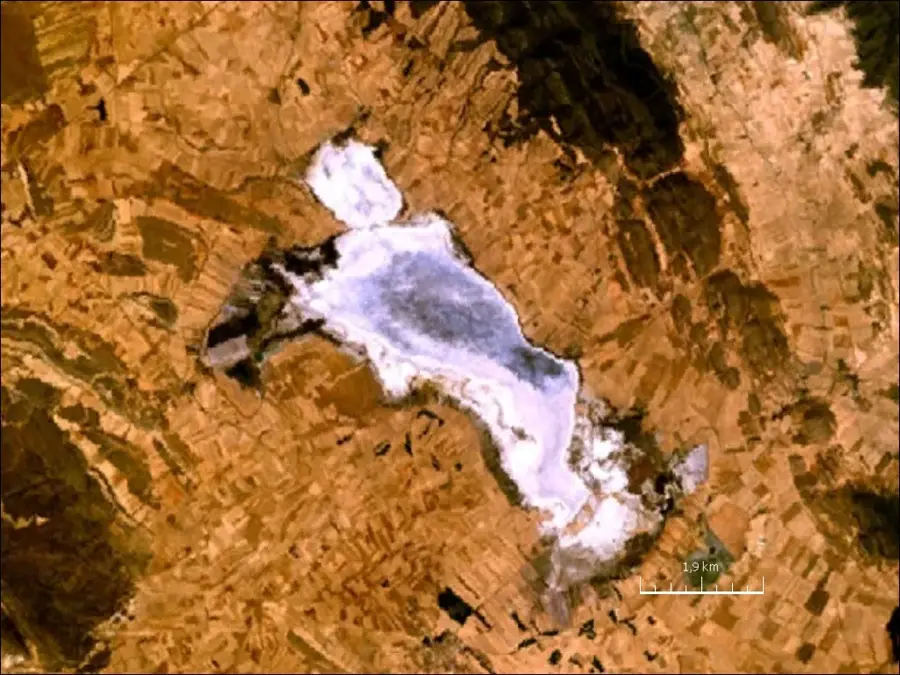
Lake Gallocanta, located in the Iberian highlands of the Aragon region, is a natural phenomenon of continental significance. It is a massive closed drainage basin (endorheic basin) situated at an altitude of nearly 1,000 meters, forming Spain's largest natural salt lake. Depending on the season and rainfall, the water surface area varies extremely, during hot, dry summers, the lake can dry out almost completely, leaving behind a glistening white salt crust. The true magic of Gallocanta, however, unfolds in late autumn and early spring. During these times, the lake becomes the most crucial stopover point for the European crane migration. At peak times, up to 60,000 majestic common cranes gather here on their long journey between Northern Europe and their wintering grounds in southern Spain and North Africa. The trumpeting call of tens of thousands of birds as they take flight from the lake in giant V-formations against the reddish glow of dusk is one of the most spectacular natural events in all of Southern Europe.

Best time to visit & climate

The most pleasant time to visit is Jun–Aug.

JanFebMarAprMayJunJulAugSepOctNovDec
Avg °C3471014202222171374
Rain mm232034454335182029393719

📋 Practical info

🧭
Getting there
Generally accessed by car from the A-23 highway, conveniently located between Zaragoza and Teruel. A ring road usually surrounds the lake, connecting various viewpoints.
📅
Best season
Late autumn and late winter are typically the absolute peak times to witness the spectacular crane migrations. Summers can be dry, occasionally leaving the lakebed entirely empty.
⛰️
Terrain & paths
The specific area surrounding the lake is a flat, high-altitude steppe. Trails leading directly to observation blinds are typically easy, unpaved paths suitable for most visitors.
🎒
What to bring
A spotting scope or high-quality binoculars are absolutely crucial for proper birdwatching. Warm, fully windproof clothing is strictly essential during the chilly migration seasons.
🅿️
Parking
Dedicated parking areas are usually readily available near the main visitor center and at officially designated observation points spread uniformly around the lake's perimeter.
⚠️
Safety
Stick firmly to the marked trails and observation hides to avoid aggressively disturbing the resting birds. Be well-prepared for strong, chilling winds during the peak winter months.
⏱️
Time needed
Dedicated birdwatchers might easily spend a full day or two, especially around dawn and dusk. Casual visitors typically spend approximately 2 to 4 hours touring the main viewpoints.

Geography

Coordinates
40.97120, -1.50410

Facts

  • Spanning 14 square kilometers, it is Spain's largest endorheic lake.
  • It is situated at an exceptional altitude of 990 meters above sea level.
  • Up to 60,000 common cranes gather here simultaneously during migration.
  • The lake has no natural outflow to the sea.
  • In 1994, the lagoon was officially declared a Ramsar wetland site.
  • The water's salinity in summer can be higher than that of seawater.

Explore nearby

Notable places around
Route planner — Car & Motorhome

Where do you start? We build the route here, with stops and country notes along the way.

Vehicle
Only stops with (optional):

© OpenStreetMap contributors · OpenRouteService

Sights in the town Gallocanta Lake (5)

Castillo de Berrueco🏰 castle

The remains of a historical castle overlooking the Gallocanta Lake area.

Reserva Natural Dirigida de la Laguna de Gallocanta🌿 nature

A significant nature reserve focused on the saltwater lagoon, known for migratory birds.

Yacimiento Celtibérico El Castellar🏺 historical

An archaeological site featuring the remains of a Celtiberian settlement near Gallocanta.

Oficina de Información Turistica de Gallocanta🏛 museum

A visitor centre and museum providing information about the local natural history and the lagoon.

Zona Periférica de Protección de la Reserva Natural Dirigida de la Laguna de Gallocanta🌿 nature

A protected peripheral area surrounding the Gallocanta Lake nature reserve.

Sights nearby

Frequently asked questions

What is Gallocanta Lake?
One of Spain's largest natural saltwater lakes, located on a plateau in Aragon.
Why is it important for bird lovers?
It is a key gathering point for tens of thousands of cranes during their migration.
When should you visit the lake?
Between November and February to witness the spectacle of the cranes.
Can you walk around the lake?
Yes, there are marked trails and bird blinds at strategic points.
Does the lake always have water?
In very dry summers, the water level can be extremely low or the lake may even dry out.
Gallocanta Lake: where is it located?
Gallocanta Lake is located in Galicia, Spain.
Gallocanta Lake: what is there to see?
Highlights include Castillo de Berrueco, Reserva Natural Dirigida de la Laguna de Gallocanta, Yacimiento Celtibérico El Castellar.
Gallocanta Lake: when is the best time to visit?
The most pleasant time to visit is Jun, Aug.
Gallocanta Lake: why is it worth visiting?

Lake Gallocanta, located in the Iberian highlands of the Aragon region, is a natural phenomenon of continental significance.
View on map → The Top 50 Attractions → Most beautiful beaches → OpenStreetMap →
Europe
Explore with Plizio Discover more places in Europe
More places in Spain →

Nearby cities

History & landmarks