Plizio Visual Lab
Martos
ℹ️Practical info — Martos
▾
🌤 Weather — 5 days
📍 Nearby
Sights nearby
💡 Tips
- Wear comfortable, sturdy shoes: the historical upper town features very steep, winding streets leading up to the Peña.
- Parking in the old upper town is extremely difficult. Leave your car in the modern lower districts and walk up.
- The best time to see the olive oil cooperatives in full swing is during the harvest season from November to January.
- Don't miss the panoramic views from the square at the Sanctuary of the Virgen de la Villa, located right under the castle ruins.
- The siesta is strictly observed here; expect many small shops to close between 2:00 PM and 5:30 PM.
🍽 Food
A traditional breakfast consisting of bread generously drizzled with local olive oil, tomato, and sometimes cod. Found in old town bars.
The region's pride. Enjoy it simply with bread alongside your meals at any traditional restaurant.
A refreshing summer salad made with tomatoes, peppers, tuna, and plenty of olive oil, available in local taverns during hot months.
🛍 Shopping · 🧘 Quiet spots
Buy premium olive oil directly from the producers (almazaras) on the outskirts of town for the most authentic souvenir.
The municipal market is the go-to spot for purchasing local cheeses, cured meats, and locally cured olives.
A greenway built on an old railway track, excellent for a peaceful walk or bike ride through the endless 'sea of olive trees'.
The hike up to the castle ruins on the rock provides absolute silence and a commanding panoramic view of the province.
Water temperature…
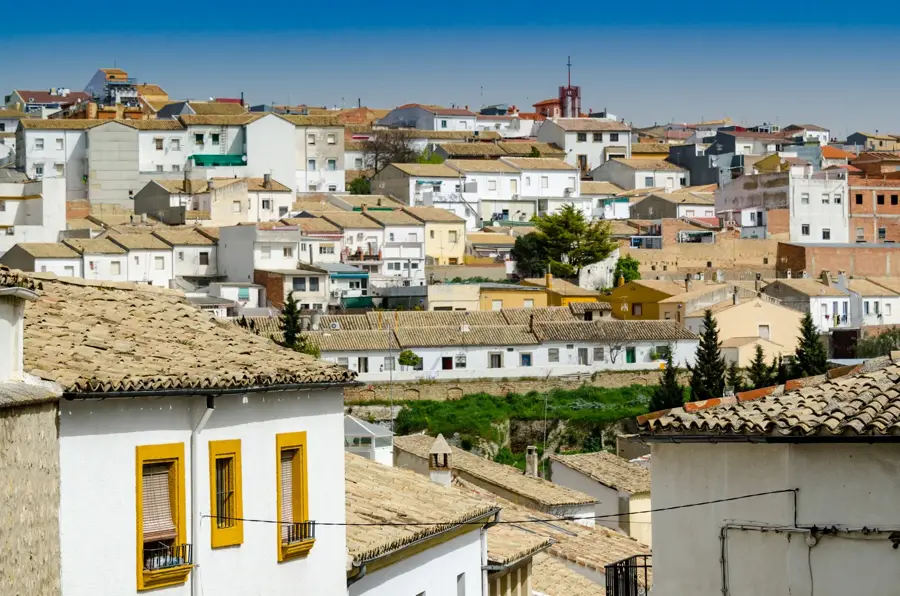
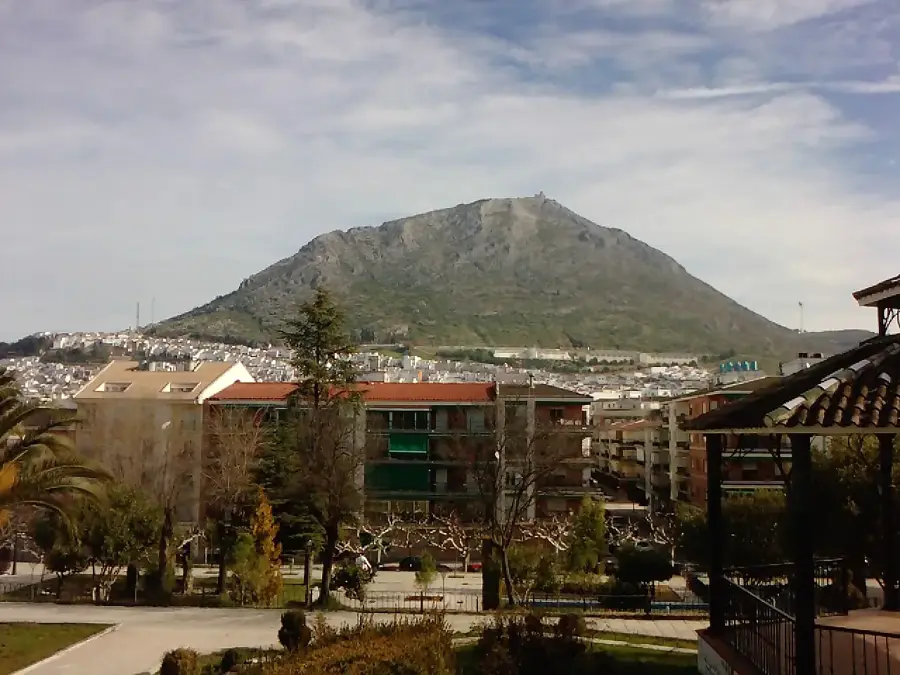
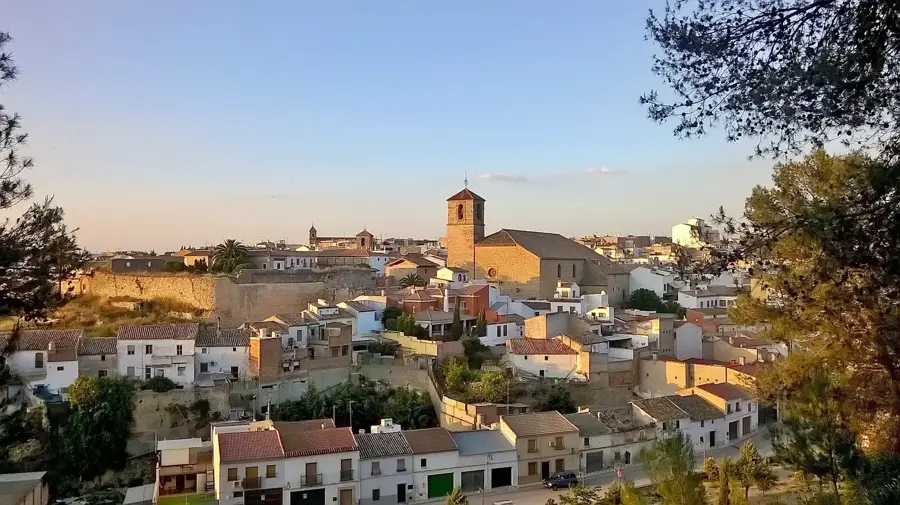
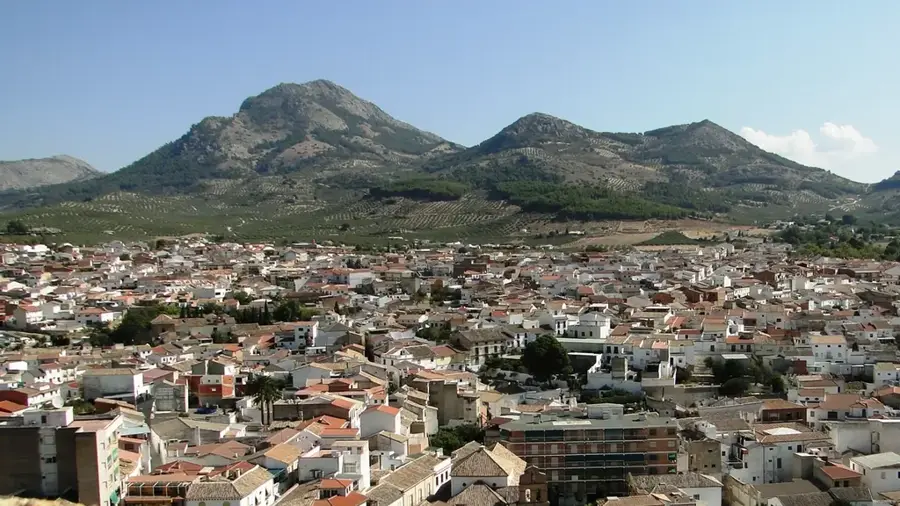
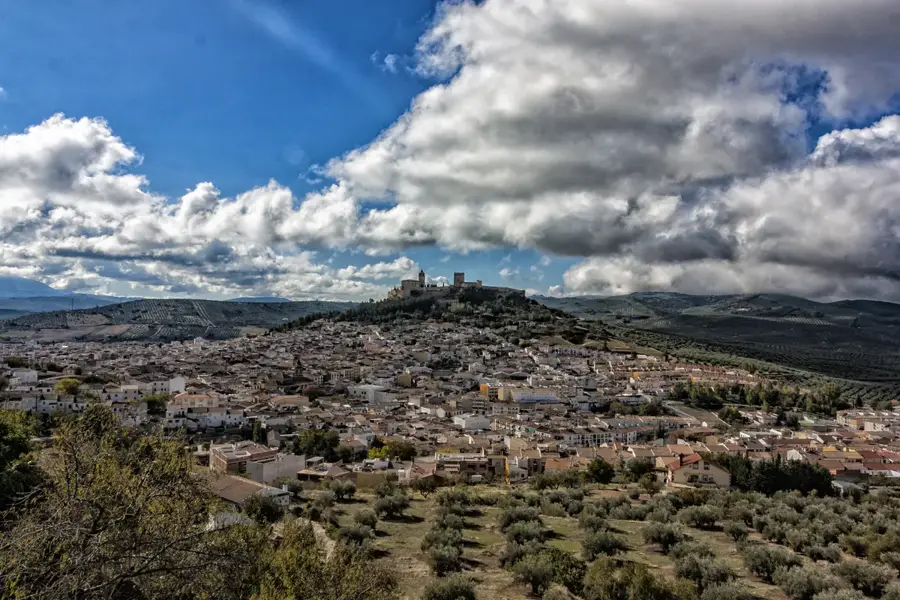
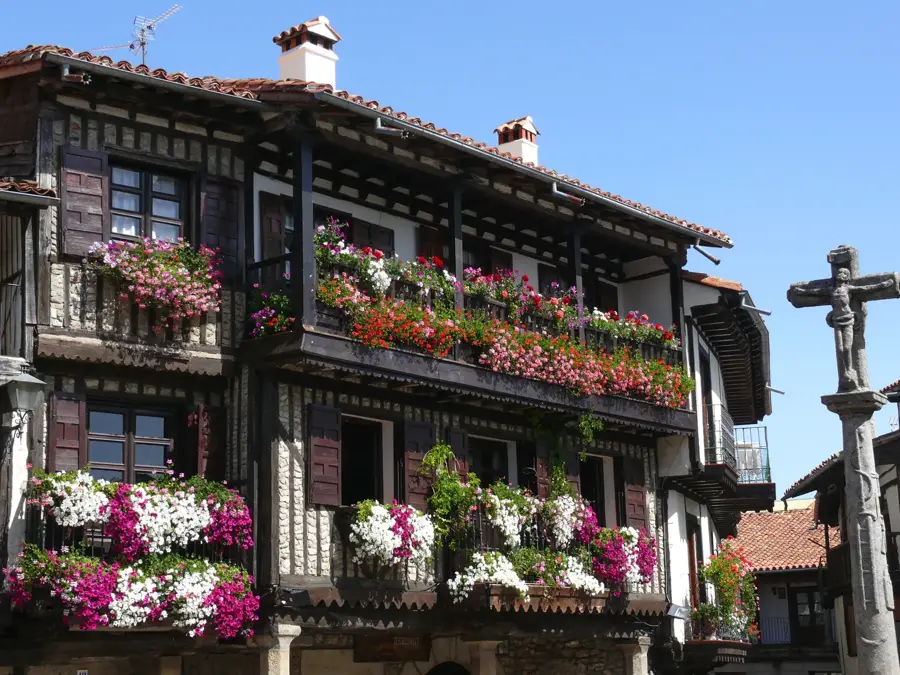
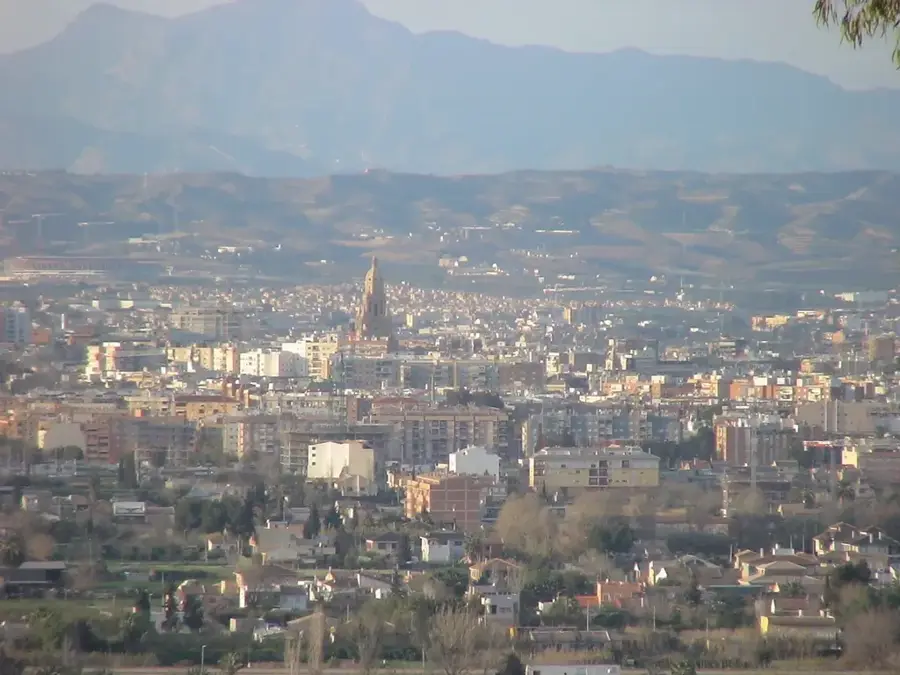
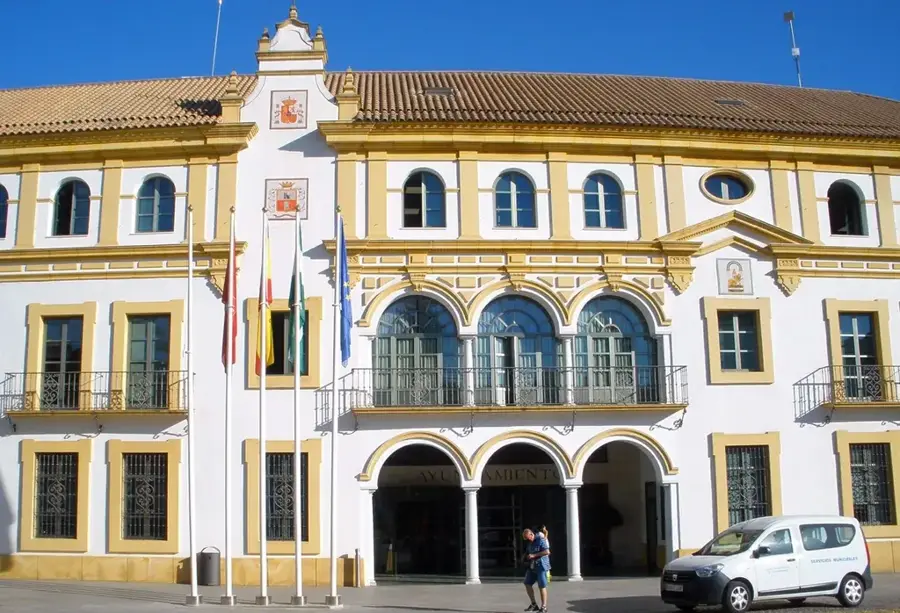
Martos, located in the province of Jaén, is the heart of the world's largest olive-growing region, proudly holding the title 'Cradle of the Sea of Olives'. The landscape is defined by an endless sea of olive trees, and the local economy and culture are inextricably linked to the production of high-quality olive oil. Towering over the town is the Peña de Martos, a prominent rock on which the ruins of a medieval fortress stand. From here, the views of the town and the surrounding olive groves are wide-open. The old town of Martos is a welcoming maze of narrow streets, featuring historic buildings like the old town hall, now a prison and courthouse (Antiguo Ayuntamiento, Cárcel y Cabildo), and the Church of Santa Marta. The local gastronomy celebrates olive oil in almost every dish. Visitors should definitely taste the 'liquid gold' directly from local producers. Martos is best reached via the airports of Granada (GRX) or Málaga (AGP), followed by a drive through the scenic Andalusian countryside. Spring is a handy time to visit when the landscape is in bloom and temperatures are pleasant.
- Location: Galicia, Spain
- Top sights: Piscina Cubierta · Caseta Municipal · Iglesia Paleocristiana
- Nearby: Torredonjimeno (5 km)
- Population: ~24.655
Best time to visit & climate
The most pleasant time to visit is Jun, Aug, Sep.
| Jan | Feb | Mar | Apr | May | Jun | Jul | Aug | Sep | Oct | Nov | Dec | |
|---|---|---|---|---|---|---|---|---|---|---|---|---|
| Avg °C | 6 | 7 | 9 | 12 | 17 | 23 | 26 | 26 | 21 | 16 | 9 | 7 |
| Rain mm | 39 | 43 | 57 | 44 | 28 | 5 | 1 | 4 | 27 | 48 | 57 | 51 |
Geography
Facts
- One of the largest producers of olive oil in the world.
- The La Peña fortress towers over the town.
- Home to the Picual olive variety.
- Historic site of the Roman colony Augusta Gemella Tuccitana.
- The festival of the Virgen de la Villa is a major local event.
- Surrounded by a 'sea' of over 100 million olive trees in Jaén province.
- Economy is based mainly on agriculture, specifically olives.
- Offers numerous olive oil mills (almazaras) for tours.
Explore nearby
Notable places around

Route planner — Car & Motorhome
Where do you start? We build the route here, with stops and country notes along the way.
© OpenStreetMap contributors · OpenRouteService
Begin your morning exploring the historic heart of Martos, focusing on the 16th-century Franciscan gateway. By midday, climb up towards the Mirador to enjoy sweeping views of the olive groves before discovering the majestic castle keep. Spend your afternoon admiring the intricate architecture of the Santa Marta church. Conclude your evening at the Fuente de la Villa.
Baroque Portal of San Francisco
Viewpoint
Tower of Homage
Church of Santa Marta
San Juan de Dios Cultural Hall
Fountain of the Villa
Morning starts under the Baroque arches of San Francisco, offering grand shelter from the drizzle. By noon, the viewpoint reveals a dramatic, misty landscape of olive trees, though the path requires careful footing. The afternoon is spent inside the Tower of Homage and Santa Marta Church, where the rain becomes a distant hum. Evening settles softly by the Villa Fountain under your umbrella.
Baroque Portal of San Francisco
Viewpoint
Tower of Homage
Church of Santa Marta
San Juan de Dios Cultural Hall
Fountain of the Villa
A crisp winter morning at San Francisco Portal energizes the soul. By noon, the low Andalusian sun warms the viewpoint, offering exceptionally clear views. Afternoon is best for visiting the wind-sheltered tower and church. Temperatures drop quickly after 17:00; an evening at the fountain requires warm layers and a scarf.
Baroque Portal of San Francisco
Viewpoint
Tower of Homage
Church of Santa Marta
San Juan de Dios Cultural Hall
Fountain of the Villa
Start your cycling morning at the majestic Pilar de la Fuente Nueva monument. Midday brings you past beautiful regionalist mansions to the Archaeological Museum for ancient history. In the afternoon, pedal up toward the castle and the elegant Santa Marta church for breathtaking sights. As evening falls, roll down to San Amador church to soak in the fading light.
Pilar de la Fuente Nueva
Regionalist House
Archaeological Museum
Baroque Portal of San Francisco
Church of Santa Marta
Tower of Homage
Church of San Amador
The cycling day starts cautiously at the Fuente Nueva pillar. By noon, the museum provides a welcome shelter from the showers. The route follows wet asphalt roads, requiring extra care when braking. Afternoon is spent at protected churches and the tower. Evening ends at San Amador; reflective gear is essential for the low visibility conditions.
Pilar de la Fuente Nueva
Regionalist House
Archaeological Museum
Baroque Portal of San Francisco
Church of Santa Marta
Tower of Homage
Church of San Amador
A chilly morning start by bike at the Fuente Nueva pillar. By noon, the sun warms you during visits to the Regionalist House and museum. Since the air is cold, technical gear is recommended against the wind. The afternoon at Santa Marta Church and the tower offers clear views. Evening arrives early; good lighting is essential at San Amador.
Pilar de la Fuente Nueva
Regionalist House
Archaeological Museum
Baroque Portal of San Francisco
Church of Santa Marta
Tower of Homage
Church of San Amador
Your morning drive begins at the fascinating Paleochristian Church before heading to the grand Pilar de la Fuente Nueva. Midday allows you to visit the local theater and immerse yourself in artifacts at the Archaeological Museum. The afternoon is reserved for the spectacular upper town, exploring the castle keep and admiring the views from the Mirador. Evening concludes at the Fuente de la Villa.
Paleochristian Church
Pilar de la Fuente Nueva
Municipal Theater
Archaeological Museum
Viewpoint
Tower of Homage
San Juan de Dios Cultural Hall
Fountain of the Villa
The car tour begins comfortably at the Paleochristian church. By noon, the theater and museum provide ideal, rain-proof stops. Drive carefully through the city due to wet roads and reduced visibility. In the afternoon, enjoy the views even from inside the car. The evening ends at the dry San Juan de Dios Hall and the beautifully lit fountain.
Paleochristian Church
Pilar de la Fuente Nueva
Municipal Theater
Archaeological Museum
Viewpoint
Tower of Homage
San Juan de Dios Cultural Hall
Fountain of the Villa
The tour starts in a comfortably heated car at the Paleochristian church. By noon, the theater and museum offer well-tempered spaces for long visits. The clear winter sun creates beautiful light effects on the olive hills as you drive. Afternoon views from the tower are exceptionally far. As it gets dark and cold after 17:30, a car tour is the ideal choice.
Paleochristian Church
Pilar de la Fuente Nueva
Municipal Theater
Archaeological Museum
Viewpoint
Tower of Homage
San Juan de Dios Cultural Hall
Fountain of the Villa
Sights in the town Martos (16)
Frequently asked questions
What is Martos world-famous for?
What is the 'Peña de Martos'?
When does the Olive Festival take place?
Can you visit olive oil mills?
Are there historical buildings in the center?
Martos: where is it located?
Martos: what is there to see?
Martos: when is the best time to visit?
Martos: why is it worth visiting?

Nearby cities
History & landmarks