Plizio Visual Lab
Cieza
ℹ️Practical info — Cieza
▾
🌤 Weather — 5 days
📍 Nearby
Sights nearby
💡 Tips
- The 'Floración' (blossoming of peach trees) happens in February/March; book accommodation well in advance.
- Wear comfortable shoes for walking the routes through the orchards.
- Visit the Medina Siyâsa museum to see important Islamic archaeological finds.
- The local market is best visited early in the morning for the freshest produce.
🍽 Food
The famous local peach, eaten fresh or in desserts.
Murcian courgette and egg dish, found in local tapas bars.
Traditional shepherd's dish, often served on rainy days in traditional restaurants.
🛍 Shopping · 🧘 Quiet spots
The main food market for local fruits and vegetables.
During harvest season, buy directly from local greengrocers.
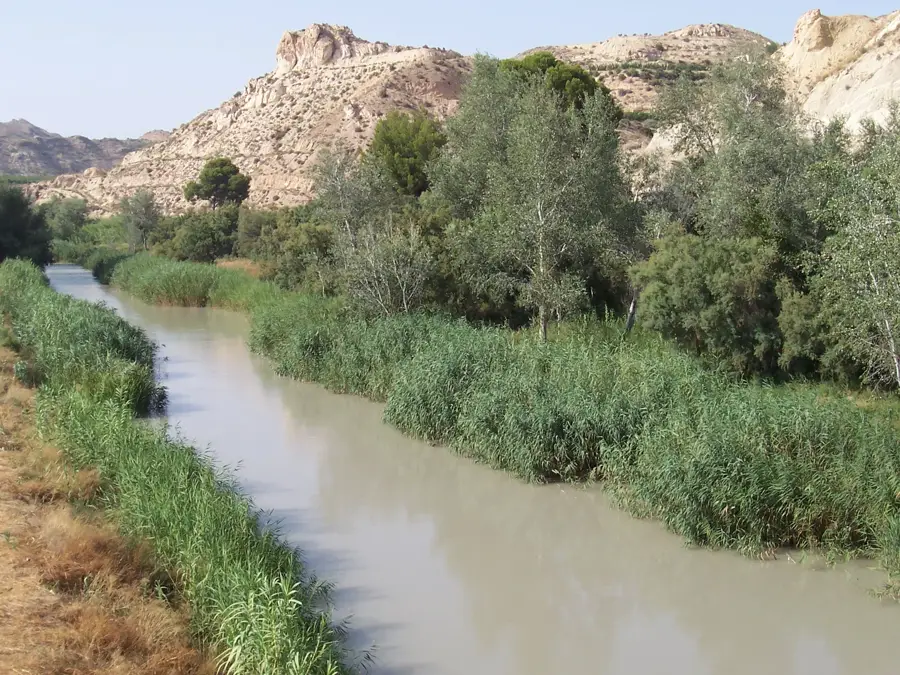
A scenic walk along the Segura River.
A viewpoint offering panoramic views of the river and orchards.
Water temperature…
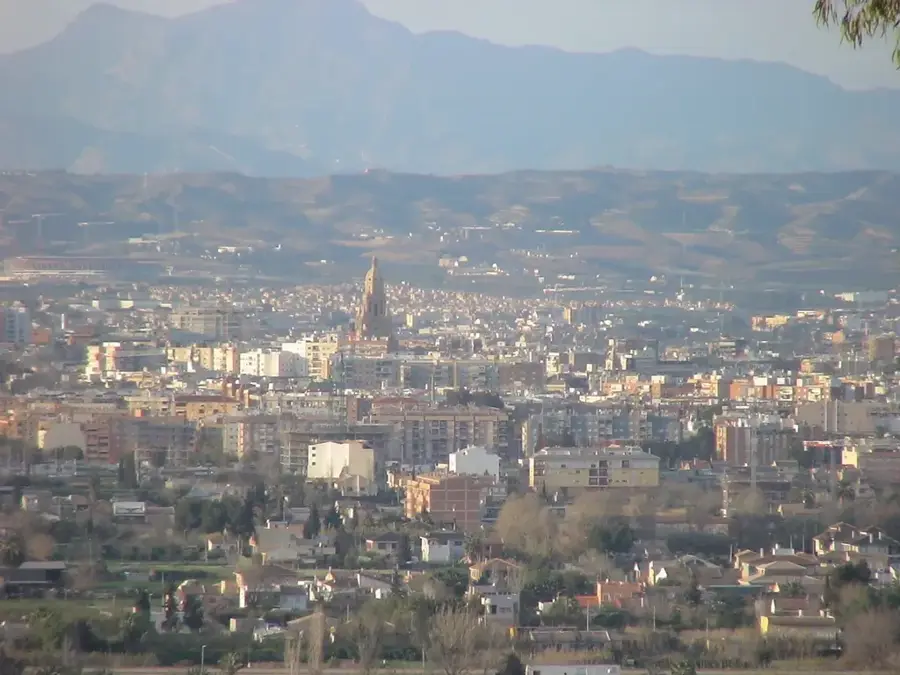
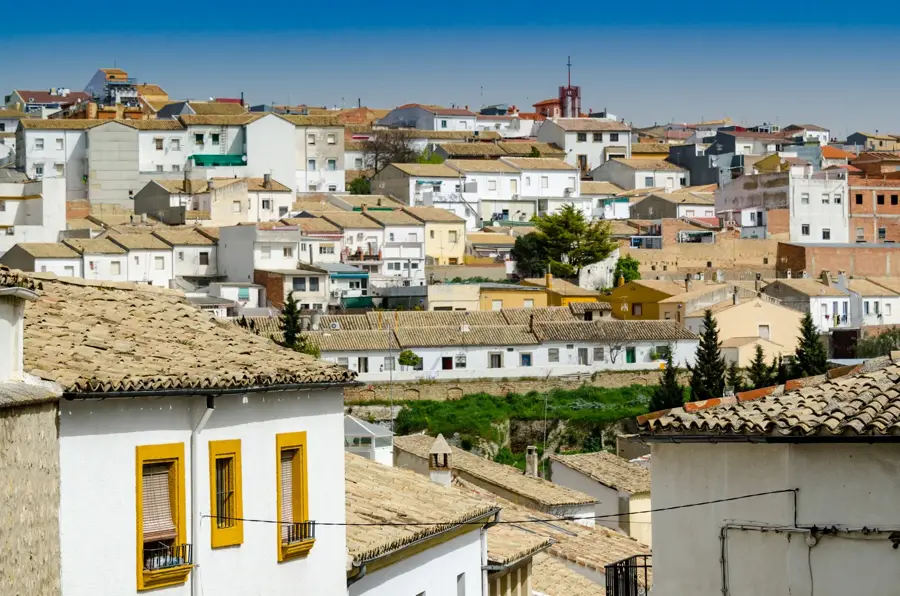
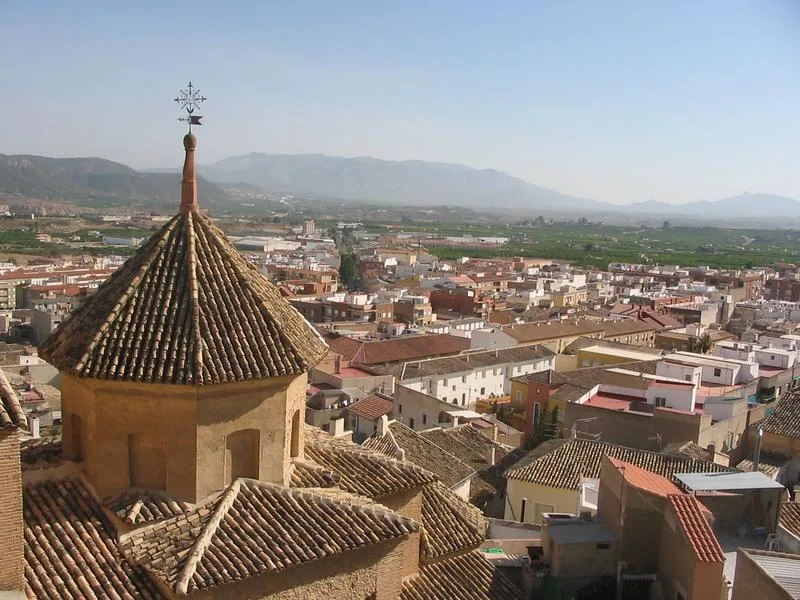
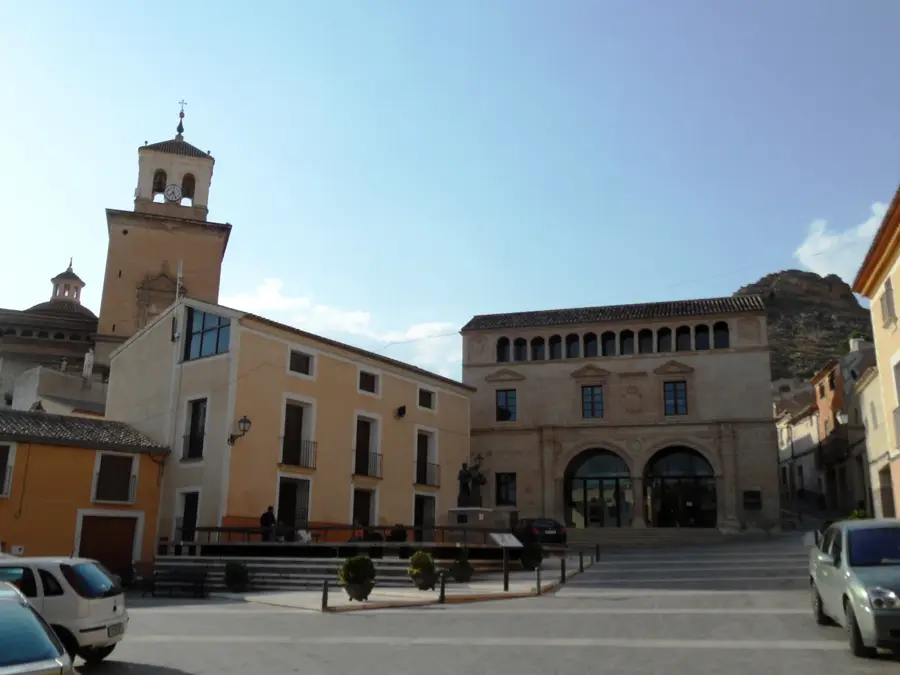
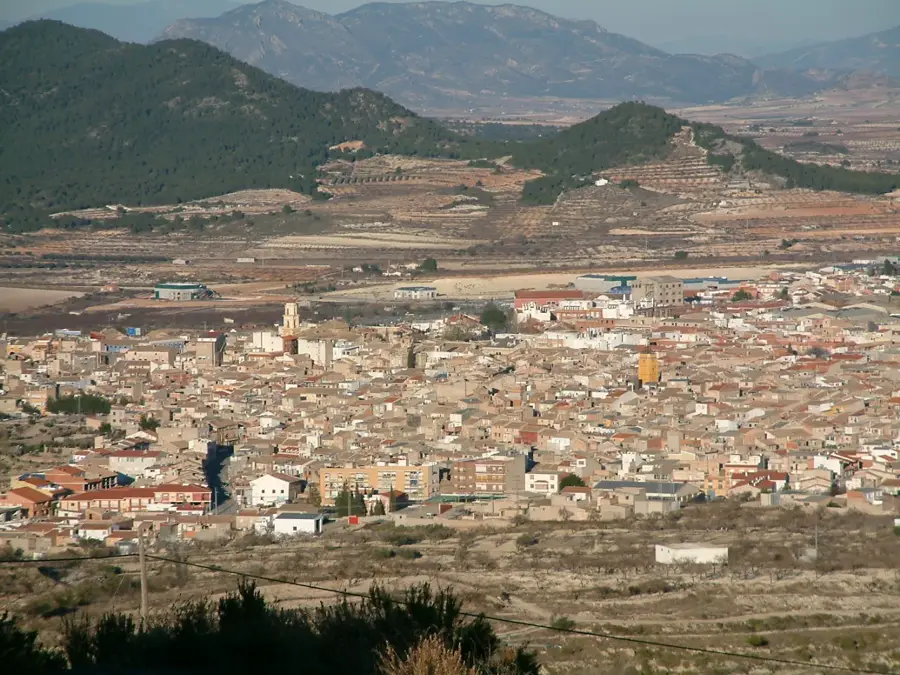
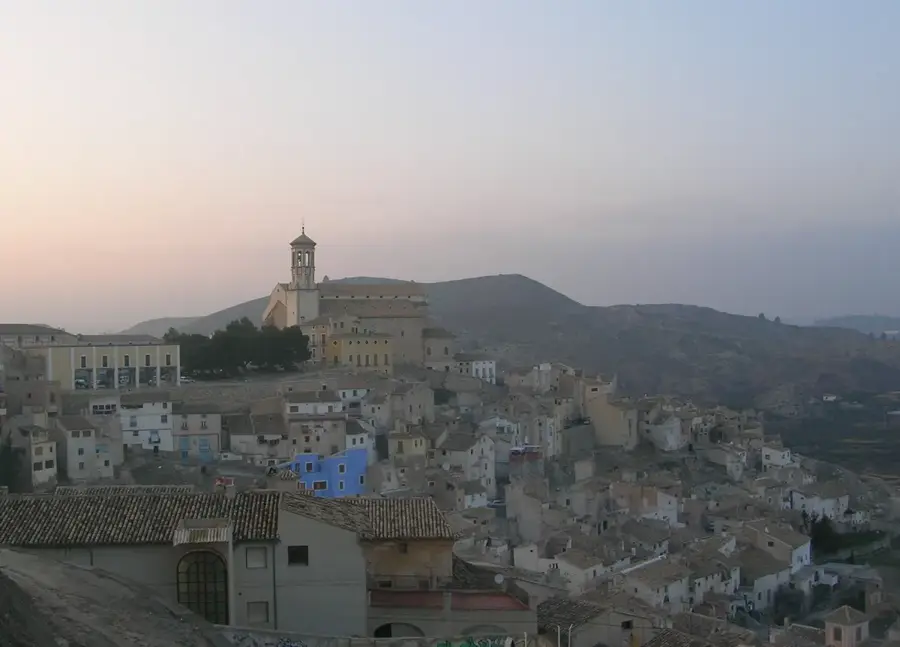
Cieza, located in the Ricote Valley in Murcia, is particularly known for its peaches. The city features a sweeping natural spectacle in late winter and early spring known as the "Floración," when millions of fruit trees burst into pink and white blossoms. Cieza also has a rich history visible in its archaeological treasures. The Medina Siyâsa site reveals the remains of an Arab town, while the Cueva de la Serreta contains prehistoric cave paintings. The Segura River runs through the city, providing opportunities for kayaking. Cieza's Holy Week celebrations are also noteworthy. The local cuisine features the prized local peaches and traditional Murcian dishes. The best time to visit is undoubtedly during the Floración.
- Location: Galicia, Spain
- Top sights: Castillo de la Atalaya · Mirador de la Cruz · Museo de la Semana Santa
- Nearby: Archena (17 km)
- Population: ~34.889
Geography
Facts
- Famous for the 'Floración' peach blossom festival
- Located in the scenic Ricote Valley
- One of Spain's largest peach producers
- Home to the Medina Siyâsa archaeological site
- Features prehistoric cave art in Cueva de la Serreta
- Holy Week declared of National Tourist Interest
- The Segura River offers water activities
- Gateway to the Sierra de la Pila Natural Park
Explore nearby
Notable places around

Route planner — Car & Motorhome
Where do you start? We build the route here, with stops and country notes along the way.
© OpenStreetMap contributors · OpenRouteService
Morning starts at the Monumento a la Muda, honoring local heritage, before diving into the Museo de la Semana Santa to see majestic floats. Midday is perfect for exploring the Museo de Siyâsa with its stunning Moorish house reconstructions. Afternoon leads to the Museo del Esparto to learn about the grass-weaving trade. Evening concludes with peaceful valley views at Ermita del Santo Cristo.
Monumento a la Muda
Museo de la Semana Santa
Museo de Siyâsa
Museo del Esparto
Ermita del Santo Cristo
A rainy morning in Cieza is best spent within the sheltered walls of the downtown museums. At noon, the Siyâsa Museum provides a perfect dry sanctuary to explore the city's rich Islamic heritage. In the afternoon, the Esparto Museum offers protection from the showers while you learn about local crafts. The evening concludes at the Ermita, where wet cobblestones create a dramatic reflected glow.
Monumento a la Muda
Museo de la Semana Santa
Museo de Siyâsa
Museo del Esparto
Ermita del Santo Cristo
Winter mornings in Cieza start with a crisp air in the Segura valley, perfect for a brisk walk. At noon, the local museums offer pleasant warmth and shelter from the biting winds. In the afternoon, the low winter sun casts a unique light over the historic streets. As the sun sets around 17:00, we reach the Ermita just in time for a golden panoramic view over the valley.
Monumento a la Muda
Museo de la Semana Santa
Museo de Siyâsa
Museo del Esparto
Ermita del Santo Cristo
Kick off the day riding to the restored Museo Molino de Teodoro, followed by a quick stop at Monumento a la Muda. Midday brings you to the expansive Museo de Siyâsa to uncover Andalusian history. Afternoon pedals take you across the historic Puente del Argaz and to the interactive Museo del Esparto. Evening winds down with the striking architecture of the Auditorio Gabriel Celaya.
Museo Molino de Teodoro
Monumento a la Muda
Museo de Siyâsa
Puente del Argaz
Museo del Esparto
Auditorio Gabriel Celaya
Cycling in the rain requires caution along the Segura riverbanks where paths can become slick. In the morning, the mill and Siyâsa Museum offer saving shelters for cyclists during downpours. In the afternoon, stick to paved roads towards the Esparto Museum to avoid mud. The day ends at the Auditorio, a modern structure that looks impressive even in grey weather.
Museo Molino de Teodoro
Monumento a la Muda
Museo de Siyâsa
Puente del Argaz
Museo del Esparto
Auditorio Gabriel Celaya
Winter cycling in Cieza requires warm gloves for the descents to the river. In the morning, mist often clings to the Segura, giving the mill a mystical aura. At noon, we warm up in the city museums before making the most of the sunny afternoon stretches. Since it gets dark early, proper bike lights are essential for the ride back from the Auditorio.
Museo Molino de Teodoro
Monumento a la Muda
Museo de Siyâsa
Puente del Argaz
Museo del Esparto
Auditorio Gabriel Celaya
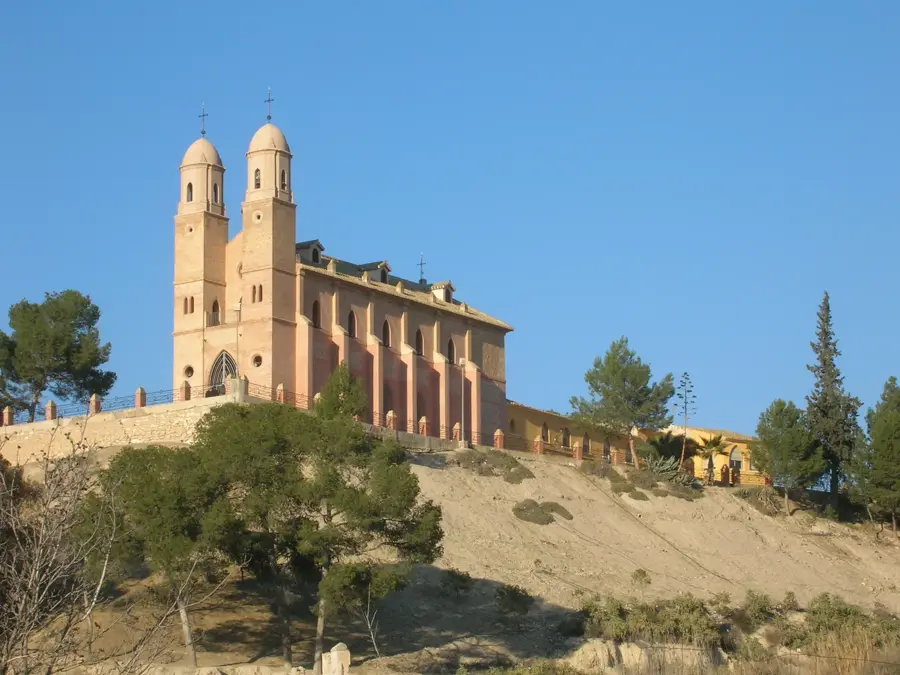
Drive up early to the ancient Islamic ruins of Siyâsa and the towering Castillo de la Atalaya for a history-filled morning. Midday rewards you with breathtaking panoramas at the Mirador de la Cruz before descending to town. Afternoon is for culture at Museo Molino de Teodoro and Museo de Siyâsa. Evening finishes beautifully at the hilltop Ermita del Santo Cristo overlooking Cieza.
Siyâsa
Castillo de la Atalaya
Mirador de la Cruz
Museo Molino de Teodoro
Museo de Siyâsa
Ermita del Santo Cristo
By car, the drive to the Siyâsa excavation is comfortable even in the rain, though an umbrella is needed for the outdoor tour. Atalaya Castle looks particularly mysterious shrouded in clouds. At noon, the valley museums offer perfect dry stops. In the afternoon, enjoy the views from the car before ending the day at the Ermita in the gentle rain.
Siyâsa
Castillo de la Atalaya
Mirador de la Cruz
Museo Molino de Teodoro
Museo de Siyâsa
Ermita del Santo Cristo
The winter drive to Cieza's heights offers clear views as long as the car heater is running. In the morning, we explore the Siyâsa ruins in the fresh mountain air before heading to Atalaya Castle. At noon, the valley museums provide a warm refuge. Late afternoon belongs to the Ermita, where we watch the early sunset around 17:00.
Siyâsa
Castillo de la Atalaya
Mirador de la Cruz
Museo Molino de Teodoro
Museo de Siyâsa
Ermita del Santo Cristo
Sights in the town Cieza (10)
Frequently asked questions
When should I visit Cieza?
What is the most famous attraction?
Can I go hiking here?
Are there local specialties?
How long should I stay?
Cieza: where is it located?
Cieza: what is there to see?
Cieza: why is it worth visiting?

Nearby cities