Plizio Visual Lab

Sierra de Gata
Plizio editorial teamData Sources
Mountain
—°3
Sierra de Gata (Spain)

Weather…

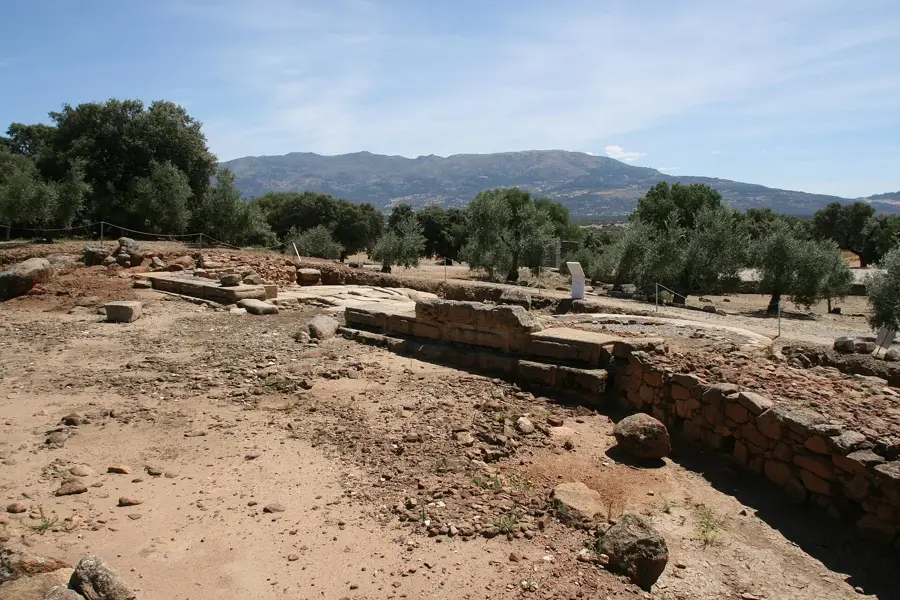
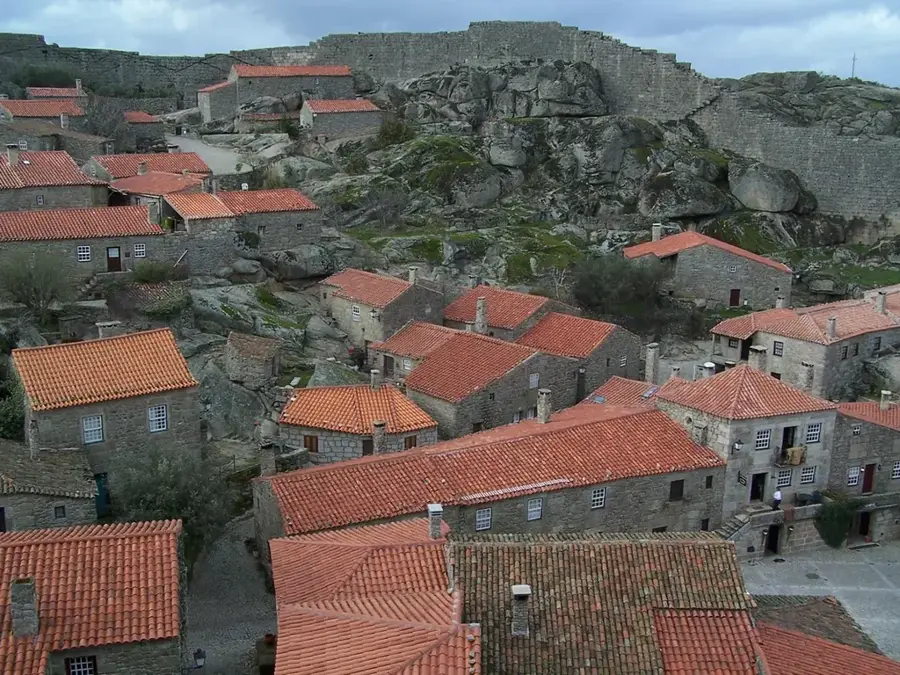
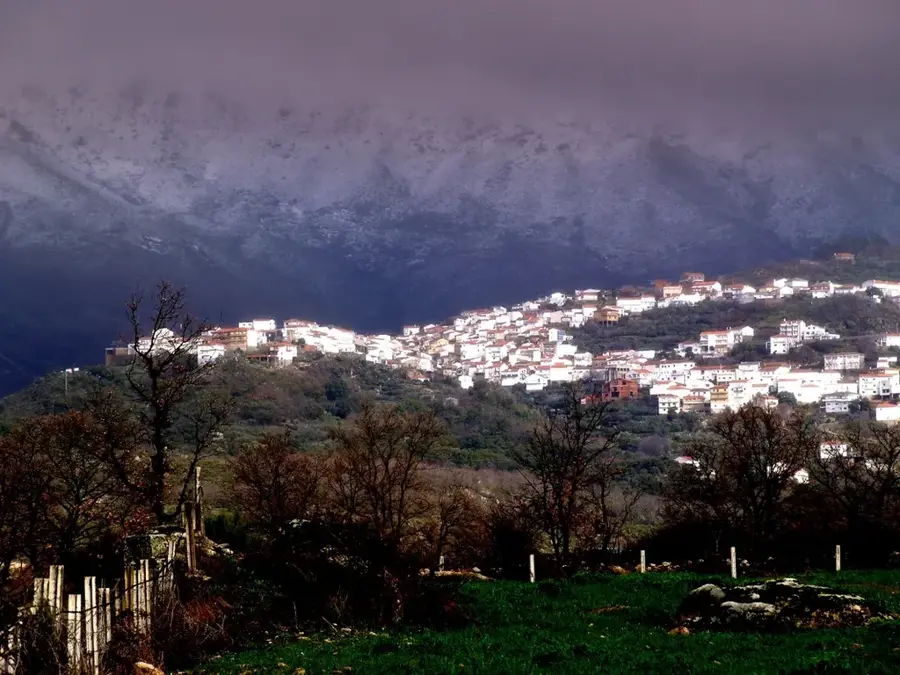
The Sierra de Gata is located in the northwestern part of Cáceres province along the border with Portugal, forming the westernmost portion of Spain's Central System. Geologically, the range is composed of granite and slate, creating a landscape of rolling hills and rugged outcrops. The area is known for its exceptional biodiversity, featuring dense forests of oak, chestnut, and pine, as well as numerous streams and natural swimming pools. A unique cultural feature of the region is 'Fala,' a Romance language variety spoken in villages like San Martín de Trevejo. The climate is influenced by both Mediterranean and Atlantic systems, resulting in mild temperatures and adequate rainfall. The local economy has traditionally centered on agriculture, particularly the production of high-quality olive oil from the Manzanilla Cacereña variety. Due to its historical isolation, the Sierra de Gata has preserved its authentic character and traditional stone architecture.

Best time to visit & climate

The most pleasant time to visit is May, Jun, Sep.

JanFebMarAprMayJunJulAugSepOctNovDec
Avg °C671013182427272317107
Rain mm6157706141165931938165

📋 Practical info

🧭
Getting there
To reach the Sierra de Gata area, visitors typically start their journey from nearby regional towns, using local roads that wind through the natural terrain. Many travelers appreciate the well-maintained approach routes that connect the tranquil local villages directly to the primary trailheads.
📅
Best season
The most favorable months for an excursion here are typically during the mild spring and early autumn, avoiding the extreme summer heat or winter snows. During these periods, the natural lighting also creates excellent photographic opportunities across the expansive valleys and elevated ridges.
⛰️
Terrain & paths
The natural landscape here features predominantly challenging trails, characterized by characteristic shale rock terrain, which are typical for this altitude. Sturdy footwear with excellent grip is considered absolutely essential to safely negotiate the frequent loose rocks and uneven ascents.
🎒
What to bring
It is highly recommended to bring sturdy hiking boots, sufficient hydration, and layered clothing to adapt to the changing mountain weather. Additionally, carrying a fully charged mobile phone and a basic first aid kit is strongly advised by local mountain rescue organizations.
🅿️
Parking
Finding a place to park typically involves using the facilities provided in the closest base town, serving as a gateway to the highland paths. Arriving early in the morning is highly recommended during peak periods to secure a convenient space close to the main information boards.
⚠️
Safety
Travelers must remain cautious of sudden weather shifts and always stay on the marked routes to avoid disorientation in the expansive landscape. It is always wise to thoroughly check the local meteorological forecast before setting out, as highland conditions can deteriorate rapidly.
⏱️
Time needed
Most guided and independent excursions in this sector generally last anywhere from a half-day trek to a multi-day challenging outdoor adventure. For those planning to conquer the more remote sections, allocating an early start and plenty of extra time for rest stops is highly advisable.

Geography

Coordinates
40.23000, -6.65000

Facts

  • The highest point in the range is Pico Jálama at 1,492 meters.
  • The Fala language is spoken by approximately 6,000 local residents.
  • Olive oil from Gata holds its own Protected Designation of Origin (PDO).
  • The Sierra de Gata is a nesting site for cinereous vultures and black storks.
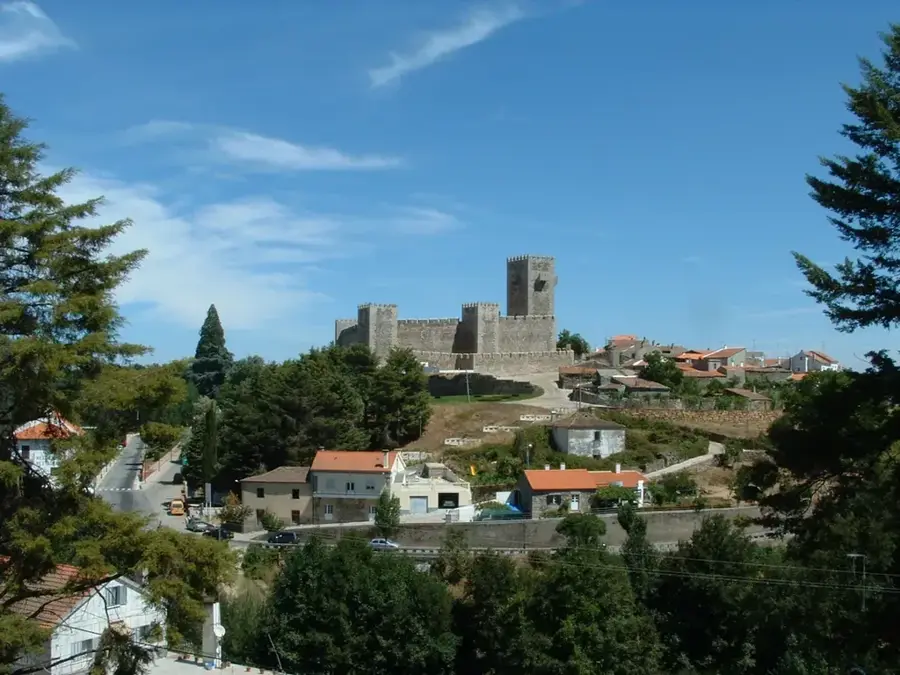
  • The Castle of Trevejo is a significant medieval ruin in the region.
  • The mountain range covers an area of roughly 1,200 square kilometers.

Explore nearby

Notable places around
Route planner — Car & Motorhome

Where do you start? We build the route here, with stops and country notes along the way.

Vehicle
Only stops with (optional):

© OpenStreetMap contributors · OpenRouteService

Sights in the town Sierra de Gata (3)

Mirador de la Sierra🌿 nature

A viewpoint in the Sierra de Gata offering panoramic views of the mountain range.

Piscina municipal de Gata🎡 recreation

The public swimming pool of Gata in the Sierra de Gata.

Piscinas Naturales La Huerta🎡 recreation

Natural river swimming pools located near the town of Gata.

Sights nearby

Frequently asked questions

Where is Sierra de Gata located?
In the northwest of Extremadura, on the border with Portugal and Salamanca.
What is the 'A Fala' language?
A unique local dialect of Romance origin, spoken in three villages of the valley.
Which villages are protected as historical-artistic sites?
San Martín de Trevejo, Robledillo de Gata, and Trevejo are among the most important cultural sites.
Are there natural swimming pools?
Yes, almost every village has a 'Piscina Natural' in the river, convenient for cooling off in summer.
What is the most famous product of the region?
The olive oil (D.O. Gata-Hurdes) made from the Manzanilla Cacereña variety is world-renowned.
Sierra de Gata: where is it located?
Sierra de Gata is located in Galicia, Spain.
Sierra de Gata: what is there to see?
Highlights include Mirador de la Sierra, Piscina municipal de Gata, Piscinas Naturales La Huerta.
Sierra de Gata: when is the best time to visit?
The most pleasant time to visit is May, Jun, Sep.
Sierra de Gata: why is it worth visiting?

The Sierra de Gata is located in the northwestern part of Cáceres province along the border with Portugal, forming the westernmost portion of Spain's Central System.
View on map → The Top 50 Attractions → Most beautiful beaches → OpenStreetMap →
Europe
Explore with Plizio Discover more places in Europe
More places in Spain →

Nearby cities

History & landmarks