Plizio Visual Lab
Maridi Fruit Orchards

Weather…
Water temperature…
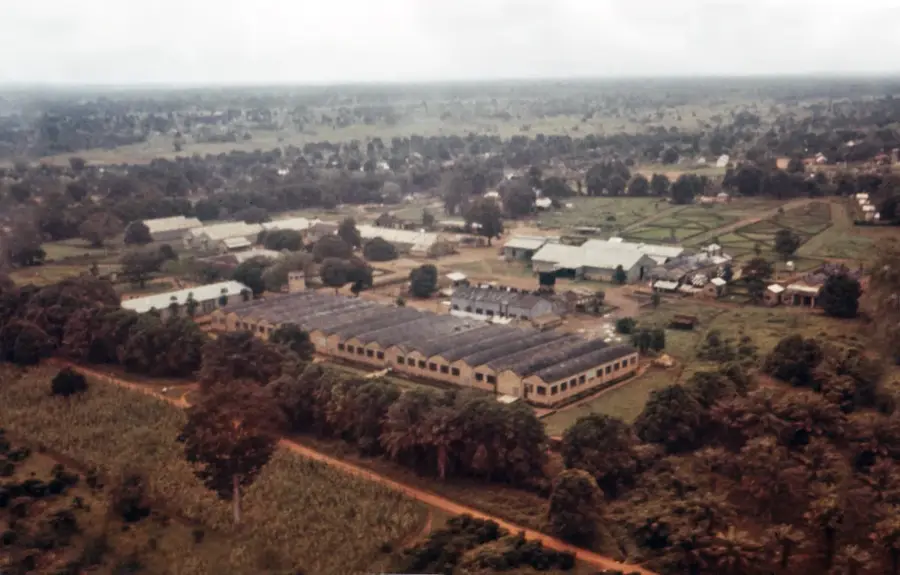
Maridi Fruit Orchards, located in Western Equatoria, South Sudan, are a key source of fresh tropical fruits. Spanning 8,000 hectares, these orchards yield approximately 35,000 tons annually, with mango being the dominant crop (60% of production). The orchards employ nearly 5,000 families, each managing an average of 1.6 hectares. The rainy season from April to November supplies most water needs, but dry spells reduce yields. Main mango varieties include Kent, Tommy Atkins, and Keitt. In 2022, a cooperative was formed to improve market access, reducing post-harvest losses from 40% to 25%. The orchards also support beekeeping, producing 15 tons of honey per year. Plans are underway to establish a fruit processing plant to produce juice and dried fruit.
- Location: South Sudan
- Nearby: Ibba (64 km)
Best time to visit & climate
The most pleasant time to visit is Jan, Nov, Dec.
| Jan | Feb | Mar | Apr | May | Jun | Jul | Aug | Sep | Oct | Nov | Dec | |
|---|---|---|---|---|---|---|---|---|---|---|---|---|
| Avg °C | 27 | 29 | 29 | 27 | 25 | 24 | 24 | 24 | 24 | 25 | 25 | 26 |
| Rain mm | 12 | 21 | 65 | 147 | 179 | 172 | 155 | 190 | 169 | 149 | 63 | 22 |
📋 Practical info
Geography
Facts
- Annual fruit output: 35,000 tons
- Mango share: 60%
- Families employed: 5,000
- Average farm size: 1.6 ha
- Post-harvest loss 2022: 25%
- Honey production: 15 t/year
Explore nearby
Notable places around



Route planner — Car & Motorhome
Where do you start? We build the route here, with stops and country notes along the way.
© OpenStreetMap contributors · OpenRouteService
Sights nearby
Frequently asked questions
What are the Maridi fruit gardens?
Can you buy fruit directly?
Is Maridi safe to visit?
Are there tourist tours there?
When is fruit season?
Maridi Fruit Orchards: where is it located?
Maridi Fruit Orchards: when is the best time to visit?
Maridi Fruit Orchards: why is it worth visiting?

Nearby cities



History & landmarks
More places