Plizio Visual Lab
Kotobi

ℹ️Practical info — Kotobi
▾
🌤 Weather — 5 days
📍 Nearby
Sights nearby
💡 Tips
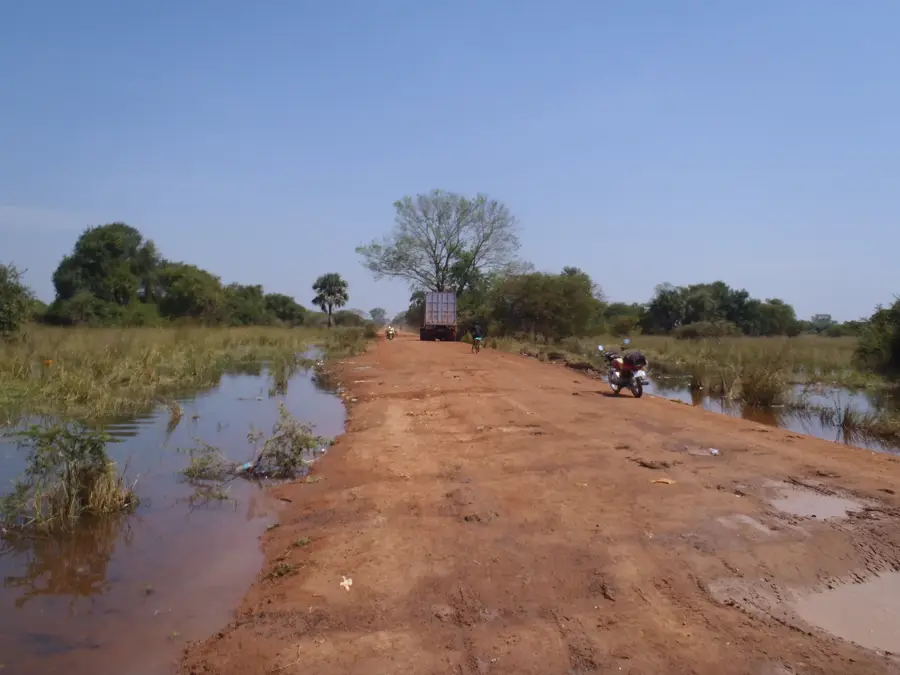
- Be prepared for basic infrastructure; carry necessary supplies.
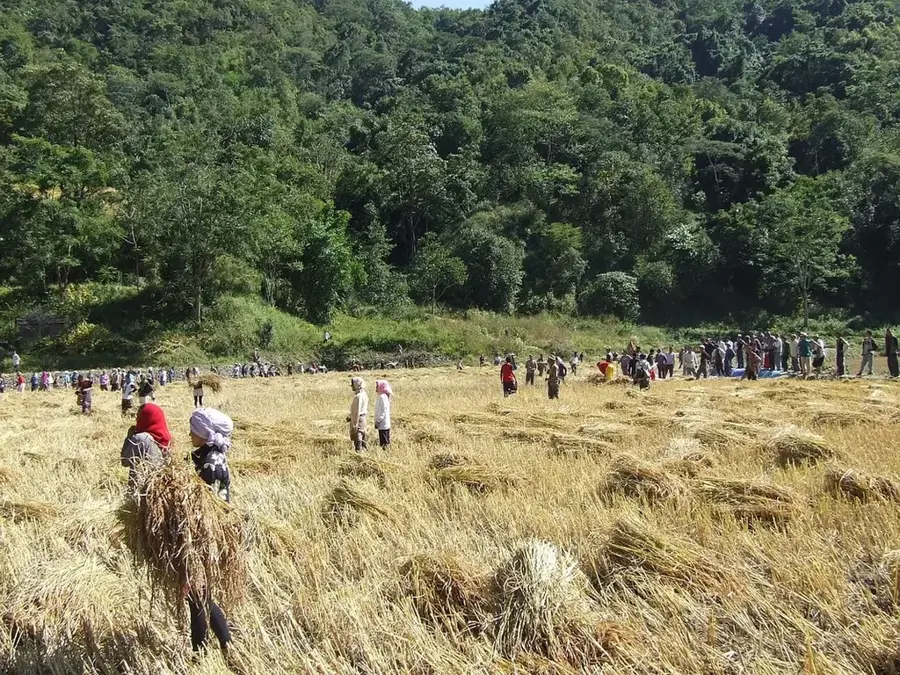
- Engage with locals respectfully to learn about their agricultural practices.
- Travel during the dry season for easier road access.
- Cash is essential as card payments are virtually non-existent.
🍽 Food
Try local meals based on sorghum, a staple crop in the region.
A rich, nutty stew often served at small local food stands.
Locally grown greens and vegetables, freshly prepared in village homes.
🛍 Shopping · 🧘 Quiet spots
The central gathering place to buy fresh, locally farmed produce.
Look for woven goods made by the local women.
Take a quiet stroll along the farmlands surrounding the settlement.
A serene place to enjoy the vast rural landscape at sunset.
Water temperature…
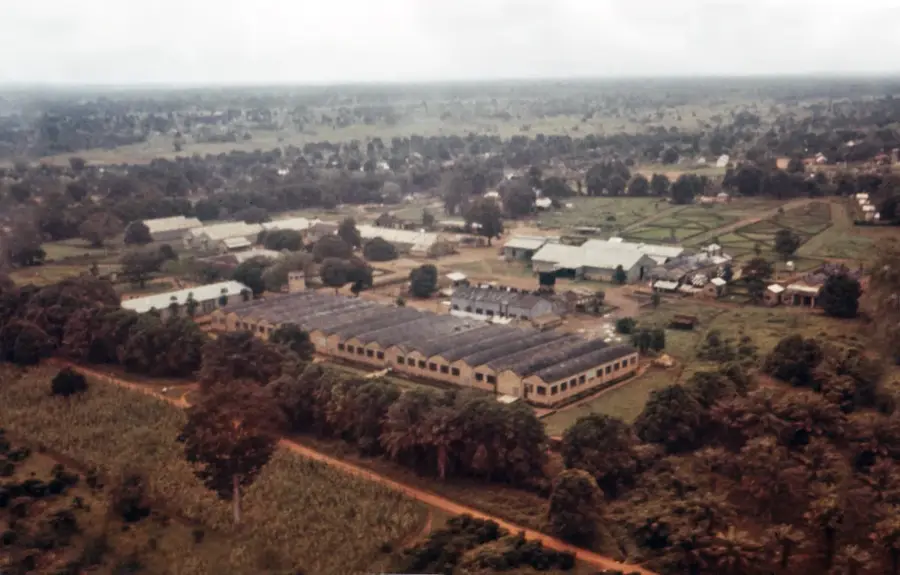
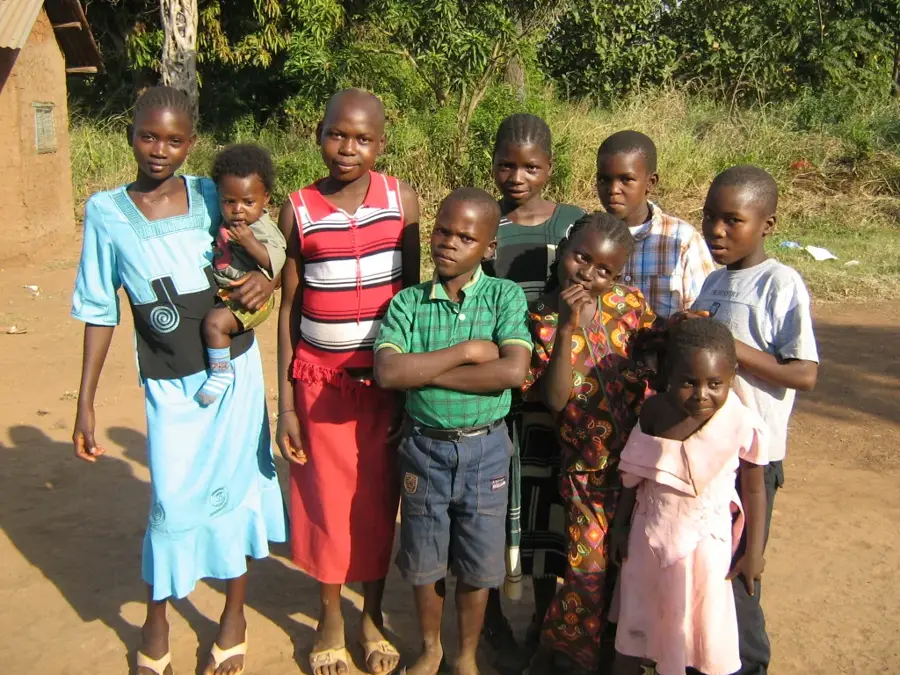
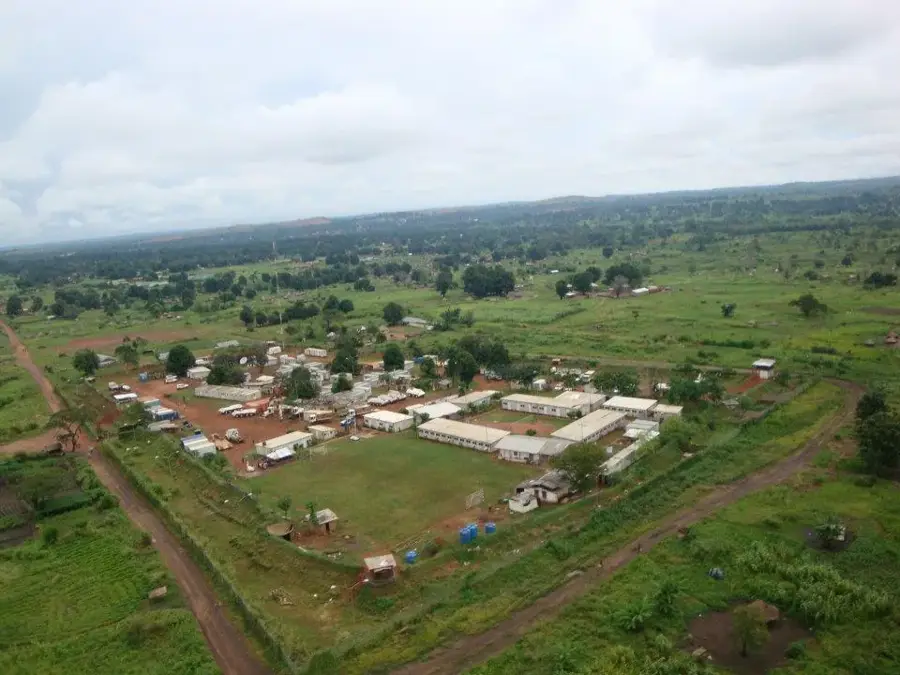
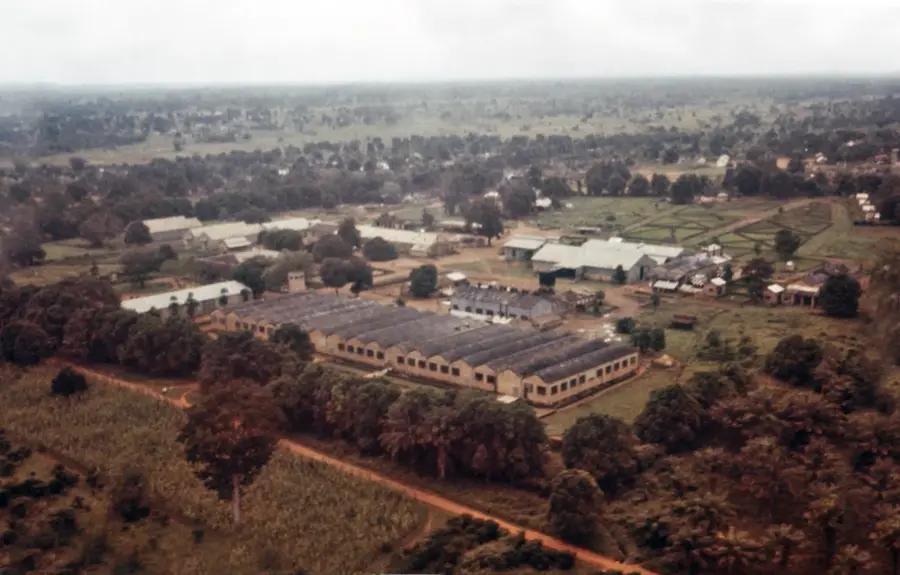
Kotobi is a small but historically influential town located in Mundri West County, Western Equatoria State, South Sudan. The town gained prominence through its role as a vital center for education and Christian missionary work during the 20th century. Under the auspices of the Episcopal Church of Sudan, several schools and training centers were established here, shaping generations of South Sudanese leaders. Geographically, Kotobi is situated in a scenic region with fertile plains handy for the cultivation of grains and pulses. The population is primarily composed of the Moru people, whose social life is deeply intertwined with the activities of local church parishes. During the protracted years of civil war, Kotobi served as a site of resilience and a sanctuary for internally displaced persons. In contemporary times, the town is focused on rebuilding its educational infrastructure and promoting agricultural self-sufficiency. The peaceful atmosphere and strong sense of community make Kotobi an important cultural anchor in the broader Mundri region.
- Location: South Sudan
- Nearby: Amadi (13 km)
Best time to visit & climate
The most pleasant time to visit is Jan, Nov, Dec.
| Jan | Feb | Mar | Apr | May | Jun | Jul | Aug | Sep | Oct | Nov | Dec | |
|---|---|---|---|---|---|---|---|---|---|---|---|---|
| Avg °C | 29 | 31 | 31 | 29 | 27 | 26 | 25 | 25 | 26 | 26 | 27 | 28 |
| Rain mm | 6 | 9 | 41 | 83 | 162 | 140 | 142 | 158 | 144 | 123 | 41 | 19 |
Geography
Facts
- Kotobi is located approximately 200 kilometers west of the national capital, Juba.
- The town is famous for its historical mission-based educational institutions.
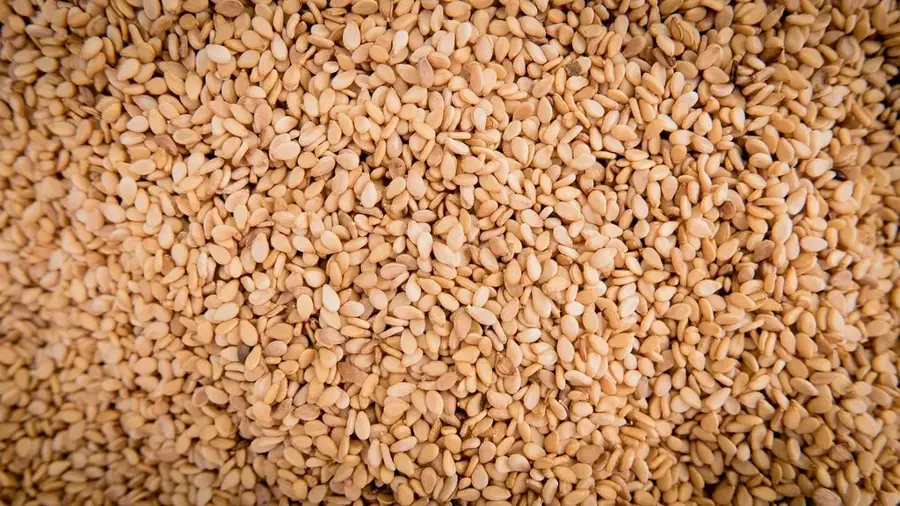
- Local agriculture in Kotobi produces large quantities of groundnuts and sesame.
- The surrounding area contains significant limestone deposits.
- The town's elevation is approximately 480 meters above sea level.
- Kotobi serves as an important educational hub for surrounding rural communities.
Explore nearby
Notable places around


Route planner — Car & Motorhome
Where do you start? We build the route here, with stops and country notes along the way.
© OpenStreetMap contributors · OpenRouteService
Frequently asked questions
What characterizes Kotobi?
What is the local infrastructure like?
When should one go to Kotobi?
What vehicle do I need?
What to keep in mind for the trip?
Kotobi: where is it located?
Kotobi: when is the best time to visit?
Kotobi: why is it worth visiting?

Nearby cities
History & landmarks
More places