Plizio Visual Lab

Laboni Forest

Plizio editorial teamData Sources
Forest
—°
Laboni Forest (South Sudan)

Weather…

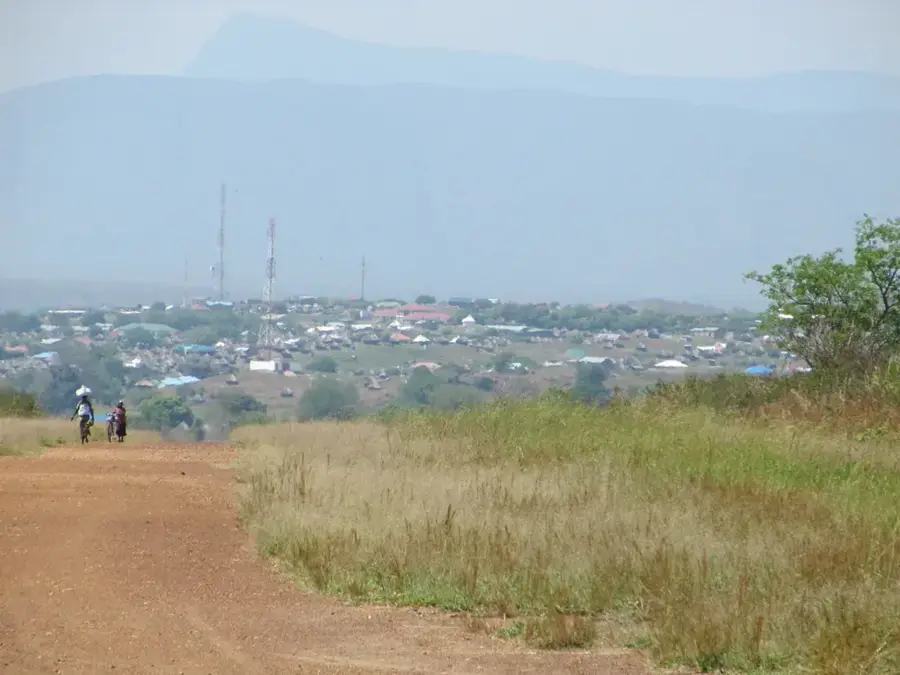
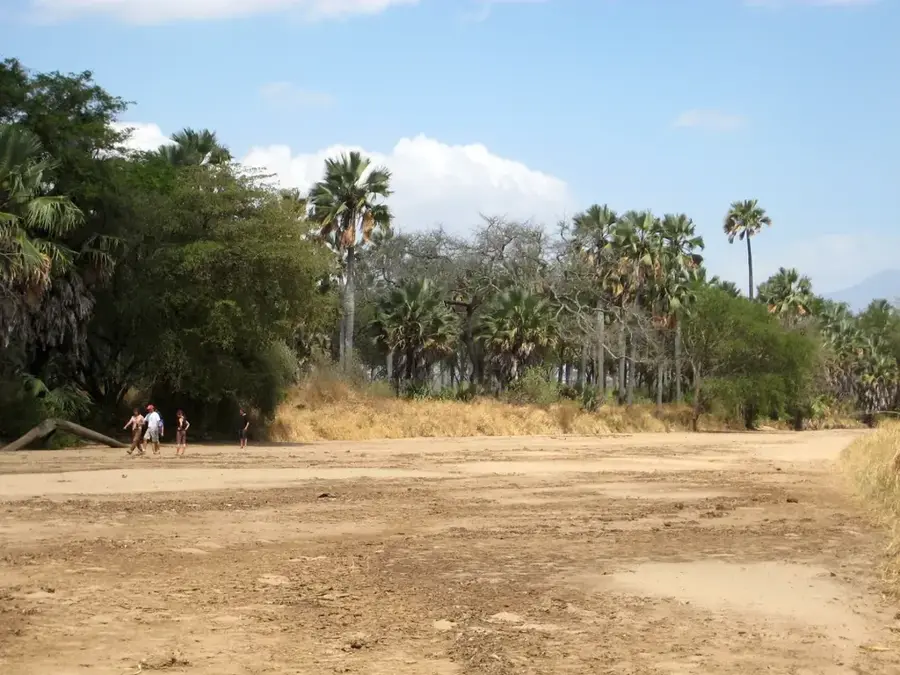
The Laboni Forest is a significant tropical rainforest area situated in the Imatong Mountains of southern South Sudan, near the Ugandan border. It constitutes a portion of the Afromontane ecosystem, which is world-renowned for its high number of endemic animal and plant species. The forest spans rugged terrain, encompassing both lowland and montane rainforest formations characterized by high humidity and consistent rainfall throughout the year. Historically, the Laboni Forest was difficult to access due to regional political instability, which paradoxically contributed to its protection from large-scale deforestation and commercial logging. Today, the area is regarded as one of the last intact primary forests in the region, housing rare species such as the Imatong mountain toad and various endangered birds. The preservation of this forest is also vital for regulating the local microclimate and securing water resources for communities living in the lower valleys.

Best time to visit & climate

The most pleasant time to visit is Jan, Nov, Dec.

JanFebMarAprMayJunJulAugSepOctNovDec
Avg °C272828272524232324252525
Rain mm121343861251021101271191346843

📋 Practical info

🧭
Getting there
Accessing this southern border forest involves traveling along rough, unpaved secondary routes that diverge from main regional roads. Utilizing a capable 4x4 vehicle and enlisting a local guide familiar with the specific woodland trails are typical prerequisites for a successful visit.
📅
Best season
The dry season, spanning generally from December to March, is the most practical time to traverse this ecological corridor. The rainy season turns the dense forest belt into a heavily waterlogged environment, making the unpaved approach tracks almost impossible to navigate.
⛰️
Terrain & paths
The environment consists of a dense forest canopy with a thick understory that bridges the gap between mountain slopes and the savanna. Expect limited established trails; visitors will largely encounter muddy or uneven ground covered in dense vegetation and fallen foliage.
🎒
What to bring
Sturdy, waterproof boots and durable clothing with long sleeves are essential to protect against thick undergrowth, thorns, and numerous insects. Carrying a robust first-aid kit, a machete for trail clearing (if accompanied by a guide), and strong insect repellent is highly recommended.
🅿️
Parking
There is no official parking infrastructure in this border region; vehicles are generally parked at the very edge of the tree line or in the nearest adjacent settlements. Always ensure your vehicle is left in a location deemed secure by your local contacts or guide.
⚠️
Safety
Because it is situated near a southern international boundary, travelers must strictly adhere to current regional security protocols and travel exclusively with recognized local guides. Be profoundly aware of the dense forest setting, which can harbor potentially dangerous wildlife and disorient visitors.
⏱️
Time needed
A focused trek through sections of this dense ecological corridor will typically occupy at least half a day to a full day, depending on the trail conditions. Due to the challenging access routes, visitors usually plan for a full day trip extending from a nearby base.

Geography

Coordinates
3.80000, 32.50000

Facts

  • Part of the Afromontane biological hotspot
  • Borders the Kitgum District of Uganda
  • Habitat for the endemic Imatong mountain toad
  • Contains primary rainforest formations
  • Significant carbon sink for the region
  • Elevation ranges between 1,000 and 2,000m

Explore nearby

Notable places around
Route planner — Car & Motorhome

Where do you start? We build the route here, with stops and country notes along the way.

Vehicle
Only stops with (optional):

© OpenStreetMap contributors · OpenRouteService

Sights nearby

Frequently asked questions

Is Laboni forest suitable for children?
Yes, short walks are easily manageable for families.
Are there marked trails?
Main paths are marked, but side paths are often not.
Is the mosquito risk high?
Yes, insect repellent is necessary, especially at dusk.
How long is the forest open?
The forest is accessible all day; we recommend daylight hours.
Are there picnic spots?
Yes, there are designated spots at the entrance area.
Laboni Forest: where is it located?
Laboni Forest is located in South Sudan.
Laboni Forest: when is the best time to visit?
The most pleasant time to visit is Jan, Nov, Dec.
Laboni Forest: why is it worth visiting?

The Laboni Forest is a significant tropical rainforest area situated in the Imatong Mountains of southern South Sudan, near the Ugandan border.
View on map → The Top 50 Attractions → OpenStreetMap →
Africa
Explore with Plizio Discover more places in Africa
More places in South Sudan →

Nearby cities

History & landmarks

Nature
More places