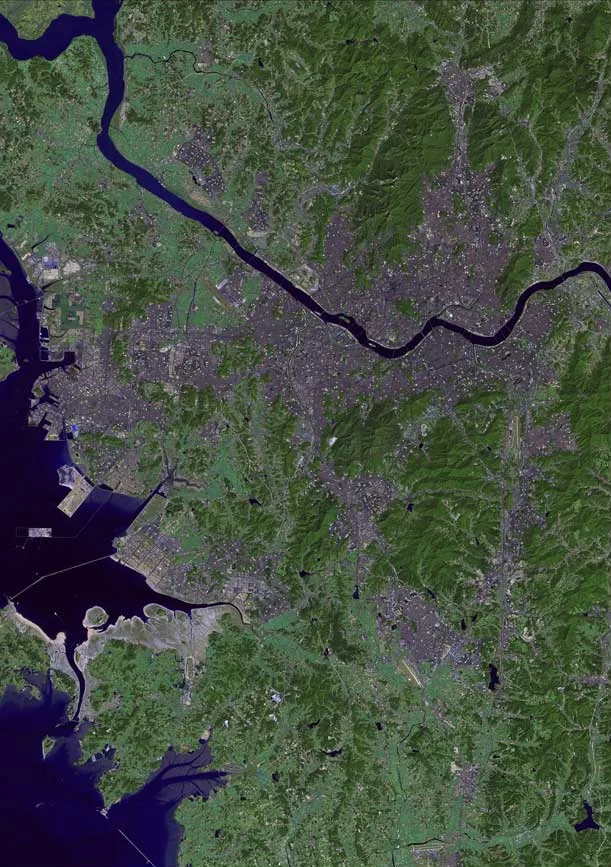
Plizio Visual Lab

Seodaemun Prison

Plizio editorial teamData Sources
historical-site
—°18
Seodaemun Prison (South Korea)

Weather…

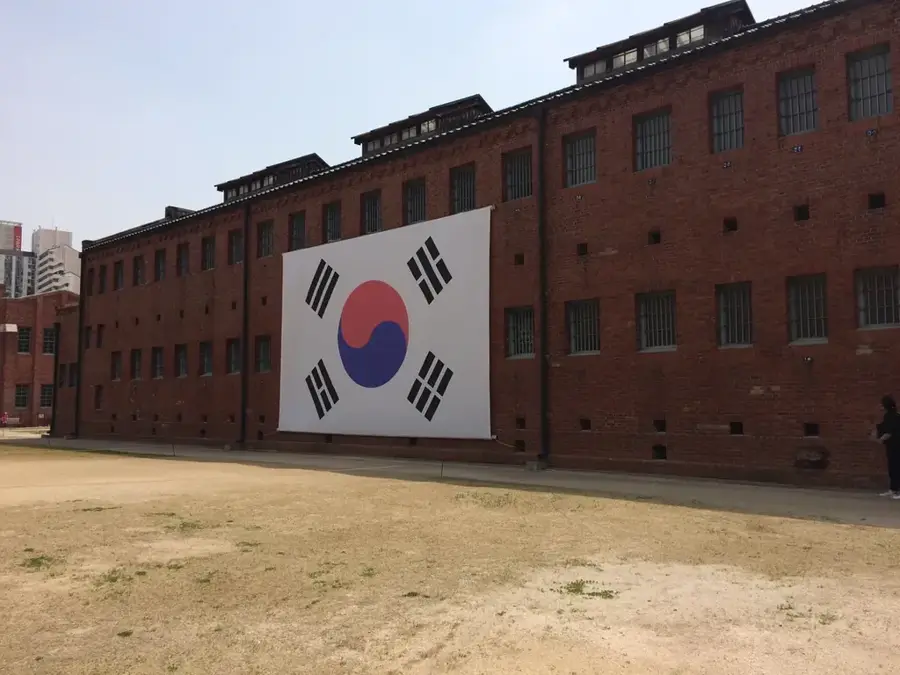
Seodaemun Prison in Seoul is a somber memorial dedicated to the hardships endured during the Japanese colonial period (1910-1945). Opened in 1908 as Gyeongseong Prison, it was primarily used by Japanese authorities to systematically imprison, torture, and execute Korean independence activists. The prison's red-brick architecture and fan-shaped cell wing layout were specifically designed to allow for constant and total surveillance of the inmates. Prominent resistance fighters, such as the young martyr Yu Gwan-sun, were held here and often lost their lives under brutal conditions. Following Korea's liberation, the prison continued to operate as a detention facility for political prisoners under various administrations until 1987, before being reopened as a history museum in 1992. Today, visitors can explore the cramped cells, torture chambers, and execution grounds, gaining a profound insight into the suffering and the indomitable spirit of the Korean independence movement. The site serves as a vital educational center, highlighting the values of freedom and human rights for future generations.

Best time to visit & climate

The most pleasant time to visit is May, Jun, Sep.

JanFebMarAprMayJunJulAugSepOctNovDec
Avg °C-3-14101621242520147-1
Rain mm2031377284116361260138534722

📋 Practical info

🚪
Visiting
Seodaemun Prison is now a museum documenting the Japanese colonial period and Korea's independence struggle. It is open to the public - both indoor and outdoor areas are accessible.
🕒
Typical hours
The museum typically opens from 9:30 AM to 6:00 PM, with last entry at 5:00 PM. It may be closed on Mondays and certain holidays - check the official website before your visit.
📷
Photography
Photography is allowed in most areas, but without flash in some sensitive rooms. The execution site and certain cells may have photography restrictions - watch for signs.
⏱️
Time needed
Allow about one and a half to two hours to thoroughly explore the exhibitions. The audio guides and information panels are very informative, which can extend your time.
Combine with
Combine the visit with the nearby Seodaemun Independence Park, which also features monuments. Gyeongbokgung Palace and downtown Seoul are also easily reachable by subway.
🧭
Getting there
Seodaemun Prison is located near Dongnimmun subway station (Line 3), Exit 5. From there, it's only about a 5-minute walk. Parking is limited, so public transport is recommended.
💡
Insider tip
Tip: Rent an audio guide to hear the moving stories of the prisoners. Also visit the execution room - it is a very impactful part of the exhibition.

Geography

Coordinates
37.57400, 126.95600

Facts

  • The prison was opened on October 21, 1908, by the Japanese colonial government.
  • Originally built for 500 inmates, it often held over 3,000 prisoners simultaneously.
  • Independence activist Yu Gwan-sun died here in 1920 due to brutal torture.
  • After 1945, it continued to function as a political prison until its closure in 1987.
  • A secret tunnel was used to covertly remove the bodies of those executed on-site.
  • The facility was reopened as the Seodaemun Independence Park Museum in 1992.

Explore nearby

Notable places around

Route planner — Car & Motorhome

Where do you start? We build the route here, with stops and country notes along the way.

Vehicle
Only stops with (optional):

© OpenStreetMap contributors · OpenRouteService

Sights in the town Seodaemun Prison (18)

Seodaemun Prison History Hall🏛 museum

A somber former prison complex that commemorates Korean activists who fought for independence.

🕒 Tu-Su 09:00-18:00

Korean National Police Heritage Museum🏛 museum

A museum showcasing the history and development of Korea's law enforcement agencies.

🕒 Tu-Su 09:30-17:30

National Memorial of the Korean Provisional Government🏛 museum

A museum dedicated to the history of the government-in-exile during the Japanese colonial era.

Hongjimun Gate and Tanchungdaesong Fortress🛡️ fortress

A reconstructed historic city gate that connects the city walls with the fortress system.

Bukahyeondong Community Service Center🏺 historical

A local administrative building providing essential services to the surrounding neighborhood.

Seoul Korea Temple⛪ religious

A prominent temple of the LDS Church featuring distinctive modern religious architecture.

Hong Nanpa's House📍 landmark

The appealing red-brick former home of the pioneer of modern Korean classical music.

Yakhyeon Catholic Church📍 landmark

Korea's first modern brick church (1892), known for its elegant Gothic-style architecture.

Inwangsan (Mt.)🌿 nature

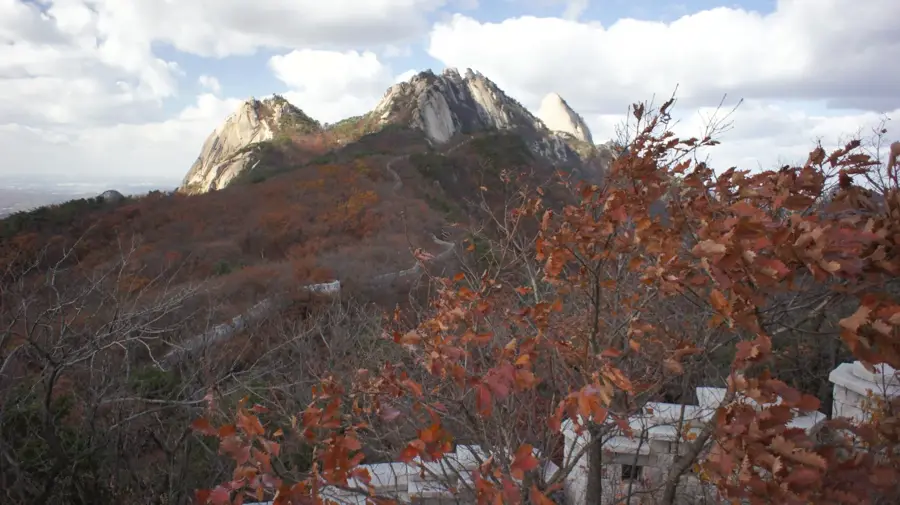
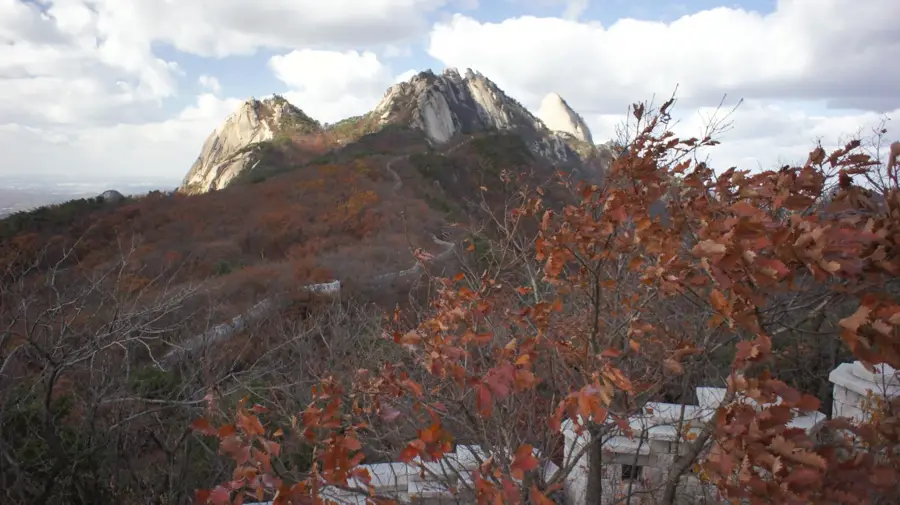
A granite peak known for its unusual rock formations and the path of the Seoul City Wall along its ridge.

Suseongdong Valley of Inwang Mountain🌳 park

A scenic valley on Inwangsan featuring the historic Soseokgyo stone bridge, immortalized in Joseon-era paintings.

Bongwonsa temple⛪ religious

Head temple of the Taego Order, famous for its elaborate wooden carvings and the Yeongsanje ritual.

Ansan Mountain🌿 nature

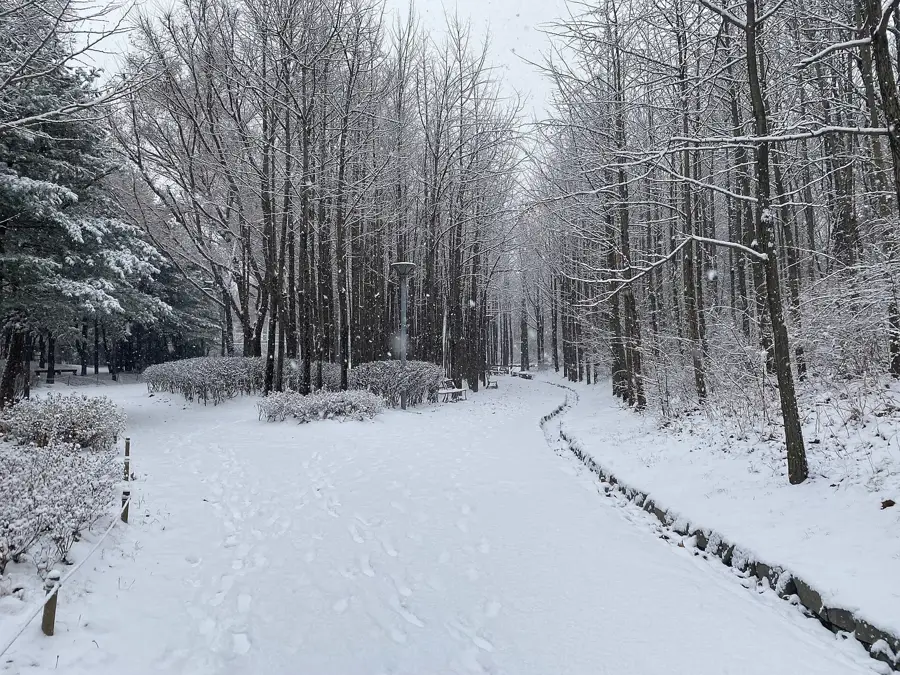
Wooded peak in Seoul featuring the barrier-free Jarak-gil wooden walkway and dense metasequoia groves.

Memorial Tower🏺 historical

A prominent memorial tower dedicated to the resistance spirit of the Korean independence movement.

Seodaemun Independence Park 3.1 Movement Tower🏺 historical

Monumental tower commemorating the nationwide protests of the March 1st Movement of 1919.

ECC🎭 culture

A spectacular underground campus building featuring a central, deeply recessed "valley" walkway design.

Samsung Hall🎭 culture

Modern performance hall within the Ewha Campus Complex (ECC), known for concerts and cultural performances.

Salvation Army Art Hall🎭 culture

A performing arts venue housed in the historic red-brick Salvation Army building.

Gusan Church⛪ religious

A local Christian church known for its modern architecture and active community service.

Sights nearby

Frequently asked questions

What was the function of Seodaemun Prison?
It was used to imprison Korean independence activists during the Japanese colonial period.
What can you see there today?
The site is a memorial hall featuring preserved prison cells, interrogation rooms, and a museum.
Is the site suitable for sensitive visitors?
Some exhibits on torture can be distressing; exercise caution when visiting with young children.
Where is the prison located?
It is located in Seodaemun Independence Park in Seoul, near Dongnimmun Subway Station.
When is the museum closed?
The museum is typically closed on Mondays, New Year's Day, and public holidays.
Seodaemun Prison: where is it located?
Seodaemun Prison is located in South Korea.
Seodaemun Prison: what is there to see?
Highlights include Seodaemun Prison History Hall, Korean National Police Heritage Museum, National Memorial of the Korean Provisional Government.
Seodaemun Prison: when is the best time to visit?
The most pleasant time to visit is May, Jun, Sep.
Seodaemun Prison: why is it worth visiting?
Seodaemun Prison in Seoul is a somber memorial dedicated to the hardships endured during the Japanese colonial period (1910-1945).
View on map → The Top 50 Attractions → OpenStreetMap →
Asia
Explore with Plizio Discover more places in Asia
More places in South Korea →

History & landmarks

More places