Plizio Visual Lab

Gwanghwamun Gate
Plizio editorial teamData Sources
monument
—°17
Gwanghwamun Gate (South Korea)

Weather…

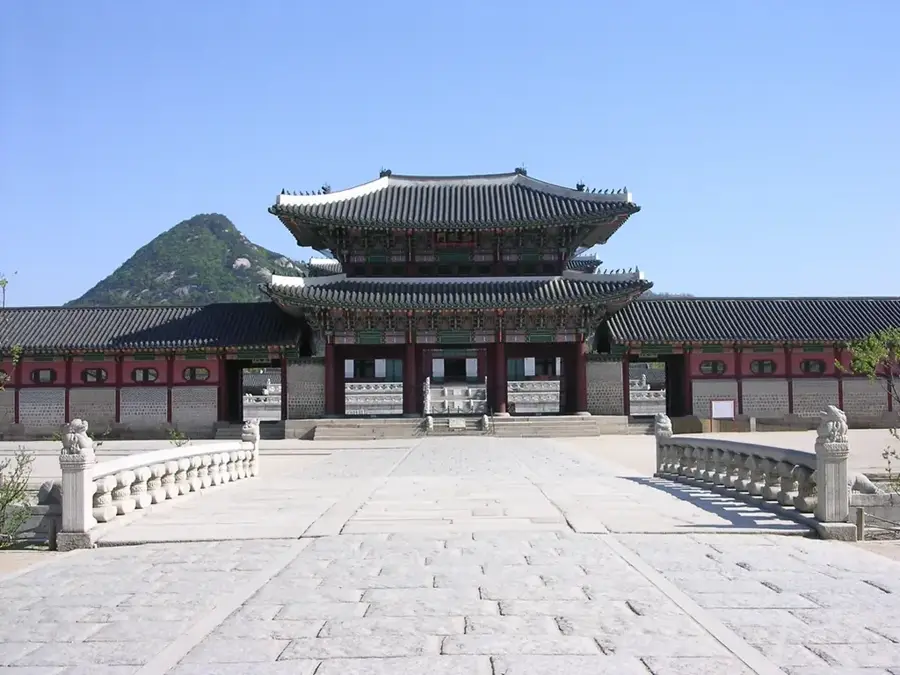
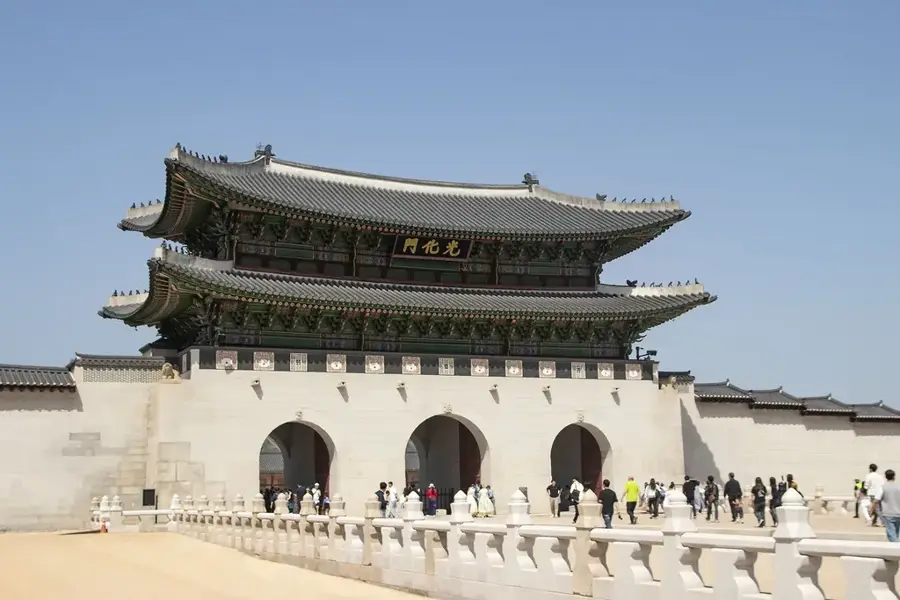
Gwanghwamun Gate is the main and largest gate of Gyeongbokgung Palace, the primary royal residence of the Joseon Dynasty in central Seoul. Originally constructed in 1395, it serves as a powerful symbol of the nation's spirit and historical continuity. The gate is characterized by its three arched entrances and a double-roofed pavilion, with the central arch historically reserved for the king's use. Over the centuries, the gate has faced multiple destructions, most notably during the 16th-century Japanese invasions and the 20th-century Japanese colonial occupation. Following an extensive four-year restoration project, it was reopened in 2010 at its original location, with great care taken to use traditional materials and authentic construction methods. Today, it stands as the centerpiece of Gwanghwamun Square, a major site for political gatherings and cultural events. It is among South Korea's most iconic landmarks, reflecting the turbulent history and enduring heritage of the capital.

Best time to visit & climate

The most pleasant time to visit is May, Jun, Sep.

JanFebMarAprMayJunJulAugSepOctNovDec
Avg °C-3-14101621242520147-1
Rain mm2031377284116361260138534722

📋 Practical info

🚪
Visiting
Gwanghwamun Gate is the main gate of Gyeongbokgung Palace in Seoul and can be viewed from outside at any time. The interior of the gate is accessible during palace hours when not in use for ceremonies.
🕒
Typical hours
The palace is usually open from 9:00 to 17:00 or later, last entry about one hour before closing. The changing of the guard ceremony at the gate takes place multiple times daily, exact times on the palace website.
📷
Photography
Photography is allowed anytime from outside; inside the gate and palace, usual no-flash rules apply. The changing of the guard provides excellent photo opportunities; position yourself early for a good spot.
⏱️
Time needed
A visit to the gate itself takes about 15-30 minutes, including watching the guard change. For the entire palace complex, allow at least 1.5-2 hours.
Combine with
Combine the gate with Gyeongbokgung Palace, the National Folk Museum, and Bukchon Hanok Village, all within walking distance. The whole area is a historic center with many sights.
🧭
Getting there
The gate is in central Seoul, easily reachable by subway (Gwanghwamun station, line 5) or bus. It is just a few minutes' walk from the station to the gate.
💡
Insider tip
Visit the gate at the top of the hour to see the colorful changing of the guard ceremony. Rent a traditional hanbok costume nearby to get free entry to the palace.

Geography

Coordinates
37.57600, 126.97690

Facts

  • The gate was originally built in 1395 during the reign of King Taejo.
  • The current authentic restoration was officially unveiled on August 15, 2010.
  • Two mythical 'Haetae' stone statues stand guard in front of the gate.
  • The gate features three arches, with the center one highest for the King.
  • The 2010 restoration cost approximately 28 billion Korean Won.
  • Gwanghwamun literally translates to 'Gate where light shines through'.

Explore nearby

Notable places around

Route planner — Car & Motorhome

Where do you start? We build the route here, with stops and country notes along the way.

Vehicle
Only stops with (optional):

© OpenStreetMap contributors · OpenRouteService

Sights in the town Gwanghwamun Gate (17)

Mokin Museum🏛 museum

This specialized museum displays a vast collection of traditional Korean wooden sculptures and figurines.

Museum Kimchikan🏛 museum

This interactive museum is dedicated to the history and many varieties of kimchi, Korea's staple dish.

🕒 Tu-Su 10:00-18:00💶

National Palace Museum of Korea🏛 museum

Located in Gyeongbokgung Palace, this museum houses royal relics and treasures from the Joseon Dynasty.

Deoksugung Palace🏰 castle

This palace is unique for its blend of traditional architecture and Western-style stone buildings like Seokjojeon.

Jungmyeongjeon Hall🏰 castle

This Russian-designed hall served as an imperial library and was the site of the 1905 Eulsa Treaty.

Hong Jong Moon's Residence in Chaebu-dong🏺 historical

This traditional hanok residence in Chaebu-dong showcases the refined domestic architecture of early 20th-century Seoul.

Sundial(Angbu Ilgu)🏺 historical

This bronze hemispherical sundial was a significant scientific achievement of the 15th-century Joseon Dynasty.

West Big Gate🛡️ fortress

Also known as Donuimun, this site marks where the historic western gate of Seoul's city wall once stood.

Seoul City Hall🏺 historical

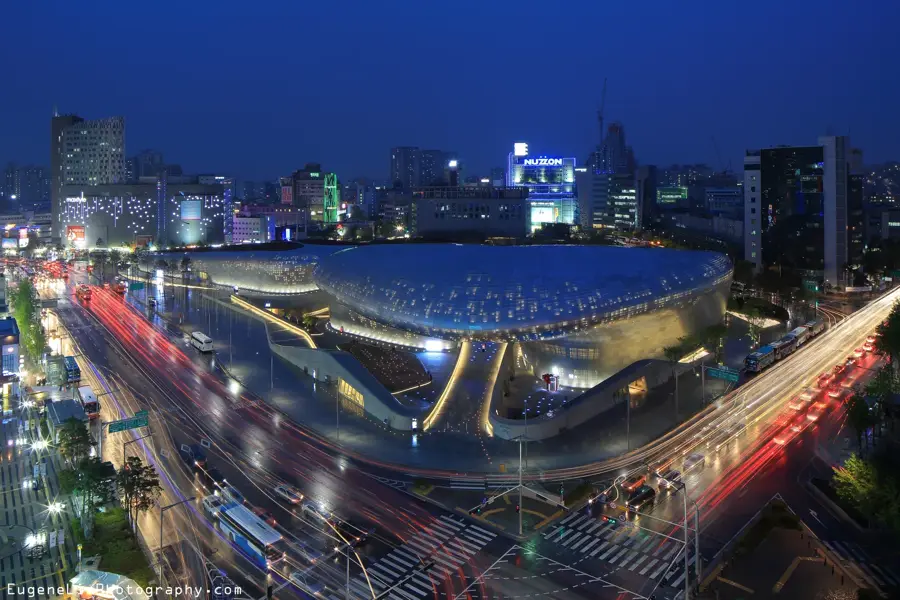
Completed in 2012, this modern administrative building features a striking wave-inspired glass facade.

Gwanghwamun Gate🛡️ fortress

This grand main gate of Gyeongbokgung Palace features three arched entrances and a two-story pavilion.

Sajikdan Altar⛪ religious

This historic altar was built for Korean kings to perform sacrifices to the deities of earth and grain.

Sejong Center🎭 culture

This premier arts complex features traditional Korean motifs in its architecture and hosts world-class performances.

Jogyesa Temple⛪ religious

As the heart of Jogye Buddhism in Seoul, this temple is famous for its 500-year-old lacebark pine tree.

Hwangudan📍 landmark

This circular altar was built in 1897 for the Emperor to perform the ritual of sacrifice to Heaven.

Gyeonghuigung (Palace)📍 landmark

Once an auxiliary palace for Joseon kings, this site now features restored pavilions and serene wooded paths.

Art center nabi🎭 culture

This innovative media art center explores the intersection of digital technology and creative artistic expression.

Seoul Plaza🌳 park

This large oval lawn in front of City Hall serves as a central hub for festivals and winter ice skating.

Sights nearby

Frequently asked questions

When does the changing of the guard take place?
The ceremony takes place daily at 10:00 AM and 2:00 PM (except Tuesdays).
Is there a fee for Gwanghwamun Gate?
The gate itself is free to access, but a fee is required for the Gyeongbokgung Palace behind it.
What is the best way to get there?
Take subway Line 3 to Gyeongbokgung Station (Exit 5).
Are you allowed to take photos of the guards?
Yes, photos with the ceremonial guards are allowed as long as you do not disturb their formation.
Is the gate illuminated at night?
Yes, the gate is beautifully lit up and is a popular spot for night photography.
Gwanghwamun Gate: where is it located?
Gwanghwamun Gate is located in South Korea.
Gwanghwamun Gate: what is there to see?
Highlights include Mokin Museum, Museum Kimchikan, National Palace Museum of Korea.
Gwanghwamun Gate: when is the best time to visit?
The most pleasant time to visit is May, Jun, Sep.
Gwanghwamun Gate: why is it worth visiting?

Gwanghwamun Gate is the main and largest gate of Gyeongbokgung Palace, the primary royal residence of the Joseon Dynasty in central Seoul.
View on map → The Top 50 Attractions → OpenStreetMap →
Asia
Explore with Plizio Discover more places in Asia
More places in South Korea →

History & landmarks

More places