Plizio Visual Lab

Bukhansan National Park
Plizio editorial teamData Sources
national-park
—°12
Bukhansan National Park (South Korea)

Weather…

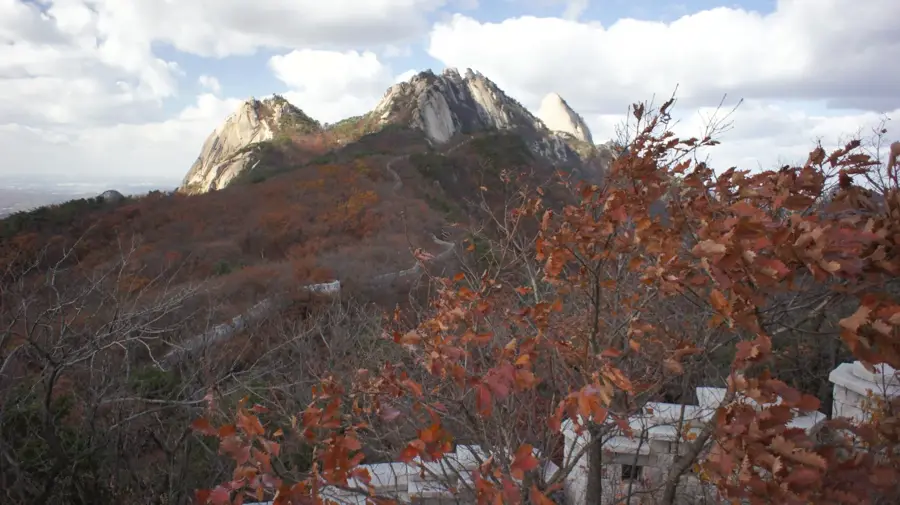
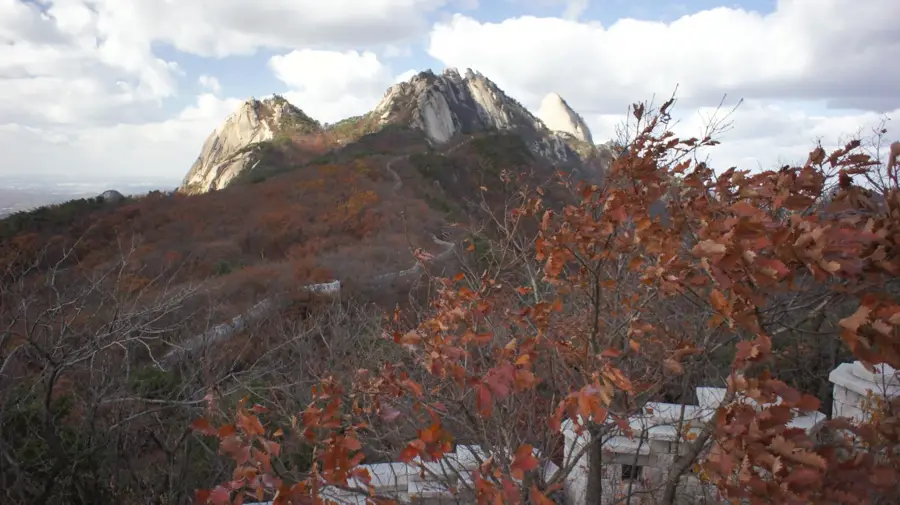
Bukhansan National Park, located in the northern part of Seoul, is uniquely recognized by the Guinness World Records as the most visited national park per unit area. Established in 1983, the park covers 78.5 square kilometers and is famous for its jagged granite peaks, with Baegundae (836.5 meters) being the highest summit. It is home to over 1,300 species of plants and animals, providing a rich biodiversity within a metropolitan environment. The park features an extensive network of hiking trails that lead to historical sites, most notably the Bukhansanseong Fortress, which has walls stretching over 12 kilometers. Because of its proximity to the city center, it acts as the 'lungs of Seoul,' offering residents a necessary escape into nature. The park also houses numerous ancient Buddhist temples and cultural relics, blending natural beauty with spiritual and historical significance.

Best time to visit & climate

The most pleasant time to visit is May, Jun, Sep.

JanFebMarAprMayJunJulAugSepOctNovDec
Avg °C-3-14101621242520147-1
Rain mm2031377284116361260138534722

📋 Practical info

🧭
Getting there
The park is easily accessible via the Seoul metropolitan subway system and local buses. Several popular trailheads begin right at the edge of the sprawling urban area.
📅
Best season
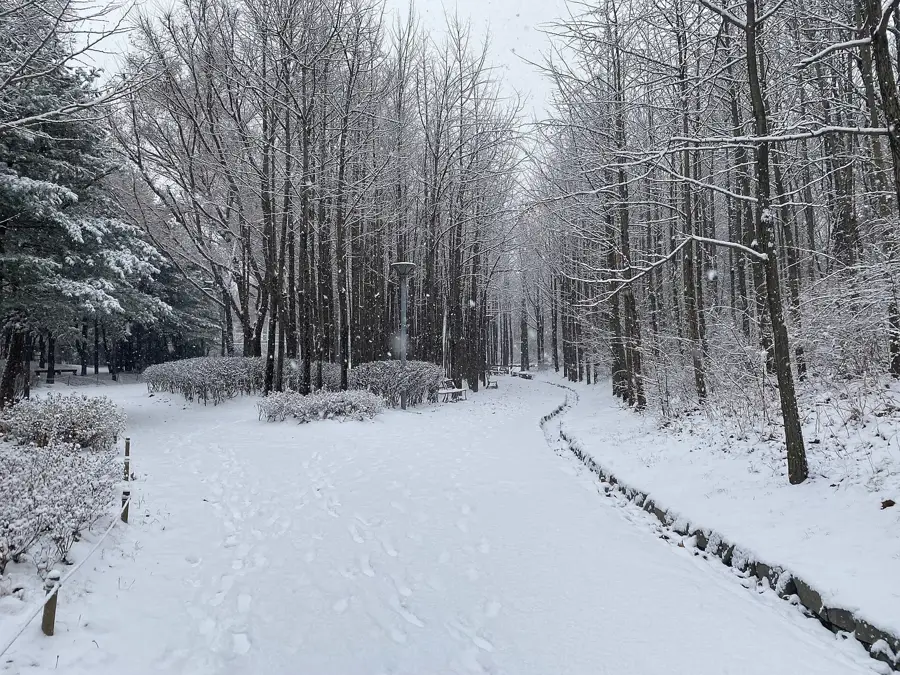
Spring features pleasant weather and blooming flowers, while autumn provides spectacular foliage. Summers are generally hot and humid, and winters bring freezing temperatures.
⛰️
Terrain & paths
The landscape features steep granite peaks, rocky paths, and substantial elevation gains. Many routes involve climbing stairs and require a moderate to high level of fitness.
🎒
What to bring
Sturdy hiking boots with excellent grip are highly recommended for the rocky sections. Bring plenty of drinking water, layered clothing, and trekking poles for stability.
🅿️
Parking
Utilizing public transportation is strongly advised as parking near the main entrances is extremely limited. The few available lots fill up very quickly, especially on weekends.
⚠️
Safety
Always remain on marked paths to avoid dangerous drop-offs and getting lost. Exercise extreme caution on smooth granite surfaces, which become very slippery during or after rainfall.
⏱️
Time needed
A visit usually lasts a half-day if you only hike to lower viewpoints or temples. Attempting to summit the highest peaks will typically require a full day of strenuous effort.

Geography

Coordinates
37.65940, 126.97920

Facts

  • Designated as a national park in 1983.
  • Baegundae is the highest peak at 836.5 meters.
  • Holds the Guinness World Record for visitors per unit area.
  • The Bukhansanseong Fortress wall is 12.7 km long.
  • Contains over 1,300 species of flora and fauna.
  • Home to more than 100 Buddhist temples and hermitages.

Explore nearby

Notable places around
Route planner — Car & Motorhome

Where do you start? We build the route here, with stops and country notes along the way.

Vehicle
Only stops with (optional):

© OpenStreetMap contributors · OpenRouteService

Sights in the town Bukhansan National Park (12)

Onggi Folk Museum🏛 museum

Museum housing a collection of traditional Korean glazed earthenware jars used for fermentation.

Sapaesan🌿 nature

Granite peak in Bukhansan National Park known for its broad, flat summit and panoramic city views.

Insu Peak🌿 nature

This prominent granite peak in Bukhansan National Park is a world-famous destination for rock climbers.

Cheongam Folk Museum🏛 museum

This museum displays an extensive collection of traditional Korean folk art and everyday artifacts.

Bakeulbokjasu Museum🏛 museum

A specialized museum dedicated to the fine art of traditional Korean embroidery.

Yeong Gallery🎭 culture

A lively arts center promoting local talent through rotating exhibitions of modern art.

Mokam Art Museum🎭 culture

This center blends nature and creativity with exhibitions of contemporary sculptures.

Total Outdoor Art Museum🎭 culture

A unique open-air museum where modern sculptures are integrated into the natural forest landscape.

Madang Rock📍 landmark

A massive, flat granite rock providing hikers with a wide panoramic view of the national park's peaks.

[Seoul Trail] Stamp Deck📍 landmark

A marked point on the Seoul Trail where hikers can collect stamps as a souvenir of their journey.

Yongdeoksa Temple📍 landmark

A peaceful Buddhist temple tucked away into the forested slopes of Bukhansan.

Observatory🌿 nature

An observatory point providing a sweeping view over the park's dense forests and distant peaks.

Sights nearby

Frequently asked questions

What kind of flora can I expect in Bukhansan?
The park is home to over 1,300 plant species, including dense oak and pine forests and rare mountain flowers.
Are the trails suitable for beginners?
There are easy valley strolls as well as very challenging rock climbs for experienced hikers.
Is swimming allowed in the mountain streams?
Swimming is mostly prohibited to protect the water quality and the park's ecosystem.
When is the best time for autumn foliage?
The peak of the autumn colors is usually in late October, attracting thousands of visitors.
What protected bird species live here?
Black woodpeckers and various birds of prey can be spotted nesting in the undisturbed forest areas.
Bukhansan National Park: where is it located?
Bukhansan National Park is located in South Korea.
Bukhansan National Park: what is there to see?
Highlights include Onggi Folk Museum, Sapaesan, Insu Peak.
Bukhansan National Park: when is the best time to visit?
The most pleasant time to visit is May, Jun, Sep.
Bukhansan National Park: why is it worth visiting?

Bukhansan National Park, located in the northern part of Seoul, is uniquely recognized by the Guinness World Records as the most visited national park per unit area.
View on map → The Top 50 Attractions → OpenStreetMap →
Asia
Explore with Plizio Discover more places in Asia
More places in South Korea →

History & landmarks

More places