Plizio Visual Lab

Santa Isabel Landing Site
Plizio editorial teamData Sources
battlefield
—°
Santa Isabel Landing Site (Solomon Islands)

Weather…

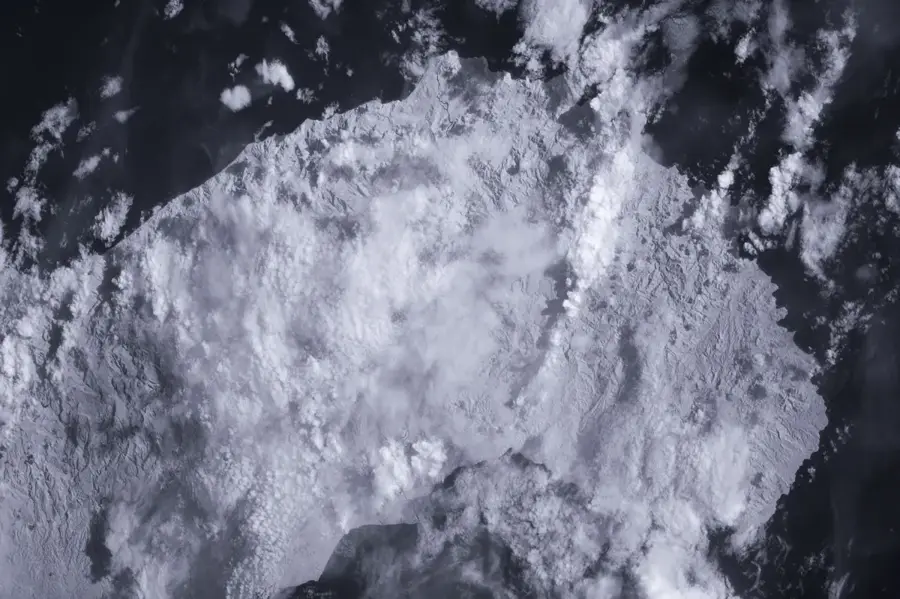
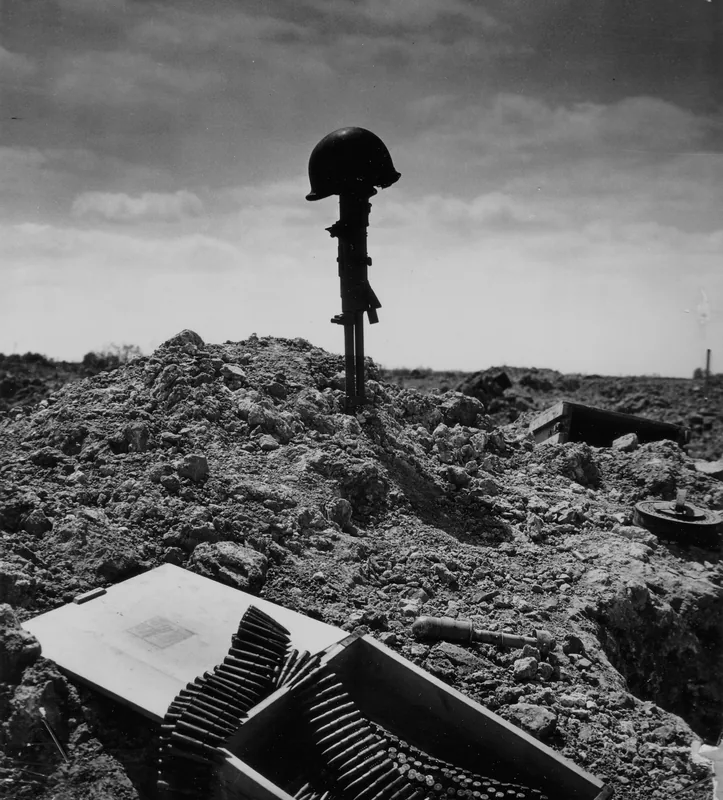
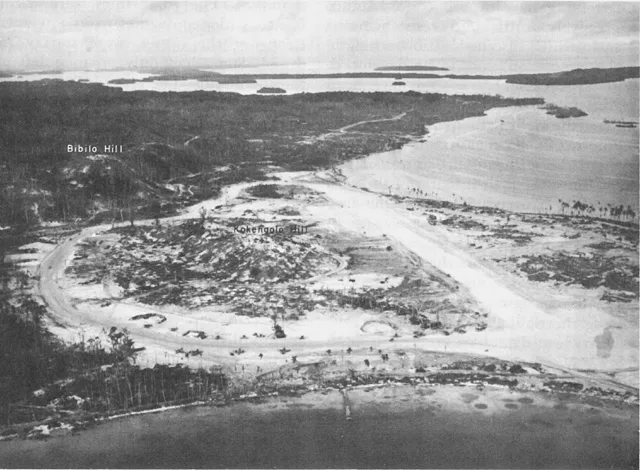
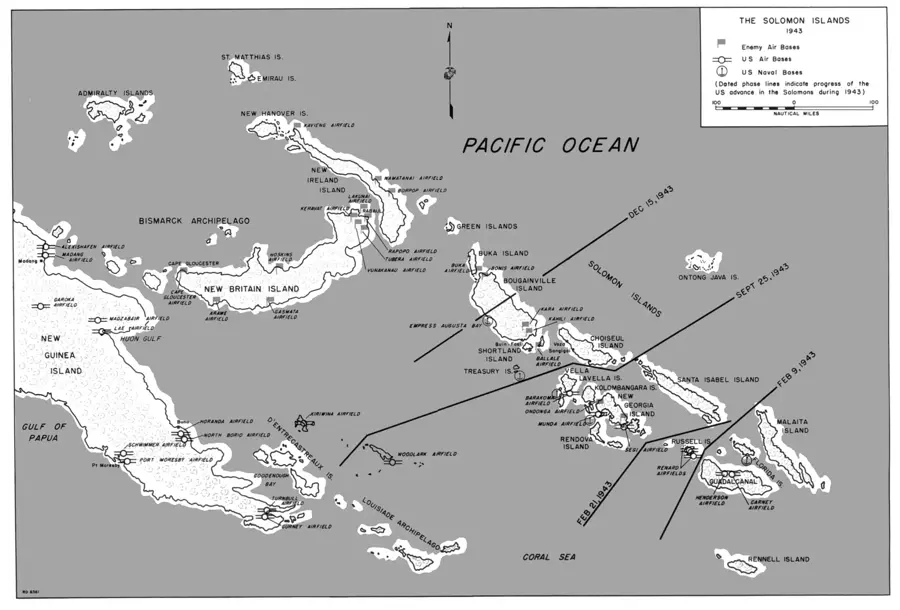
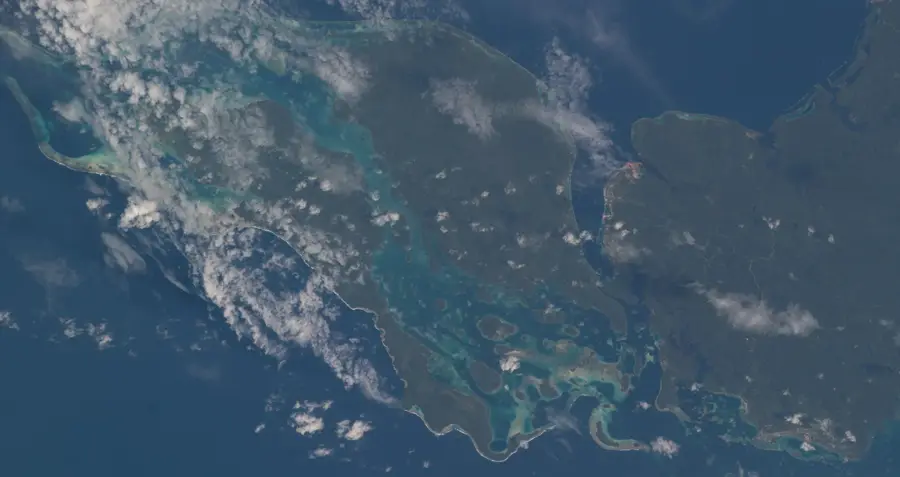
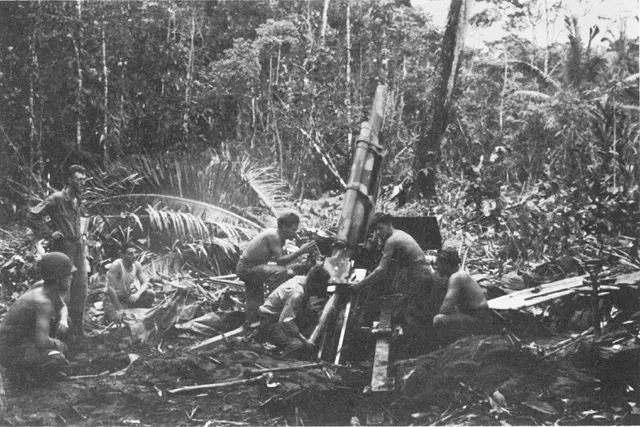
The landing site on Santa Isabel Island is a key historical location that played a strategic role during the Solomon Islands campaign of World War II. Positioned between the Japanese strongholds in the north and the critical battlefield of Guadalcanal to the south, Santa Isabel was used extensively by Japanese forces as a staging area for barge traffic. These barges moved troops and supplies under the cover of night to avoid Allied air superiority. Allied Coastwatchers on the island provided crucial intelligence on these movements, leading to frequent and devastating air strikes on Japanese hideouts in the island's many bays. Small-scale landings by Allied reconnaissance teams and scouts were instrumental in disrupting Japanese logistics and providing support to local inhabitants. While often overshadowed by larger battles, the military activities on Santa Isabel were vital in eroding the Japanese capability to sustain their frontline forces. Today, the island is known for its ecological richness, with its wartime landing sites serving as quiet monuments to the strategic maneuvers of the Pacific War.

Best time to visit & climate

The most pleasant time to visit is Apr, Oct, Nov.

JanFebMarAprMayJunJulAugSepOctNovDec
Avg °C282828282828282828282828
Rain mm291308301229237266295255234226215226

📋 Practical info

🚪
Visiting
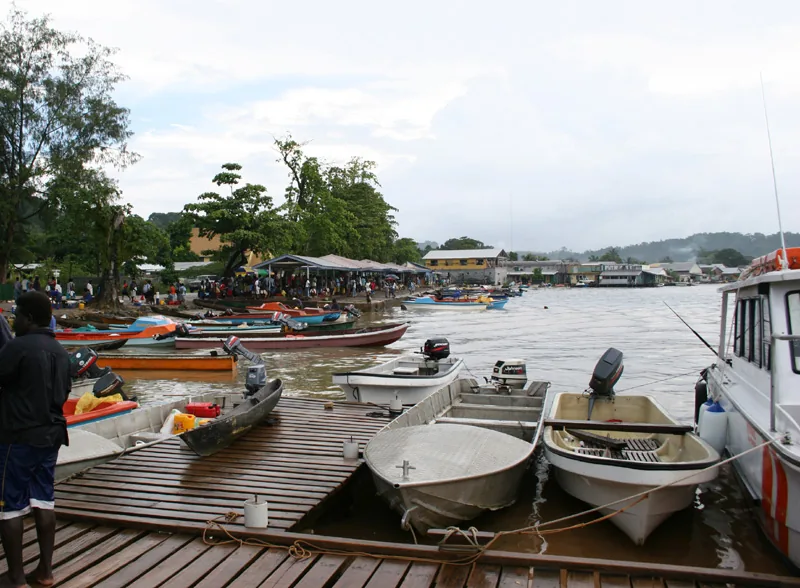
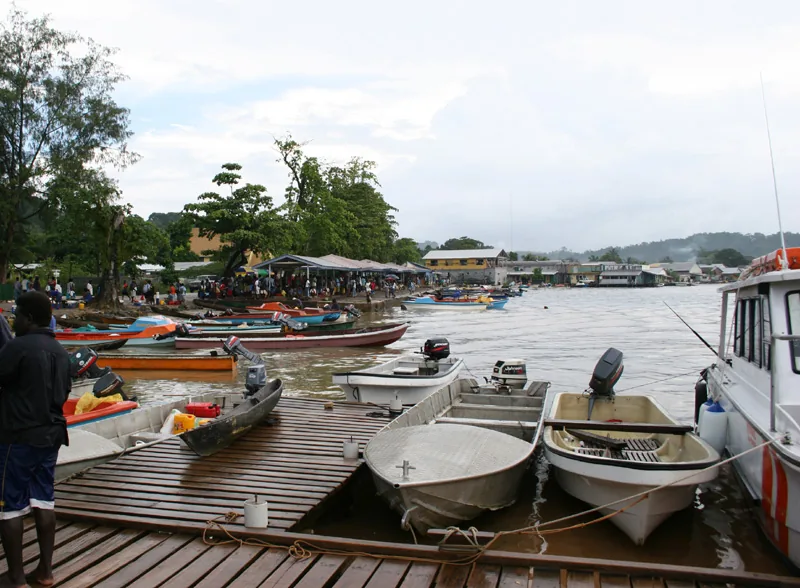
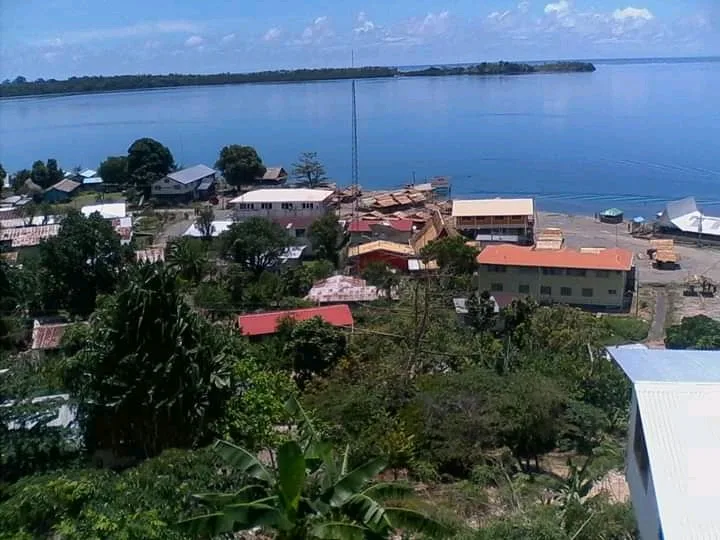
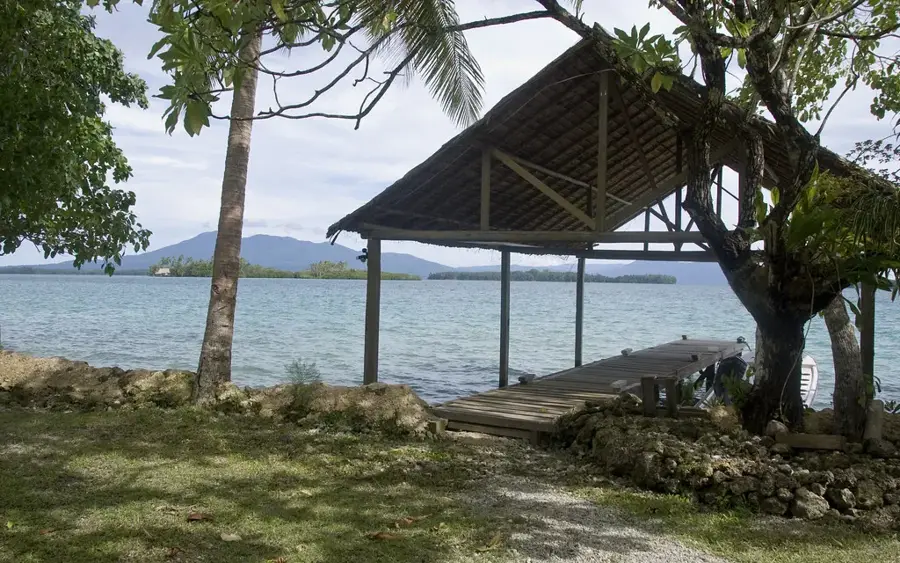
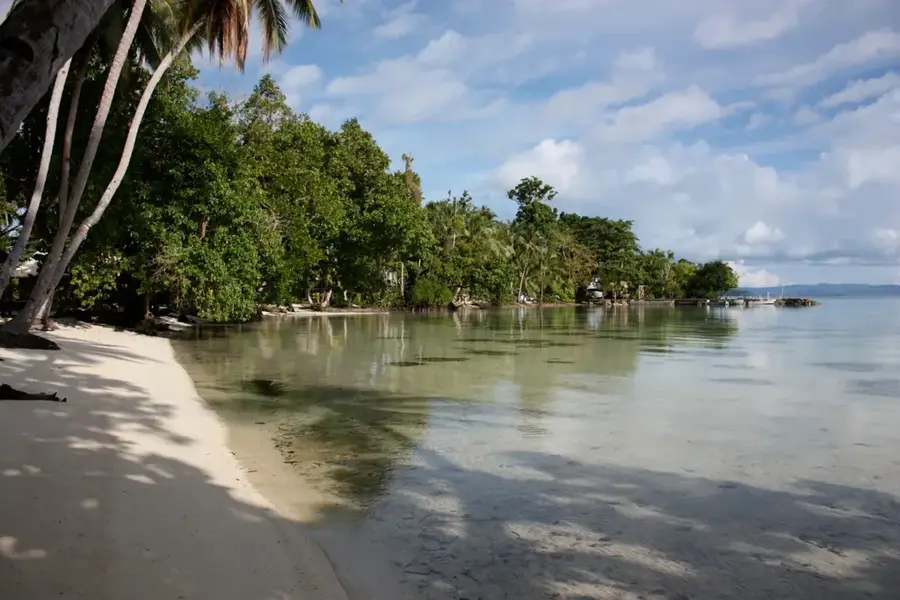
The various historical landing sites scattered along the pristine coast of Santa Isabel are completely open for intrepid outdoor exploration and quiet reflection. Visitors can expect an entirely unstructured experience, walking along sandy beaches and dense jungle fringes where Japanese forces once maintained secretive forward operating bases.
🕒
Typical hours
These isolated coastal locations do not have defined operating hours, allowing unrestricted access from the seaside at any time of the day. However, navigating the intricate shorelines and coastal reefs should typically only be attempted during full daylight to ensure the safety of both the boat and its passengers.
📷
Photography
The photogenic tropical coastline provides a truly magnificent backdrop for photography, contrasting the natural beauty with a grim wartime history. Drone photography is particularly spectacular here for capturing the scale of the beaches, but standard cameras will easily capture the haunting beauty of the overgrown surroundings.
⏱️
Time needed
Spending approximately one to two hours per major landing area is usually sufficient to wander the beaches and explore the immediate jungle fringe. If you are conducting a specialized historical expedition to find specific radio station remnants, you should allocate a full day or more to thoroughly comb the area with local experts.
Combine with
Combining this exploration with eco-tourism activities across Santa Isabel island, such as bird watching or visiting traditional rural villages, is highly recommended. You might also want to tie this visit into a larger itinerary focusing on the broader Solomon Islands campaign, tracing the movements of the opposing naval and ground forces.
🧭
Getting there
Because roads on Santa Isabel are incredibly scarce, accessing these particular coastal spots is almost exclusively done by small, motorized outboard canoes or expedition vessels. Hiring transport directly from Buala, the provincial capital, is typically the most reliable way to secure a knowledgeable captain who understands the coastal topography.
💡
Insider tip
Before setting out, always ask permission from the local village chiefs who oversee these coastal territories, as customary land ownership is highly respected in the Solomon Islands. Paying a small, negotiated kastom fee to the landowners is standard practice and often results in them sharing invaluable oral histories about the wartime occupation.

Geography

Coordinates
-7.60000, 158.50000

Facts

  • Santa Isabel is the longest island in the Solomon Islands chain.
  • A major Japanese seaplane base was established at Rekata Bay on the northern coast.
  • Allied Coastwatchers provided information that led to frequent SBD Dauntless strikes on Rekata.
  • The island was a primary hub for the Japanese night-time barge supply network.
  • Native scouts played a decisive role in identifying Japanese coastal positions.
  • Most Japanese forces evacuated their main positions on the island by late 1943.

Explore nearby

Notable places around

Route planner — Car & Motorhome

Where do you start? We build the route here, with stops and country notes along the way.

Vehicle
Only stops with (optional):

© OpenStreetMap contributors · OpenRouteService

Sights nearby

Frequently asked questions

What is there to see?
Historical landing site from WWII.
How long does it take?
Short stop, about 30 minutes.
Is access free?
Yes, it is a historical site.
Do you need hiking boots?
Comfortable shoes are enough.
Is it family-friendly?
Yes, but little infrastructure.
Santa Isabel Landing Site: where is it located?
Santa Isabel Landing Site is located in Solomon Islands.
Santa Isabel Landing Site: when is the best time to visit?
The most pleasant time to visit is Apr, Oct, Nov.
Santa Isabel Landing Site: why is it worth visiting?
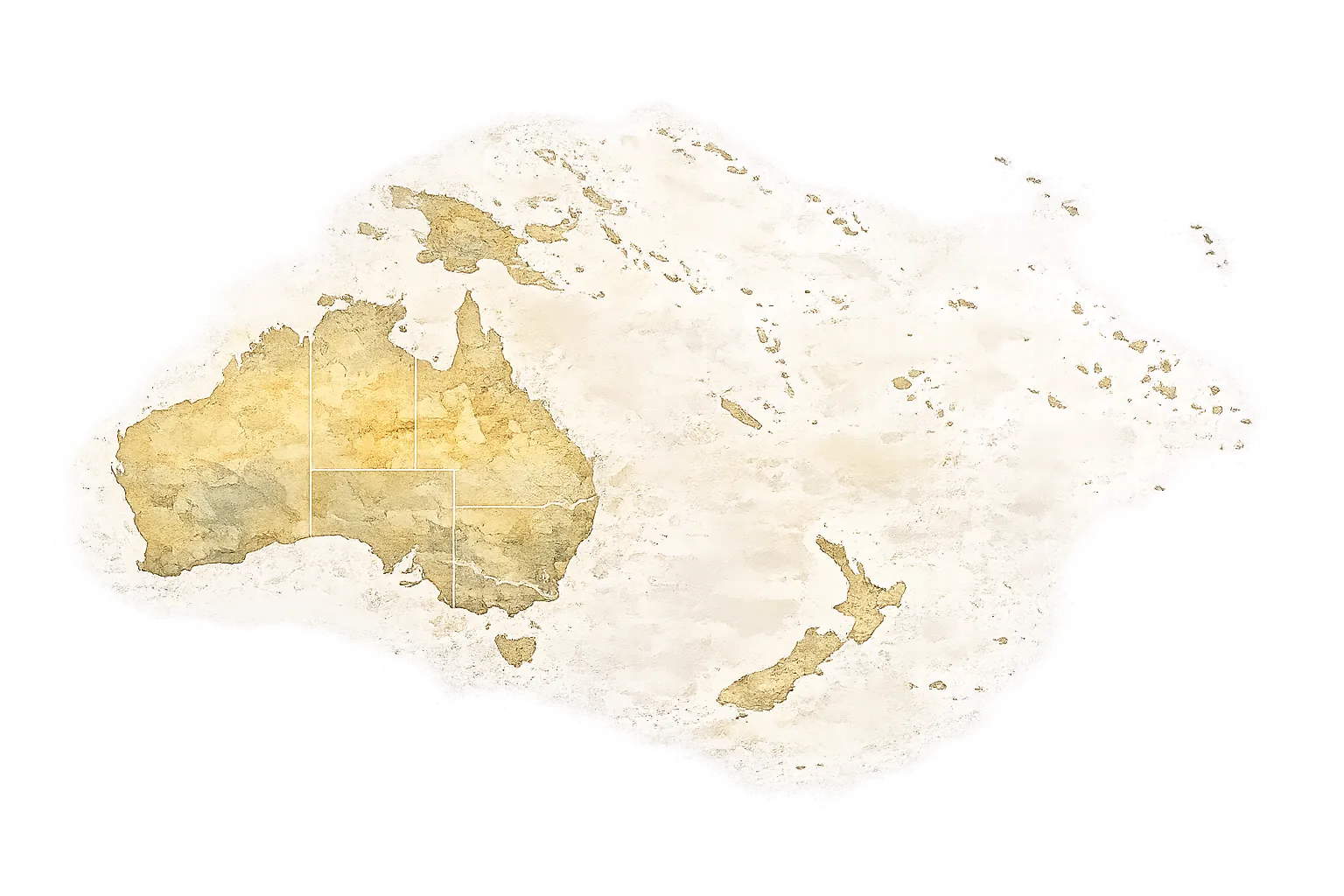
The landing site on Santa Isabel Island is a key historical location that played a strategic role during the Solomon Islands campaign of World War II.
View on map → The Top 50 Attractions → OpenStreetMap →
Oceania
Explore with Plizio Discover more places in Oceania
More places in Solomon Islands →

Nearby cities

History & landmarks
Nature
More places