Plizio Visual Lab
Maru

ℹ️Practical info — Maru
▾
🌤 Weather — 5 days
📍 Nearby
Sights nearby
💡 Tips
- Arrange boat transport from Gizo early in the morning for calmer seas.
- Ask locals about joining a traditional fishing excursion, the community's specialty.
- Bring sufficient cash from Gizo; there are no ATMs in Maru.
- Wear reef shoes when walking along the coast to protect against sharp corals.
- Always ask for permission before taking photos of local fishermen or their daily catch.
🍽 Food
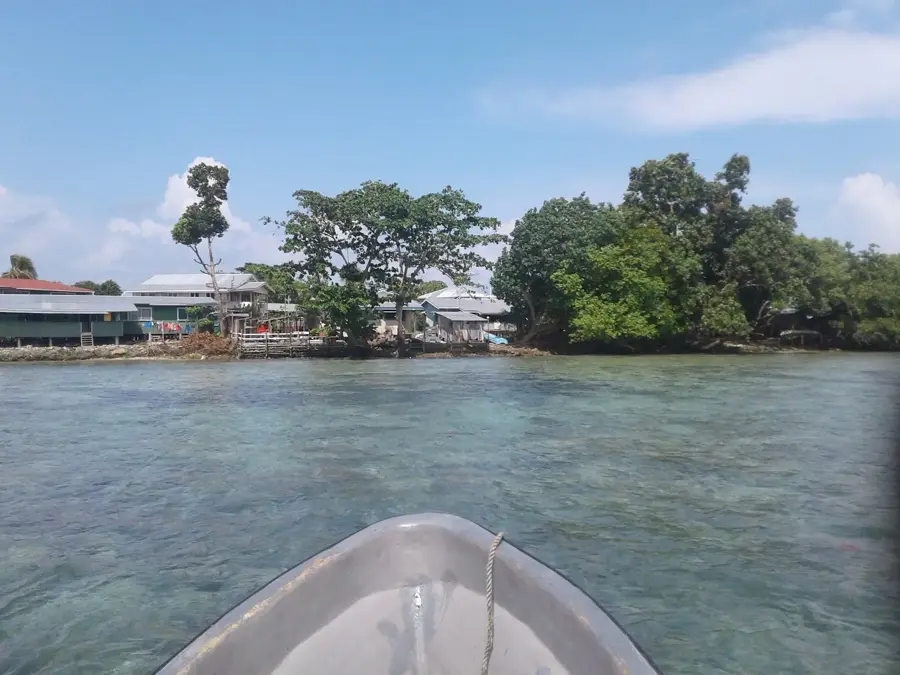
Enjoy locally caught fish, typically grilled over an open fire at village guesthouses.
Taro and cassava are the traditional staples complementing the seafood.
Ask a local for a freshly harvested drinking coconut.
🛍 Shopping · 🧘 Quiet spots
Buy fresh fish directly from the fishermen returning to the beach.
Look for small shell crafts and jewelry made by the villagers.
A tranquil spot to sit and watch the traditional wooden canoes come and go.
Take a peaceful stroll along the shoreline, especially beautiful at low tide.
Water temperature…
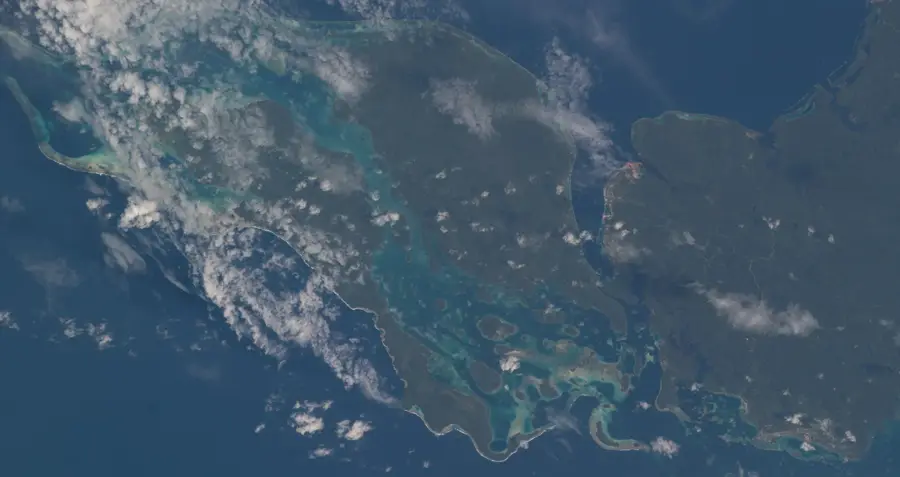
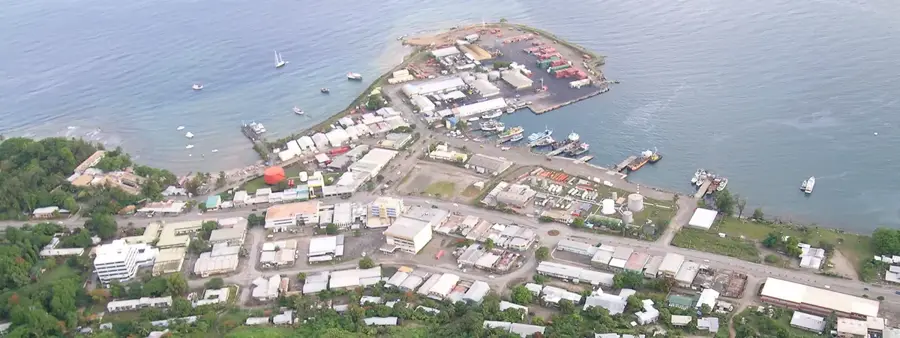
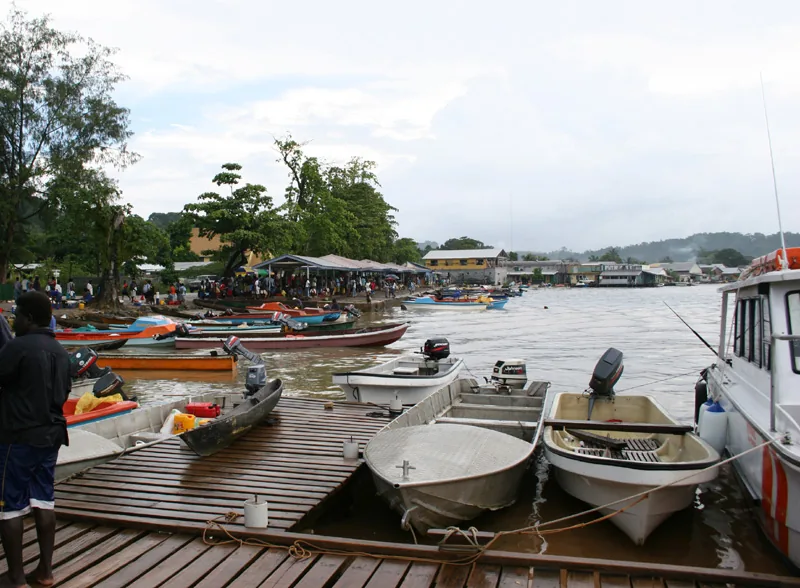
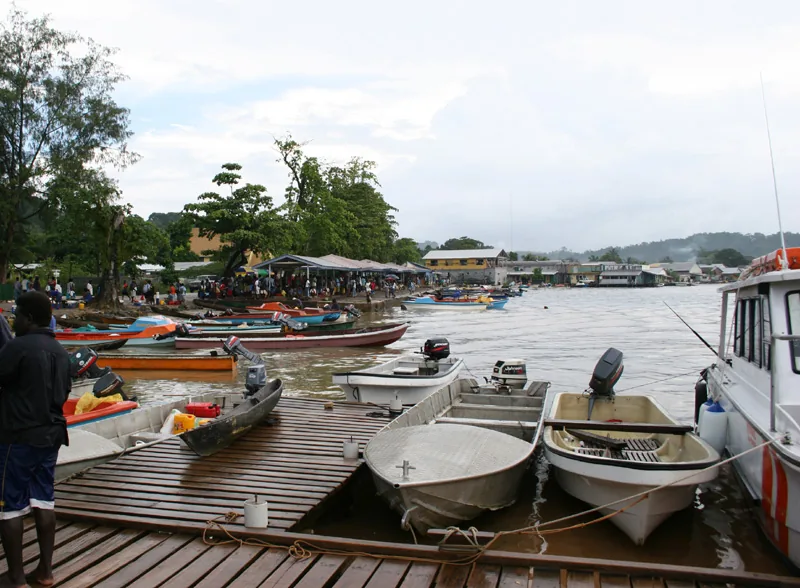
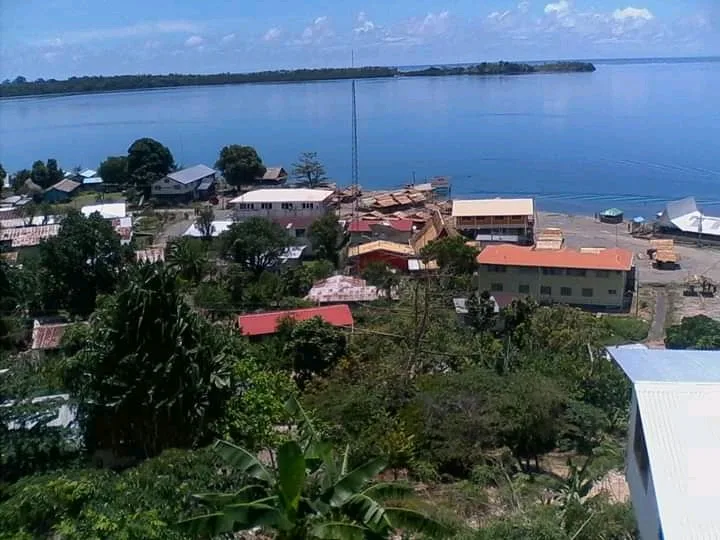
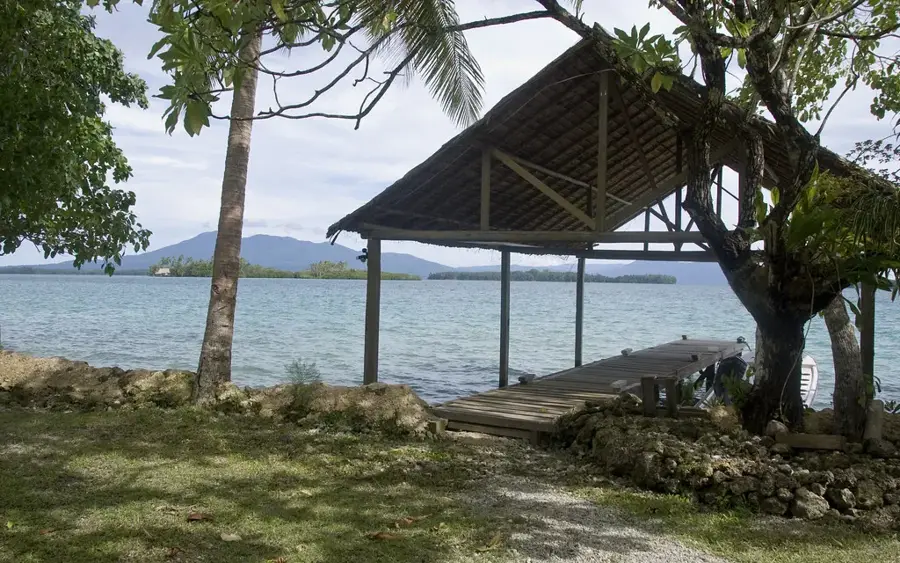
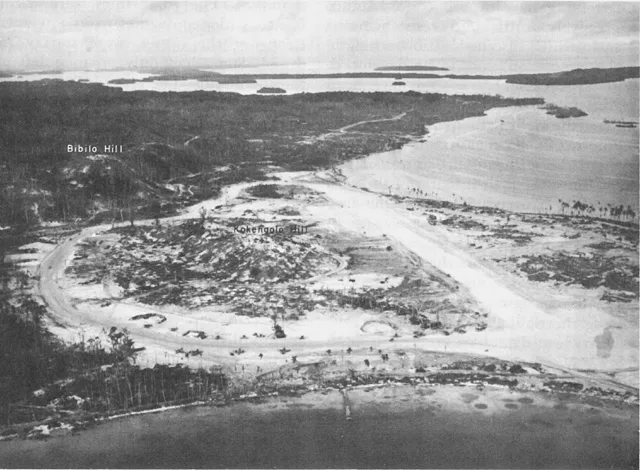
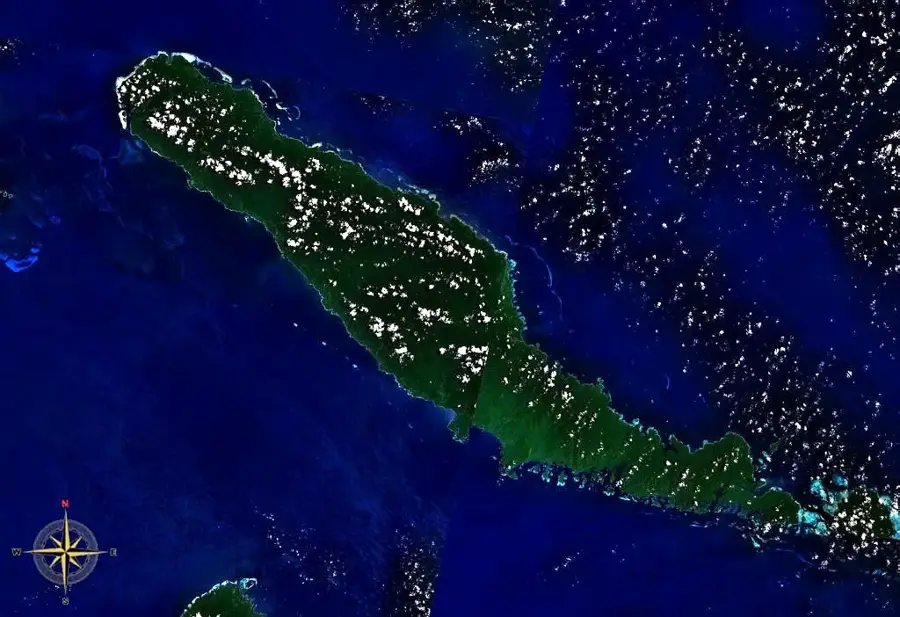
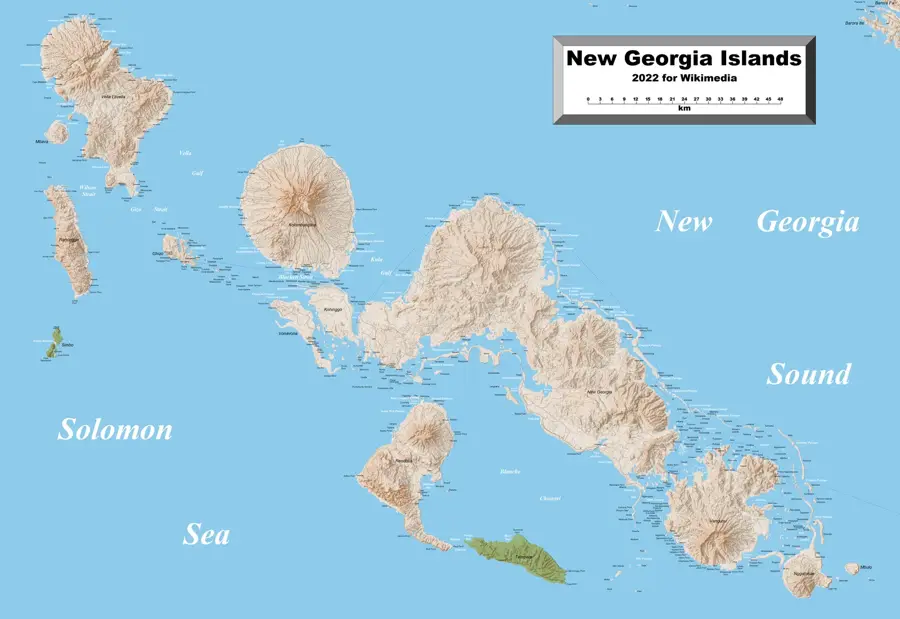
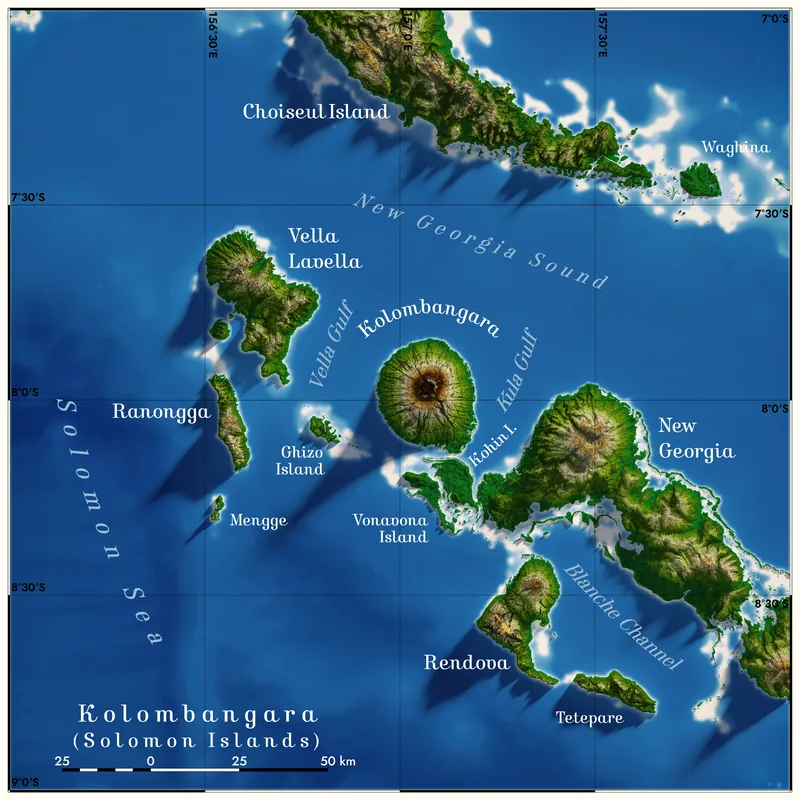
Maru is situated near the Marau Sound at the easternmost tip of Guadalcanal Island, serving as a gateway to one of the most biodiverse marine environments in the Solomon Islands. The area is defined by a complex network of coral reefs, islets, and deep lagoons that have provided sustenance for the local population for centuries. Historically, the Marau region was a vital contact point between different Melanesian cultures and later became a center for the trade of copra and other tropical commodities. The residents of Maru are noted for their traditional fishing techniques and their intimate relationship with the sea, which is mirrored in a wealthy maritime folklore. In recent years, the region has emerged as a destination for ecotourism, with small-scale resorts and diving operations utilizing the pristine underwater world. The geographic isolation of Maru has helped preserve traditional customs and local languages despite the encroaching influences of globalization.
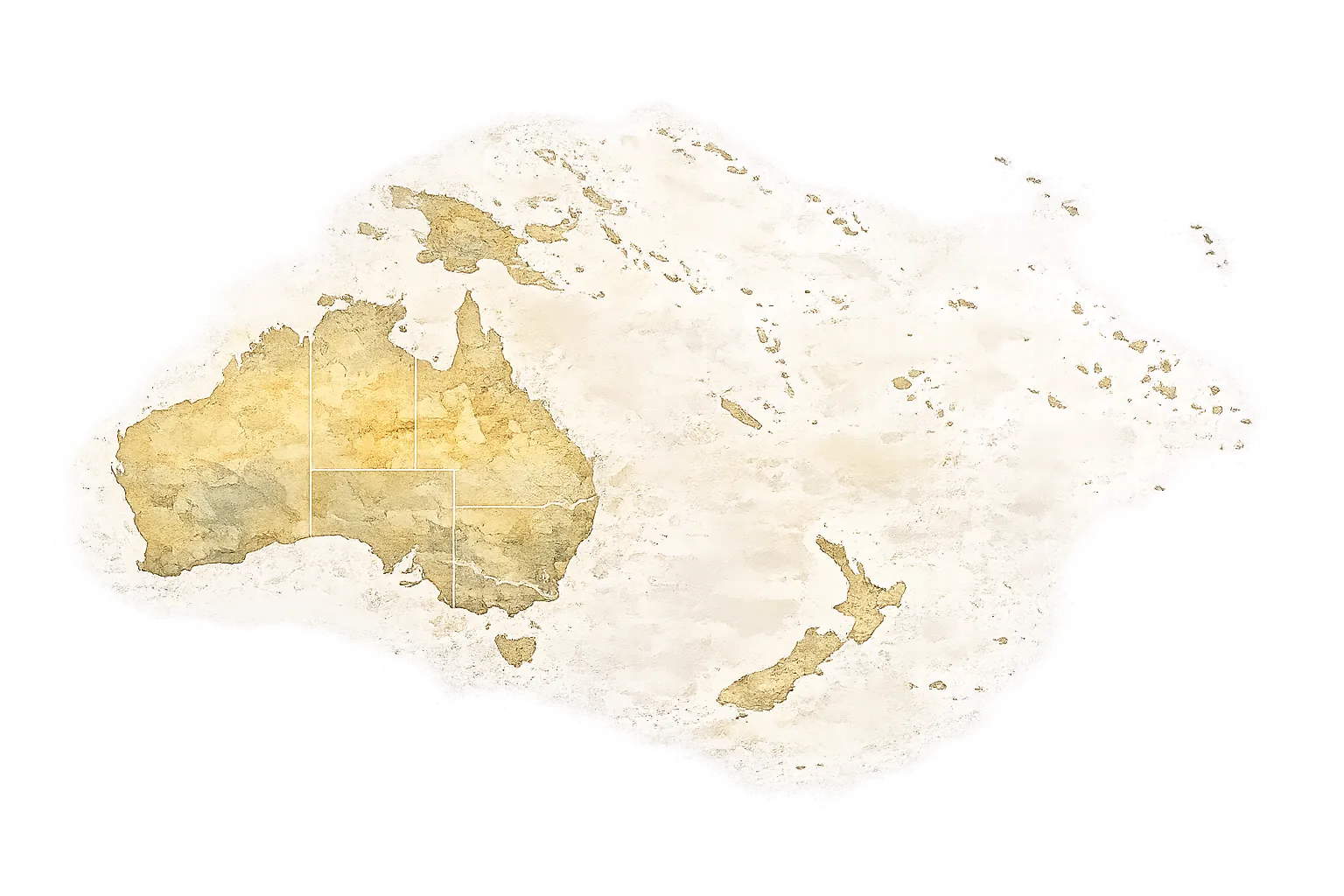
- Location: Solomon Islands
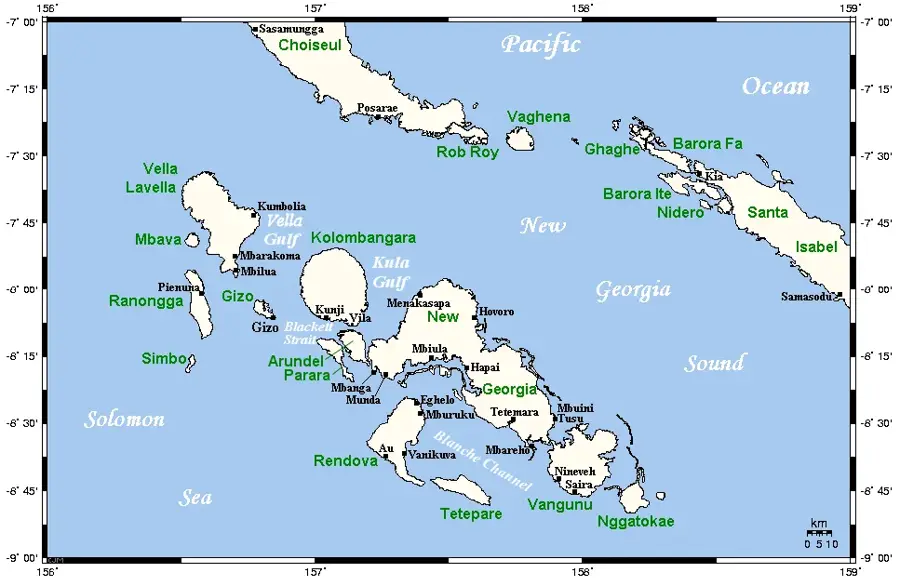
- Nearby: Gizo (4 km)
- Population: ~7.177 (2026)
Best time to visit & climate
The most pleasant time to visit is Aug, Nov, Dec.
| Jan | Feb | Mar | Apr | May | Jun | Jul | Aug | Sep | Oct | Nov | Dec | |
|---|---|---|---|---|---|---|---|---|---|---|---|---|
| Avg °C | 28 | 28 | 28 | 28 | 28 | 28 | 28 | 27 | 28 | 28 | 28 | 28 |
| Rain mm | 315 | 353 | 313 | 262 | 308 | 295 | 326 | 273 | 272 | 278 | 224 | 229 |
Geography
Facts
- Maru is located within the Marau Sound area, renowned for its exceptionally high coral diversity.
- The region features a unique cultural mix of Are'are-speaking migrants and original inhabitants.
- Traditional bark cloth, known as tapa, is still produced in the vicinity using age-old techniques.
- During the colonial era, Marau served as a strategic outpost for the coconut and copra trade.
- The waters surrounding Maru have yielded discoveries of several rare marine mollusk species.
- Accessibility to Maru is limited to small aircraft landing at Marau Airfield or sea travel from Honiara.
Explore nearby
Notable places around


Route planner — Car & Motorhome
Where do you start? We build the route here, with stops and country notes along the way.
© OpenStreetMap contributors · OpenRouteService
Frequently asked questions
How is the easiest way to get to Maru?
Is it worth staying in Maru?
What is the most important local product?
Is there internet there?
What can you do in the evening?
Maru: where is it located?
Maru: when is the best time to visit?
Maru: why is it worth visiting?
Nearby cities
History & landmarks


Nature
More places