Plizio Visual Lab
Richard-Toll sugarcane cultivation
Weather…
Water temperature…
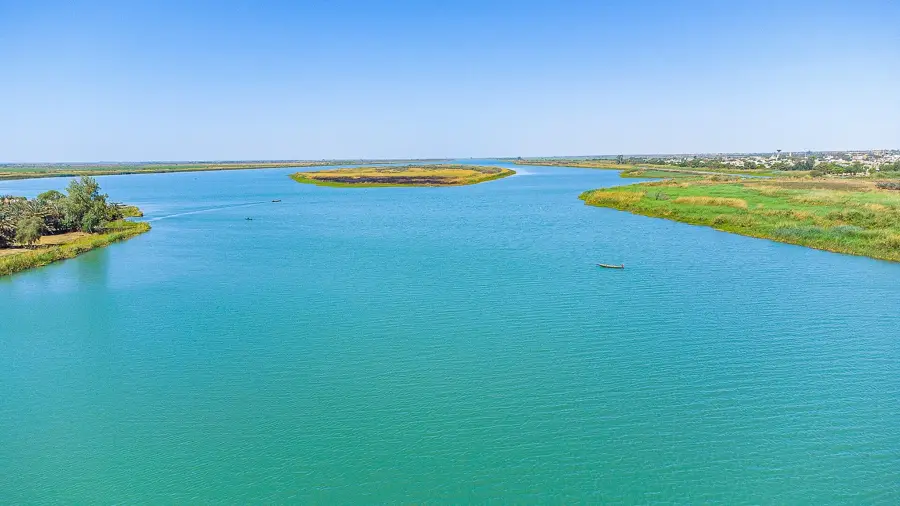
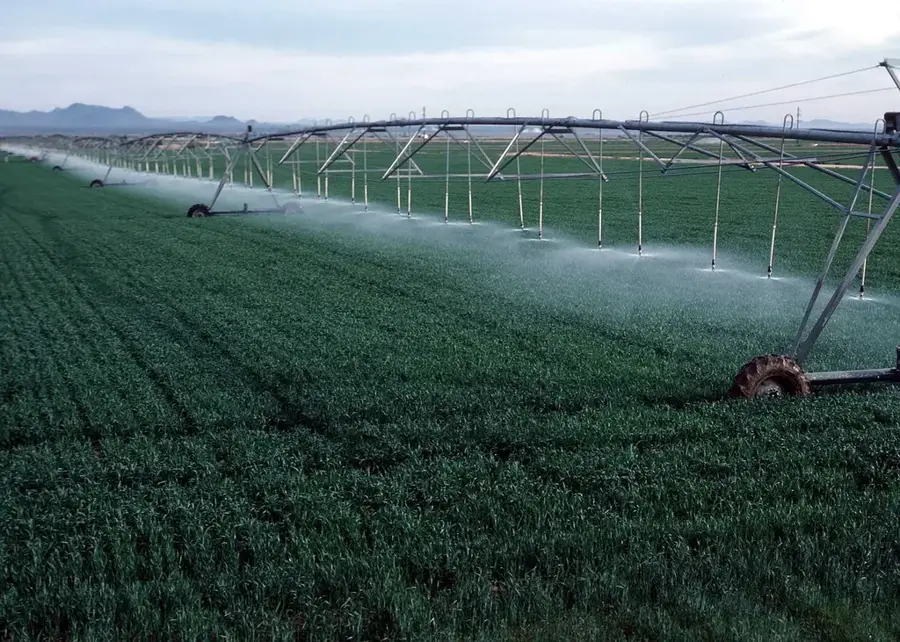
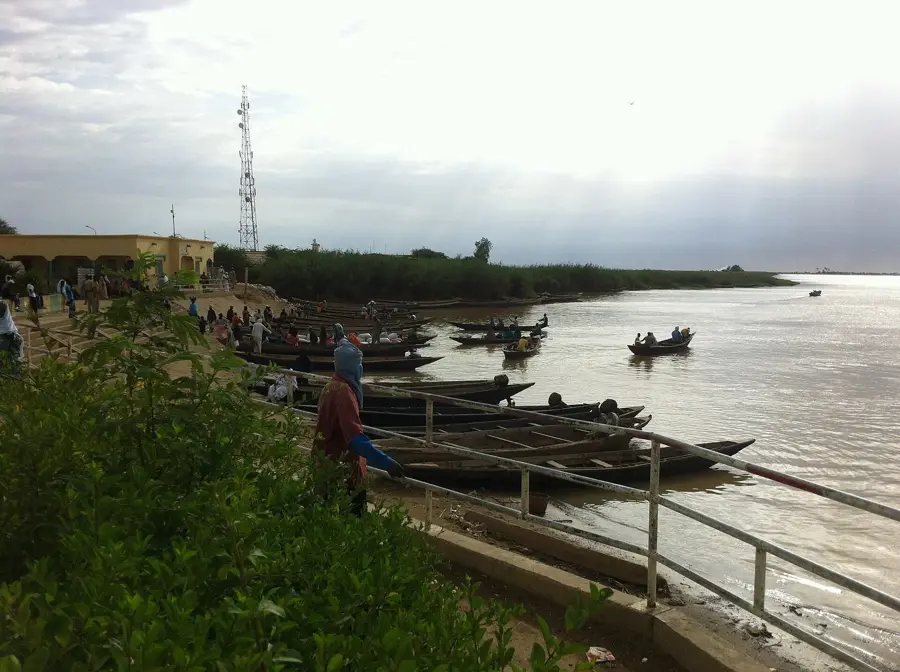
Sugarcane cultivation in Richard-Toll serves as the industrial cornerstone of northern Senegal, primarily operated by the Compagnie Sucrière Sénégalaise (CSS). Since the 1970s, the project has utilized the water resources of the Senegal River to irrigate over 12,000 hectares of land. The town of Richard-Toll, named after the French gardener Jean-Michel Claude Richard, developed into a major economic hub due to this industry. Production extends beyond sugar to include ethanol and electricity generated from bagasse, ensuring the complex's energy self-sufficiency. Thousands of seasonal workers shape the region's social fabric during the harvest season, while state-of-the-art irrigation systems guarantee efficiency within the semi-arid zone.
- Location: Senegal
- Nearby: Djoudj National Bird Park (64 km)
Best time to visit & climate
The most pleasant time to visit is Jan, Feb, Dec.
| Jan | Feb | Mar | Apr | May | Jun | Jul | Aug | Sep | Oct | Nov | Dec | |
|---|---|---|---|---|---|---|---|---|---|---|---|---|
| Avg °C | 22 | 24 | 27 | 29 | 30 | 31 | 30 | 30 | 30 | 30 | 27 | 24 |
| Rain mm | 3 | 5 | 10 | 0 | 0 | 12 | 63 | 118 | 89 | 15 | 1 | 0 |
📋 Practical info
Geography
Facts
- The Compagnie Sucrière Sénégalaise was established in 1970.
- Over 12,000 hectares of plantation are irrigated by the Senegal River.
- Annual sugar production exceeds 100,000 tons for the local market.
- Richard-Toll translates to 'Richard's Garden' (Wolof: Toll).
- The industrial complex generates its own electricity from biomass.
- Employs approximately 8,000 people directly and indirectly in the region.
Explore nearby
Notable places around


Route planner — Car & Motorhome
Where do you start? We build the route here, with stops and country notes along the way.
© OpenStreetMap contributors · OpenRouteService
Sights in the town Richard-Toll sugarcane cultivation (1)
Sights nearby
Frequently asked questions
Can the fields be visited?
What is the region known for?
Is it suitable for day trips?
Is there a visitor center?
When is the harvest time?
Richard-Toll sugarcane cultivation: where is it located?
Richard-Toll sugarcane cultivation: when is the best time to visit?
Richard-Toll sugarcane cultivation: why is it worth visiting?

History & landmarks

Nature
More places