Plizio Visual Lab
Gorée Island
Weather…
Water temperature…
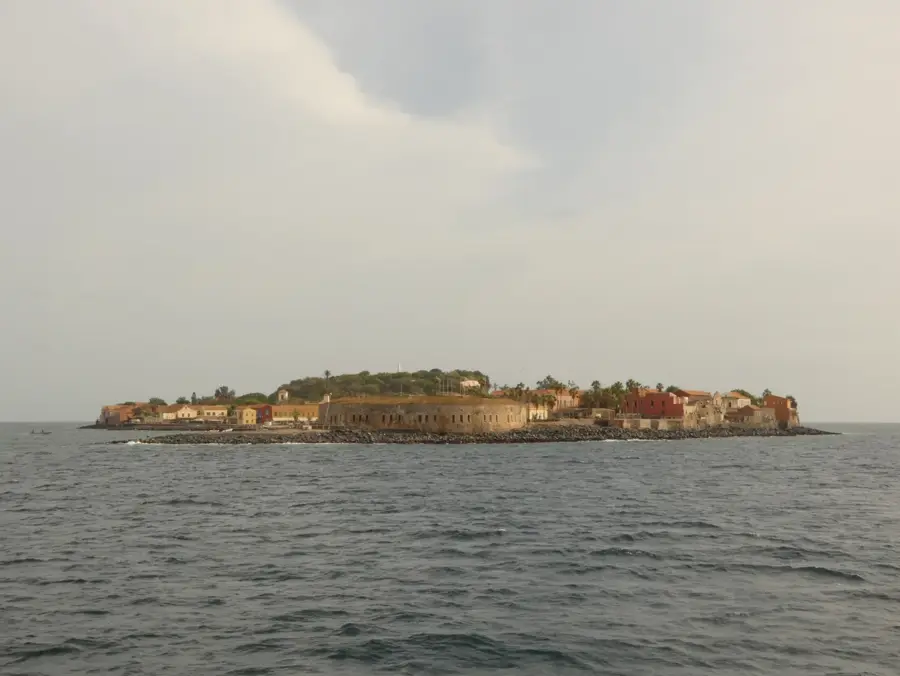
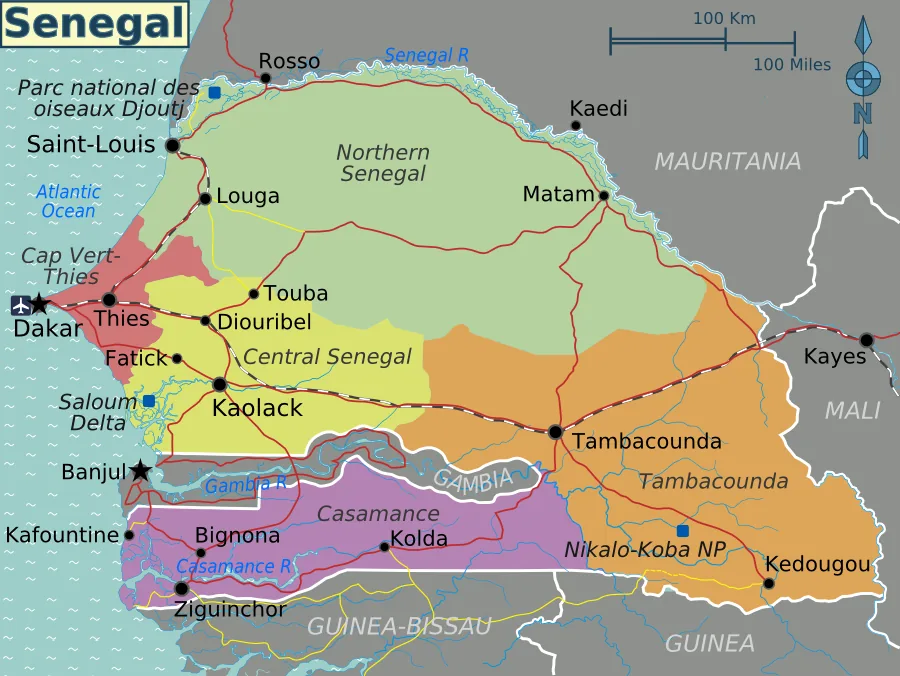
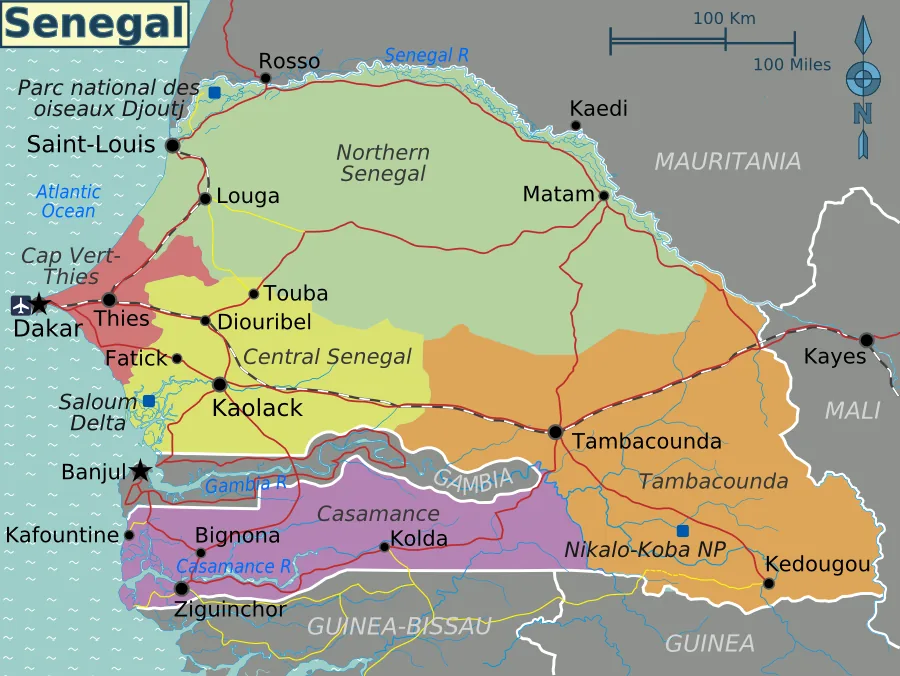
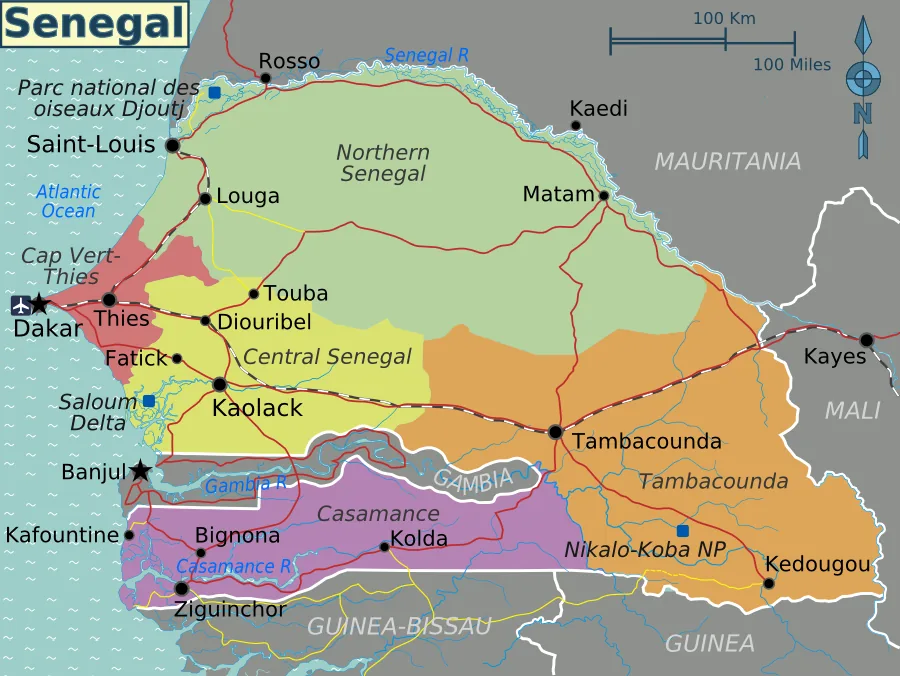
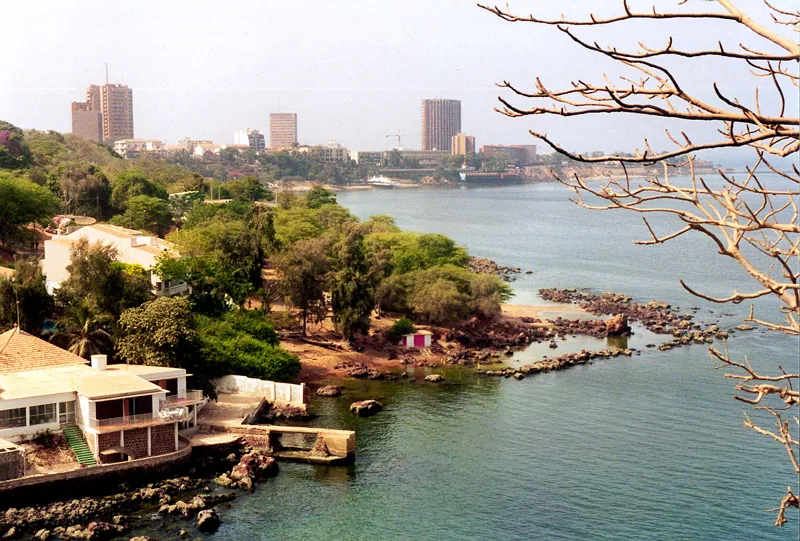
Gorée Island is located about three kilometers off the coast of Dakar and is a small, car-free destination of immense historical significance. From the 15th to the 19th century, it was one of the largest slave-trading centers on the African coast, controlled successively by the Portuguese, Dutch, British, and French. In 1978, Gorée was among the first sites globally to be inscribed as a UNESCO World Heritage site to commemorate the horrors of the transatlantic slave trade. The most famous building on the island is the Maison des Esclaves (House of Slaves), whose 'door of no return' stands as a symbol for the fate of millions of deported individuals. Beyond its dark history, the island today captivates visitors with its colonial architecture, narrow alleys, and brightly colored houses with wrought-iron balconies. Gorée now serves as a vital educational center and a place of reconciliation, attracting thousands of tourists and international dignitaries annually.
Best time to visit & climate
The most pleasant time to visit is Jan, Feb, Dec.
| Jan | Feb | Mar | Apr | May | Jun | Jul | Aug | Sep | Oct | Nov | Dec | |
|---|---|---|---|---|---|---|---|---|---|---|---|---|
| Avg °C | 25 | 27 | 30 | 33 | 34 | 33 | 30 | 28 | 27 | 28 | 28 | 26 |
| Rain mm | 1 | 0 | 2 | 0 | 2 | 43 | 108 | 203 | 158 | 41 | 2 | 0 |
📋 Practical info
Geography
Facts
- The island is only about 900 meters long and 350 meters wide.
- It was inscribed on the UNESCO World Heritage list in 1978.
- There is no private car traffic permitted on the entire island.
- The famous House of Slaves was constructed in the year 1776.
- Portuguese navigators first reached the island in the year 1444.
- Gorée is located just a 20-minute ferry ride from Dakar.
Explore nearby
Notable places around


Route planner — Car & Motorhome
Where do you start? We build the route here, with stops and country notes along the way.
© OpenStreetMap contributors · OpenRouteService
Sights nearby
Frequently asked questions
How do you get to the island?
How long does a visit take?
Is the island family-friendly?
Are there restaurants?
When is the best time to visit?
Gorée Island: where is it located?
Gorée Island: when is the best time to visit?
Gorée Island: why is it worth visiting?

Nearby cities
History & landmarks

Nature
More places