Plizio Visual Lab
Rufisque
ℹ️Practical info — Rufisque
▾
🌤 Weather — 5 days
📍 Nearby
Sights nearby
💡 Tips
- Explore the old town on foot to see the decaying but magnificent colonial houses.
- Visit the waterfront in the early morning when the fishing boats return with their catch.
- The city center is extremely busy during the day; plan your sightseeing for the late afternoon.
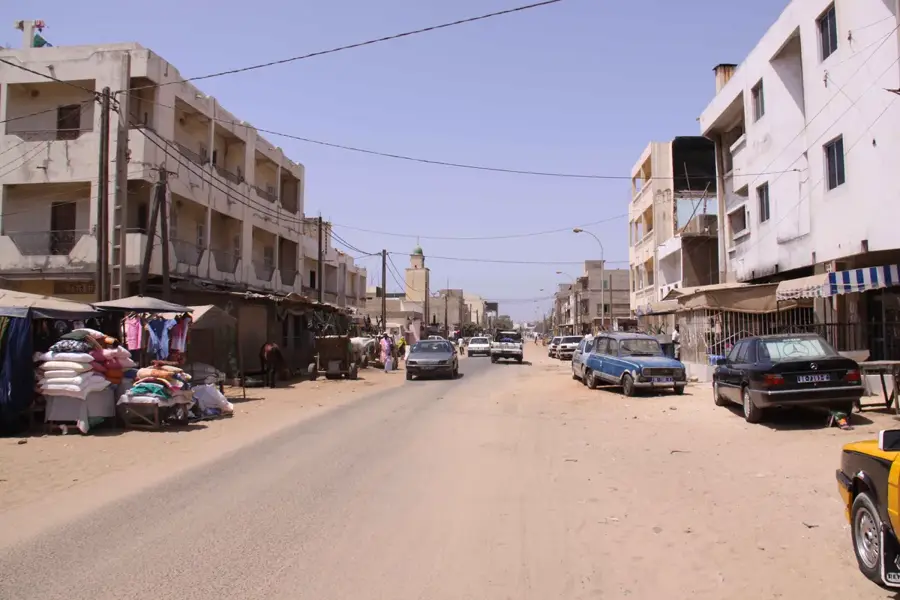
- Use the main road as a landmark, but venture into the side streets for real local flavor.
- Rufisque is famous for its historic role in the peanut trade; look for the old warehouses.
🍽 Food
Prepared right by the water, freshly caught, and usually very affordable.
A hearty peanut stew with meat, served in traditional cookshops.
A green, vitamin-rich juice made from a specific local fruit.
🛍 Shopping · 🧘 Quiet spots
A labyrinth of stalls, handy for textiles and handmade household goods.
Buy freshly roasted peanuts directly from the roadside vendors.
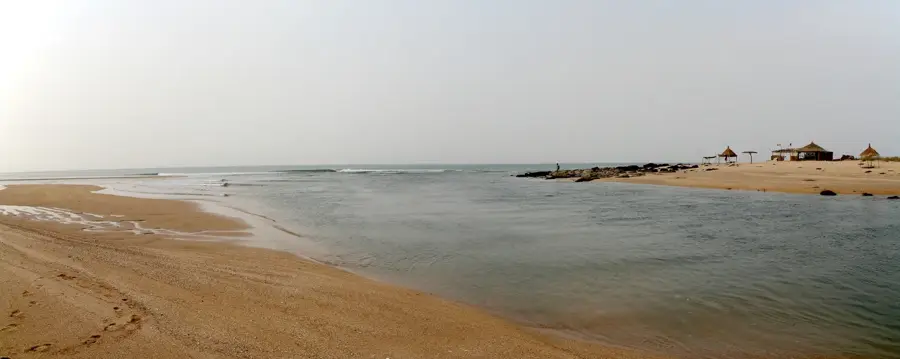
Find quieter spots here away from the bustling fishing operations.
The less-traveled streets of the old center offer a nostalgic silence.
Water temperature…
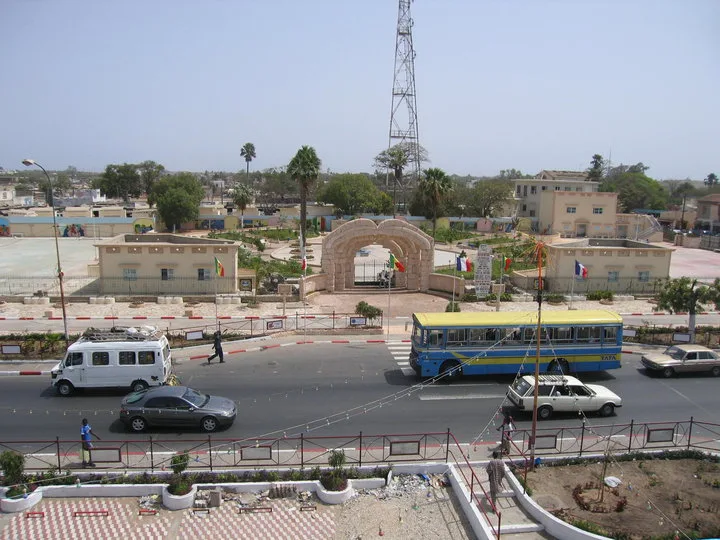
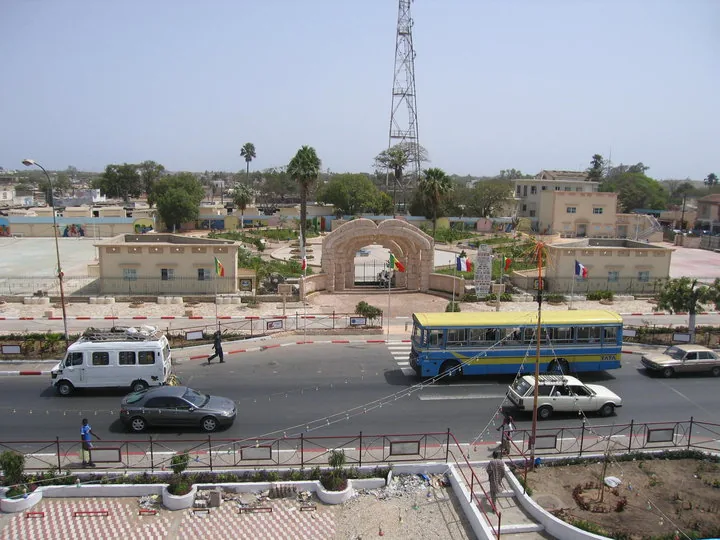
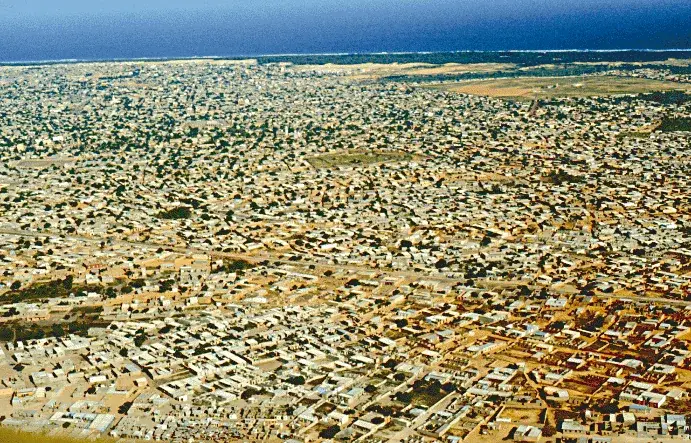
Rufisque is a historic port city in Senegal, located about 25 kilometers southeast of Dakar. Originally founded as a fishing village, the city developed in the 19th century into one of the most important trading posts of the French colony, particularly for the export of peanuts. Rufisque was one of the 'Quatre Communes' (four communes) whose inhabitants held French citizenship from an early stage. The city's appearance is characterized by colonial architecture, though it is increasingly being supplemented by modern industrial facilities. Today, Rufisque functions as a major industrial center, notably known for its cement production (SOCOCIM) and processing industries. Geographically, the city serves as the gateway to the Cap-Vert Peninsula and is an integral part of the Dakar metropolitan area. Due to its coastal location, Rufisque is increasingly struggling with coastal erosion, which threatens historic buildings and infrastructure. Despite its industrial nature, the city maintains its fishing traditions and serves as a vital local marketplace for the surrounding region.
- Location: Senegal
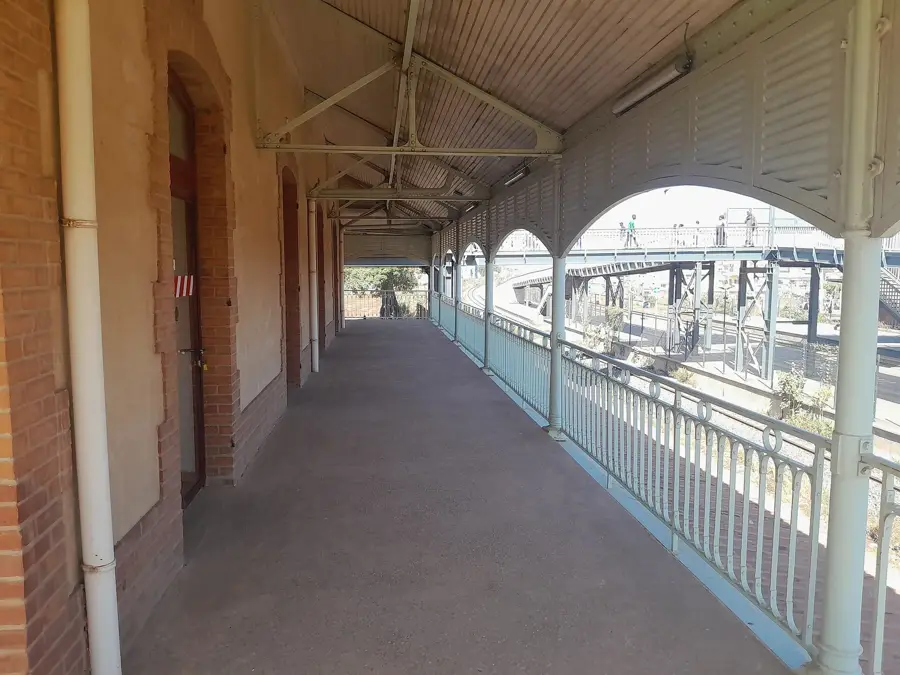
- Top sights: Rufisque tramway · École normale de Rufisque · Rufisque department
- Nearby: Pikine (14 km)
- Population: ~295.459 (2025)
Best time to visit & climate
The most pleasant time to visit is Feb–Apr.
| Jan | Feb | Mar | Apr | May | Jun | Jul | Aug | Sep | Oct | Nov | Dec | |
|---|---|---|---|---|---|---|---|---|---|---|---|---|
| Avg °C | 22 | 21 | 21 | 21 | 22 | 25 | 27 | 27 | 28 | 28 | 27 | 24 |
| Rain mm | 11 | 9 | 3 | 6 | 3 | 14 | 79 | 191 | 170 | 49 | 9 | 13 |
Geography
Facts
- Rufisque was one of the four Senegalese communes with French citizenship status.
- The city became a major center for the peanut trade in the 19th century.
- Rufisque is home to SOCOCIM, the largest cement plant in West Africa.
- The city is located approximately 25 kilometers southeast of Dakar.
- Rufisque is known for its well-preserved colonial-era 'Maisons de Commerce'.
- Coastal erosion threatens up to 2 meters of the shoreline every year.
Explore nearby
Notable places around


Route planner — Car & Motorhome
Where do you start? We build the route here, with stops and country notes along the way.
© OpenStreetMap contributors · OpenRouteService
Sights in the town Rufisque (3)
Frequently asked questions
What is the historical character of Rufisque?
Can one visit the beaches there?
Is a trip from Dakar worth it?
What should one try there?
What is the atmosphere like?
Rufisque: where is it located?
Rufisque: what is there to see?
Rufisque: when is the best time to visit?
Rufisque: why is it worth visiting?

Nearby cities
History & landmarks

Nature
More places