Plizio Visual Lab
Mahazat as-Sayd Protected Area
Weather…
Water temperature…
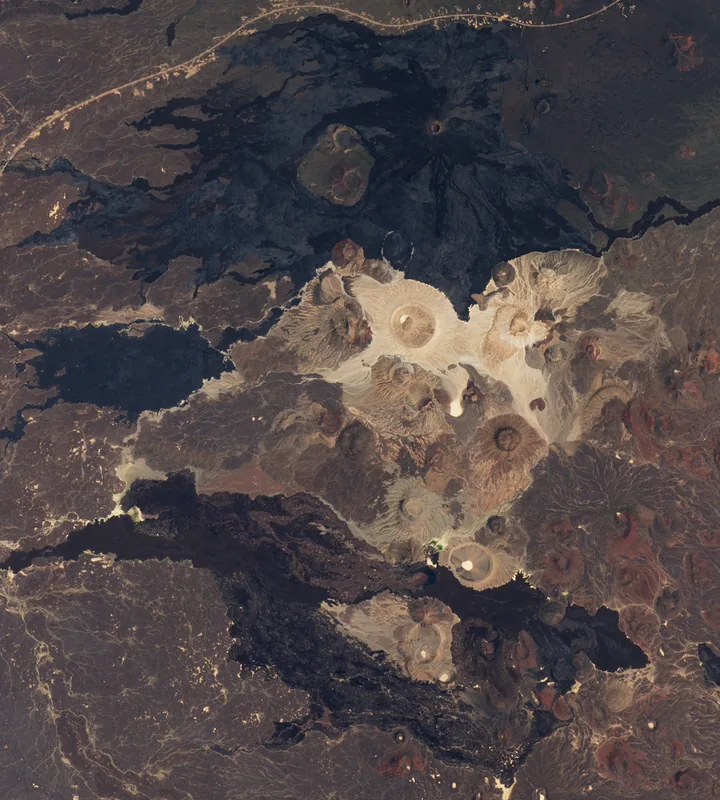
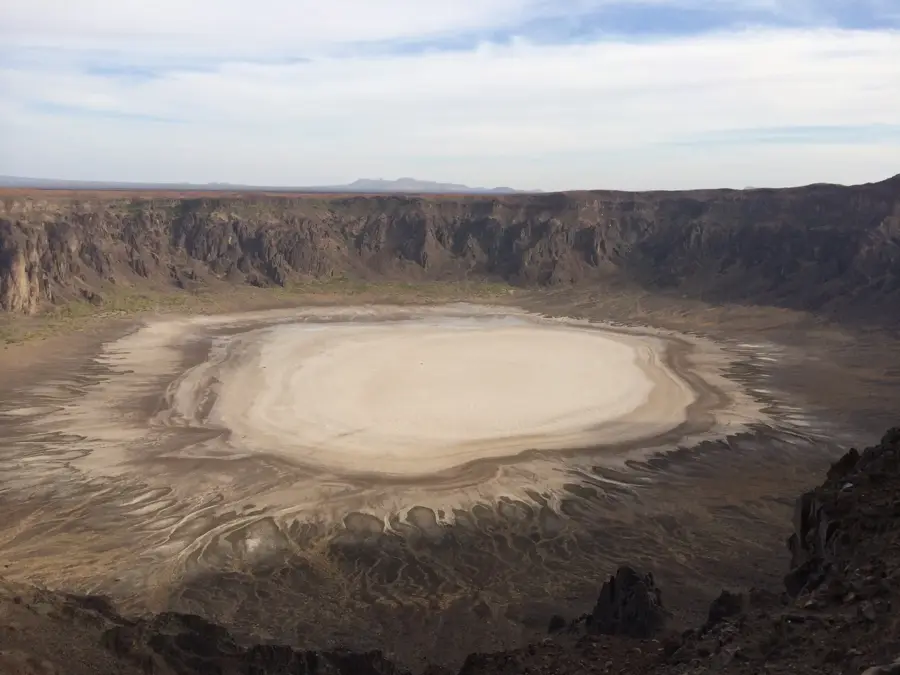
The Mahazat as-Sayd Protected Area in central Saudi Arabia, located east of Taif, covers an area of approximately 2,553 square kilometers. It was completely fenced in 1988 to protect the remaining vegetation from overgrazing and to create a controlled environment for the reintroduction of endangered species. The reserve is internationally renowned for its success in reintroducing the Arabian Oryx, the Houbara Bustard, and the Sand Gazelle. The landscape primarily consists of arid steppes and vast plains dominated by seasonal grasses and acacia trees. By excluding livestock, an ecological balance has been regenerated that serves as a model for desert fauna conservation in the Kingdom. On-site scientific research programs monitor the population dynamics and genetic diversity of the animals living here. Mahazat as-Sayd is considered one of the most important centers for nature conservation in the Middle East, demonstrating the restoration of degraded ecosystems under extreme climatic conditions.
📋 Practical info
Geography
Facts
- Complete fencing of the area in the year 1988
- Total area covers approximately 2,553 square kilometers
- Successful reintroduction of the Arabian Oryx
- Protection from overgrazing by excluding livestock
- Home to the endangered Houbara Bustard
- Important center for desert ecology and research
Explore nearby
Notable places around

Route planner — Car & Motorhome
Where do you start? We build the route here, with stops and country notes along the way.
© OpenStreetMap contributors · OpenRouteService
Sights nearby
Frequently asked questions
Is the Mahazat as-Sayd reserve accessible to tourists?
What animals can be observed there?
What should one keep in mind when visiting?
Is the reserve suitable for children?
Which season is best for a visit?
Mahazat as-Sayd Protected Area: where is it located?
Mahazat as-Sayd Protected Area: why is it worth visiting?

Nearby cities
History & landmarks
Nature
More places