Plizio Visual Lab

Ain Zubaydah
Plizio editorial teamData Sources
ruin
—°8
Ain Zubaydah (Saudi Arabia)

Weather…

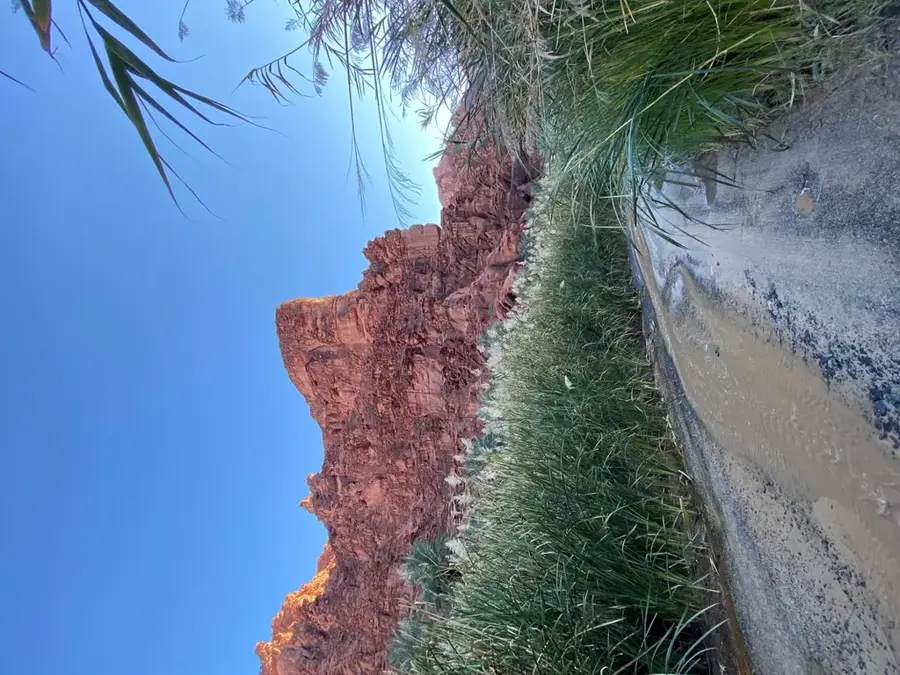
Ain Zubaydah ('Zubaydah's Spring') is an extraordinary engineering achievement, an ancient aqueduct and water supply system built to ensure the water supply for the pilgrims to Mecca. The system was built by Zubaydah bint Ja'far, the wife of the Abbasid caliph Harun al-Rashid, at the end of the 8th and beginning of the 9th century. During a pilgrimage to Mecca, Zubaydah was confronted with the water shortage and the suffering of the pilgrims, so she decided to solve the problem. The project included a network of underground and surface channels (qanat), wells, and reservoirs, over 30 kilometers long. The system collected water from the springs in the Wadi Nu'man and Hunayn valleys, east of Mecca, and transported it by gravity to the holy sites of Mount Arafat, Muzdalifah, and Mina, as well as to the city of Mecca itself. Ain Zubaydah operated for more than a thousand years, until the mid-20th century, and has remained an outstanding example of charity and engineering in the Muslim world.

Best time to visit & climate

The most pleasant time to visit is Jan, Feb, Dec.

JanFebMarAprMayJunJulAugSepOctNovDec
Avg °C212326293335343434302623
Rain mm611742101394

📋 Practical info

🚪
Visiting
The historical aqueduct ruins can generally be viewed from the outside, offering a fascinating glimpse into ancient Islamic engineering and water management. Walking along the accessible sections provides a strong sense of its historical scale.
🕒
Typical hours
As an open-air archaeological site, it is typically accessible during daylight hours throughout the week. It is highly recommended to visit early in the morning or late afternoon to avoid the intense midday heat.
📷
Photography
Photography is usually permitted for personal use, allowing you to capture the impressive stonework and the stark desert landscape surrounding it. Wide-angle lenses are first-rate for emphasizing the length and scale of the aqueduct channels.
⏱️
Time needed
Most visitors spend around one to two hours exploring the immediate vicinity and understanding the historical context of the water system. Dedicated history enthusiasts might stay longer to examine the various structural elements and surrounding terrain.
Combine with
A trip here pairs well with a visit to the broader historical and cultural landmarks in the Mecca region, respecting the religious entry restrictions. Nearby desert wadis and ancient trading routes also offer complementary exploration opportunities.
🧭
Getting there
Reaching the site usually requires hiring a private taxi or joining a guided historical tour, as public transportation options in this specific remote area are often limited. Ensure your vehicle is suitable for somewhat rugged desert roads and gravel paths.
💡
Insider tip
Given the exposed desert environment, bringing an abundant supply of drinking water, wearing sturdy walking shoes, and utilizing robust sun protection are absolute necessities. Familiarizing yourself with the story of Queen Zubaydah beforehand greatly enriches the experience.

Geography

Coordinates
21.42250, 39.82610

Facts

  • Zubaydah is said to have spent several million dinars of her own fortune on the project.
  • The construction of the channels was extremely difficult in the mountainous terrain.
  • The system included dozens of wells and water points (manhal).
  • The channels were regularly maintained and cleaned over the centuries.
  • The project is also known as 'Darb Zubaydah' (Zubaydah's Road), referring to the pilgrimage route from Kufa to Mecca.
  • The remains of the system are still visible around Mecca today.
  • Zubaydah's name has become synonymous with charity and commitment to the public good.

Explore nearby

Notable places around
Route planner — Car & Motorhome

Where do you start? We build the route here, with stops and country notes along the way.

Vehicle
Only stops with (optional):

© OpenStreetMap contributors · OpenRouteService

Sights in the town Ain Zubaydah (8)

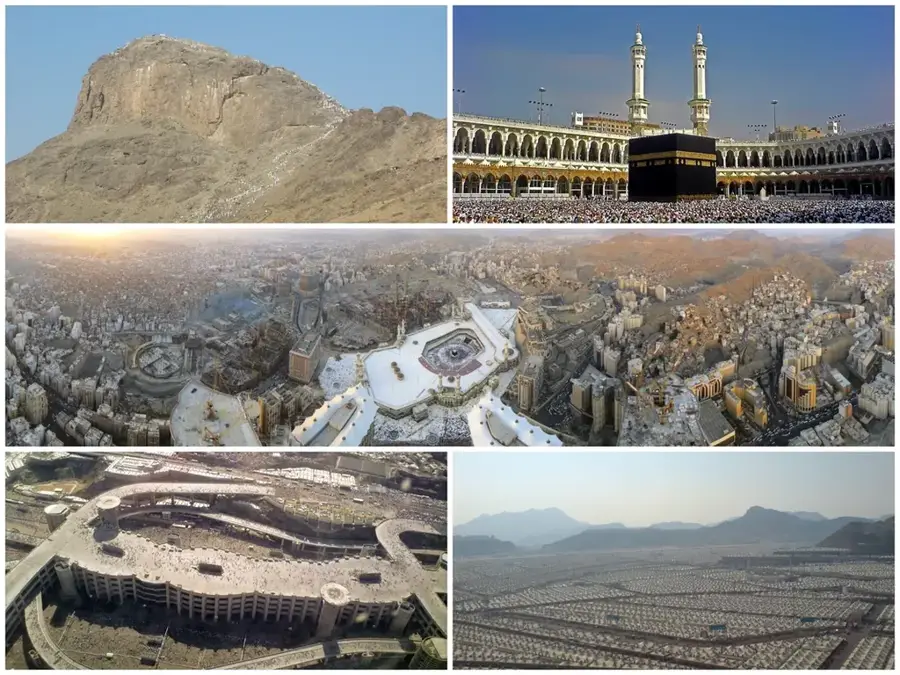
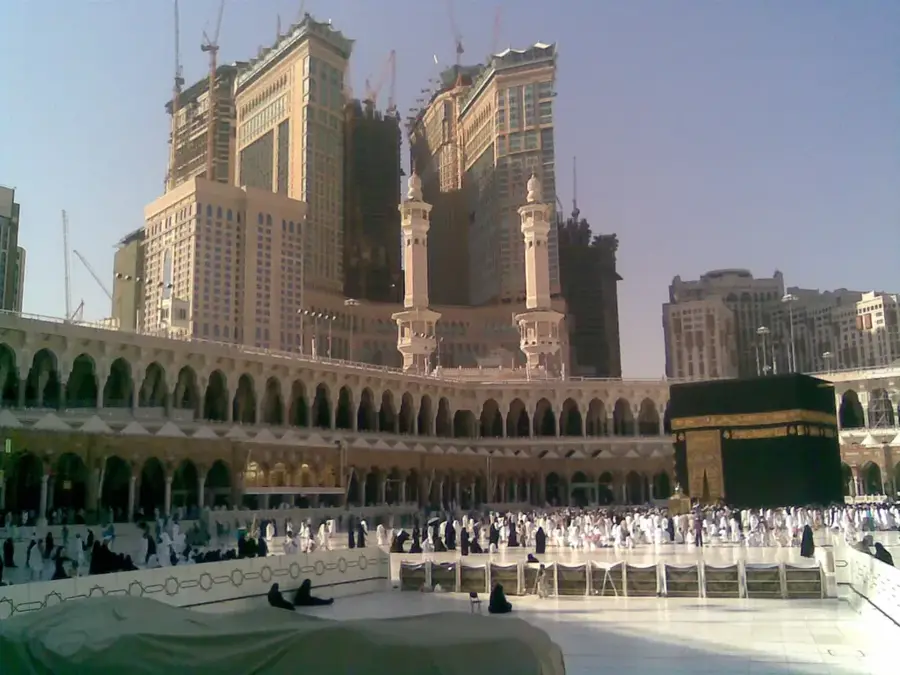
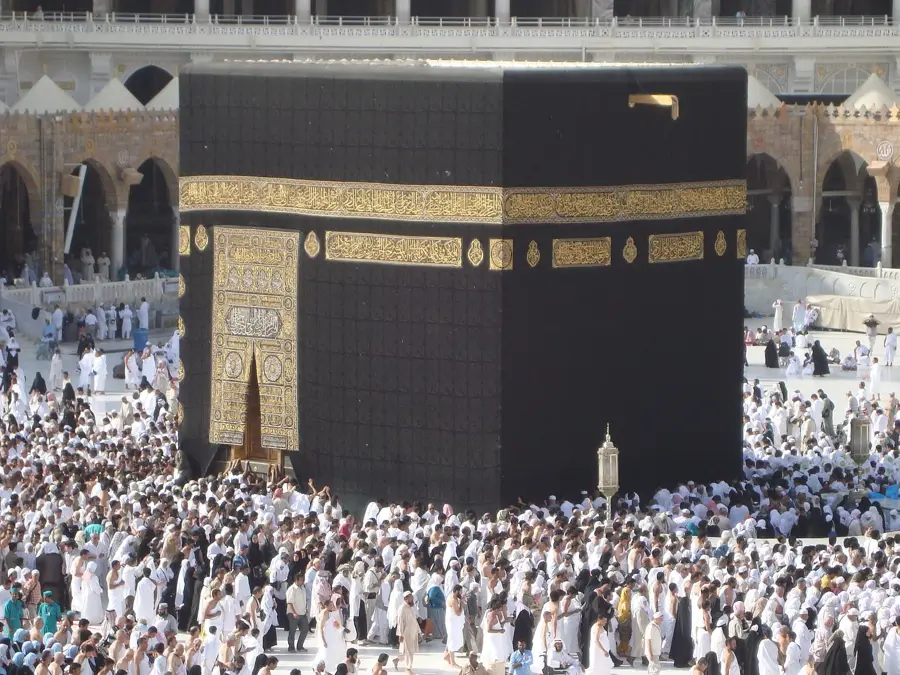
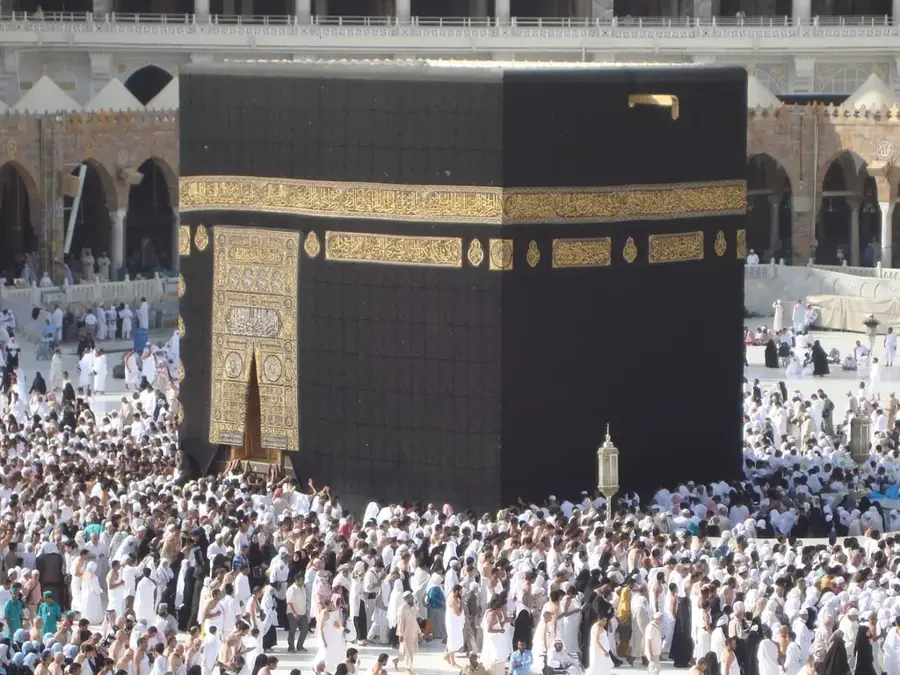
Kaaba⛪ religious

The holiest structure in Islam, a black-clad cubic sanctuary at the center of the Grand Mosque.

Grand Mosque of Mecca⛪ religious

The world's largest mosque, which encircles the Kaaba sanctuary and accommodates millions of pilgrims.

Suleiman's historic Palace🏰 castle

This Ottoman-era stone fortress showcases traditional Islamic defensive architecture with massive walls and watchtowers.

Mecca Museum🏛 museum

Housed in the Al-Zahir Palace, this museum displays archaeological finds from the pre-Islamic era and precious Islamic calligraphy.

Exhibition Of The Two Holy Mosques Architecture🏛 museum

The exhibition showcases historical relics, ancient Quranic manuscripts, and architectural elements from the two holy mosques.

Masjid al Homimidi📍 landmark

A local neighborhood mosque with a traditional white minaret, serving as a prayer site for the local residents.

Masjid Bilal Bin Rabah📍 landmark

This prayer house is named after the first muezzin of Islam and features a simple, modern prayer hall.

Masjid Al Harthy📍 landmark

A modern mosque in a residential area, notable for its geometric facade patterns and a slender minaret.

Sights nearby

Frequently asked questions

What is Ain Zubaydah?
A historic aqueduct system.
Is it still operational?
Parts are historical, no longer fully functional.
Where is it located?
Near Mecca.
Is it worth a visit?
Very interesting for enthusiasts of ancient tech.
What is the condition?
Many parts are decayed.
Ain Zubaydah: where is it located?
Ain Zubaydah is located in Saudi Arabia.
Ain Zubaydah: what is there to see?
Highlights include Kaaba, Grand Mosque of Mecca, Suleiman's historic Palace.
Ain Zubaydah: when is the best time to visit?
The most pleasant time to visit is Jan, Feb, Dec.
Ain Zubaydah: why is it worth visiting?

Ain Zubaydah ('Zubaydah's Spring') is an extraordinary engineering achievement, an ancient aqueduct and water supply system built to ensure the water supply for the pilgrims to Mecca.
View on map → The Top 50 Attractions → OpenStreetMap →
Asia
Explore with Plizio Discover more places in Asia
More places in Saudi Arabia →

Nearby cities

History & landmarks
Nature
More places