Plizio Visual Lab

Al Kharrarah National Park

Plizio editorial teamData Sources
national-park
—°3
Al Kharrarah National Park (Saudi Arabia)

Weather…

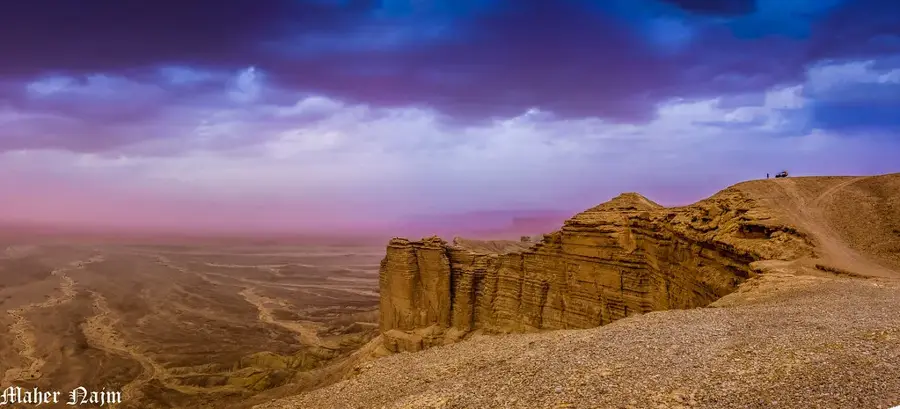
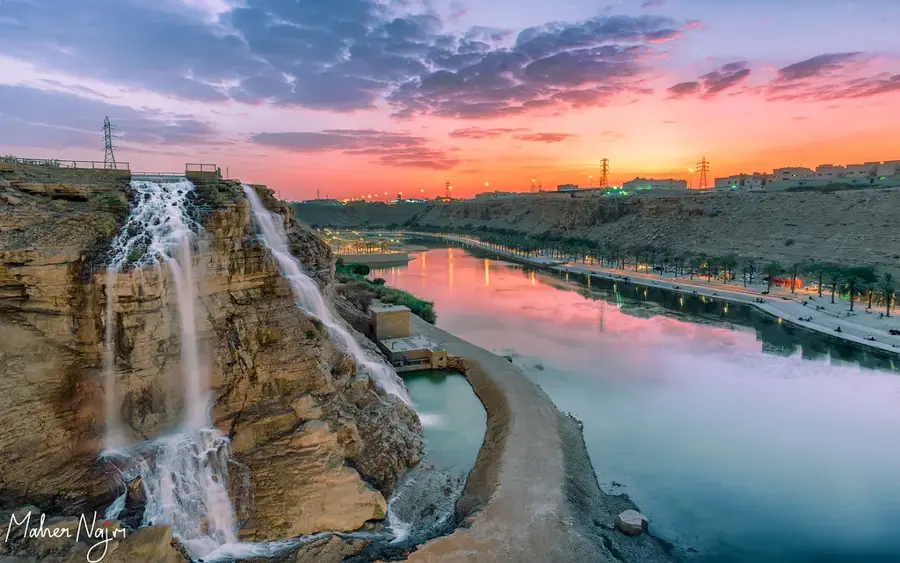
Al Kharrarah National Park, famously known as the 'Lake of Light', is situated roughly 80 kilometers southwest of Riyadh near Al-Muzahmiyya. The park's primary attraction is a seasonal lake that forms in a vast basin among towering red sand dunes after heavy rainfall. Geographically, it sits at the foot of the Tuwaiq Escarpment, where massive limestone cliffs meet the undulating sands of the desert. This natural phenomenon creates a striking visual contrast between the blue waters and the lively orange dunes, a rarity in the Arabian interior. When the water evaporates, the nutrient-rich basin supports the growth of desert flora, including hardy acacia trees. The park is managed to protect its unique geological features and fragile desert ecosystem from environmental degradation. It serves as a significant site for observing desert hydrological cycles and geological transitions. Modern conservation strategies focus on preserving the dune structures while allowing for regulated public access.

Best time to visit & climate

The most pleasant time to visit is Feb, Mar, Nov.

JanFebMarAprMayJunJulAugSepOctNovDec
Avg °C131621263134353532262015
Rain mm533610000075

📋 Practical info

🧭
Getting there
The park is conveniently accessible via major highways leading outward from Riyadh, typically requiring a sturdy four-wheel-drive vehicle to navigate the final stretches of sand. The route generally transitions from paved roads into shifting desert tracks closer to the site.
📅
Best season
The optimal visiting window occurs during the cooler winter months from November to March, especially shortly after regional rainfalls when the temporary lake might form. The intense summer heat makes daytime visits extremely hazardous and largely impractical for regular tourists.
⛰️
Terrain & paths
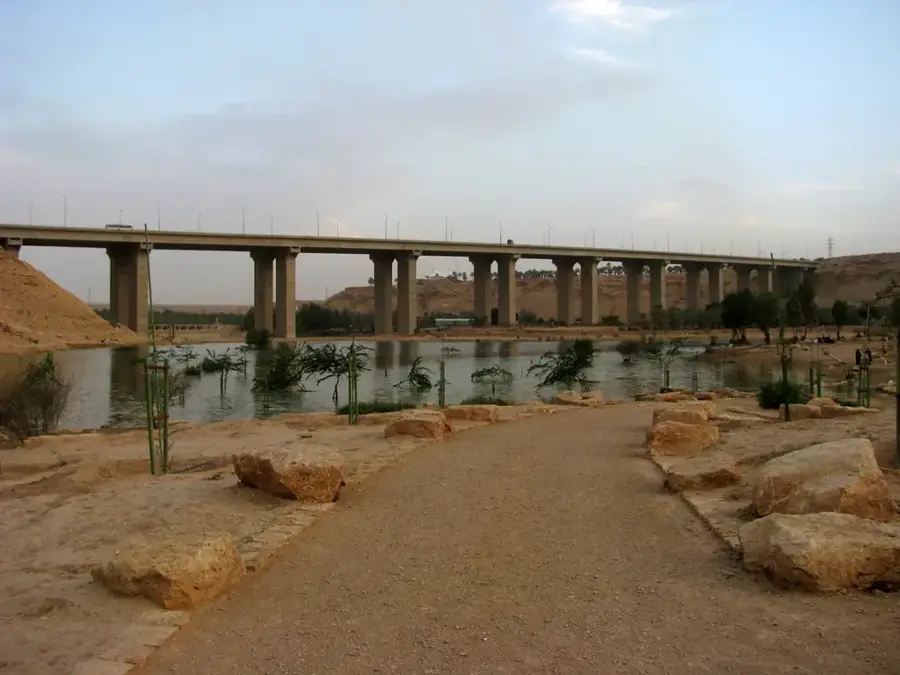
The environment is characterized by dramatic red sand dunes that slope down into a central basin, which can become muddy or filled with water depending on recent weather. Walking up the loose sand dunes requires considerable physical effort and careful foot placement.
🎒
What to bring
Essential items include high-quality sunglasses, protective headgear, and lightweight long-sleeved clothing to guard against the relentless sun and windblown sand. Plenty of water, snacks, and a reliable air compressor for adjusting tire pressure are necessary for all drivers.
🅿️
Parking
Most visitors simply pull their vehicles off the main tracks onto stable sandy patches near the edges of the dunes, establishing an impromptu base camp. It is vital to avoid parking in the lowest parts of the basin to prevent vehicles from getting hopelessly stuck in unexpected mud.
⚠️
Safety
Driving in deep sand poses a significant risk of getting stranded, so traveling in a convoy with proper recovery gear and shovels is highly recommended. Visitors must also remain acutely aware of the potential for rapid dehydration and the confusing nature of uniform desert terrain.
⏱️
Time needed
A standard recreational visit usually lasts for a half-day or an extended afternoon, often concluding with watching the sunset over the dramatic red dunes. Many local families choose to extend their stay into the cooler evening hours for traditional picnicking and socializing.

Geography

Coordinates
24.39800, 46.15540

Facts

  • The park is located approximately 80 kilometers southwest of Riyadh.
  • The seasonal lake only forms following significant winter rain events.
  • The sand dunes owe their distinct red color to high iron oxide content.
  • The area marks a transition between the Tuwaiq cliffs and the sand desert.
  • Native acacia trees are the primary woody vegetation in the park basin.
  • When full, the lake creates a temporary wetland in the heart of the desert.

Explore nearby

Notable places around
Route planner — Car & Motorhome

Where do you start? We build the route here, with stops and country notes along the way.

Vehicle
Only stops with (optional):

© OpenStreetMap contributors · OpenRouteService

Sights in the town Al Kharrarah National Park (3)

MawridUmmalHartbil🏺 historical

Abandoned ruins of a watering hole in the sandy desert near the Al-Kharrarah plain.

Mawridal`Aql🏺 historical

Historical remains of a desert spring that testify to former life in this arid region.

Bi'r al Qurayniyah🏺 historical

Ruins of an ancient well that serve as a rare landmark in the vast desert expanse.

Sights nearby

Frequently asked questions

When is Al-Kharrarah National Park at its best?
After the first rains, when the desert briefly turns green and lakes form.
Do I need a 4x4 for the park?
Yes, a 4WD vehicle is essential to safely navigate the sandy tracks.
Can you stay overnight there?
Camping is allowed, but bring complete equipment and enough water.
Is there wildlife there?
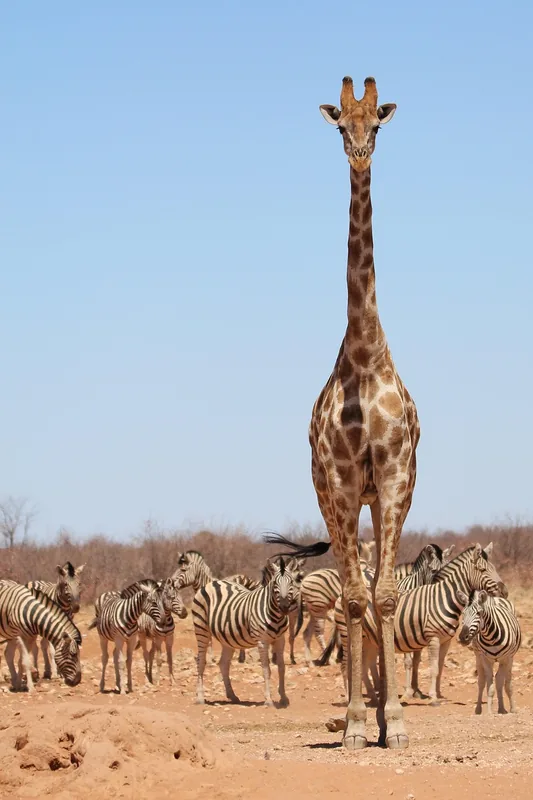
You can often see birds and small desert animals; keep your distance.
How far is it from Riyadh?
The park is about a 1-1.5 hour drive southwest of Riyadh.
Al Kharrarah National Park: where is it located?
Al Kharrarah National Park is located in Saudi Arabia.
Al Kharrarah National Park: what is there to see?
Highlights include MawridUmmalHartbil, Mawridal`Aql, Bi'r al Qurayniyah.
Al Kharrarah National Park: when is the best time to visit?
The most pleasant time to visit is Feb, Mar, Nov.
Al Kharrarah National Park: why is it worth visiting?

Al Kharrarah National Park, famously known as the 'Lake of Light', is situated roughly 80 kilometers southwest of Riyadh near Al-Muzahmiyya.
View on map → The Top 50 Attractions → OpenStreetMap →
Asia
Explore with Plizio Discover more places in Asia
More places in Saudi Arabia →

Nearby cities

History & landmarks
Nature
More places