Plizio Visual Lab
Transylvanian Plateau
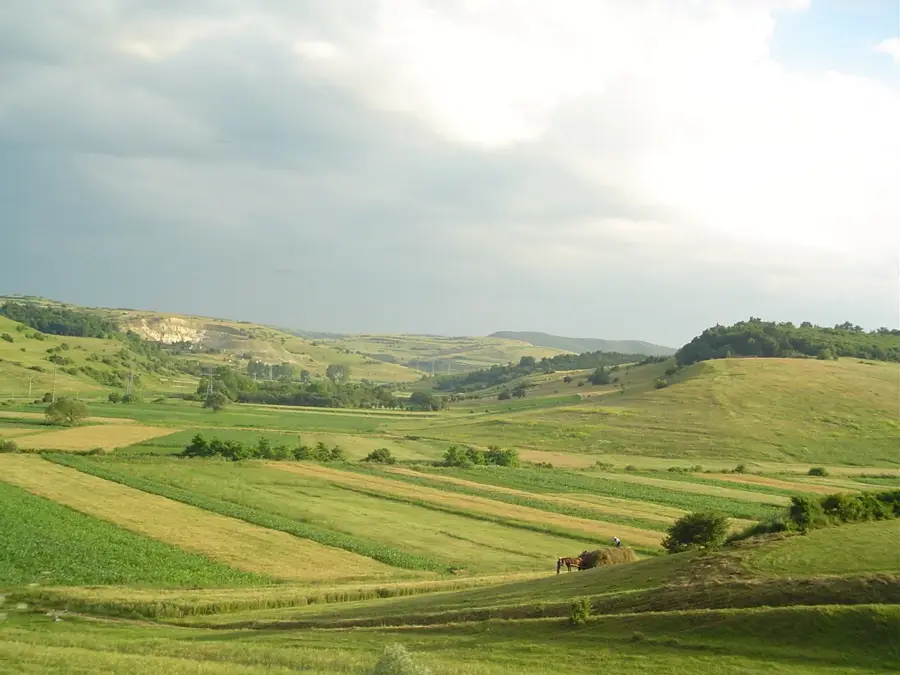
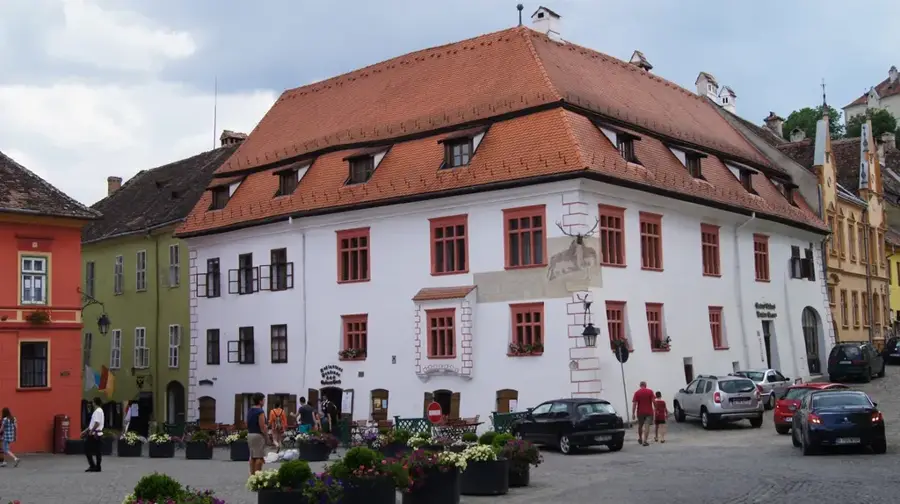
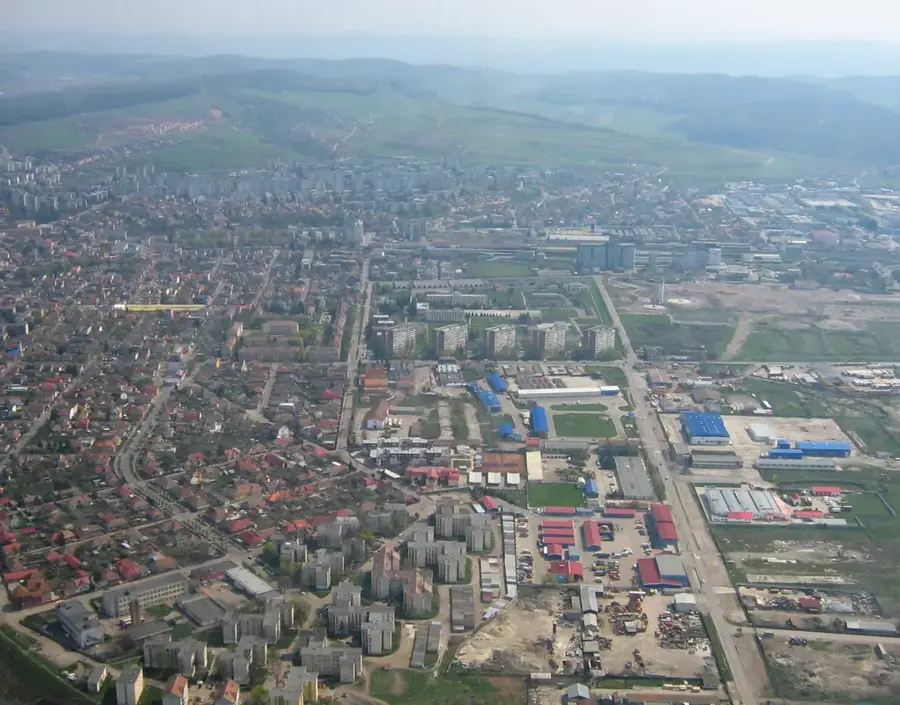
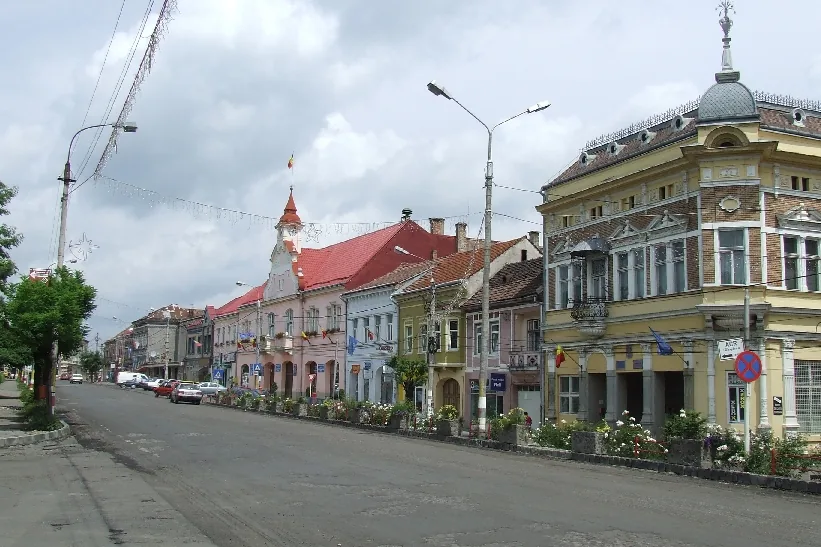
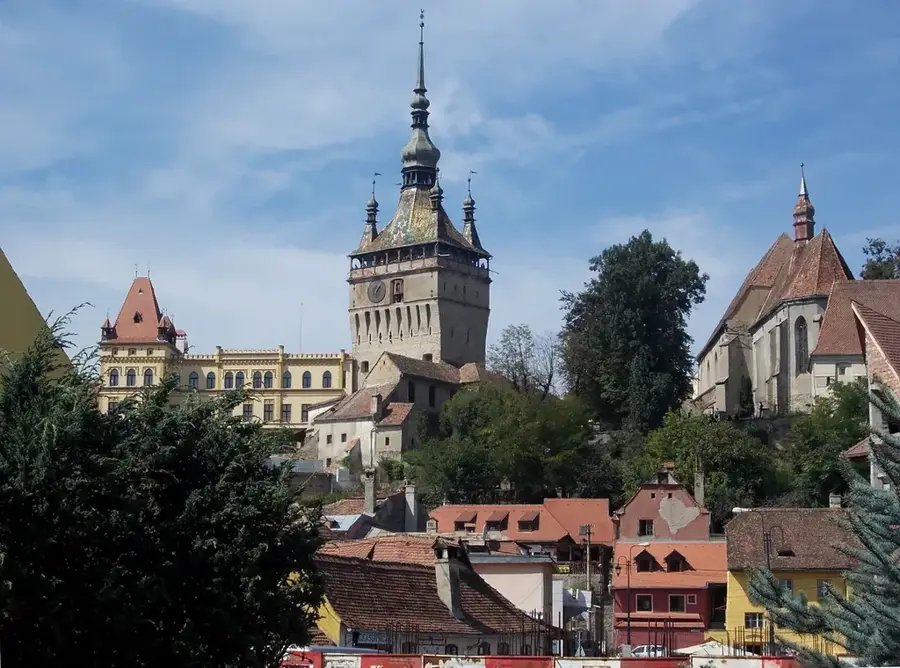
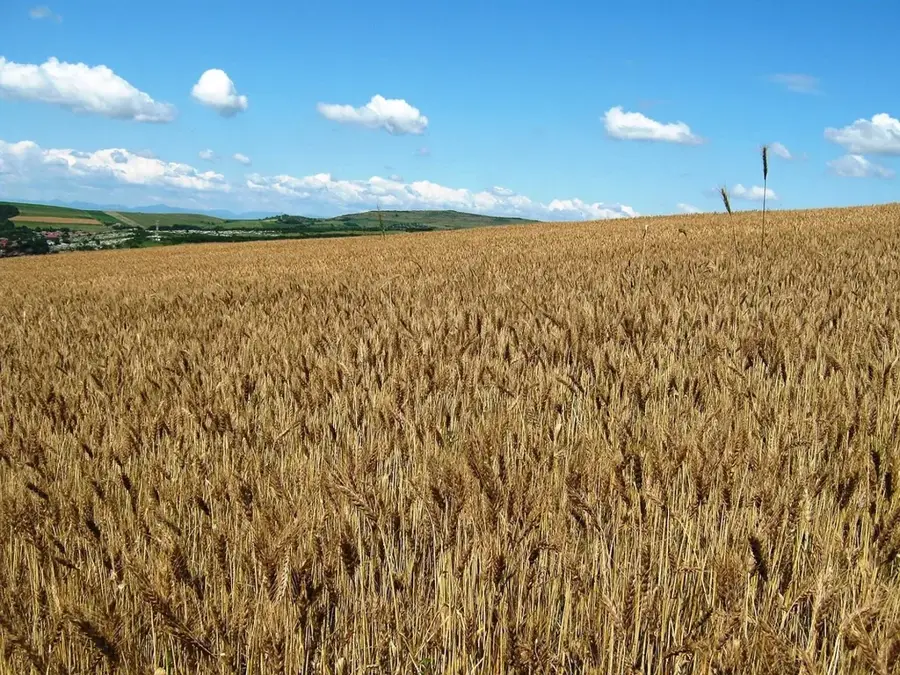
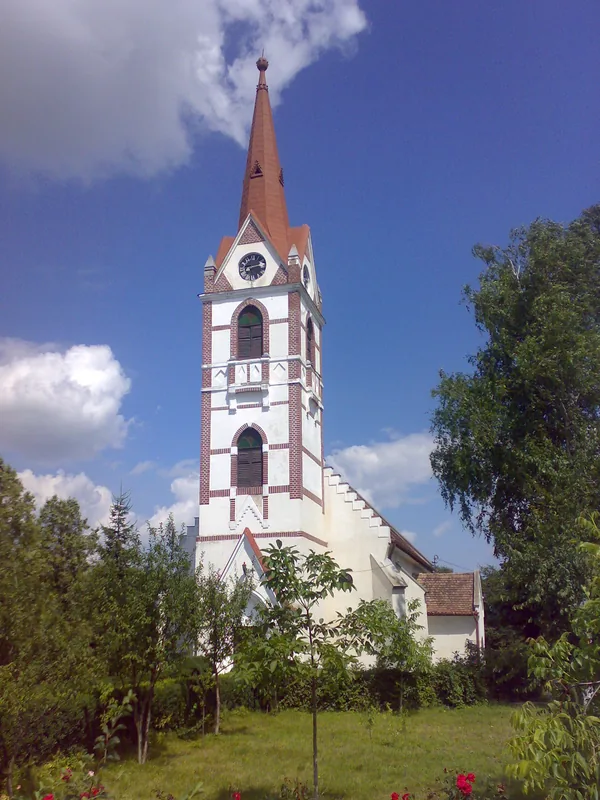
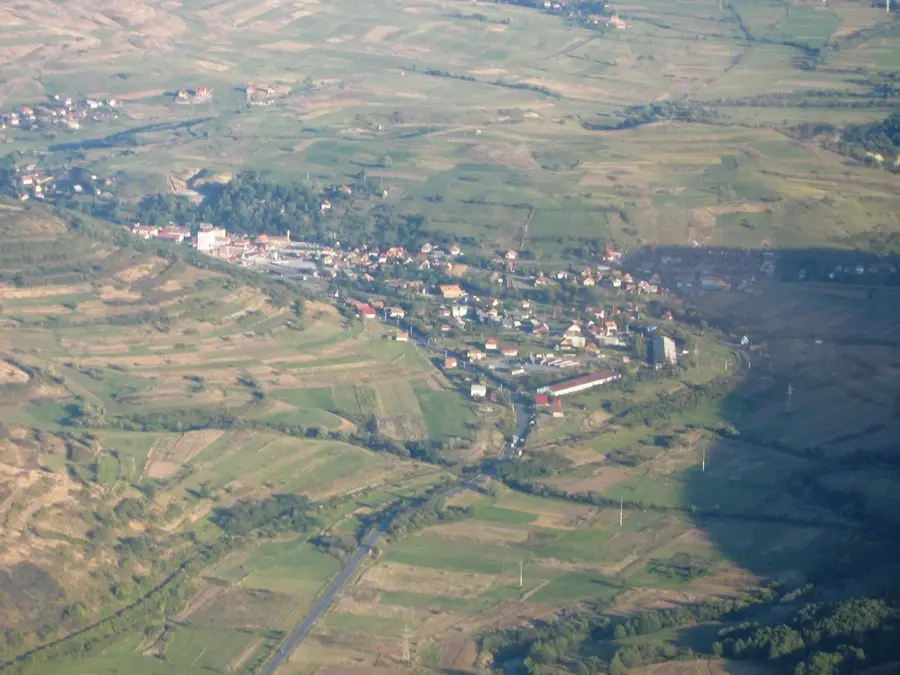
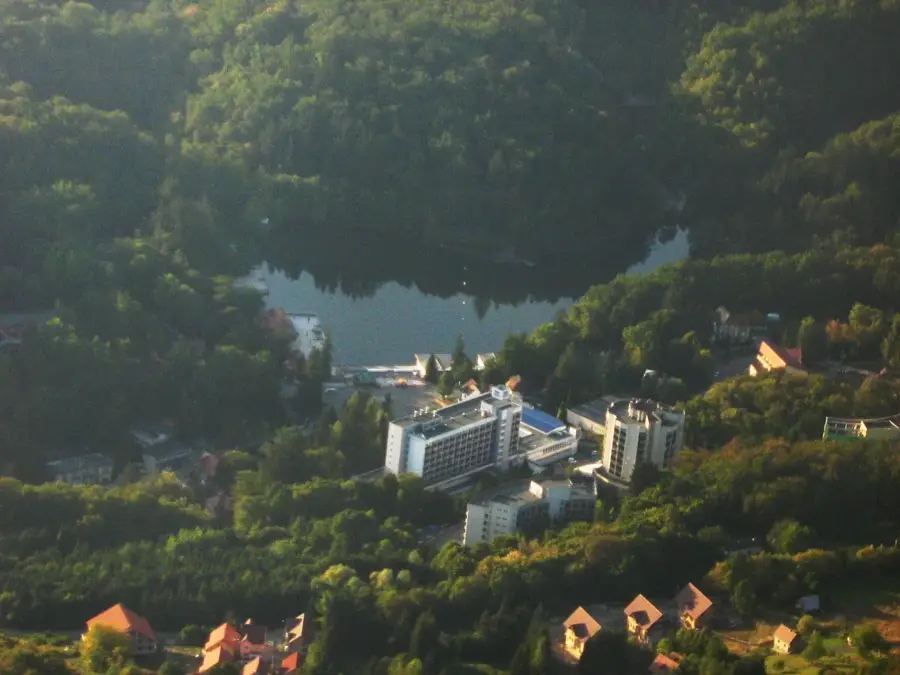
The Transylvanian Plateau (Podișul Transilvaniei) is the geographical heart of Romania, surrounded in an arc by the Carpathian mountain chain. It is an extensive upland with an average elevation of 400 to 600 meters, defined by gentle hill ranges and broad river valleys such as those of the Mureș, Someș, and Olt. Geologically, the plateau is a tectonic basin filled with massive sedimentary layers that host, among other things, rich natural gas deposits and enormous salt domes. The landscape is a mosaic of fertile farmland, vineyards, and extensive deciduous forests. Historically and culturally, the plateau is characterized by a unique diversity, as Romanians, Hungarians, and Transylvanian Saxons lived together here for centuries, reflected in the architecture of fortified churches and medieval towns. The climate is moderate-continental, favoring viticulture and livestock farming. Today, the plateau is an economically dynamic region and a center of Romanian cultural heritage.
- Location: Mureș, Romania
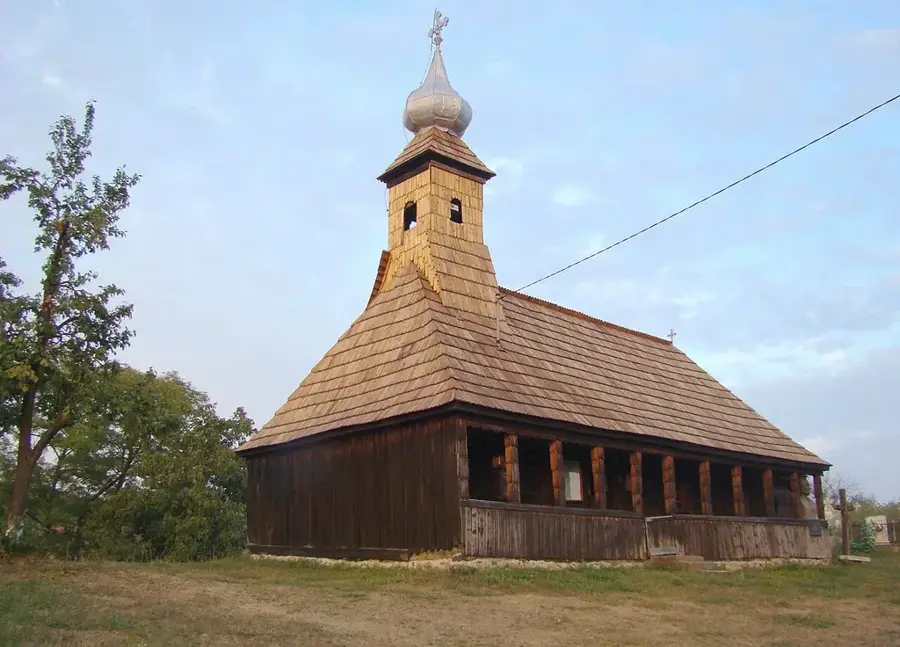
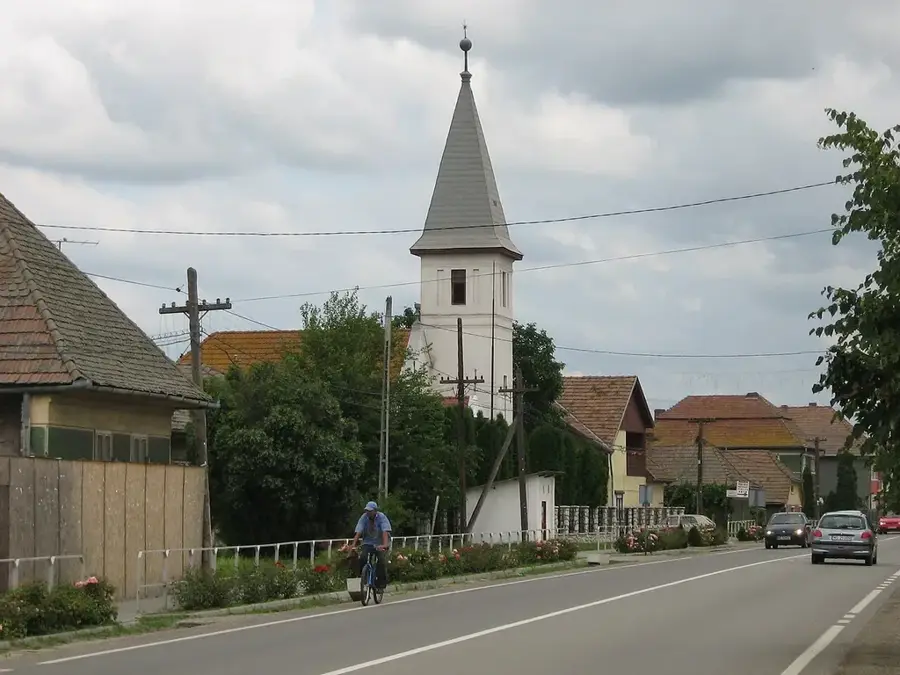
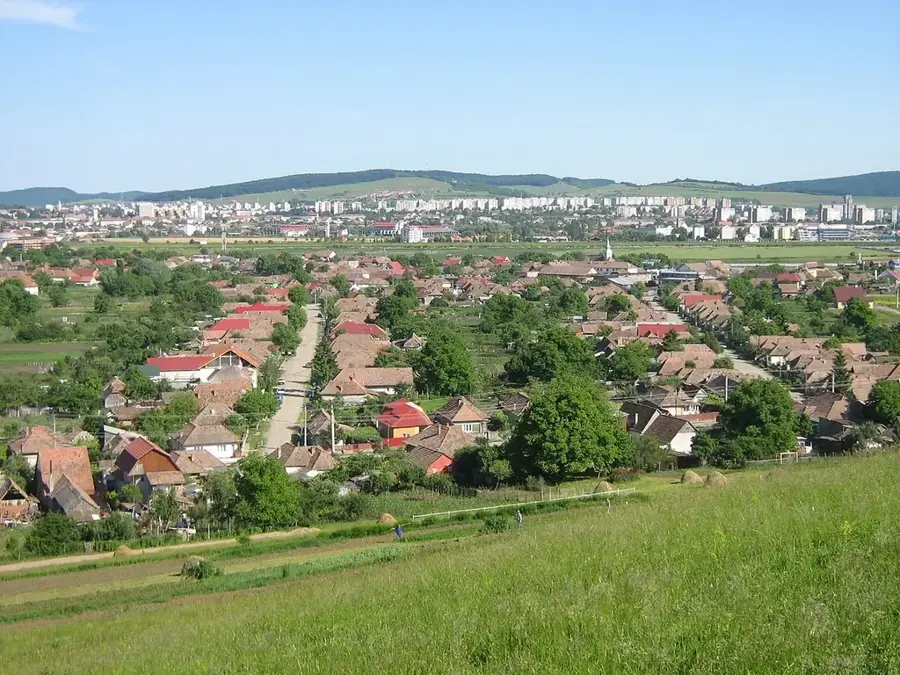
- Top sights: Cristești, Mureș · Castra of Cristești · Cuieșd (river)
- Nearby: Sâncraiu de Mureș (6 km)
Best time to visit & climate
The most pleasant time to visit is Jun–Aug.
| Jan | Feb | Mar | Apr | May | Jun | Jul | Aug | Sep | Oct | Nov | Dec | |
|---|---|---|---|---|---|---|---|---|---|---|---|---|
| Avg °C | -3 | -1 | 4 | 10 | 15 | 19 | 22 | 22 | 16 | 10 | 4 | -2 |
| Rain mm | 31 | 30 | 39 | 52 | 79 | 101 | 88 | 67 | 51 | 50 | 37 | 35 |
📋 Practical info
Geography
Facts
- The plateau occupies an area of approximately 25,000 km².
- It is rich in methane gas deposits, considered among the purest in the world.
- Massive salt domes, such as those near Turda, date back to the Miocene.
- The region encompasses the famous Târnava wine-growing area.
- The plateau is entirely enclosed by the Carpathian mountain arc.
- Seven fortified cities gave the region its German name, Siebenbürgen.
Explore nearby
Notable places around
Route planner — Car & Motorhome
Where do you start? We build the route here, with stops and country notes along the way.
© OpenStreetMap contributors · OpenRouteService
Sights in the town Transylvanian Plateau (3)
Sights nearby
Frequently asked questions
What is the Transylvanian Plateau?
Which major cities are in this region?
What cultural attractions can be found here?
Are there significant natural resources in the plateau?
What is the climate like in this region?
Transylvanian Plateau: where is it located?
Transylvanian Plateau: what is there to see?
Transylvanian Plateau: when is the best time to visit?
Transylvanian Plateau: why is it worth visiting?

Nearby cities
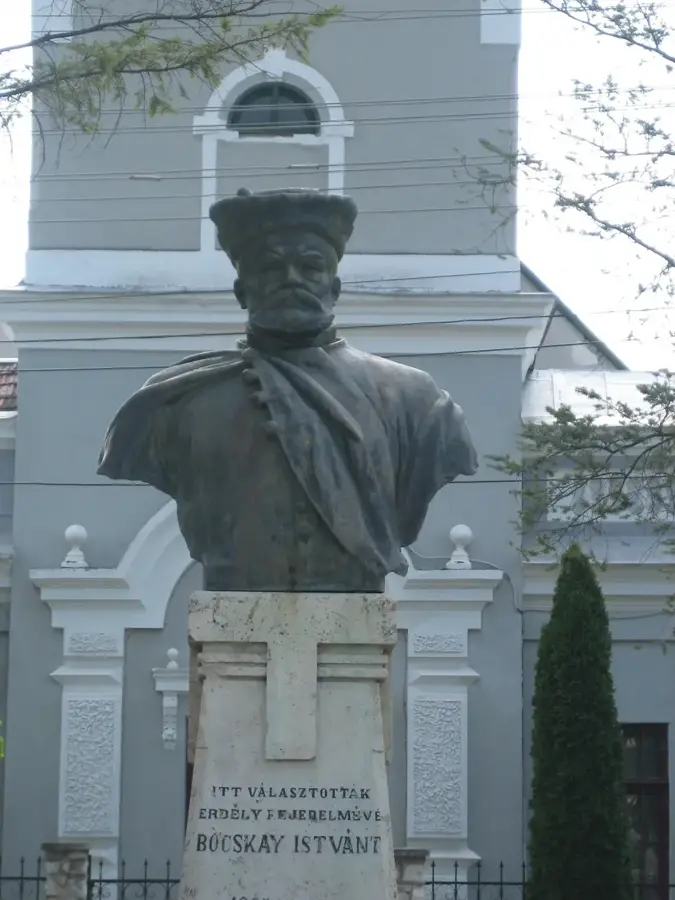
History & landmarks
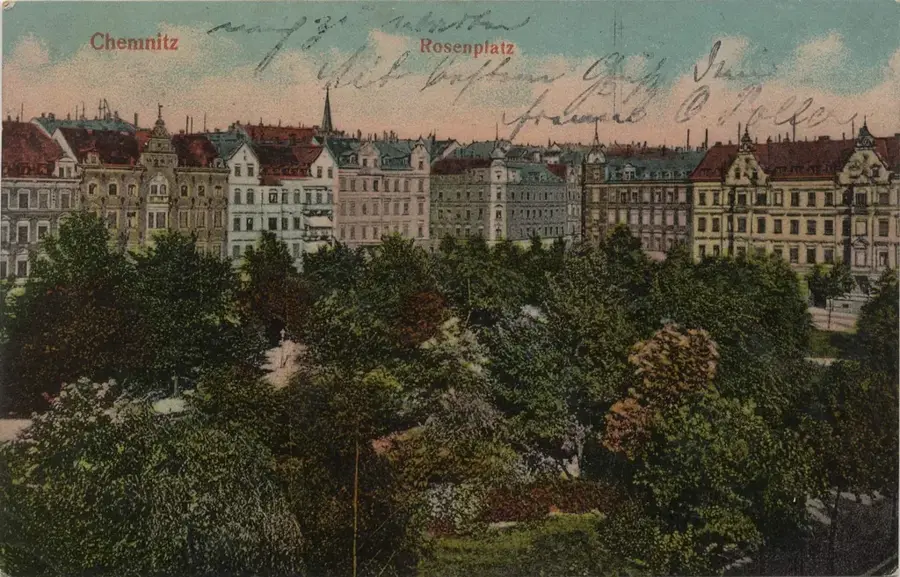
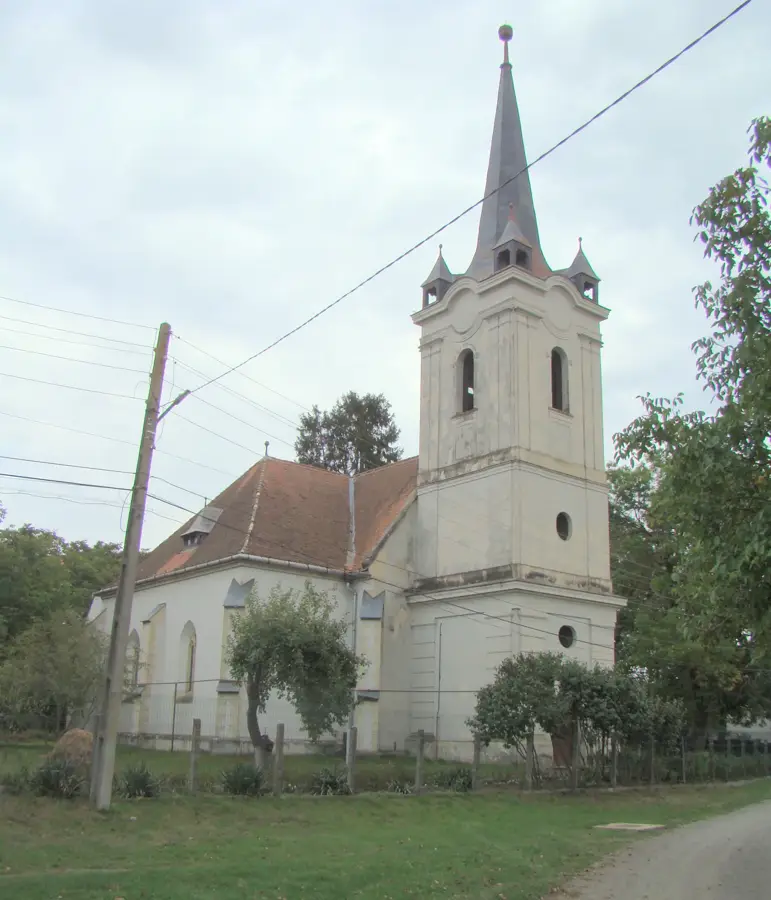
Nature
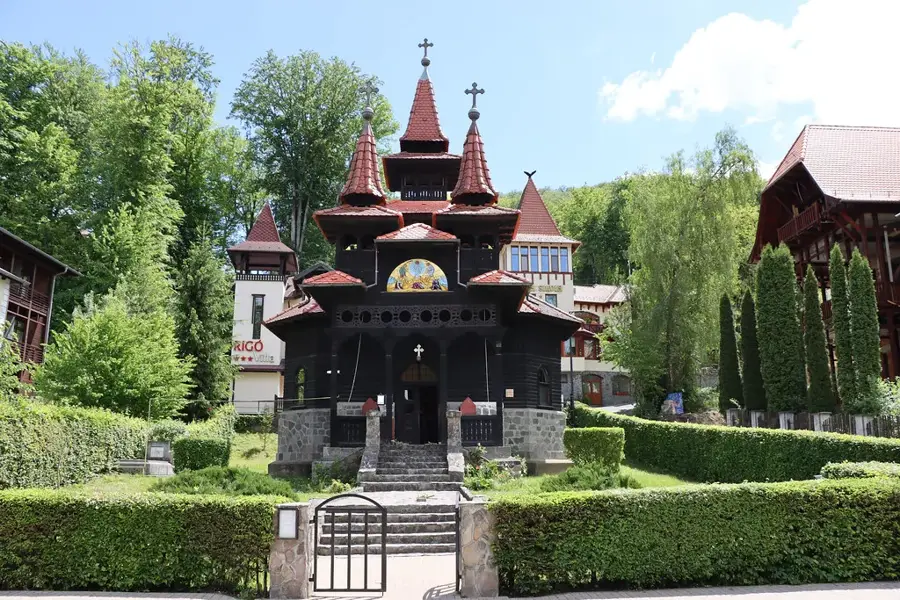
More places