Plizio Visual Lab
Sândominic
ℹ️Practical info — Sândominic
▾
🌤 Weather — 5 days
📍 Nearby
Sights nearby
💡 Tips
- Visit the Márton Áron Museum to learn about the famous bishop, but check if prior appointment is needed.
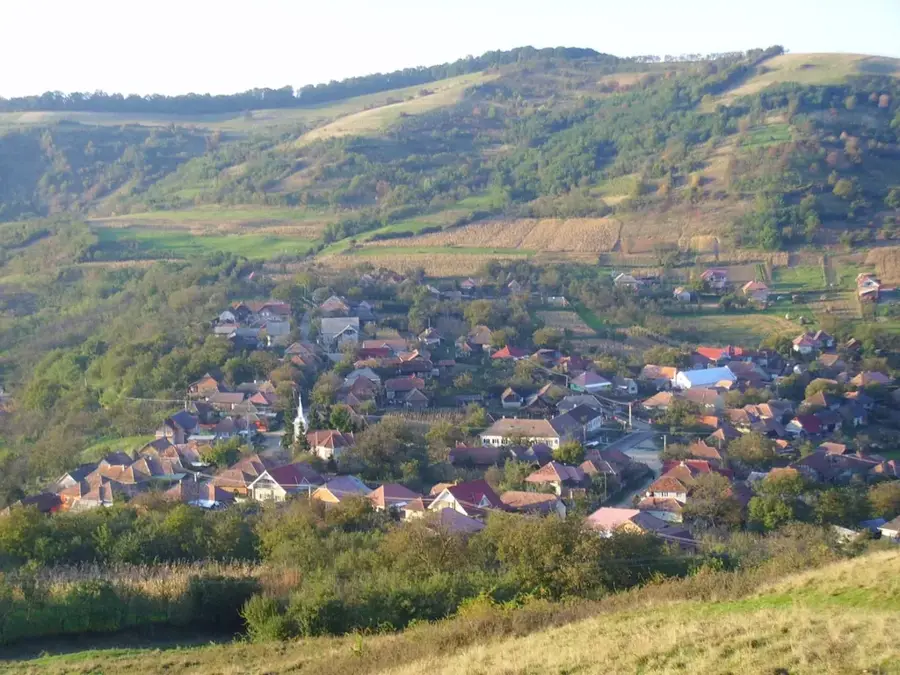
- Walk the side streets (called 'tízesek') to experience authentic Szekler village life and architecture.
- Greet locals with 'Jó napot' (Hungarian) or 'Bună ziua' (Romanian) to receive a warm welcome.
- Hike to Pásztorbükk for a silent, panoramic view of the Piatra Singuratică (Lonely Rock) mountain.
- Look for the 'Székely Termék' (Szekler Product) label in shops for high-quality, authentic local goods.
🍽 Food
Traditional savory snacks, best when served fresh from a local bakery or guesthouse.
A rich meat stew with potatoes and local spices, a staple in village traditional eateries.
Caramelized sweet dough cooked over open fire, usually found at festivals or small stands.
🛍 Shopping · 🧘 Quiet spots
A museum and workshop where you can see and buy traditional weavings and woodcarvings.
Ask around for local women who still weave at home; they often sell handmade towels and tablecloths.
A historical site in the forest with a small wooden chapel and a wide-open, silent view.
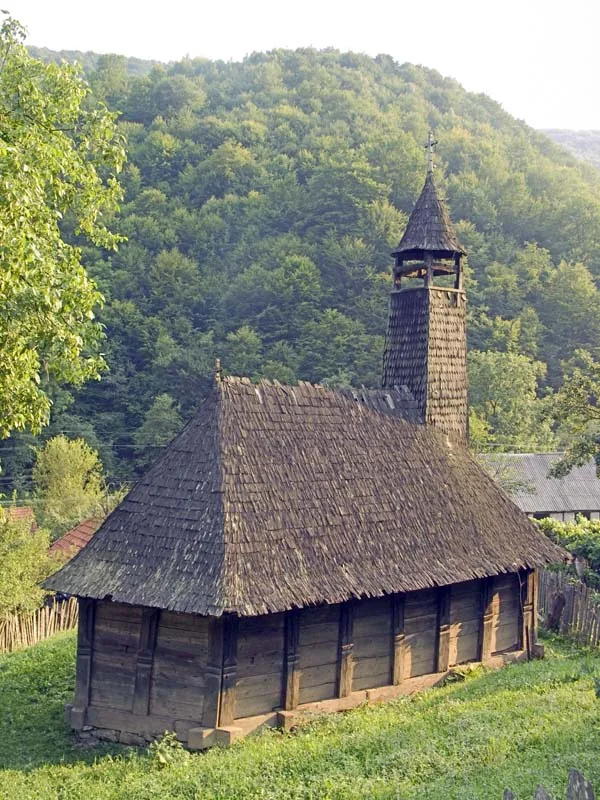
Built in 1787, this humble church is off the beaten path and provides a very peaceful atmosphere.
Water temperature…
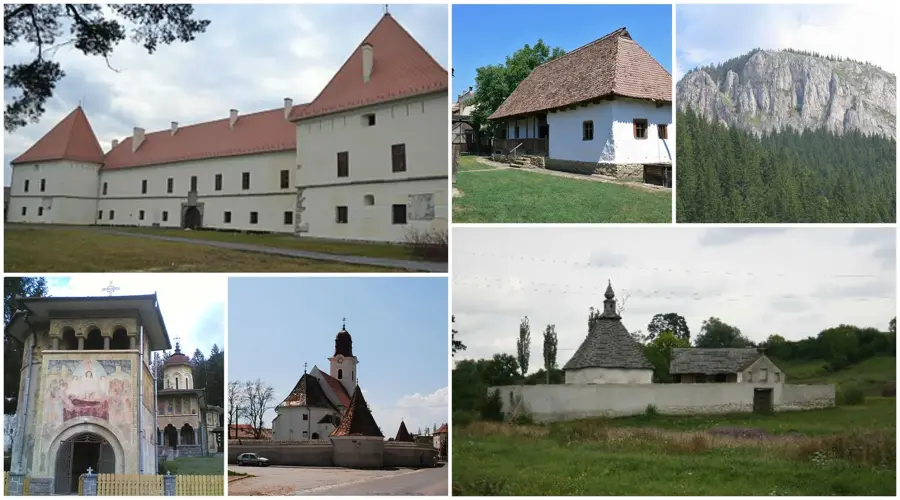
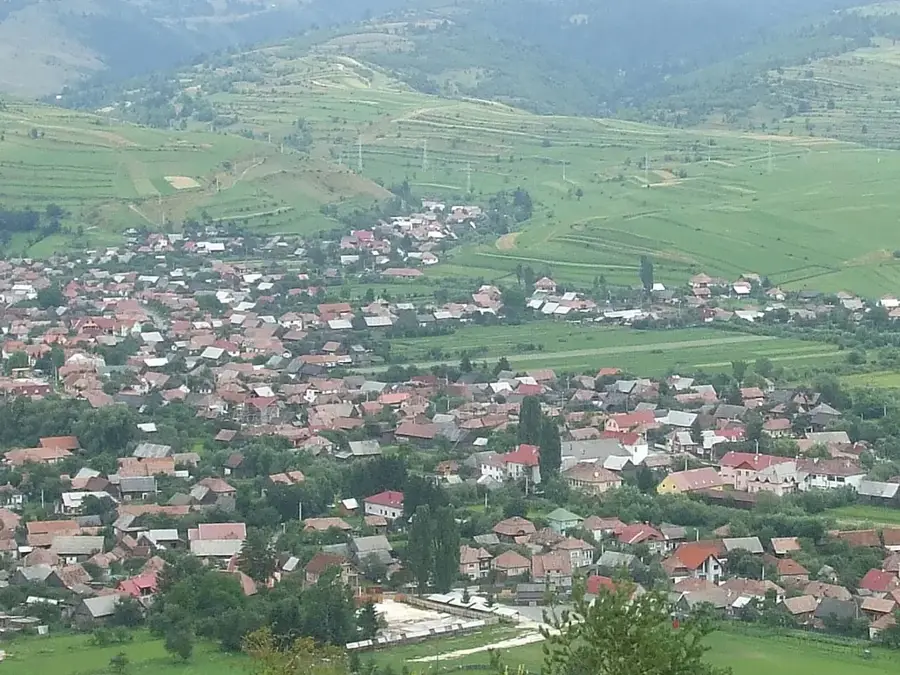
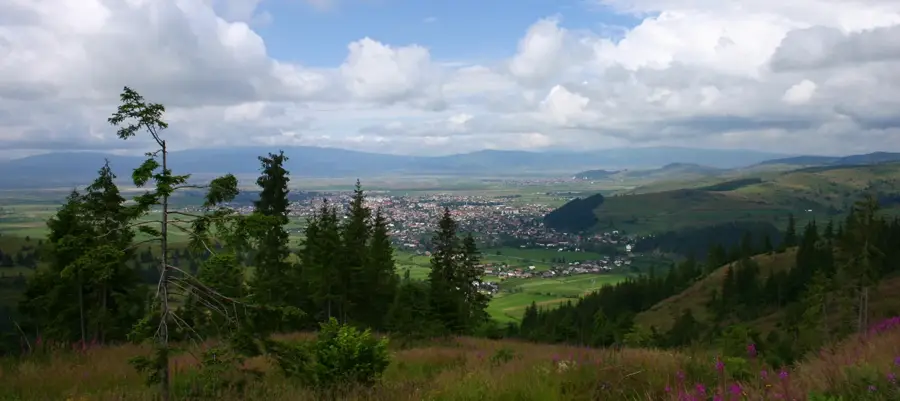
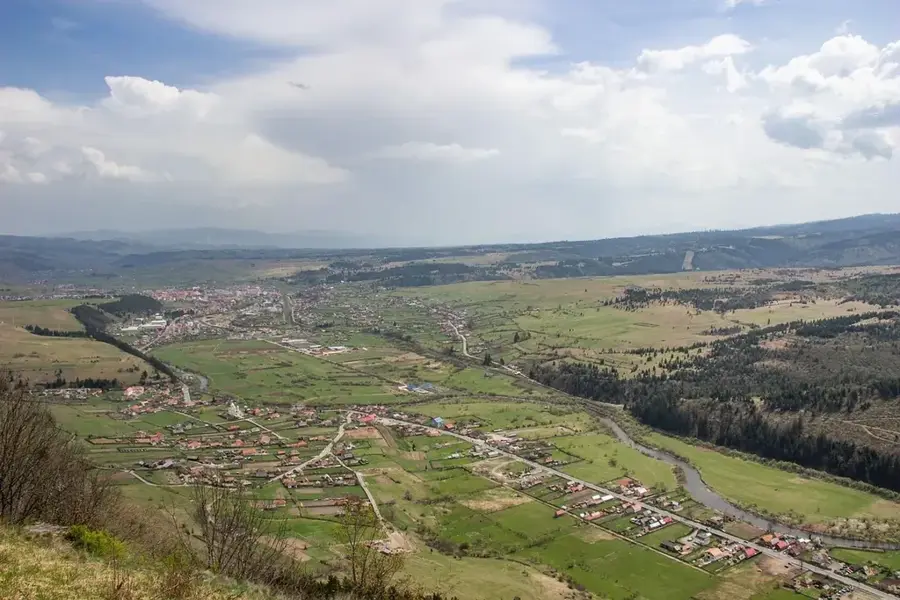
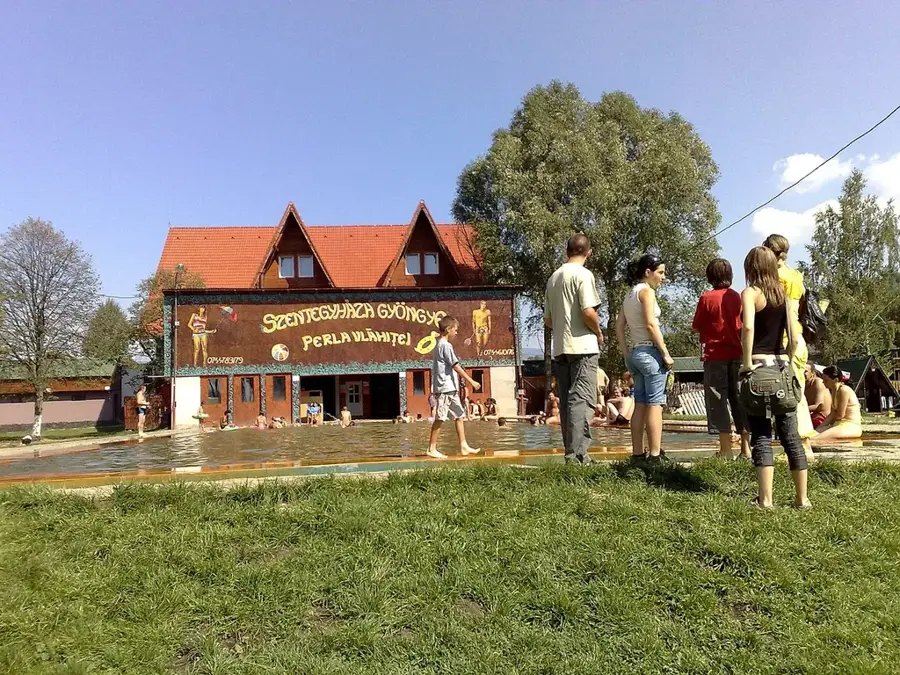
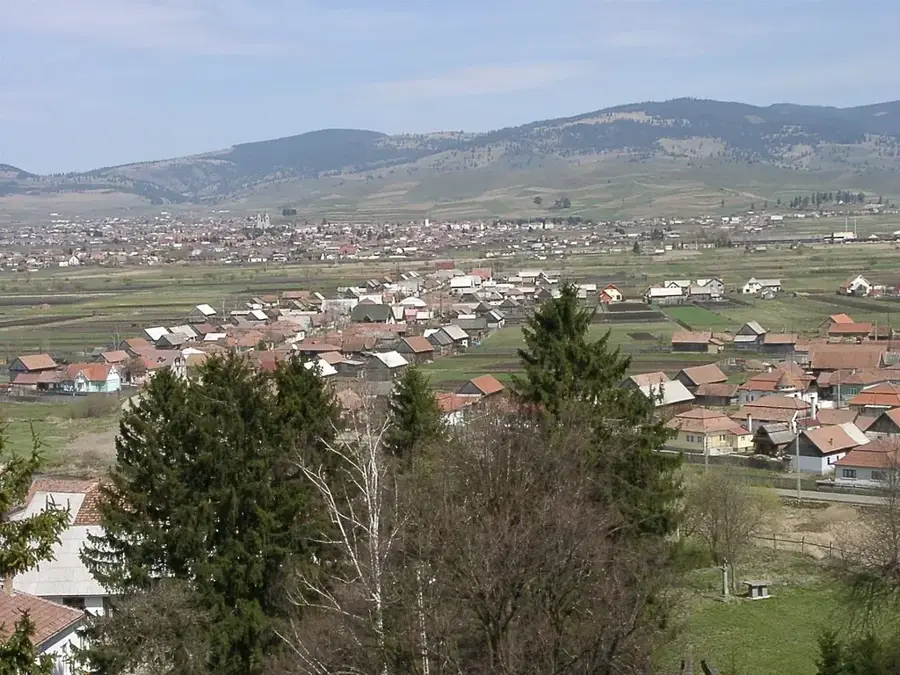
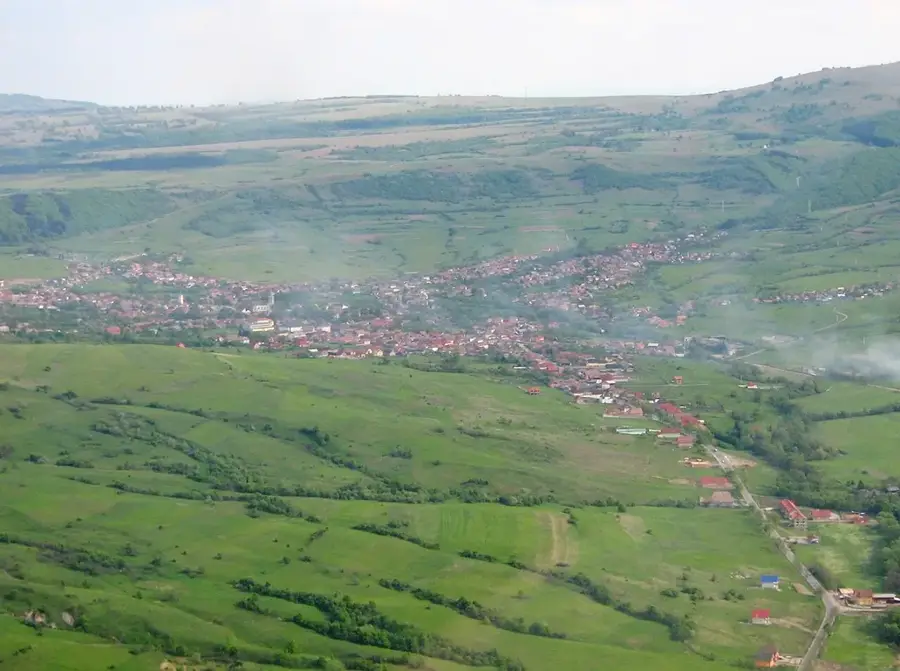
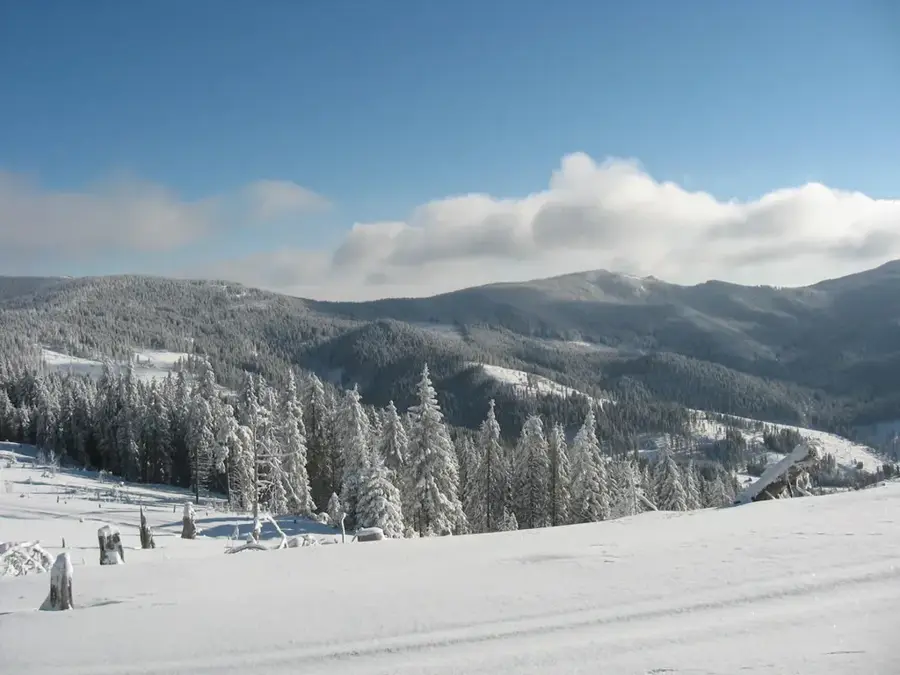
Sândominic, located at the northern tip of the Ciuc Basin in Harghita County, is one of the largest and most spiritually significant Szekler settlements in Transylvania. The village is famously known as the birthplace of Áron Márton, the influential Catholic Bishop who became a symbol of moral resistance against totalitarianism in the 20th century. Geographically, Sândominic sits in a dramatic alpine setting at the foot of the Hasmaș Mountains, near the source of the Olt and Mureș rivers. The landscape is dominated by the 'Lonely Stone' (Piatra Singuratică), a jagged rock formation that serves as a landmark for hikers and pilgrims alike. Historically, the villagers served as free border guards, a legacy reflected in their resilient community spirit and deeply ingrained folk traditions. The local economy is traditionally rooted in high-altitude cattle breeding and forestry, though it has evolved into a center for religious and eco-tourism. The village's architectural character is defined by grand carved Szekler gates and historic houses that showcase traditional craftsmanship. Cultural life in Sândominic is animated, characterized by colorful folk festivals, meticulous embroidery, and a strong adherence to Roman Catholic values, making it a cornerstone of Szekler cultural identity in the Eastern Carpathians.
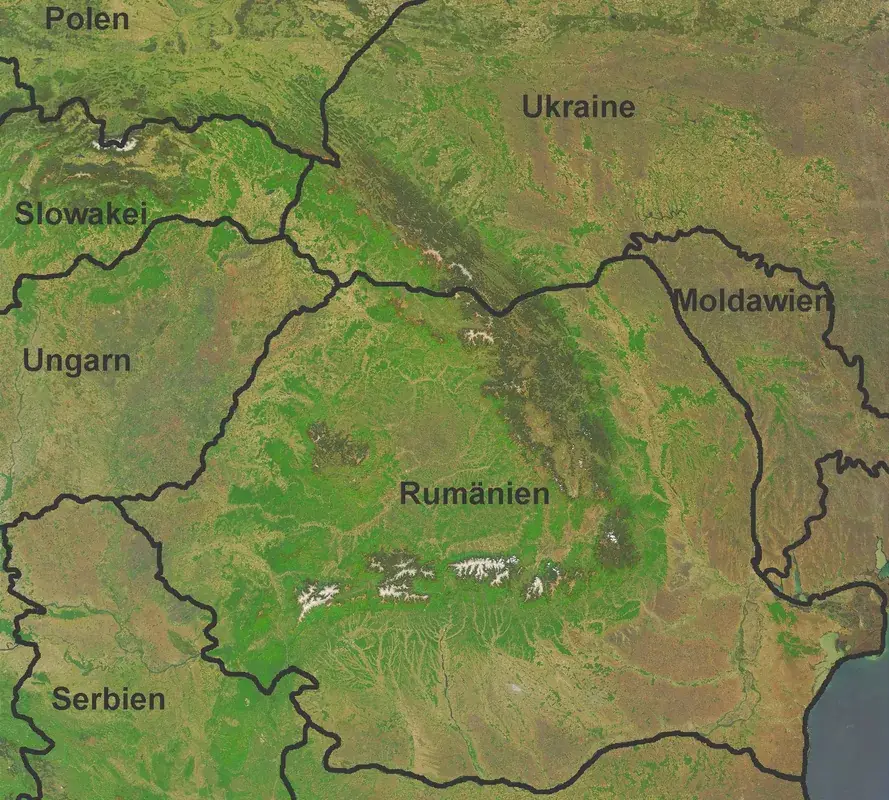
- Location: Harghita, Romania
- Top sights: Márton Áron Museum · Turnul Ciuntit · Museum Collection
- Nearby: Bălan (8 km)
- Population: ~5.667
Best time to visit & climate
The most pleasant time to visit is Jul–Sep.
| Jan | Feb | Mar | Apr | May | Jun | Jul | Aug | Sep | Oct | Nov | Dec | |
|---|---|---|---|---|---|---|---|---|---|---|---|---|
| Avg °C | -5 | -4 | 1 | 7 | 13 | 17 | 19 | 19 | 13 | 8 | 2 | -3 |
| Rain mm | 30 | 31 | 39 | 53 | 83 | 113 | 96 | 69 | 51 | 54 | 34 | 35 |
Geography
Facts
- Birthplace of the venerable Bishop Áron Márton.
- Located near the sources of the Olt and Mureș rivers.
- One of the largest Szekler rural settlements by population.
- Gateway to the Hasmaș Mountains and Piatra Singuratică.
- Known for its distinct Szekler traditional architecture.
- Total population of approximately 5,667 residents.
Explore nearby
Notable places around



Route planner — Car & Motorhome
Where do you start? We build the route here, with stops and country notes along the way.
© OpenStreetMap contributors · OpenRouteService
Sights in the town Sândominic (8)
Frequently asked questions
Is there a museum in Sandominic?
What natural attractions are nearby?
How can I reach the village by train?
What traditional crafts are practiced here?
When does the village festival take place?
Sândominic: where is it located?
Sândominic: what is there to see?
Sândominic: when is the best time to visit?
Sândominic: why is it worth visiting?

Nearby cities
History & landmarks
Nature


More places