Plizio Visual Lab
Geoagiu
ℹ️Practical info — Geoagiu
▾
🌤 Weather — 5 days
📍 Nearby
Sights nearby
💡 Tips
- Visit the Roman Baths (Germisara) in the resort center; it's a unique circular ancient pool and usually free to enter.
- The Clocota Waterfall is thermal and never freezes, making it spectacular in winter with the rising steam.
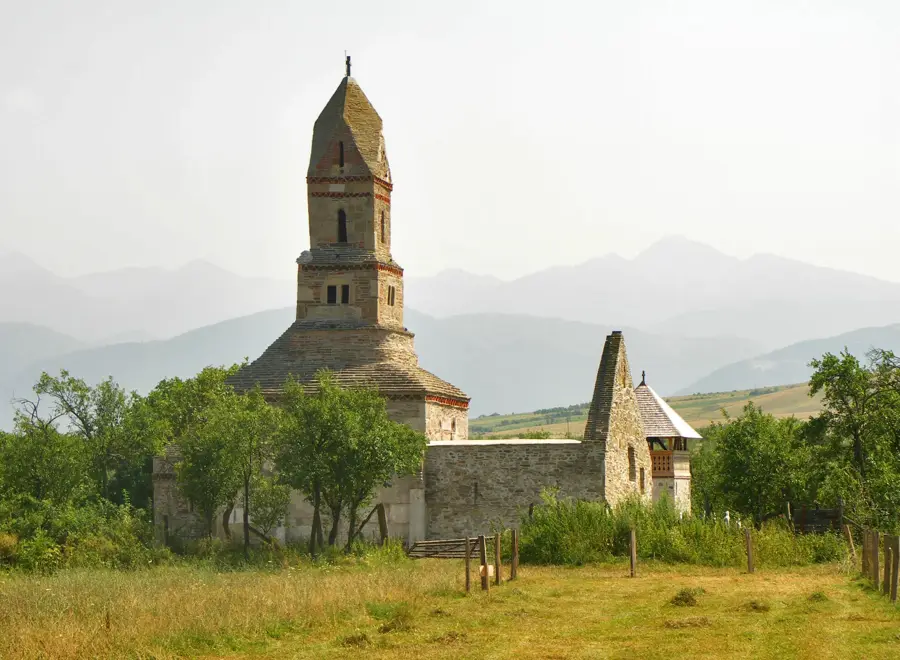
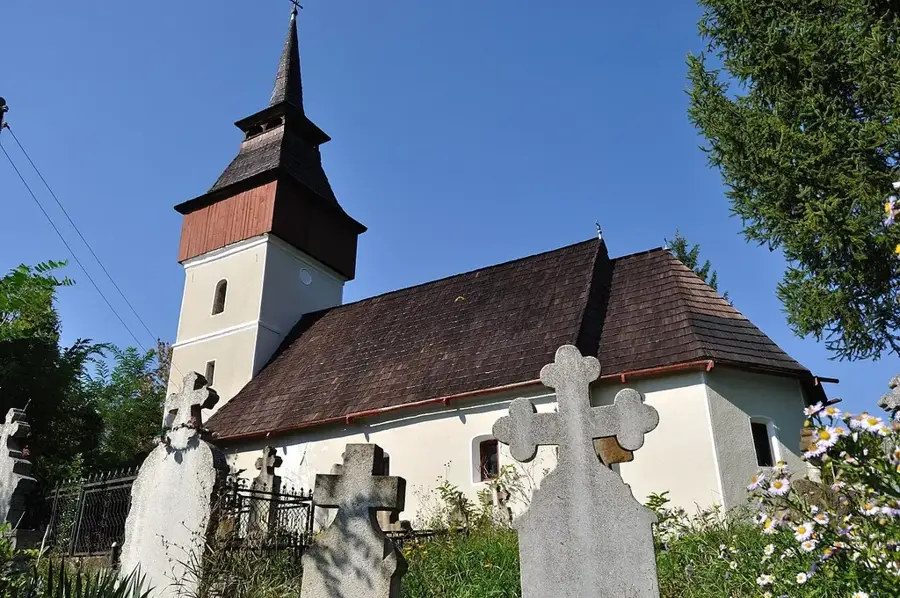
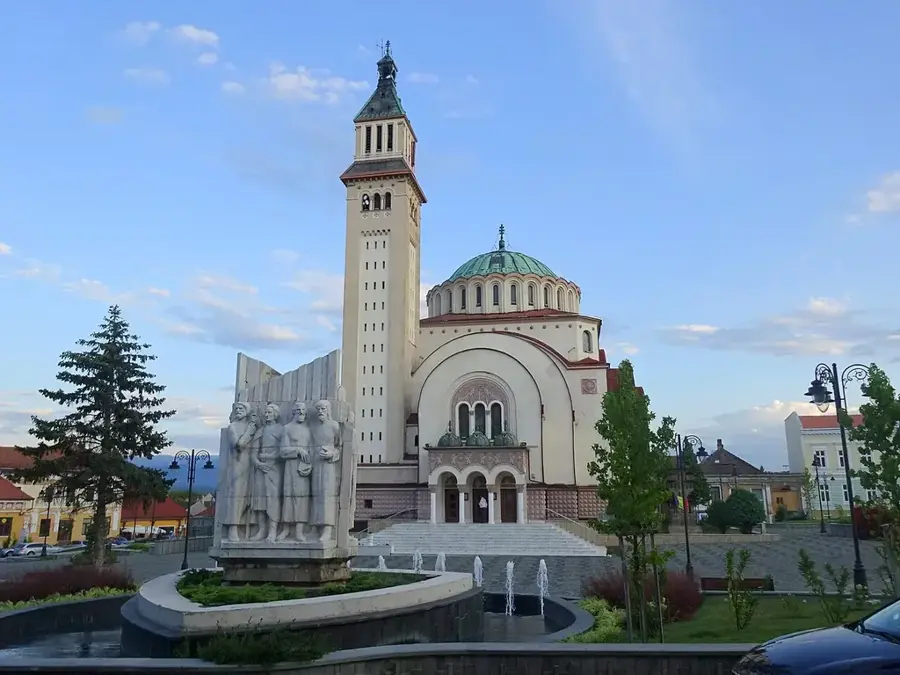
- Check out the Rotonda Church in Geoagiu town, which is one of the oldest stone churches in Romania.
- Be careful when descending into the ancient Roman basins, as the limestone steps can be very slippery.
🍽 Food
The most famous spot in the resort, known for its authentic Transylvanian (Ardelenească) cuisine.
A great choice for home-style Romanian cooking and traditional daily menus.
Good for barbecue dishes and classic regional meat specialties.
🛍 Shopping · 🧘 Quiet spots
Look for small stalls near the park selling authentic honey produced by beekeepers from the nearby hills.
Find handmade ceramics and woven textiles typical of the Hunedoara region at the local souvenir stands.
A short walk through the forest leads to Grota Haiducilor, a peaceful spot away from the main crowds.
The shaded benches under ancient trees provide a calm retreat between thermal bath sessions.
Water temperature…
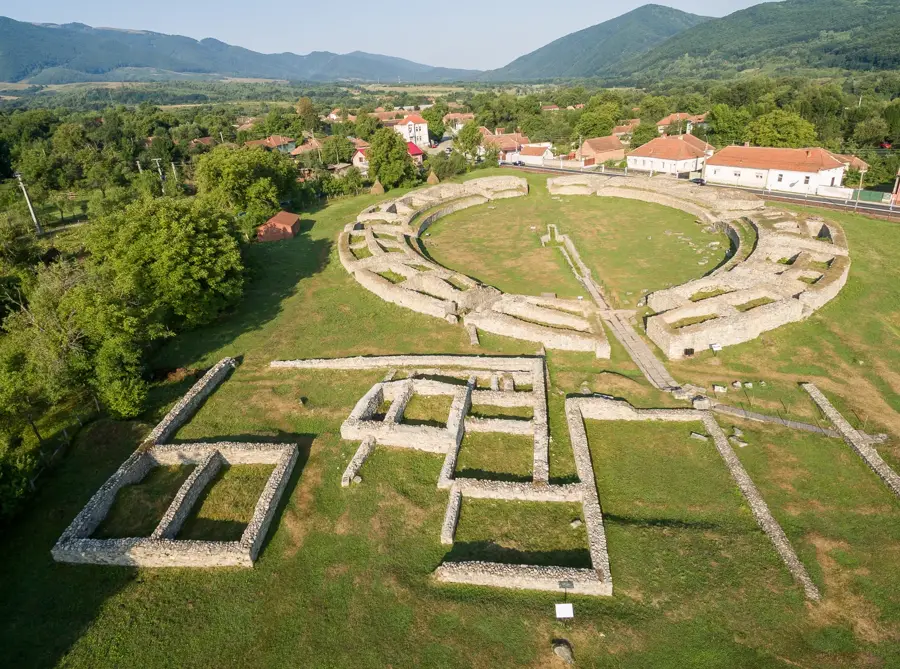
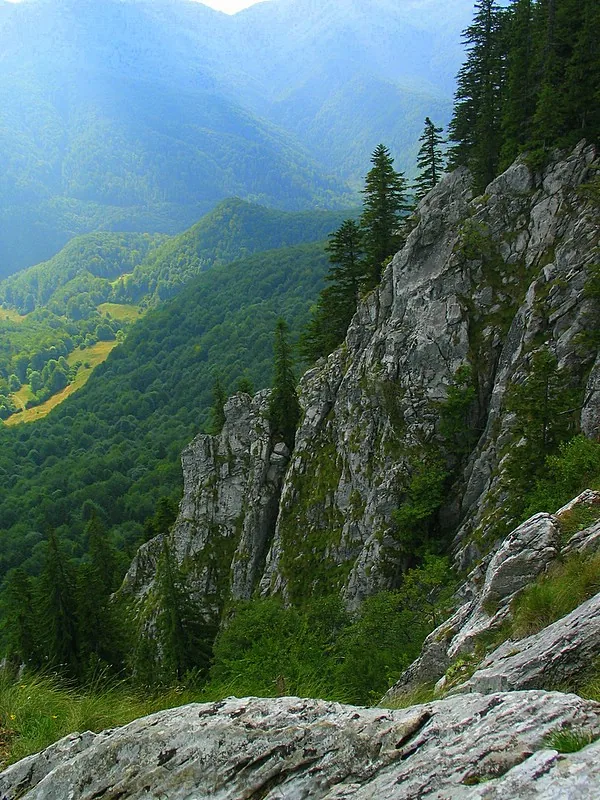
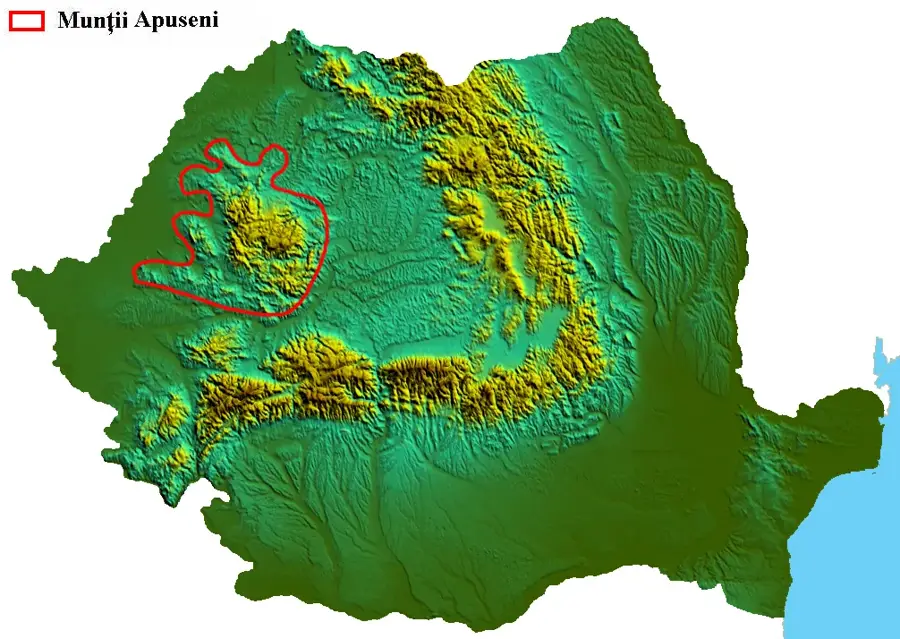
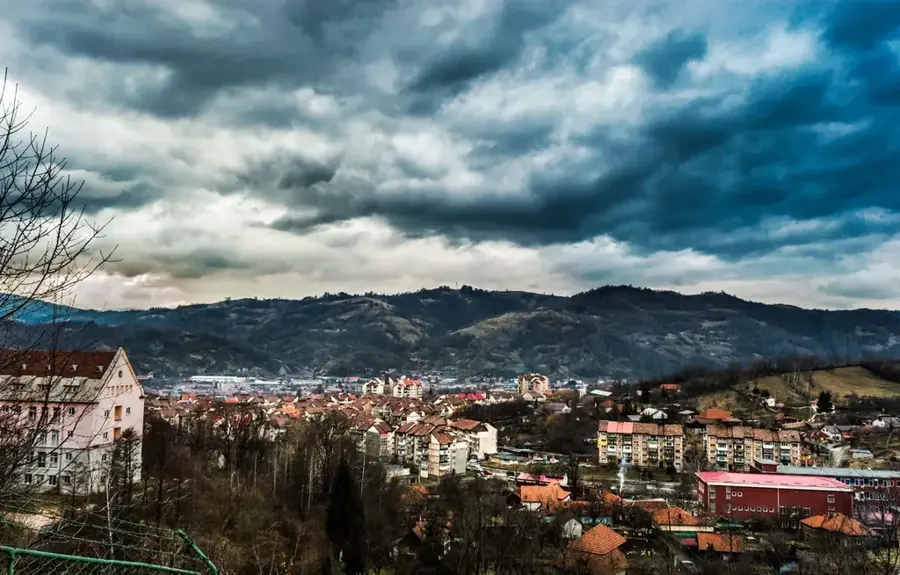
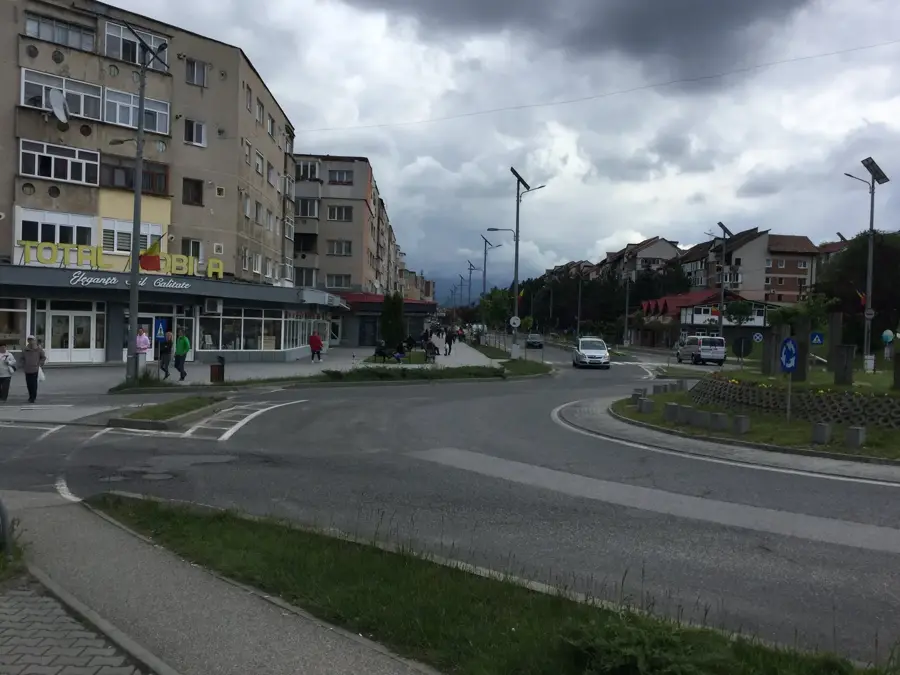
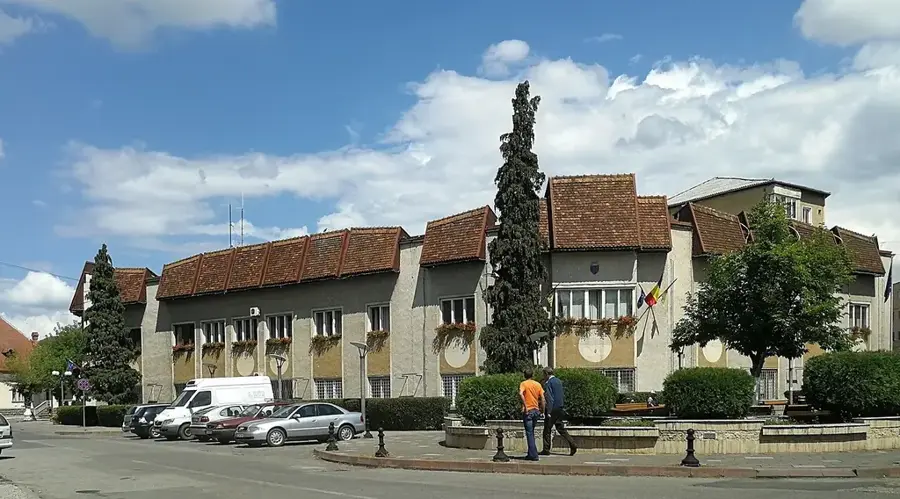
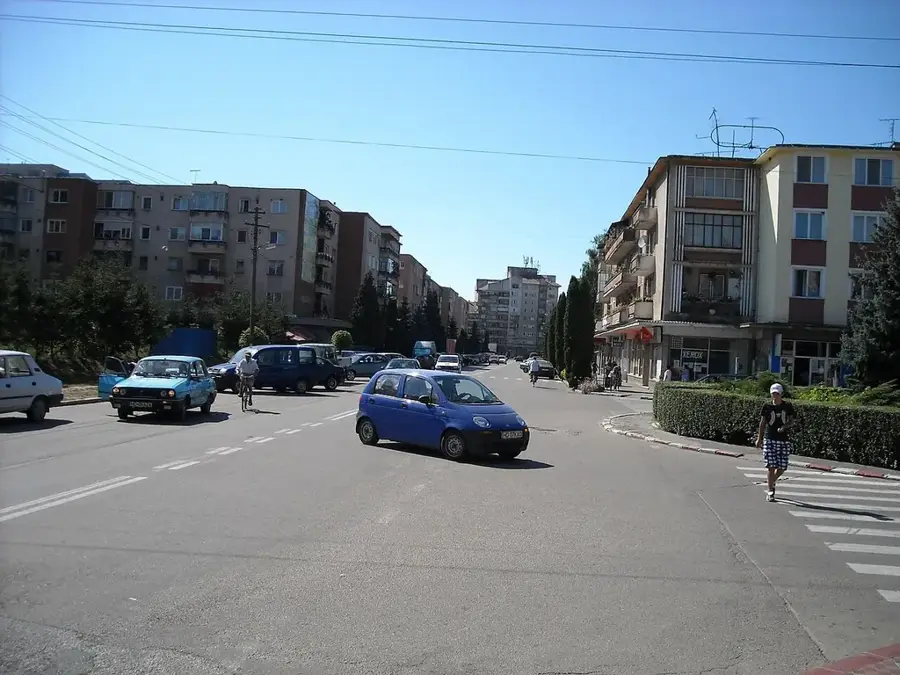
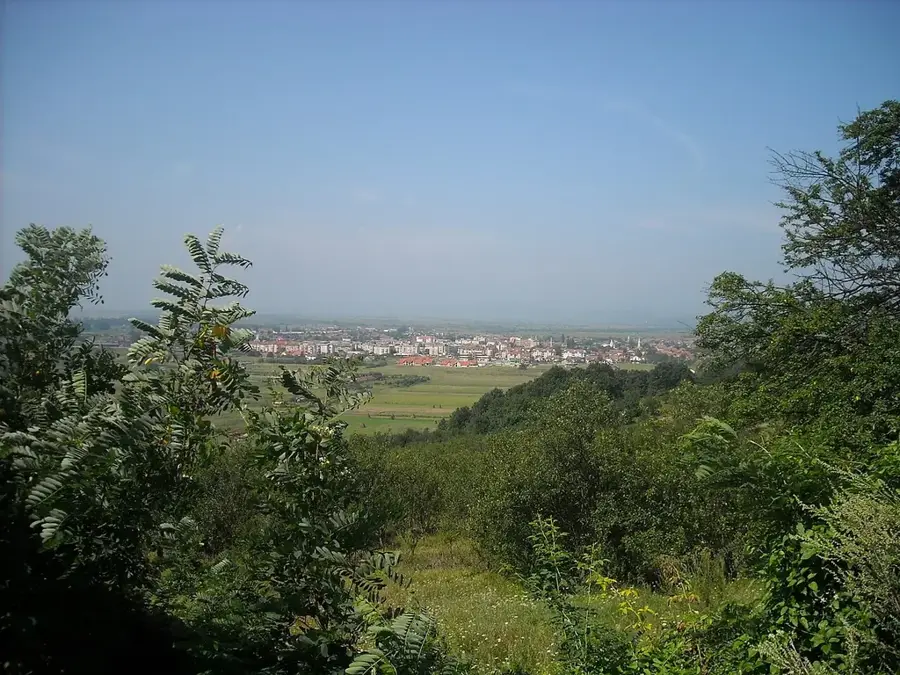
Geoagiu is a historic town in Hunedoara County, Transylvania, famously known for its thermal spa resort, Geoagiu-Băi. The town's legacy dates back to antiquity, when the Romans established the 'Germisara' baths, taking advantage of the naturally occurring warm springs. Geographically, Geoagiu is situated at the confluence of the Geoagiu and Mureș rivers, at the foothills of the Metaliferi Mountains. One of its most significant architectural landmarks is the 'Rotonda', a small circular church dating from the 11th century, which is among the oldest preserved stone churches in Romania. Throughout the Middle Ages, Geoagiu served as an important noble estate and administrative center. Today, the town's economy is primarily driven by balneotherapy and health tourism, attracting visitors year-round to its modern wellness centers and historic pools. The natural surroundings are equally captivating, featuring the Clocota Waterfall, a unique thermal waterfall known for its distinct calcium deposits. The community is dedicated to preserving its multi-ethnic heritage and promoting the region's rich archaeological sites. With its blend of ancient history, healing waters, and scenic beauty, Geoagiu remains a vital cultural and touristic node in western Romania.
- Location: Hunedoara, Romania
- Top sights: Germisara Roman Baths · Clocota Waterfall · Aurel Vlaicu Memorial Museum
- Nearby: Orăștie (9 km)
- Population: ~5.087
Best time to visit & climate
The most pleasant time to visit is Jun–Aug.
| Jan | Feb | Mar | Apr | May | Jun | Jul | Aug | Sep | Oct | Nov | Dec | |
|---|---|---|---|---|---|---|---|---|---|---|---|---|
| Avg °C | -2 | -1 | 4 | 10 | 15 | 19 | 22 | 22 | 16 | 10 | 5 | -1 |
| Rain mm | 35 | 33 | 42 | 57 | 82 | 98 | 88 | 66 | 53 | 54 | 42 | 40 |
Geography
Facts
- The Roman baths of Germisara feature carved basins in solid rock.
- Geoagiu was officially granted town status in the year 2000.
- The Rotonda church was built using Roman bricks and stones.
- Clocota Waterfall never freezes due to the warm thermal water.
- The town is located at an altitude of approximately 217 meters.
- The current population is recorded as 5,087 residents.
Explore nearby
Notable places around
Route planner — Car & Motorhome
Where do you start? We build the route here, with stops and country notes along the way.
© OpenStreetMap contributors · OpenRouteService
Sights in the town Geoagiu (7)
Aurel Vlaicu Memorial Museum🏛 museum
The birth house and museum of the Romanian aviation pioneer Aurel Vlaicu, located in the village bearing his name.
Frequently asked questions
What is the main attraction of Geoagiu-Băi?
How warm is the water in the resort?
Can the Clocota waterfall be visited for free?
Are there historical buildings in Geoagiu?
Is Geoagiu suitable for families?
Geoagiu: where is it located?
Geoagiu: what is there to see?
Geoagiu: when is the best time to visit?
Geoagiu: why is it worth visiting?

Nearby cities

History & landmarks
Nature
More places