Plizio Visual Lab
Călan
ℹ️Practical info — Călan
▾
🌤 Weather — 5 days
📍 Nearby
Sights nearby
💡 Tips
- The thermal baths at Călan-Băi have ancient Roman origins (Aquae); the naturally warm healing water is excellent, though the facilities are somewhat basic.
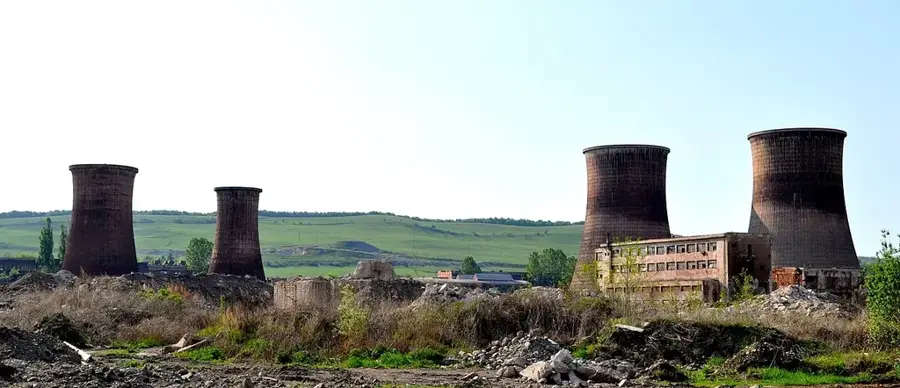
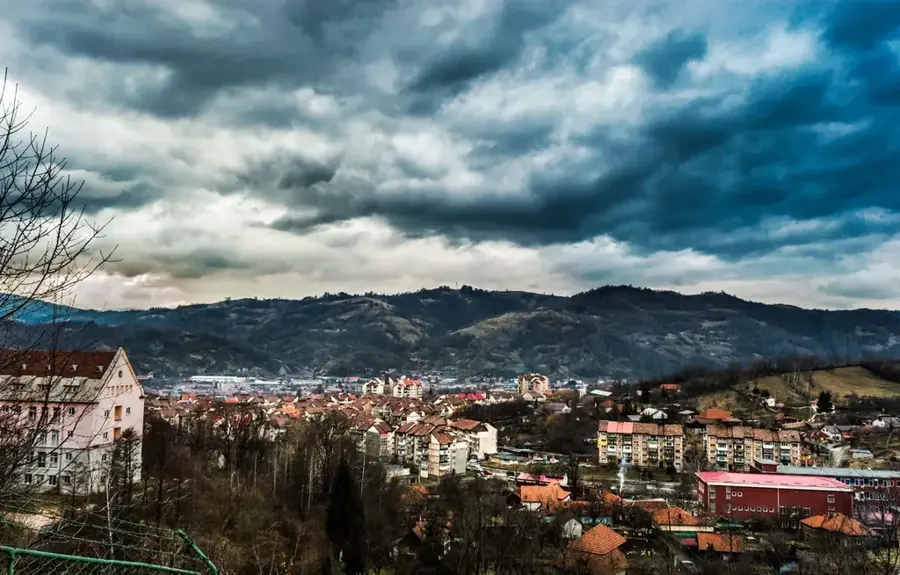
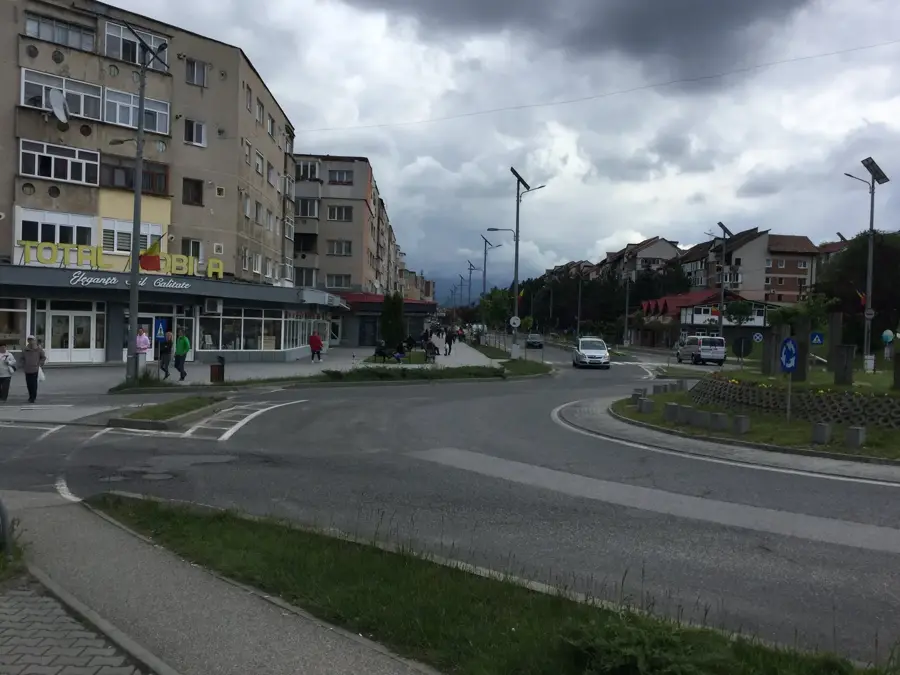
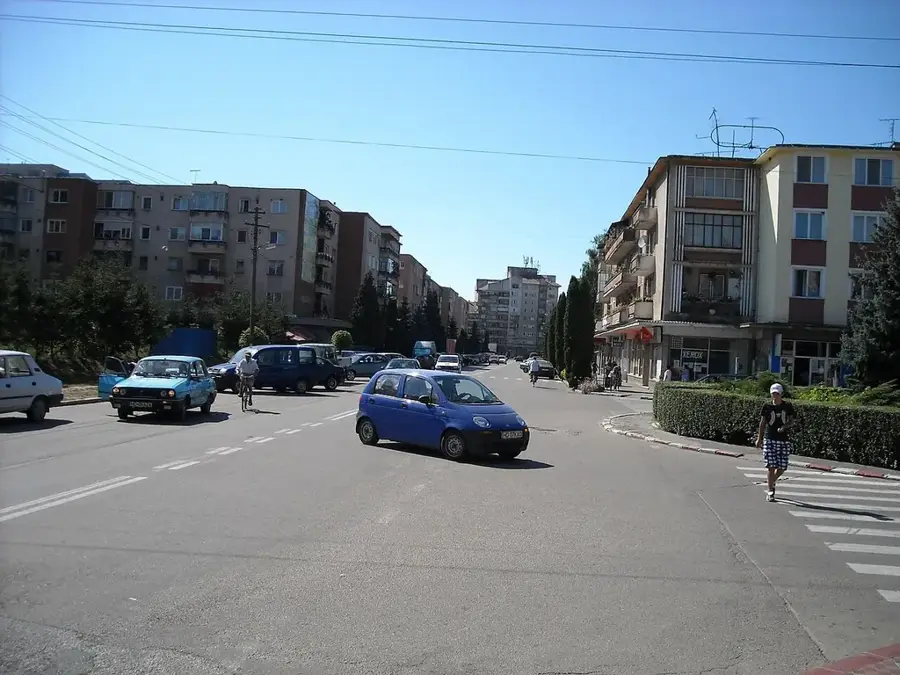
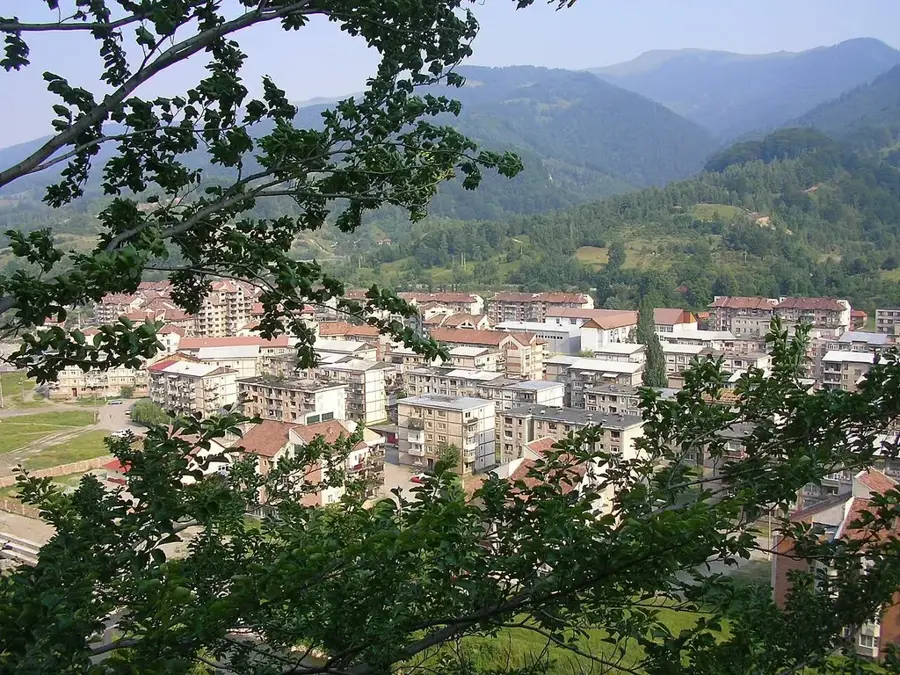
- The town is noticeably split between industrial ruins and older, greener residential parts; stick to the tree-lined neighborhoods for walking.
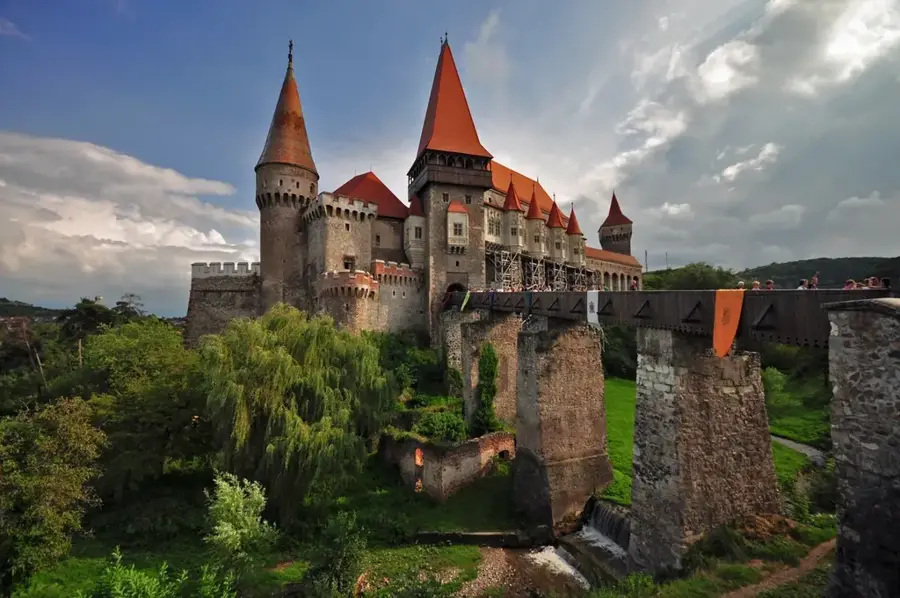
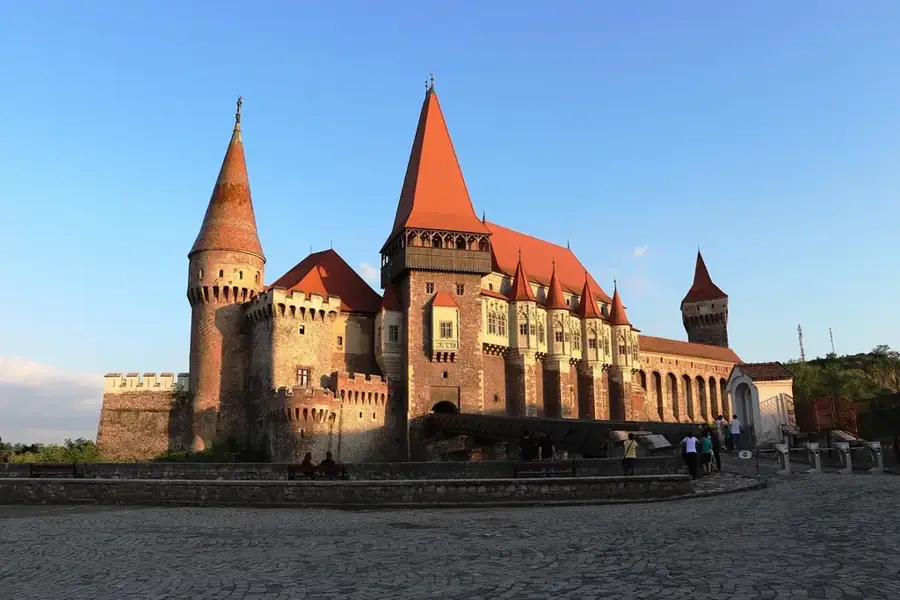
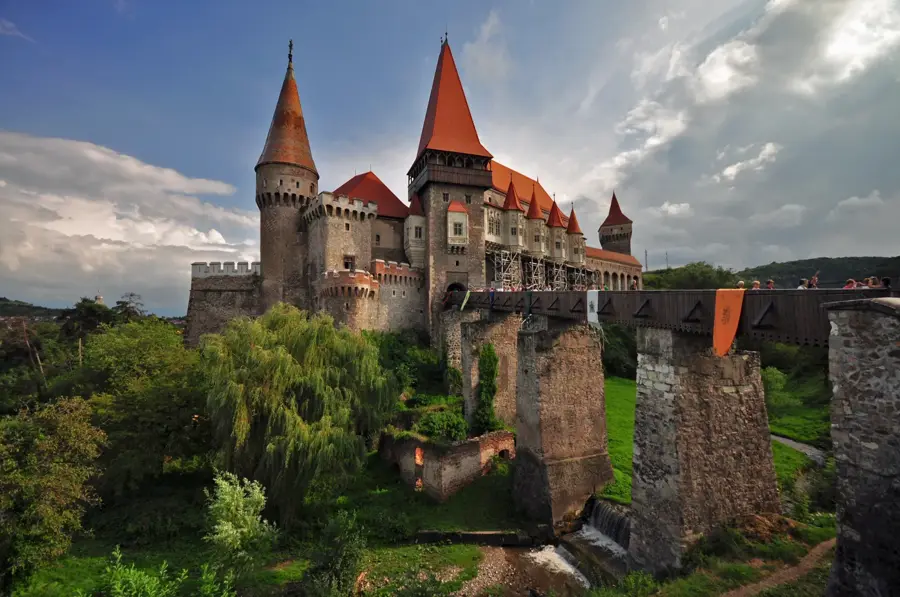
- Use Călan as a strategic and budget-friendly base to explore nearby Corvin Castle in Hunedoara and the dinosaur-famed Hațeg Country.
- Exercise caution if exploring near the old steel plant ruins; for safety, stick strictly to public roads and do not enter abandoned structures.
🍽 Food
These skinless sausages are best enjoyed at casual outdoor grills near the thermal bath area during warm summer evenings.
A hearty, garlic-heavy traditional soup, which is a staple at local roadside inns and traditional eateries along the main DN66 road.
Try these thin pancakes filled with local berry jam at the small cafes scattered around the town center.
🛍 Shopping · 🧘 Quiet spots
Excellent for sourcing authentic, homemade Transylvanian cheeses, smoked meats, and seasonal vegetables directly from locals.
Grab fresh 'covrigi' (Romanian pretzels) early in the morning for a quick and cheap snack before exploring.
The rural surroundings along the river offer very calm, undisturbed spots excellent for fishing or a nature walk.
The wooded area surrounding the thermal springs is naturally shaded, making it a very relaxing escape on hot days.
Water temperature…
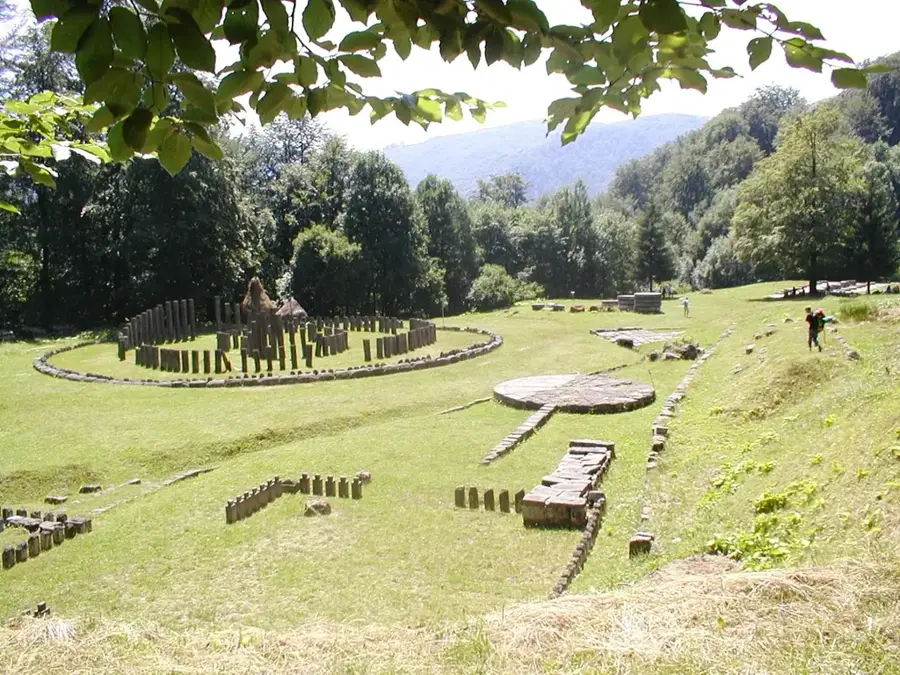
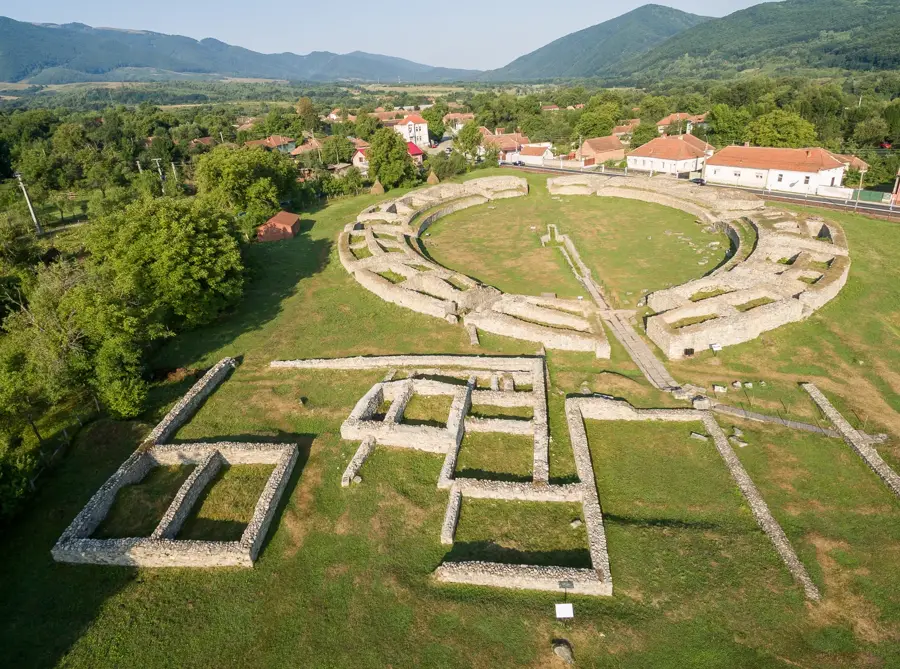
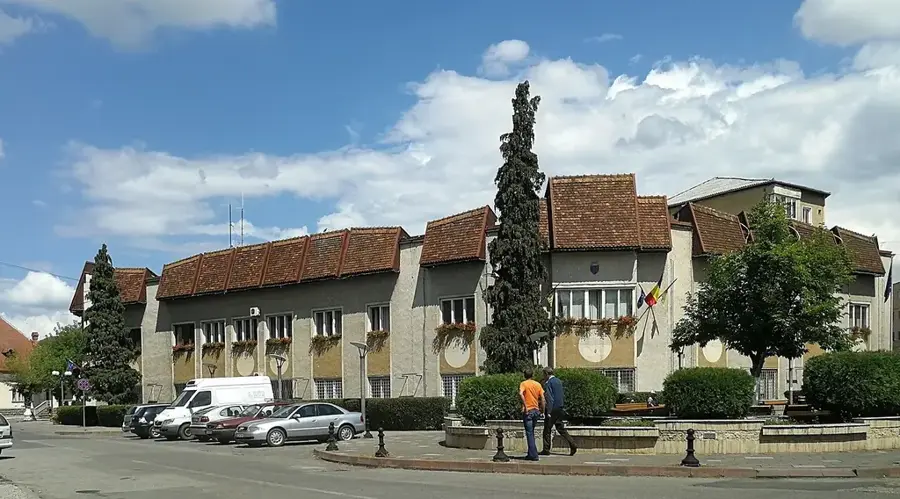
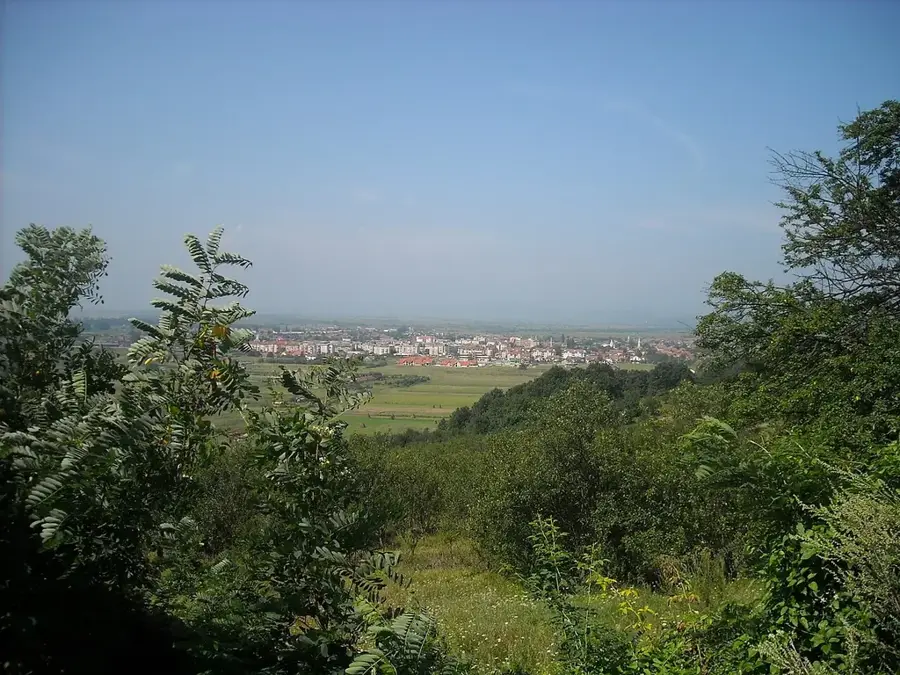
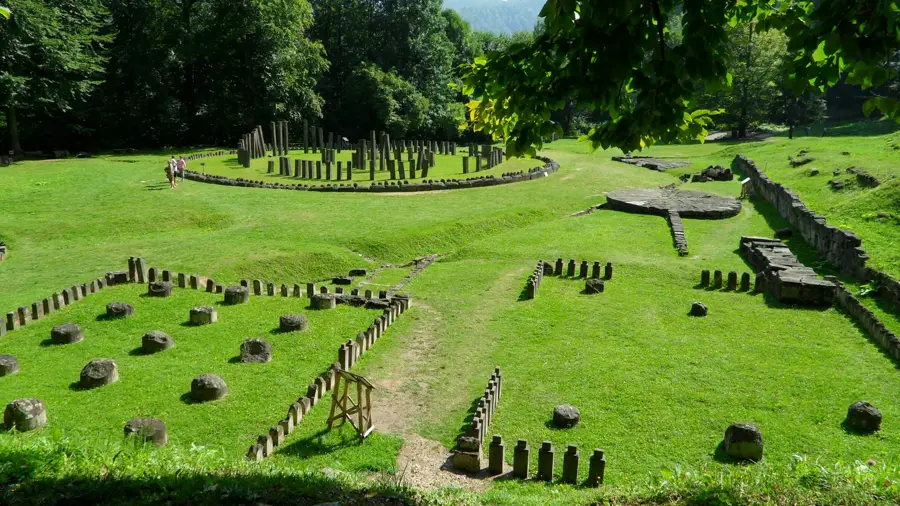
Călan is a town in Hunedoara County, Transylvania, uniquely characterized by its duality of ancient Roman heritage and heavy industrial history. Located along the Strei River, it was known in antiquity as 'Aquae,' serving as a sophisticated thermal spa for the Roman elite; the original stone-carved basin remains a significant archaeological landmark. In the modern era, Călan's trajectory was defined by the establishment of ironworks and coking plants, which catalyzed its growth into a prominent metallurgical center during the 19th and 20th centuries. The urban landscape is a testament to this period, featuring functionalist architecture and sprawling industrial sites. Following the transition to a market economy in the 1990s, the town faced significant challenges due to the closure of large-scale plants, leading to a focus on economic diversification and heritage preservation. Today, Călan is increasingly recognized as a strategic gateway to the Hațeg region and the Retezat National Park. Its geographical position facilitates easy access to medieval fortresses and natural reserves. Local initiatives are now aiming to revitalize the ancient thermal springs to boost tourism, blending health wellness with historical exploration. The town's population of around 10,000 residents maintains a resilient community spirit, bridging the gap between its prestigious past and a sustainable future.
- Location: Hunedoara, Romania
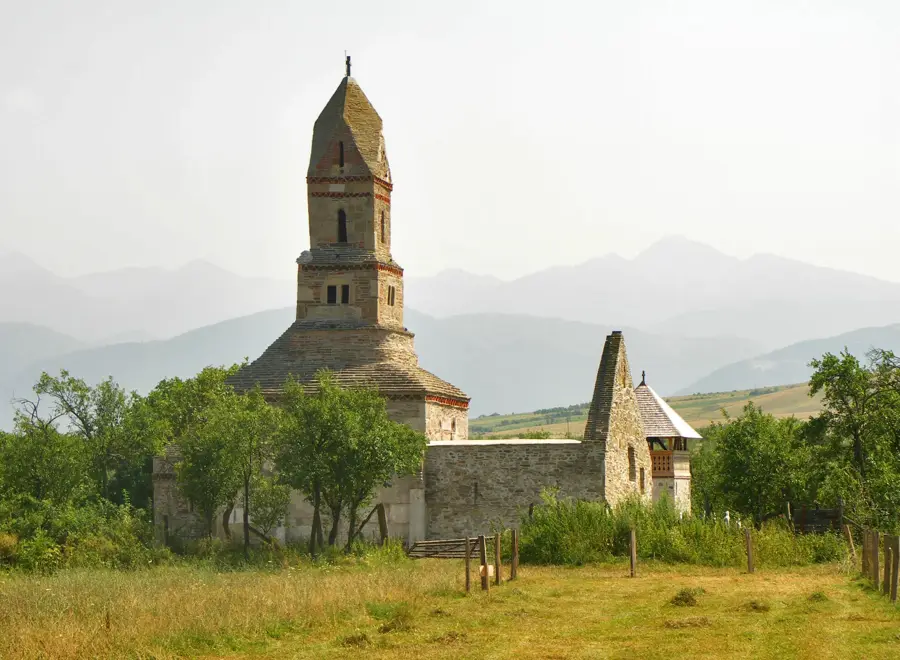
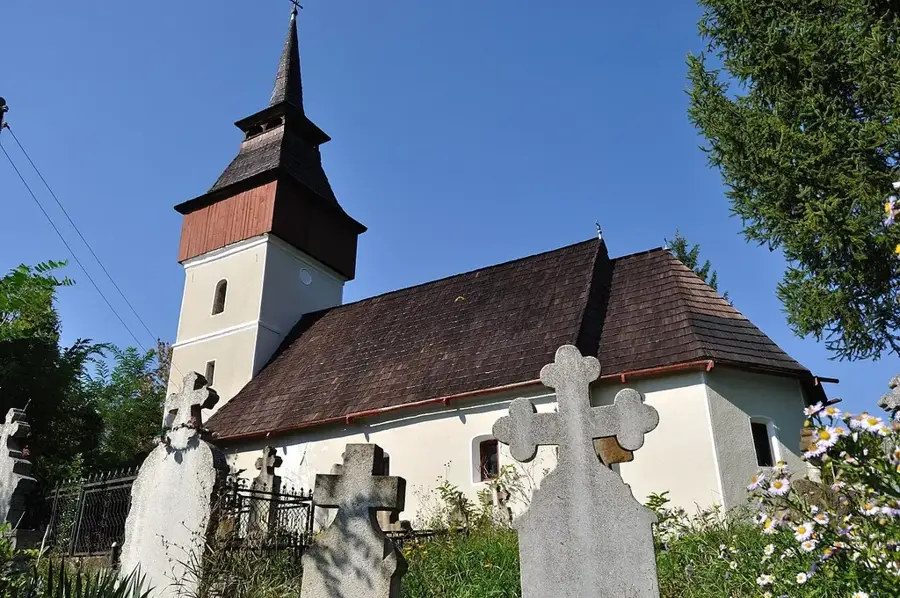
- Top sights: Strei Church · Streisângeorgiu Church · Băile Aquae Călan
- Nearby: Hunedoara (9 km)
- Population: ~10.055
Best time to visit & climate
The most pleasant time to visit is Jun–Aug.
| Jan | Feb | Mar | Apr | May | Jun | Jul | Aug | Sep | Oct | Nov | Dec | |
|---|---|---|---|---|---|---|---|---|---|---|---|---|
| Avg °C | -4 | -3 | 1 | 7 | 12 | 16 | 18 | 18 | 13 | 8 | 3 | -3 |
| Rain mm | 45 | 43 | 52 | 66 | 97 | 109 | 98 | 70 | 61 | 65 | 53 | 51 |
Geography
Facts
- Anciently known as 'Aquae' during the Roman occupation.
- Situated on the banks of the Strei River in Transylvania.
- Once home to one of Romania's largest coking plants.
- Current population is approximately 10,055 residents.
- The Roman bath basin is still preserved and visitable.
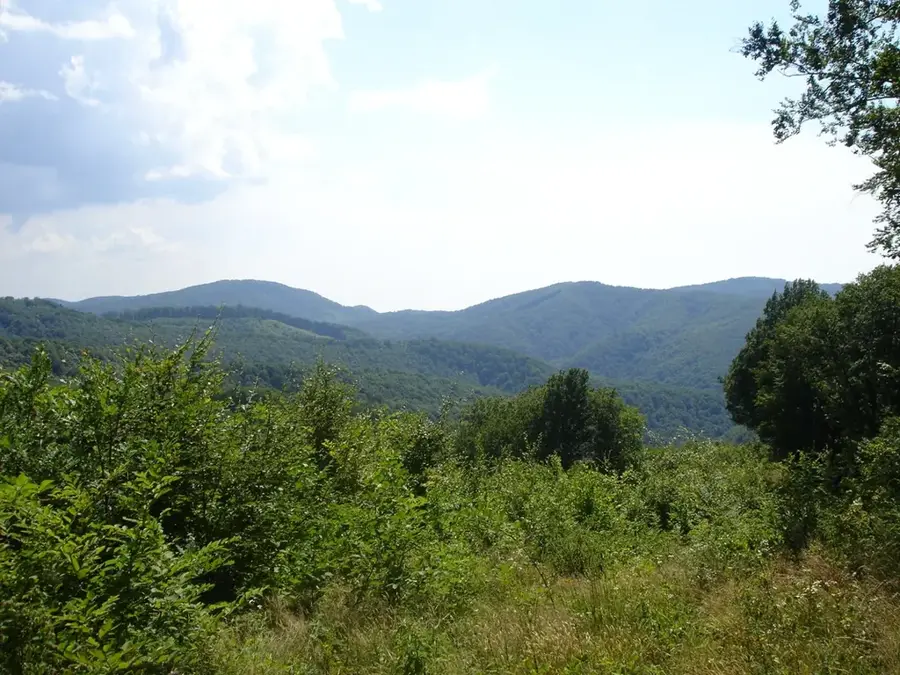
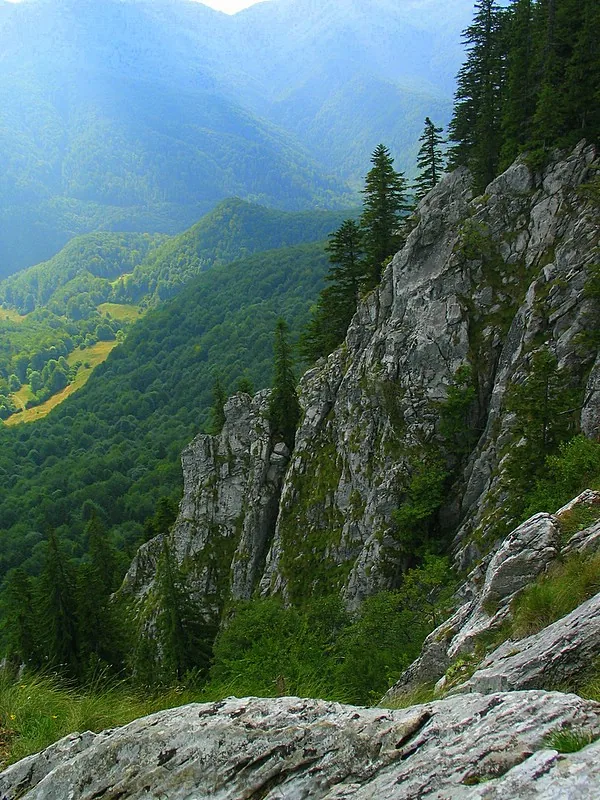
- Gateway to the historical region of Hațeg Country.
Explore nearby
Notable places around
Route planner — Car & Motorhome
Where do you start? We build the route here, with stops and country notes along the way.
© OpenStreetMap contributors · OpenRouteService
Sights in the town Călan (4)
Frequently asked questions
What historical monument is located in Călan?
What was the town known for in the 20th century?
Are there old churches near Călan?
On the banks of which river is the town located?
Are the Roman baths still functional today?
Călan: where is it located?
Călan: what is there to see?
Călan: when is the best time to visit?
Călan: why is it worth visiting?

Nearby cities

History & landmarks
Nature
More places