Plizio Visual Lab

Zlatna

Plizio editorial teamData Sources
City
—°2322
Zlatna (Romania)
ℹ️

Practical info — Zlatna

🌤 Weather — 5 days

📍 Nearby

Sights nearby

💡 Tips

  • Visit the Ethnographic Museum to understand the region's thousands of years of gold mining history.
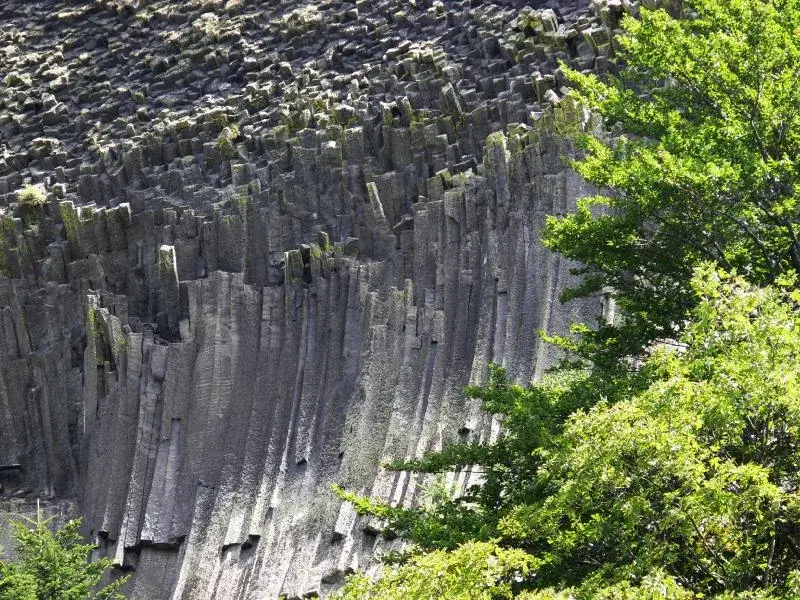
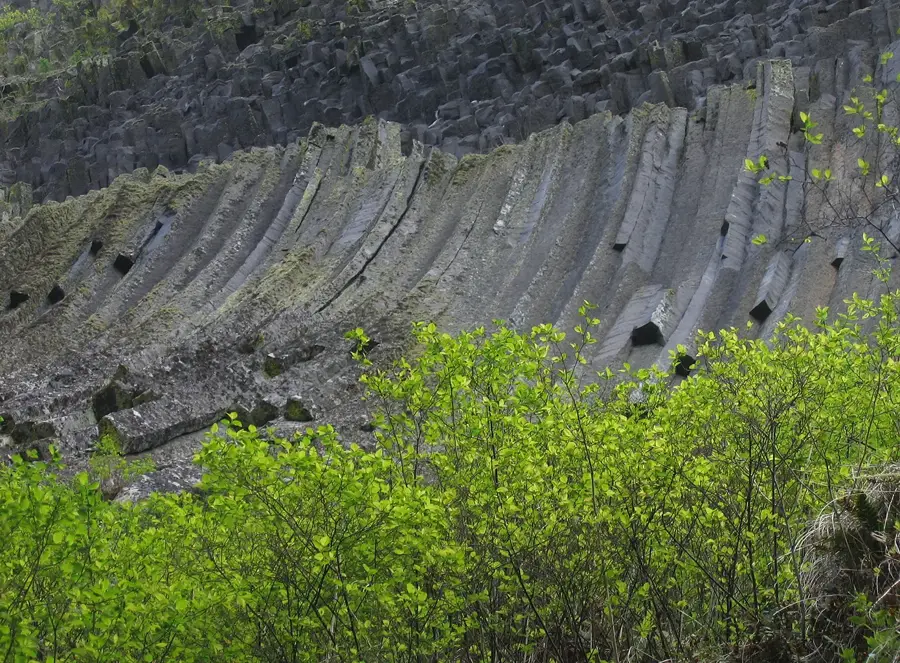
  • Plan a trip to the Detunatele basalt columns, spectacular rock formations about 30 km away.
  • Wear sturdy hiking shoes if you explore the old industrial sites or trails on the outskirts.
  • Enjoy the drive through the Ampoi Valley, one of the most scenic routes in the Apuseni Mountains.
  • Visit during local festivals to see the traditional folk costumes of the Moți highland people.

🍽 Food

🍽
Plăcinte pe lespede

Thin flatbreads filled with cheese or potatoes, traditionally baked on a hot stone slab.

🍽
Moț style Balmoș

A nutritious dish made of cornmeal boiled in sheep's milk or sour cream with plenty of cheese.

🍽
Zlatna Fruit Brandy

Try the strong local spirit (Pălincă) distilled in the surrounding mountain villages.

🛍 Shopping · 🧘 Quiet spots

🛍
Mineral souvenirs

Look for local rock specimens or minerals that reflect the town's mining heritage.

🛍
Apuseni forest honey

Rich honey from high-altitude wild flowers, bought directly from local beekeepers.

🧘
Ampoi river paths

Quiet paths along the river, convenient for a picnic or a relaxed break in the greenery.

🧘
Feneș Gorges

A spectacular nature reserve nearby that features silence and impressive rock formations.

Highlights of 2026

2

Rehabilitation of the Corneliu Medrea High School dormitory

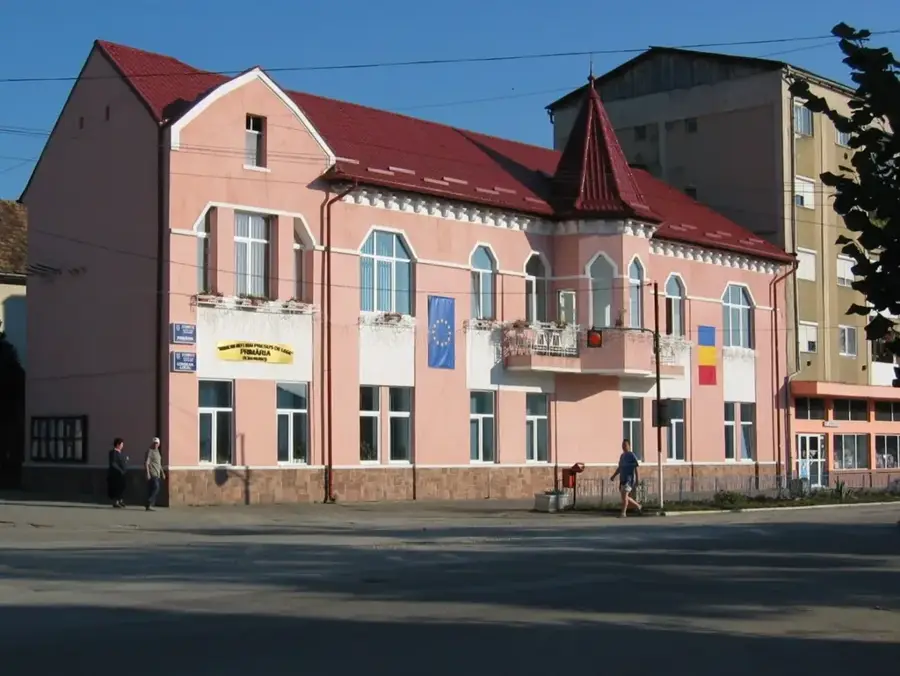
The Zlatna City Hall announced the launch of a project for the rehabilitation of the dormitory building at the Corneliu Medrea High School. The investment aims to modernize housing conditions for students attending the local educational institution.
Approval of the 2026 Local Budget for Zlatna

The Local Council approved the draft resolution regarding the 2026 local budget for the city of Zlatna. The document establishes the funding priorities for public investments and administrative services within the community.

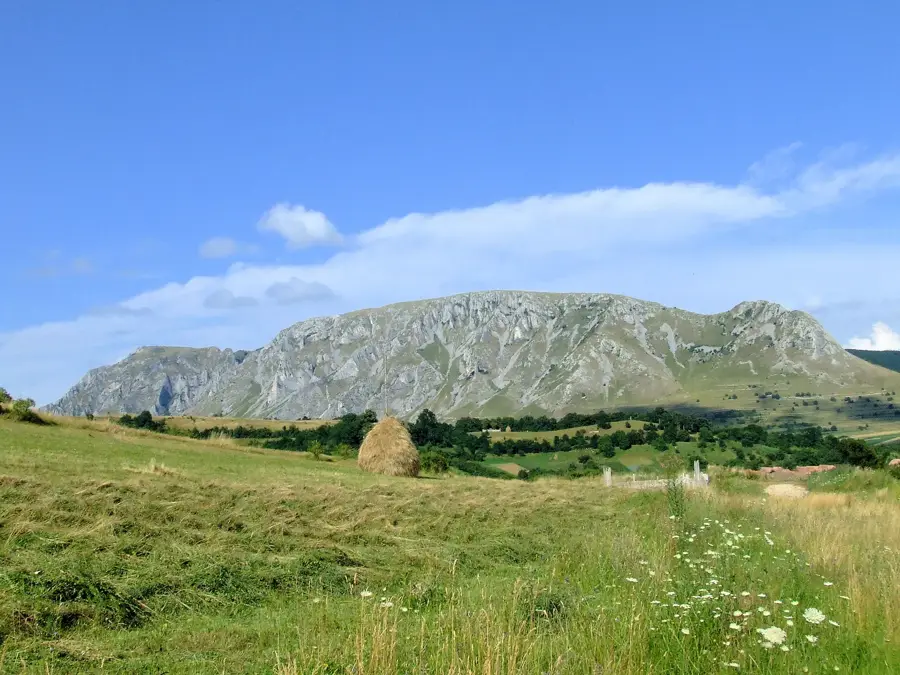
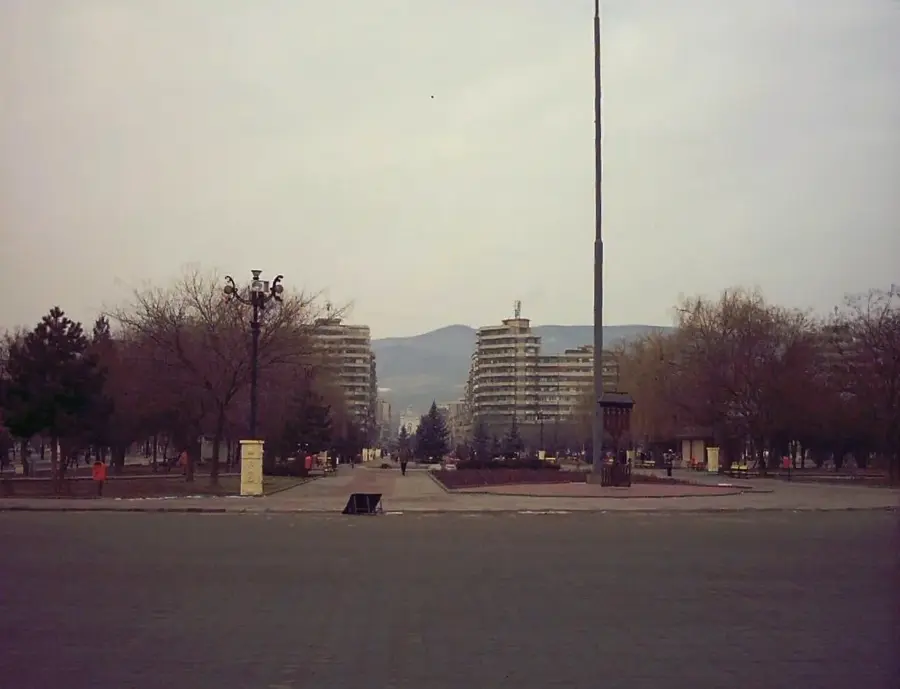
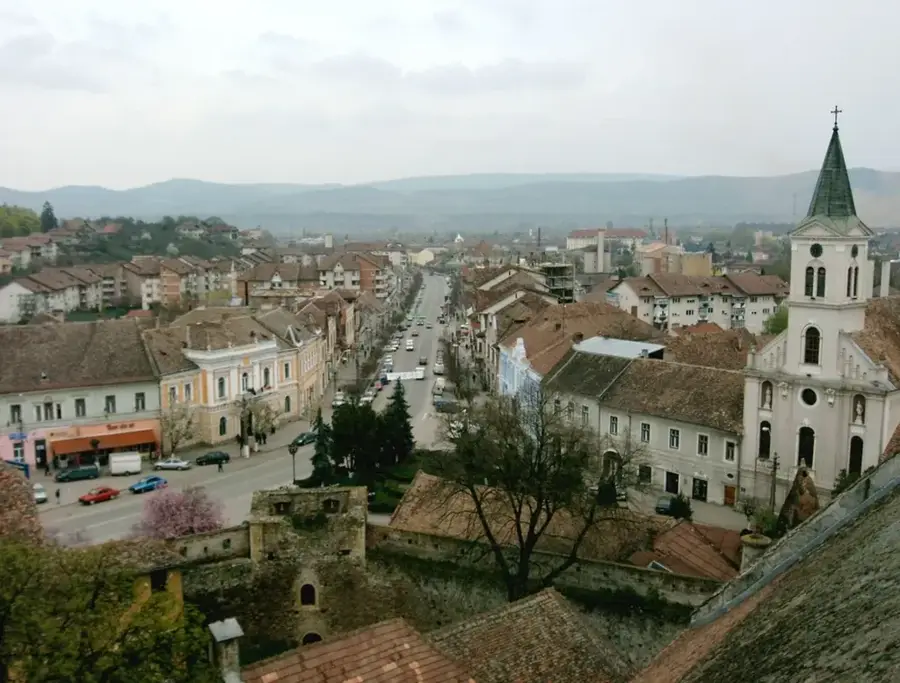
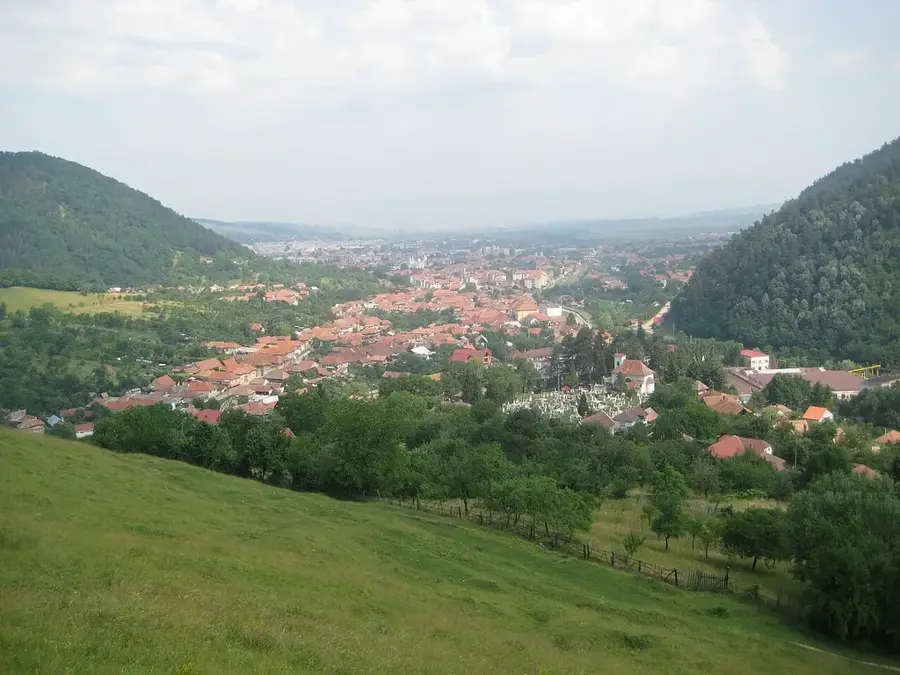
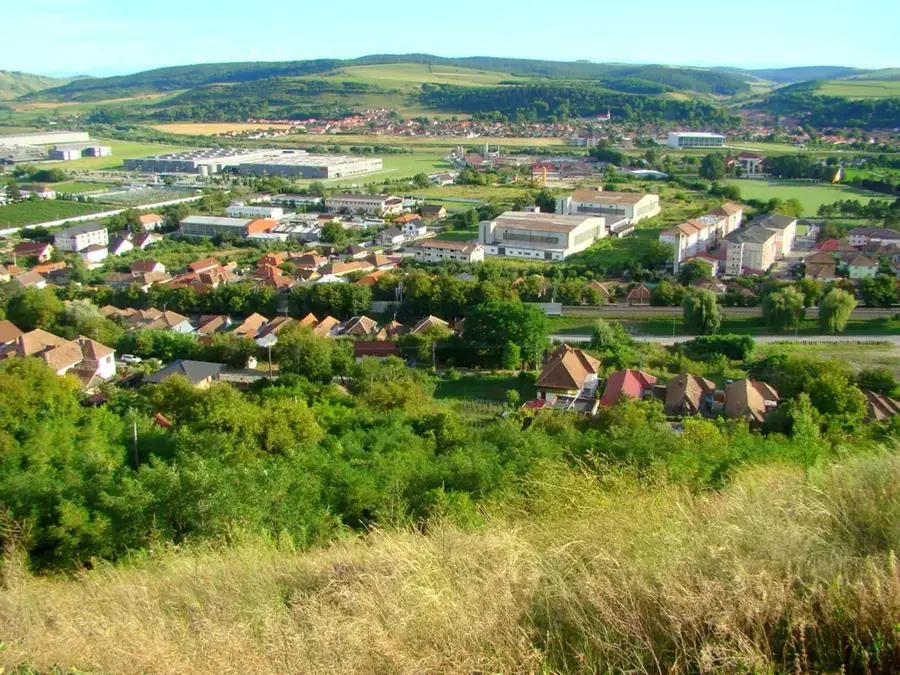
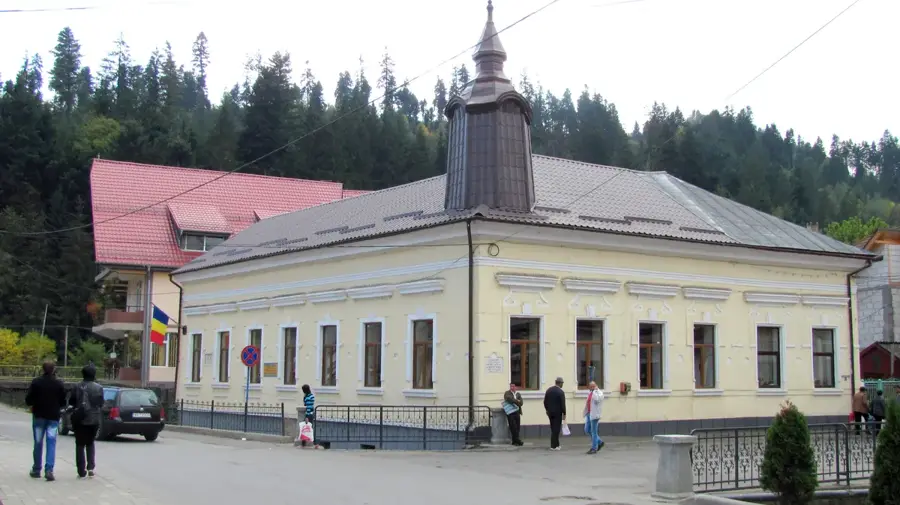
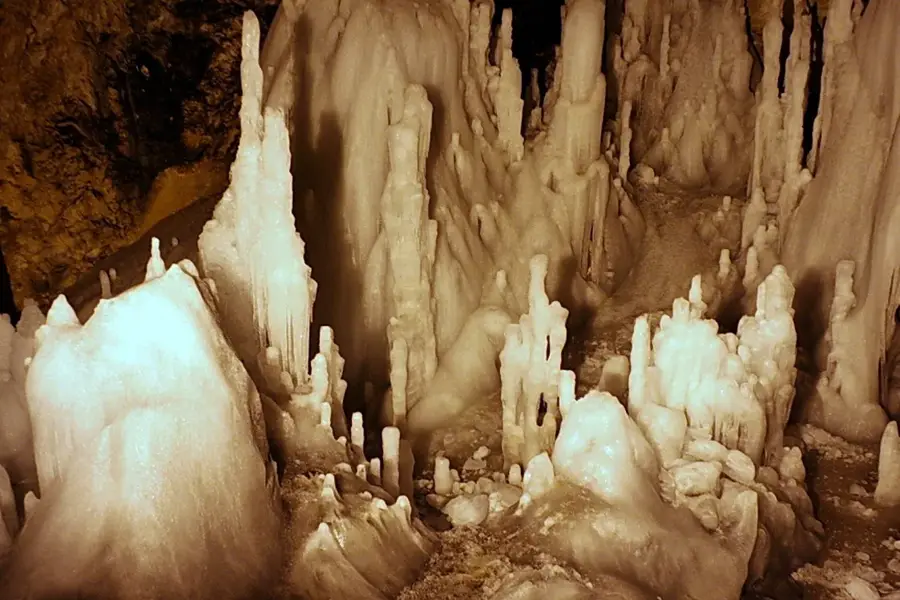
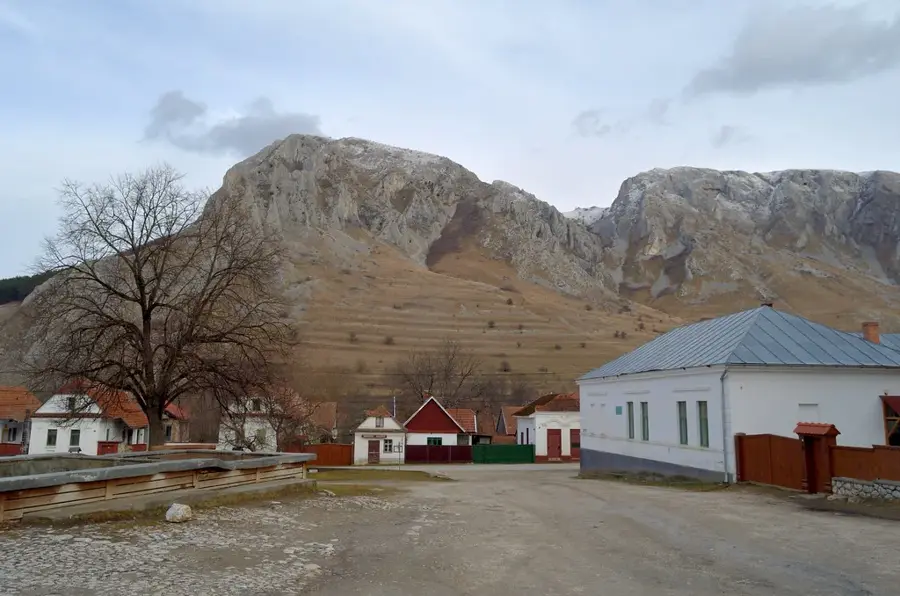
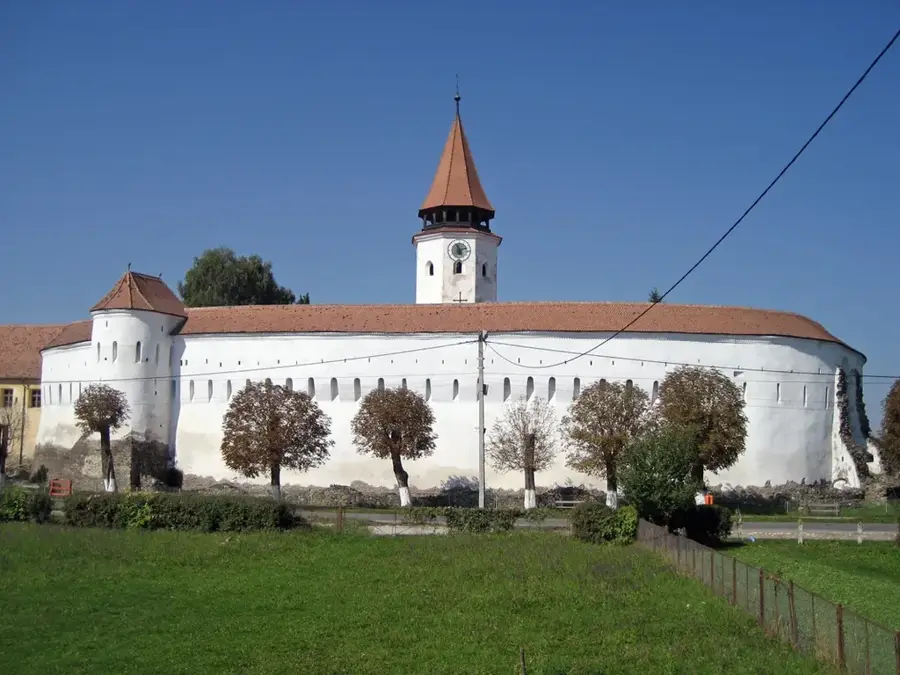
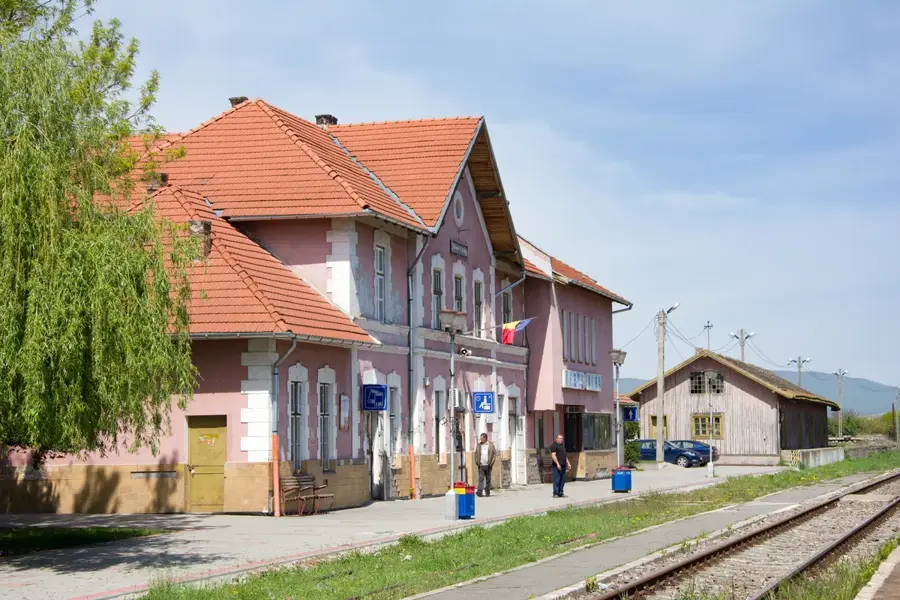
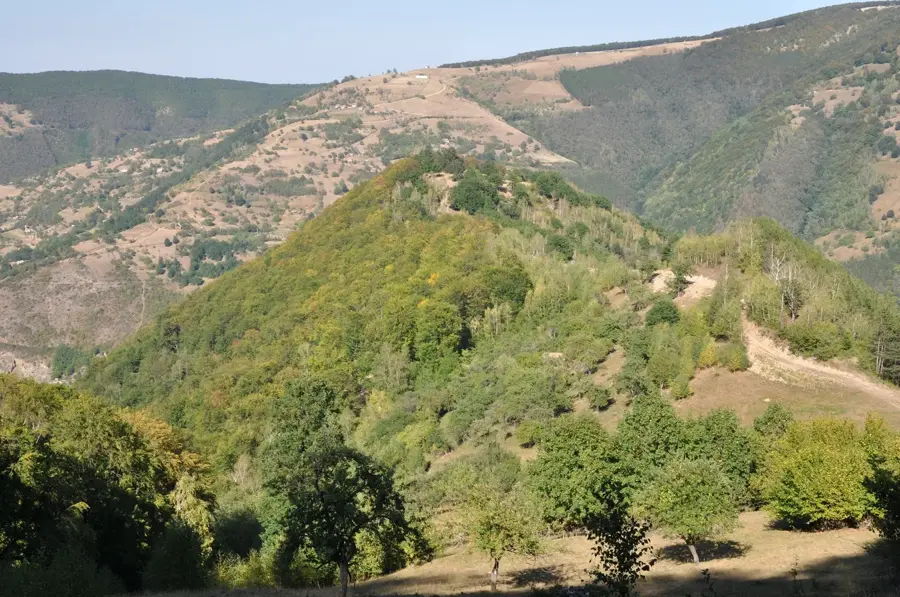
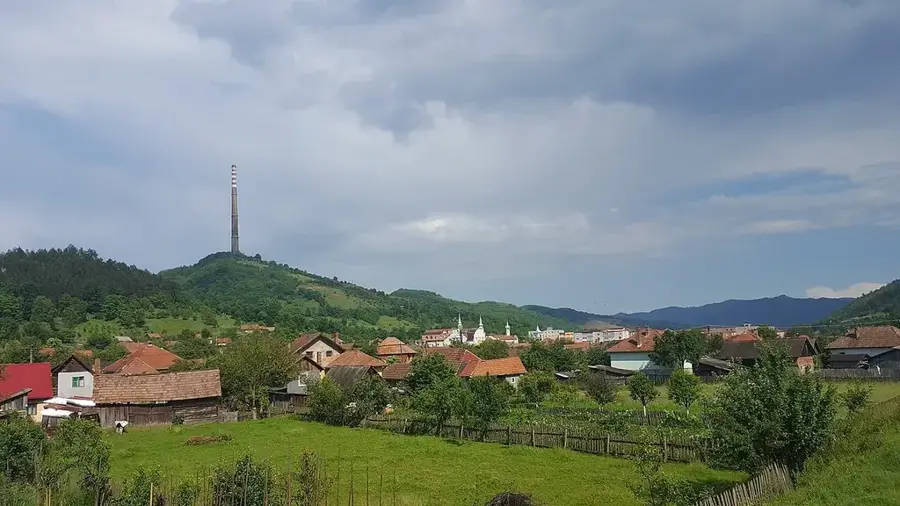
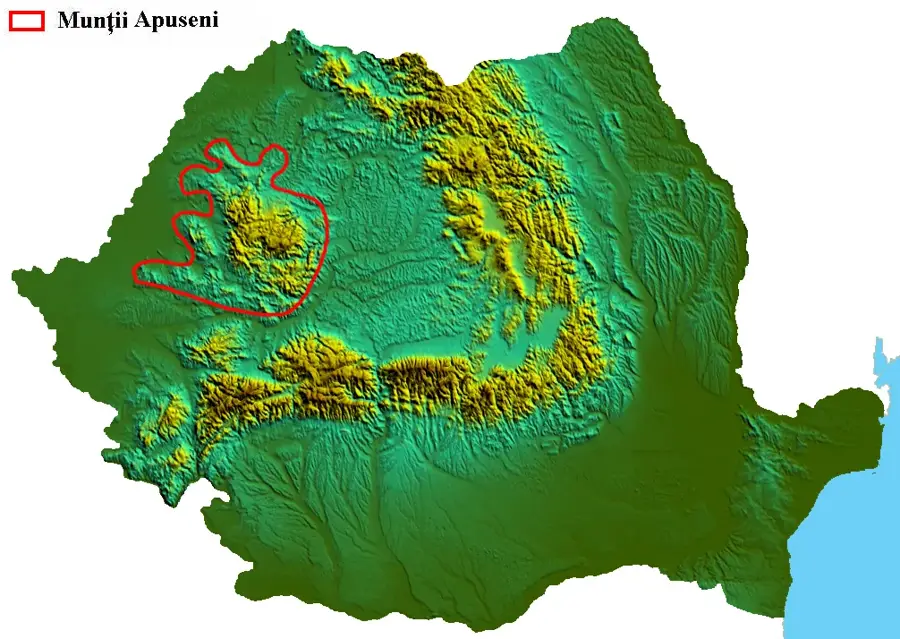
Zlatna is a historic town in Alba County, situated in the Ampoi Valley within the Apuseni Mountains. Its origins trace back to Roman times, when it was known as Ampelum and functioned as a crucial administrative hub for the empire's gold mines in Dacia. Throughout the centuries, Zlatna maintained its importance as a metallurgical center, focusing on the processing of non-ferrous ores. However, during the 20th century, the town became infamous for severe industrial pollution caused by its copper smelter. Following the collapse of heavy industry in the 1990s, Zlatna has undergone significant environmental restoration and is now seeking to redefine itself through heritage preservation and mountain tourism. The town features several historical landmarks, including old mining administration buildings and medieval churches. Its location on the DN74 national road makes it a key transit point between the cities of Alba Iulia and Brad, offering access to the scenic landscapes and unique karst formations of the Western Carpathians.

Best time to visit & climate

The most pleasant time to visit is Jun–Aug.

JanFebMarAprMayJunJulAugSepOctNovDec
Avg °C-2-14101519222216105-1
Rain mm353342578298886653544240

Geography

Population
8,393
Coordinates
46.15889, 23.22111

Facts

  • Ancient Roman name: Ampelum
  • Located on the DN74 national road connecting Alba Iulia to Brad
  • Formerly one of Europe's most polluted industrial sites
  • A center for gold mining for over 2,000 years
  • Administers a total of 18 surrounding villages
  • Home to a 15th-century Orthodox church (Assumption of Mary)

Explore nearby

Notable places around

Route planner — Car & Motorhome

Where do you start? We build the route here, with stops and country notes along the way.

Vehicle
Only stops with (optional):

© OpenStreetMap contributors · OpenRouteService

Sights in the town Zlatna (3)

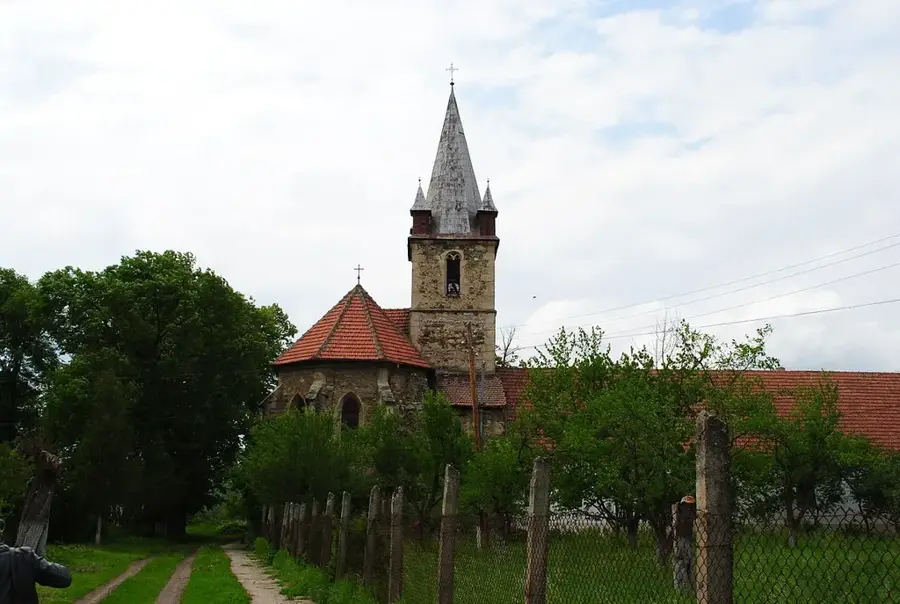
Church of the Assumption⛪ religious

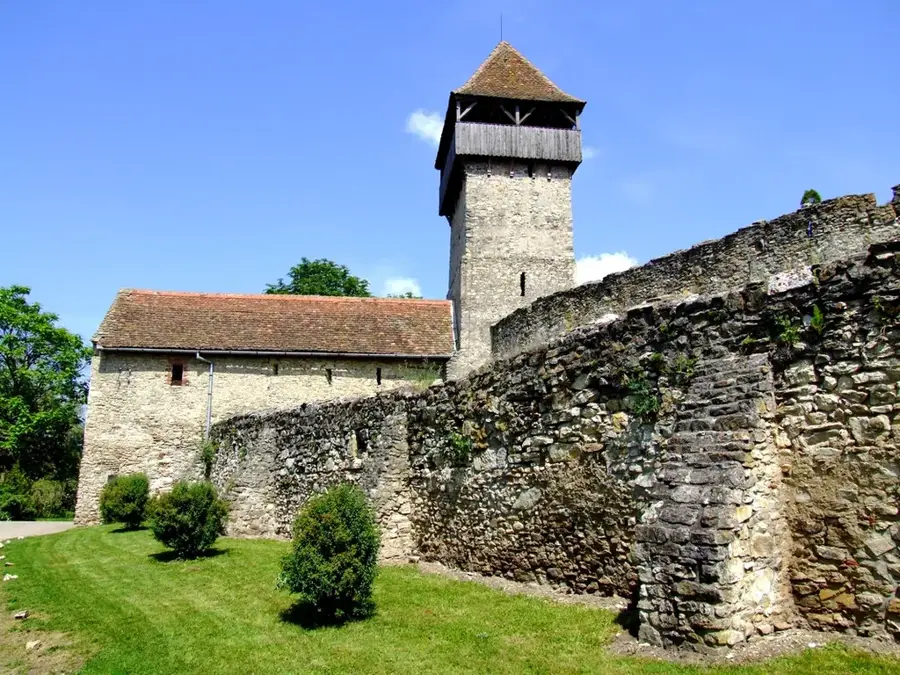
A 15th-century Orthodox church combining Gothic architecture with valuable Byzantine-style interior frescoes.

Cantatoare📍 landmark

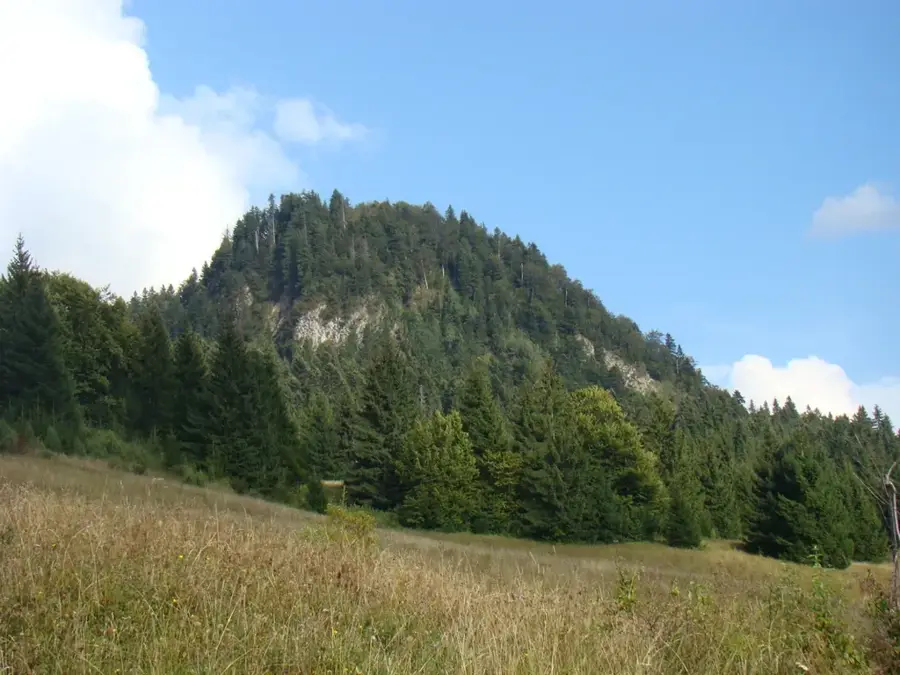
„Cantatoare” (The Singer) in Zlatna, a landmark known as a rock formation.

🕒 24/7

Colțul lui Blaj📍 landmark

„Colțul lui Blaj” (Blaj's Corner) in Zlatna, a prominent rocky corner or formation.

Frequently asked questions

What was Zlatna historically known for?
The city was a major gold mining center in the Apuseni Mountains, dating back to Roman times when it was known as Ampelum.
How far is Zlatna from Alba Iulia?
It is located about 35 km west of Alba Iulia on the DN74 national road, roughly a 40-minute drive away.
What natural attraction is nearby?
The Feneș Gorges (Cheile Feneșului) is a nearby nature reserve famous for its impressive limestone cliffs and hiking trails.
Is there still active mining in Zlatna?
Industrial-scale mining and smelting have mostly ceased; today, the city is defined by its industrial heritage and transition.
What local specialty should I try?
Try balmoș, a traditional shepherd's dish made of cornmeal cooked with butter and cheese, typical of this mountain region.
Zlatna: where is it located?
Zlatna is located in Alba, Romania.
Zlatna: what is there to see?
Highlights include Church of the Assumption, Cantatoare, Colțul lui Blaj.
Zlatna: when is the best time to visit?
The most pleasant time to visit is Jun, Aug.
Zlatna: why is it worth visiting?
Zlatna is a historic town in Alba County, situated in the Ampoi Valley within the Apuseni Mountains.
View on map → The Top 50 Attractions → OpenStreetMap →
Europe
Explore with Plizio Discover more places in Europe
More places in Romania →

Nearby cities

History & landmarks

Nature

More places