Plizio Visual Lab
Vila Flor
ℹ️Practical info — Vila Flor
▾
🌤 Weather — 5 days
📍 Nearby
Sights nearby
💡 Tips
- Vila Flor is known as the Capital of Olive Oil, so prioritizing a tasting session at a local lagar (press) is a must.
- The town center is relatively flat and easy to navigate compared to other Trás-os-Montes towns.
- Summer afternoons can be scorching; it's best to explore the historic sights in the morning and retreat to the local reservoir for a swim later.
- Visit the Museu Berta Cabral to learn about the region's rich agricultural history and local customs.
🍽 Food
Codfish generously drizzled with the region's famous premium olive oil, a staple in local restaurants.
A rich and comforting chestnut soup, especially popular during the autumn and winter months.
Try the locally grown almonds, often used in regional sweets or served as a snack with local wine.
🛍 Shopping · 🧘 Quiet spots
Buy extra virgin olive oil directly from local producers or the town's agricultural cooperative for the best quality and price.
The area produces excellent wines, marking the transition between the Douro and Trás-os-Montes wine regions.
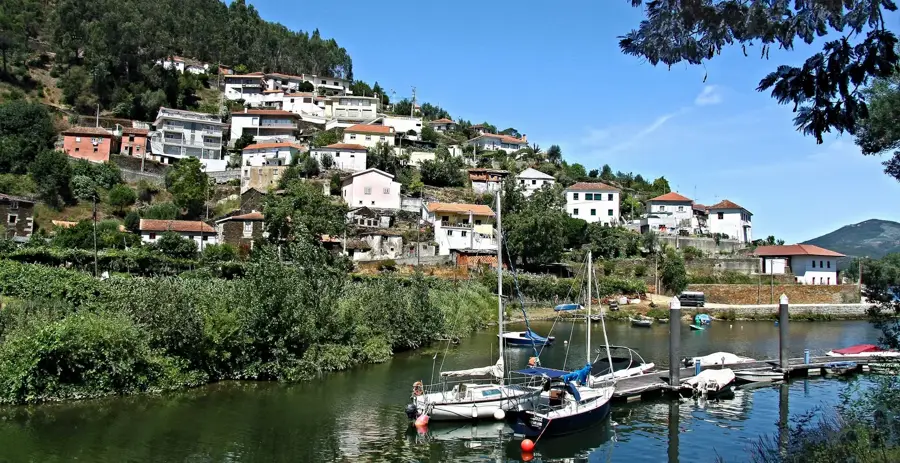
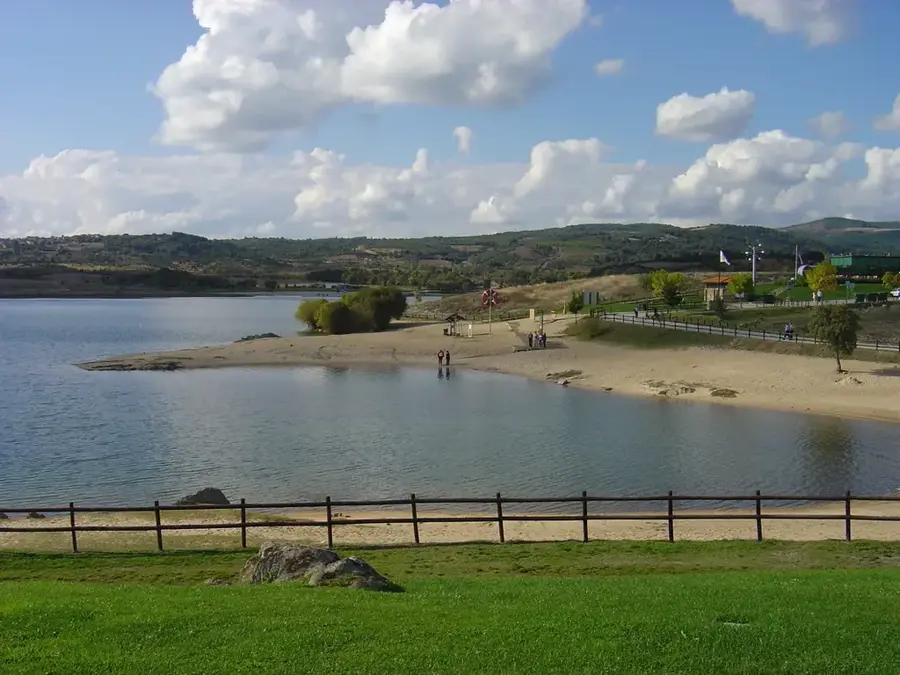
A tranquil reservoir just outside town, featuring a leisure area well-suited for picnics and a refreshing dip in summer.
Located on a hill overlooking Vila Flor, offering serene surroundings, shaded areas, and wide views.
Water temperature…
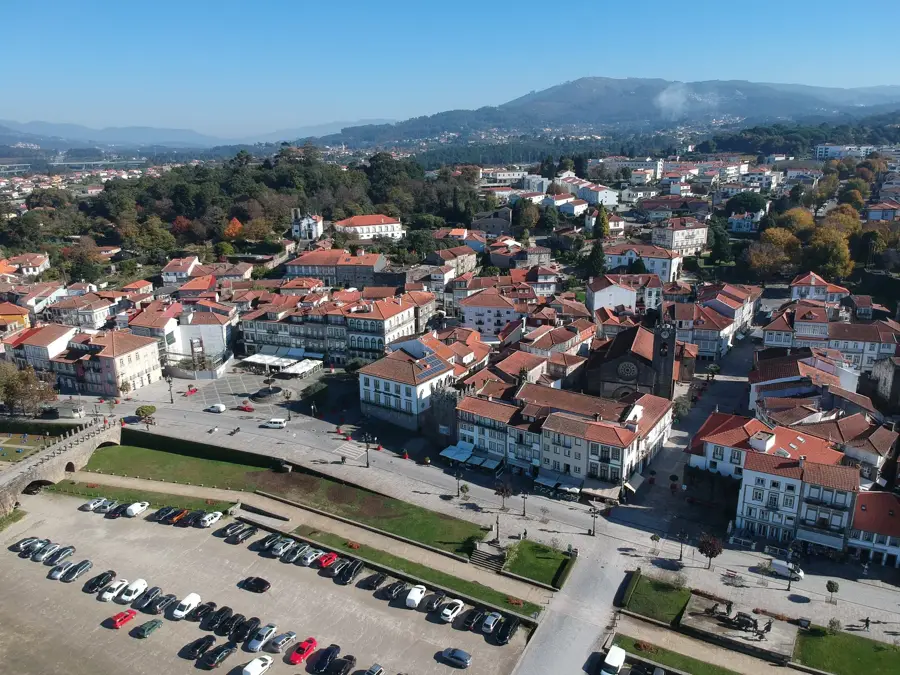
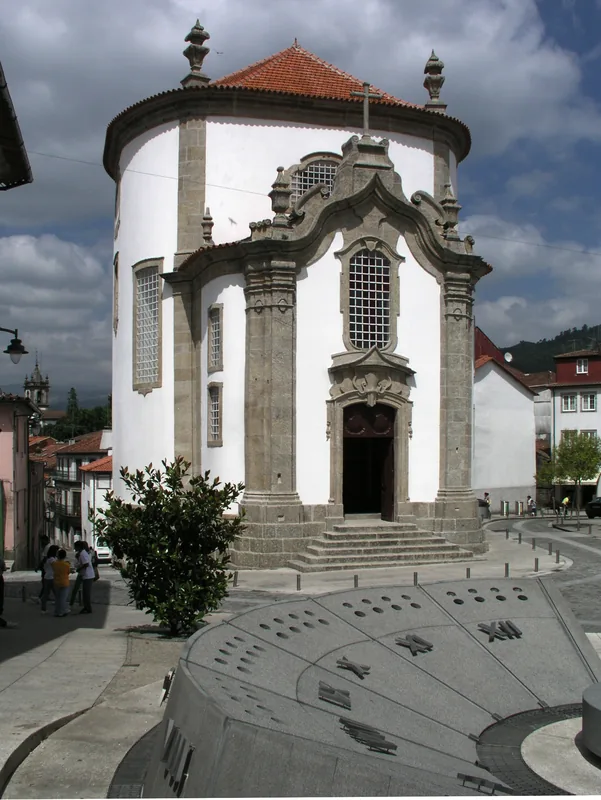
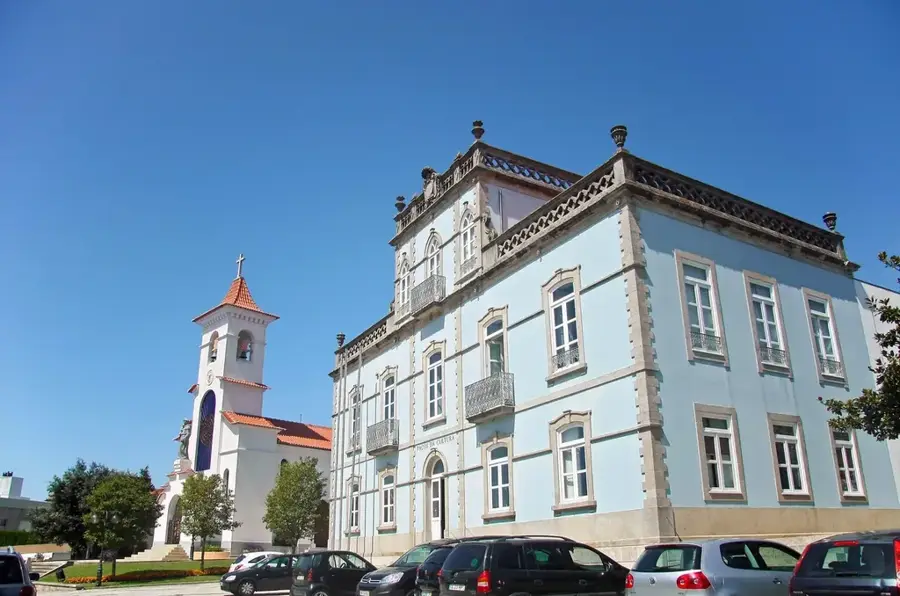
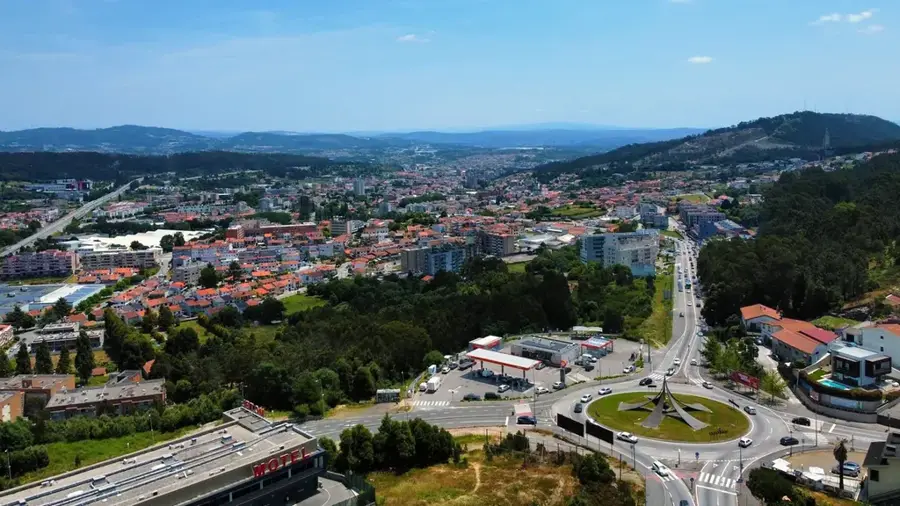
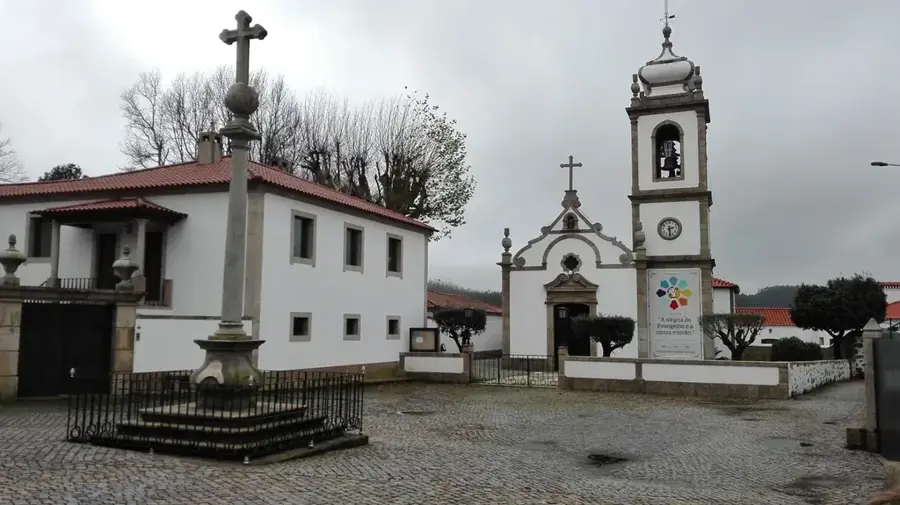
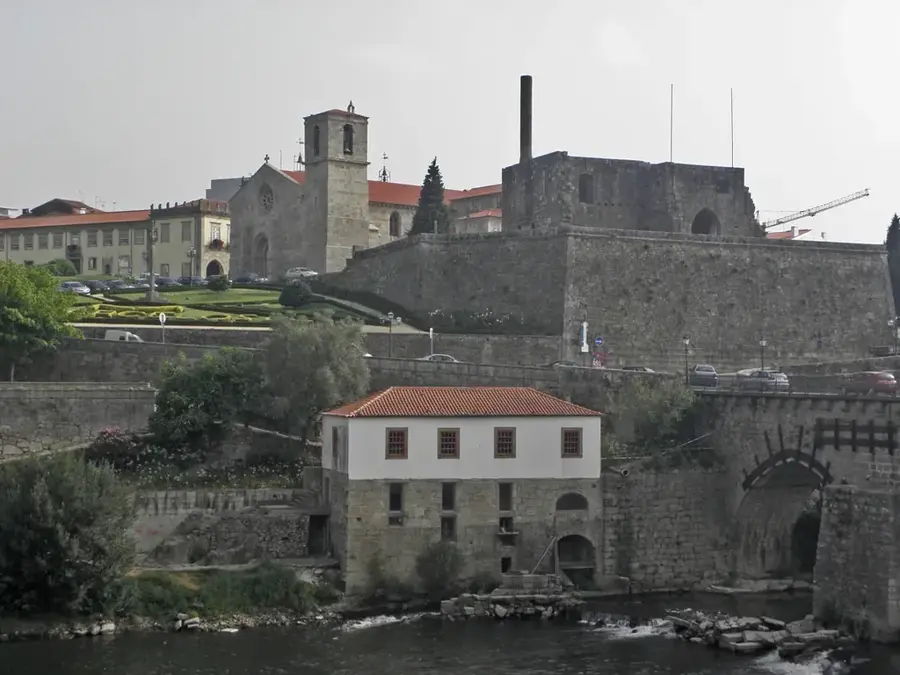
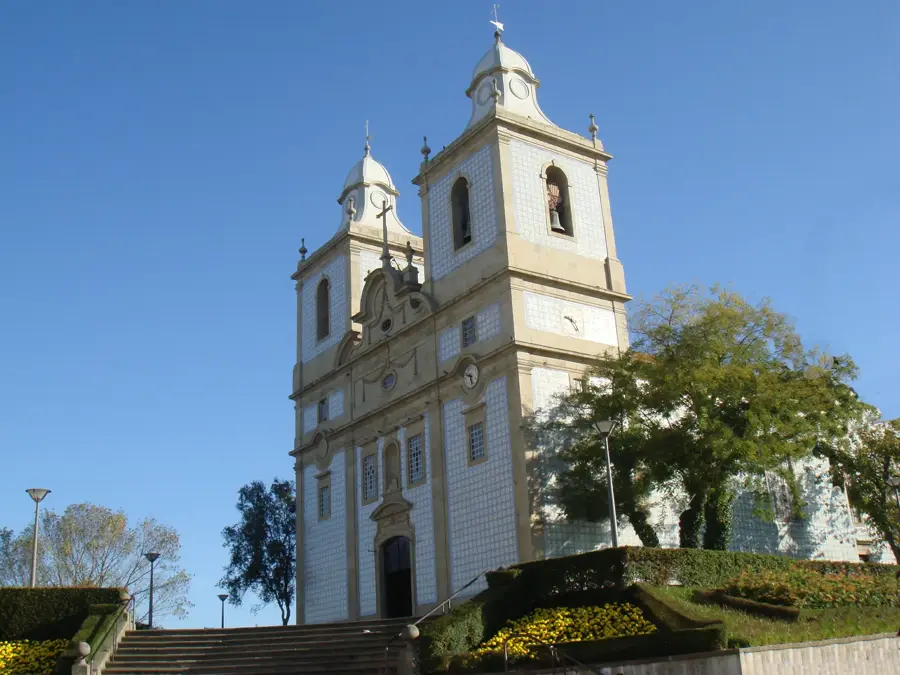
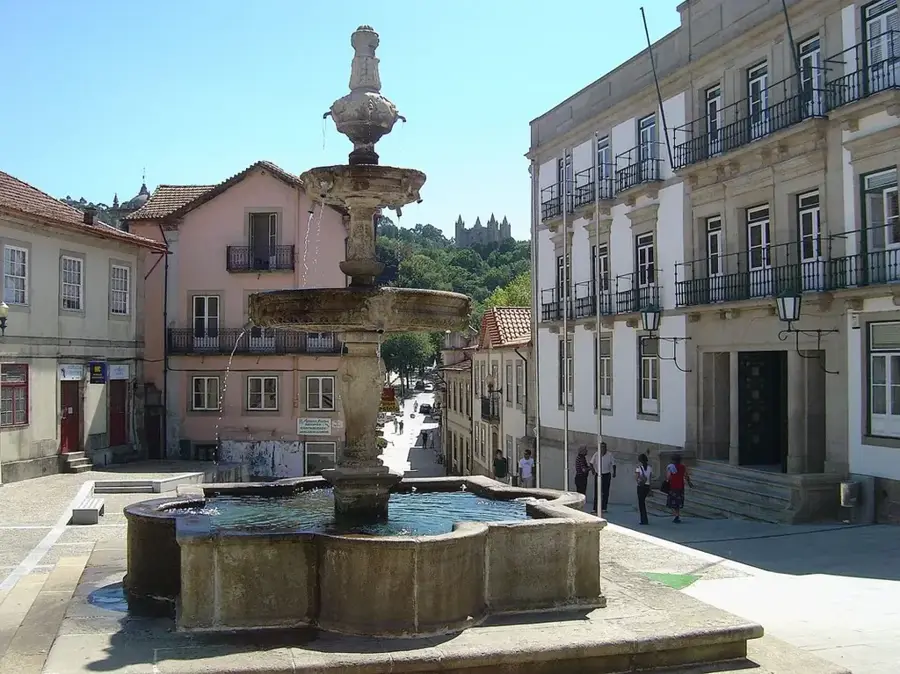
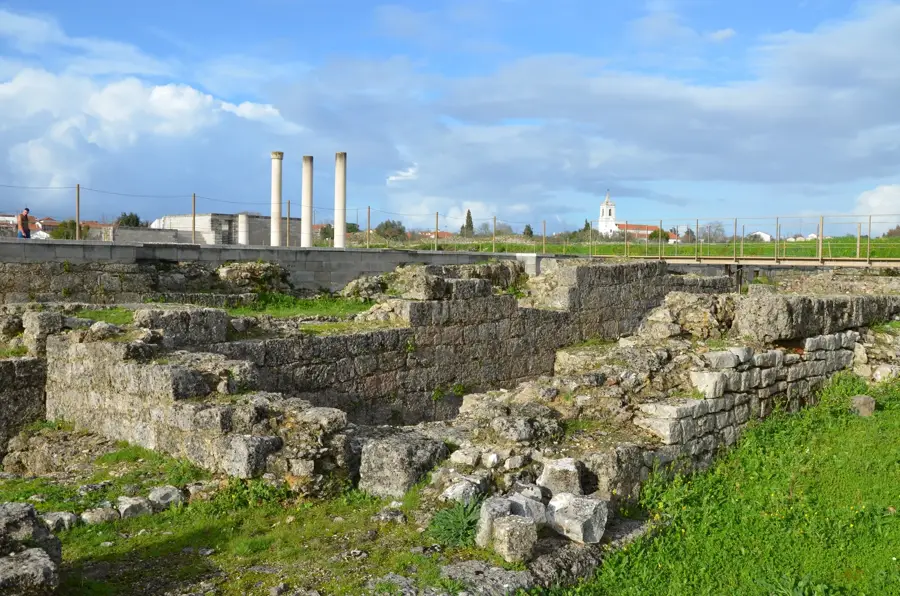
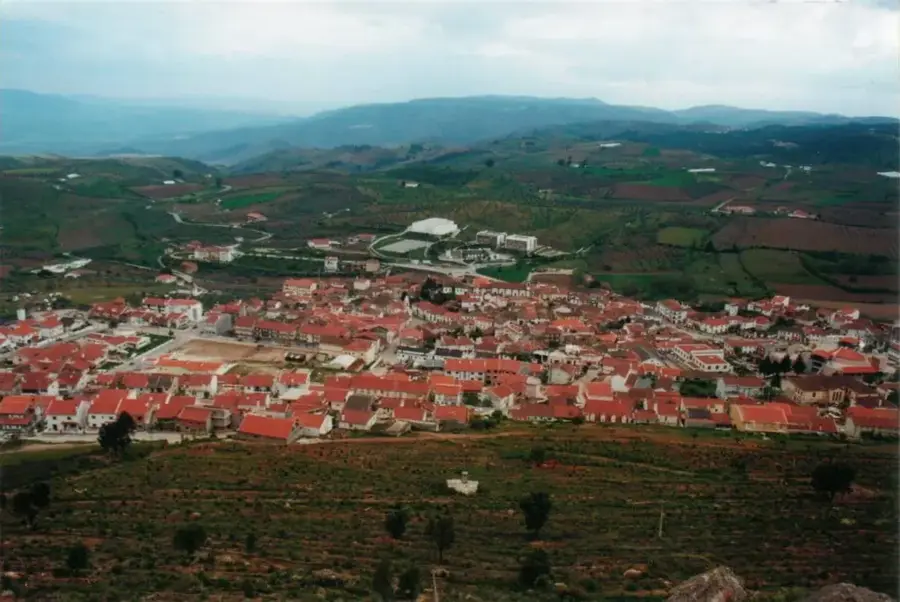
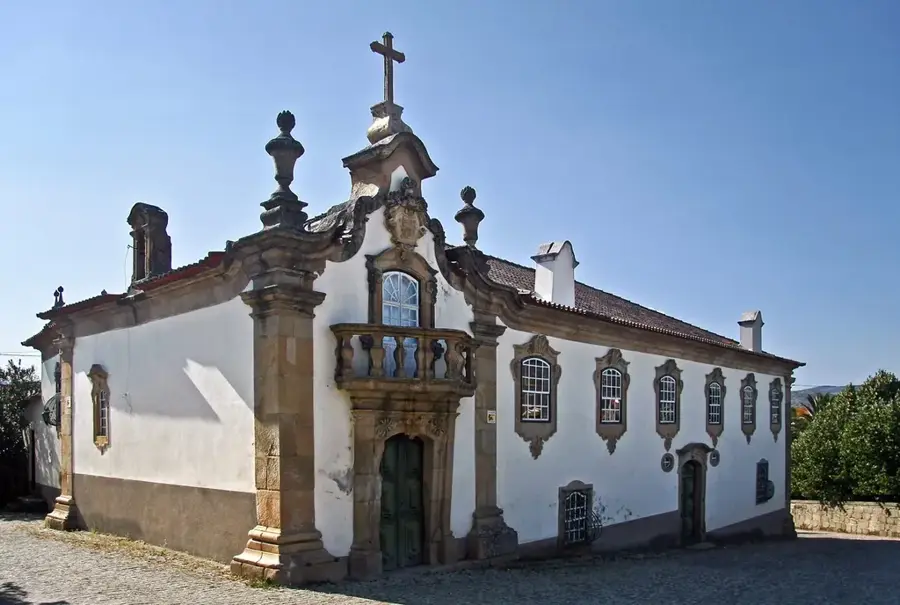
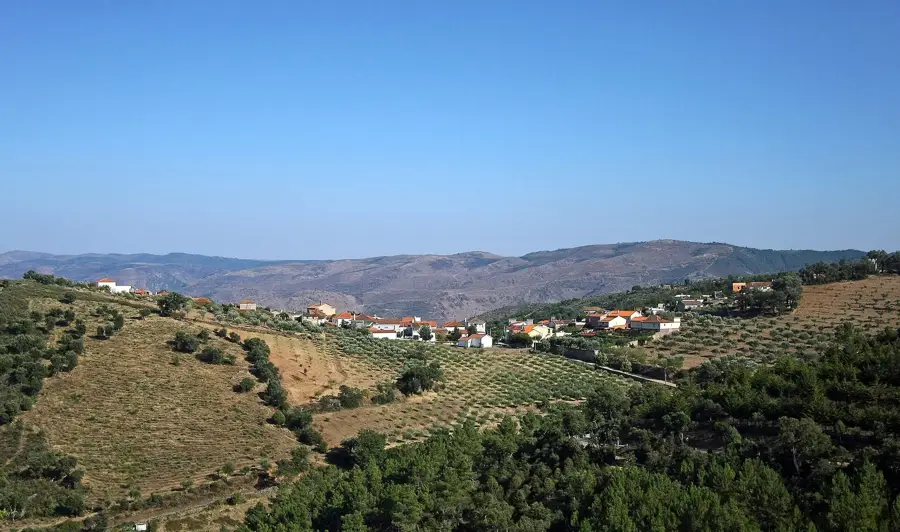
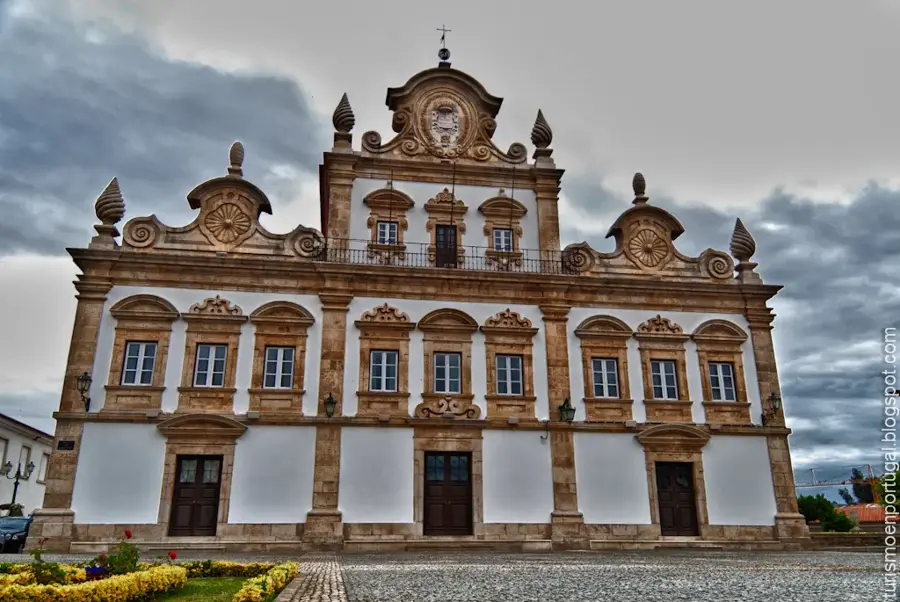
Vila Flor, often referred to as the 'Capital of Olive Oil', is located in the Bragança district in the heart of the Terra Quente Transmontana. According to legend, the town received its name from King Dinis I, who was so impressed by the beauty of the flowering landscape that he renamed the settlement Vila Flor in 1286. The region features a rich history, evidenced by the remains of medieval walls and numerous Baroque manor houses such as the Solar dos Aguilares. Vila Flor is an important agricultural center dominated by the production of high-quality olive oil, wine, and dried fruits. Geographically, the town is characterized by its location at 550 meters altitude and its proximity to the Tua River. Culturally, it provides sights such as the Misericórdia Church and the municipal museum, which documents local history and archaeology. Tourism focuses on exploring rural traditions and the region's gastronomy.
- Location: Portugal
- Top sights: Museu Municipal Doutora Berta Cabral · Anfiteatro do Centro Cultural · Miradouro da Senhora da Lapa
- Nearby: Carrazeda de Ansiães (14 km)
- Population: ~6.697 (2011)
Best time to visit & climate
The most pleasant time to visit is Jun, Jul, Sep.
| Jan | Feb | Mar | Apr | May | Jun | Jul | Aug | Sep | Oct | Nov | Dec | |
|---|---|---|---|---|---|---|---|---|---|---|---|---|
| Avg °C | 5 | 5 | 8 | 11 | 15 | 20 | 23 | 23 | 20 | 14 | 8 | 5 |
| Rain mm | 99 | 75 | 89 | 74 | 48 | 31 | 15 | 19 | 35 | 105 | 92 | 98 |
Geography
Facts
- Vila Flor was founded in 1286 by King Dinis I under its current name.
- The town is considered one of Portugal's most important olive oil centers.
- The Arch of D. Dinis is a remnant of the original city walls.
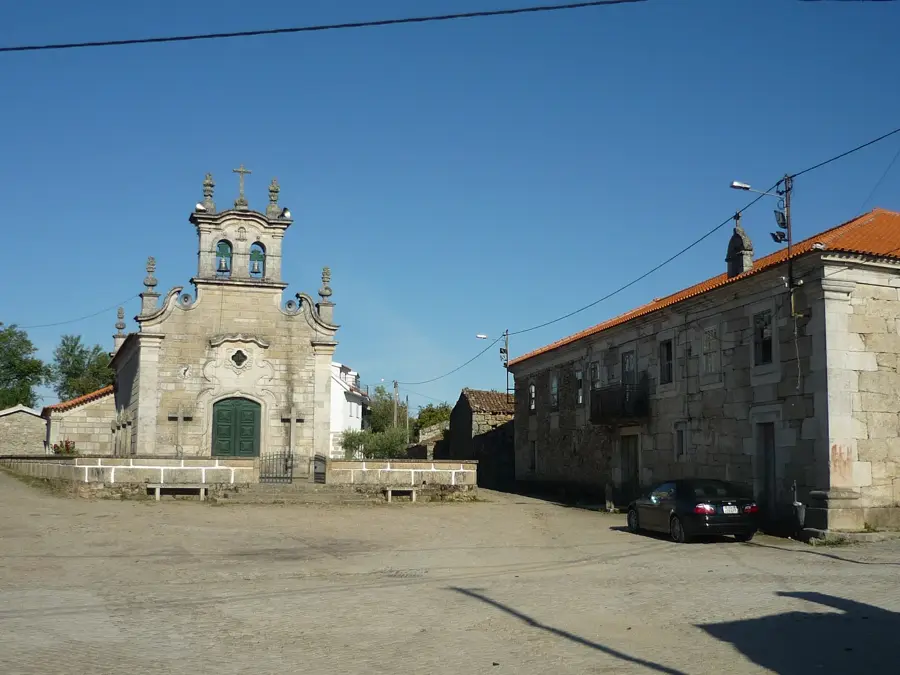
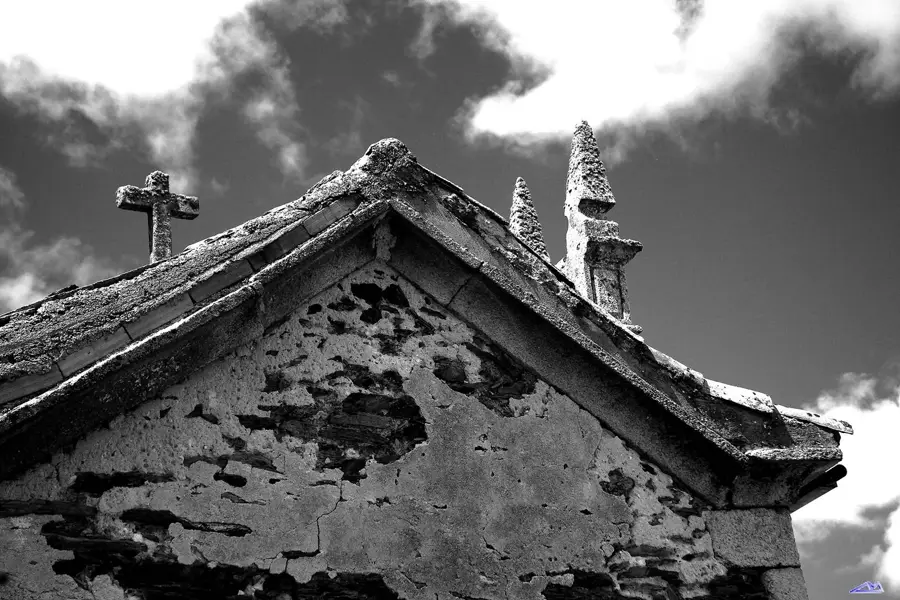
- The Chapel of Senhora da Lapa is situated on a hill with a wide panoramic view.
- Vila Flor was originally known by the name Bemposta.
- The region is part of the protected designation of origin for olive oil from Trás-os-Montes.
Explore nearby
Notable places around
Route planner — Car & Motorhome
Where do you start? We build the route here, with stops and country notes along the way.
© OpenStreetMap contributors · OpenRouteService
Sights in the town Vila Flor (11)
Frequently asked questions
Why is Vila Flor called 'Flower Town'?
What is Vila Flor's most famous product?
What historical monuments are there?
Can you visit olive oil mills?
Are there viewpoints in the town?
Vila Flor: where is it located?
Vila Flor: what is there to see?
Vila Flor: when is the best time to visit?
Vila Flor: why is it worth visiting?

Nearby cities