Medieval Journey (Viagem Medieval em Terra de Santa Maria)
Europe's largest medieval recreation transforms the old town every year in early August for twelve days into a medieval city with knights, jousting, artisans and street performers.
PlizioGo
A sweet, slightly spiced local bread sold in traditional 'confeitarias' scattered throughout the city center.
Slow-roasted veal, a regional favorite typically found in rustic local restaurants for Sunday lunch.
A classic Portuguese kale soup, often enjoyed at local taverns during festivals and cool evenings.
Stop by the traditional bakeries in the center to box up some Fogaça to take home.
During the summer fair, the streets are lined with stalls selling historical replicas and local crafts.
A romantic 19th-century wooded park directly below the castle, excellent for a shaded walk.
A serene nature reserve on the outskirts of the city, offering wooden walkways along the river and diverse wildlife.
Water temperature…
Europe's largest medieval recreation transforms the old town every year in early August for twelve days into a medieval city with knights, jousting, artisans and street performers.
Portugal's largest street arts festival takes place every year in spring. Performances, contemporary circus and installations transform the public spaces of Santa Maria da Feira.
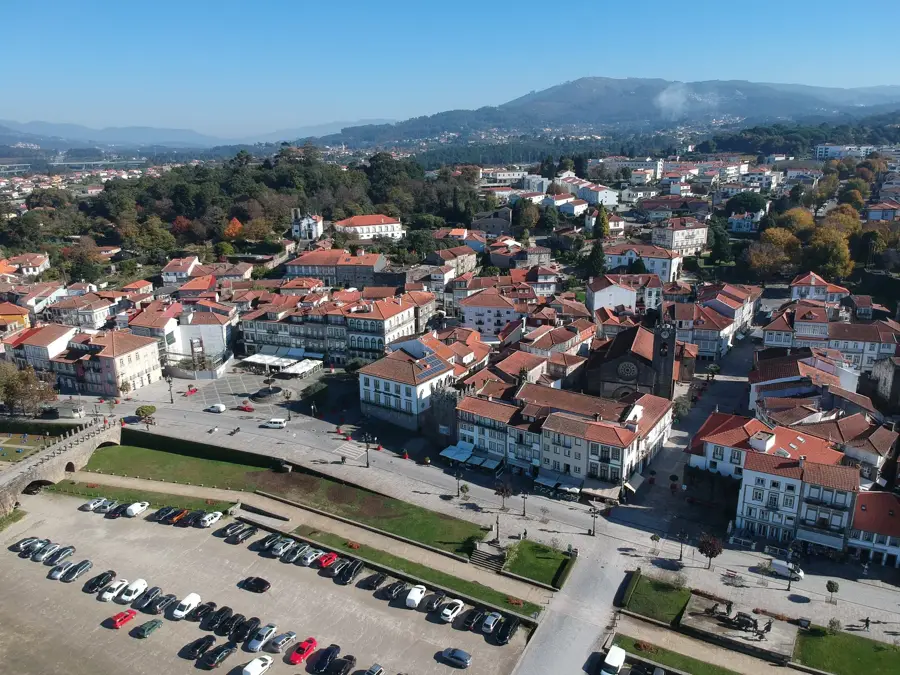
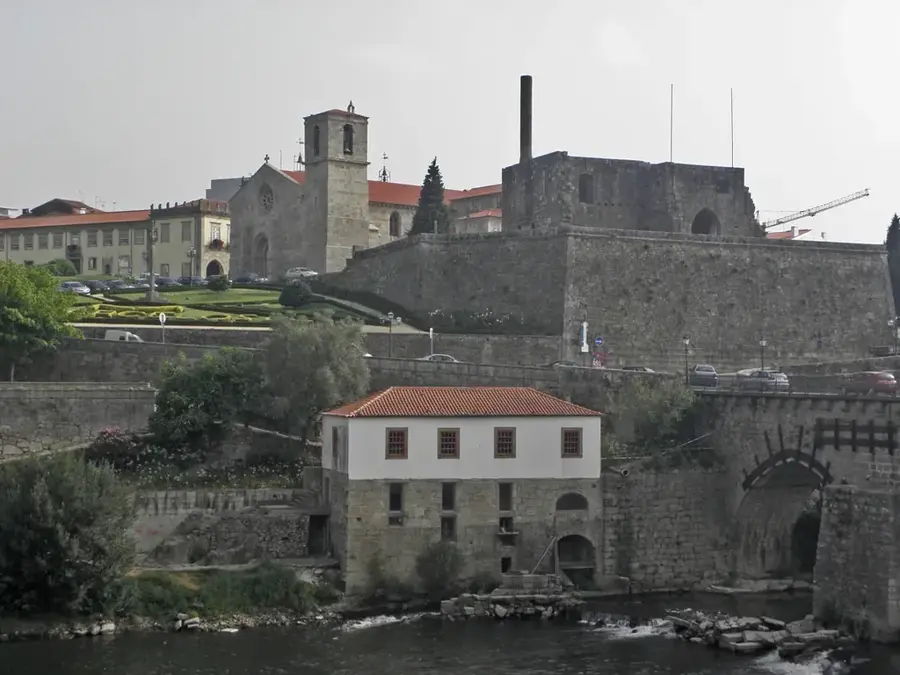
Santa Maria da Feira is a historic city in northern Portugal, dominated by its majestic 11th-century medieval castle (Castelo da Feira), one of the most complete and beautiful in the country. The city's name originates from the major fairs ('feiras') held here since the Middle Ages, marking it as a historical crossroads for trade south of the Douro River. Every summer, it hosts the 'Viagem Medieval', Europe's largest medieval historical reenactment festival, which draws hundreds of thousands of visitors. Economically, the surrounding region is the world's capital of the cork industry, where a vast majority of the global production of wine corks is processed. The city is also a hub for business and science, featuring the Europarque convention center and the Visionarium science museum. Santa Maria da Feira is an animated cultural center, also famous for its annual street theater festival, Imaginarius, and its deep-rooted religious traditions.
The most pleasant time to visit is Jul–Sep.
| Jan | Feb | Mar | Apr | May | Jun | Jul | Aug | Sep | Oct | Nov | Dec | |
|---|---|---|---|---|---|---|---|---|---|---|---|---|
| Avg °C | 11 | 11 | 12 | 14 | 16 | 18 | 20 | 20 | 19 | 17 | 13 | 11 |
| Rain mm | 138 | 97 | 112 | 91 | 60 | 32 | 13 | 22 | 49 | 137 | 137 | 122 |
Notable places around
Where do you start? We build the route here, with stops and country notes along the way.
© OpenStreetMap contributors · OpenRouteService
Discover the historic heart of Santa Maria da Feira on foot. The walk begins at the lively Mercado Municipal and leads to the historic Igreja da Misericórdia. After visiting the Convento dos Lóios, relax in the Quinta do Castelo park. The highlight is the imposing medieval castle, before winding down the day at the Paper Museum.
Morning starts under the market's roof. At midday, seek shelter in the Misericórdia Church. The castle ramparts are atmospheric in the rain during the afternoon. End the day indoors at the Paper Museum.
A crisp winter morning at the market starts the day. Midday is perfect for exploring the quiet convent. Afternoon at the castle offers clear, cold vistas. As darkness falls early, finish at the Paper Museum.
A bike allows you to expand your radius. Start in the center by the market and church before tackling the climb to the castle. After a break in the Quinta do Castelo park, cruise south to the historic Paper Museum. Finish with a brisk ride north to the modern Europarque.
Morning bike ride to the market requires care. Midday offers a dry stop at the church. The rainy ascent to the castle is slippery. Afternoon is spent at the indoor Paper Museum and Europarque.
Cool morning ride to the market for a warm breakfast. Midday cycle through the center to the castle. The crisp air makes the climb pleasant. Afternoon is spent at Europarque before it gets cold.
This route divides Santa Maria da Feira into three convenient clusters. You'll first park in the center to explore the market, churches, and historic castle on foot. At noon, drive south to the Paper Museum. Spend the afternoon at the modern Visionarium science center (Europarque), which is easily accessible by car.
Morning starts with easy parking by the market. Drive to the castle staying dry despite the rain. Midday is for the church interior. Afternoon is dedicated to museums: Paper Museum and Visionarium offer great indoor fun.
A relaxed winter day starts at the market. Midday visit to the castle without parking worries. The clear winter views are fantastic. Afternoon, warm up in the modern Visionarium as the sun sets early.