Moura Feira de Maio
Annual May fair in the town that styles itself the mother land of Alentejo olive oil, with exhibitions, gastronomy, livestock shows and concerts in the municipal park.
PlizioGo
The city's 'liquid gold', available at the olive oil museum or local production estates.
A traditional garlic and bread soup found in authentic Alentejan taverns in the old town.
Fresh bread soaked in new olive oil, a simple local delicacy found at traditional bakeries.
Visit local artisan shops for hand-painted Alentejo ceramics and clay crafts.
The premier spot for award-winning olive oils and gourmet regional products.
A shaded public garden next to the castle, well-suited for relaxing during the hot afternoon hours.
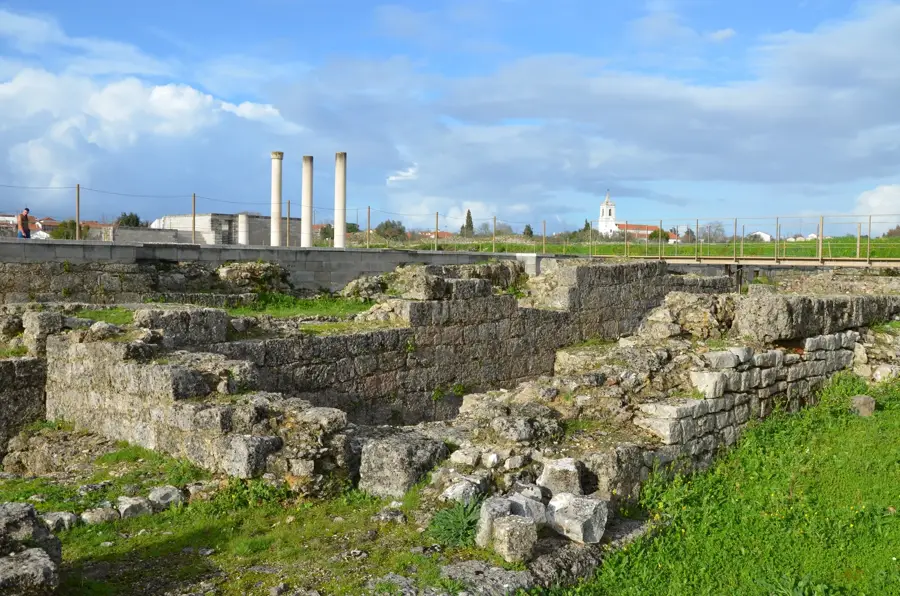
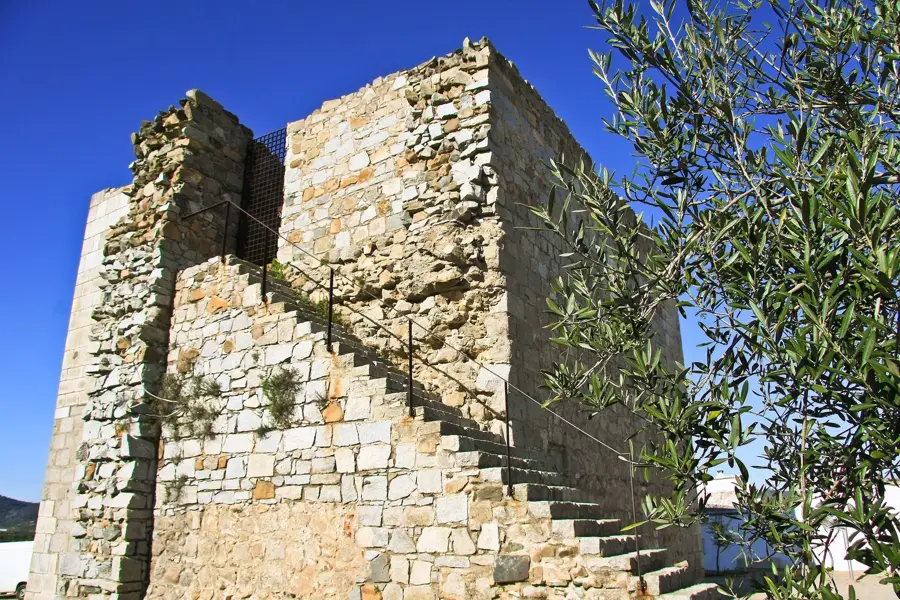
The medieval ruins offer many quiet spots with views over the Alqueva reservoir.
Water temperature…
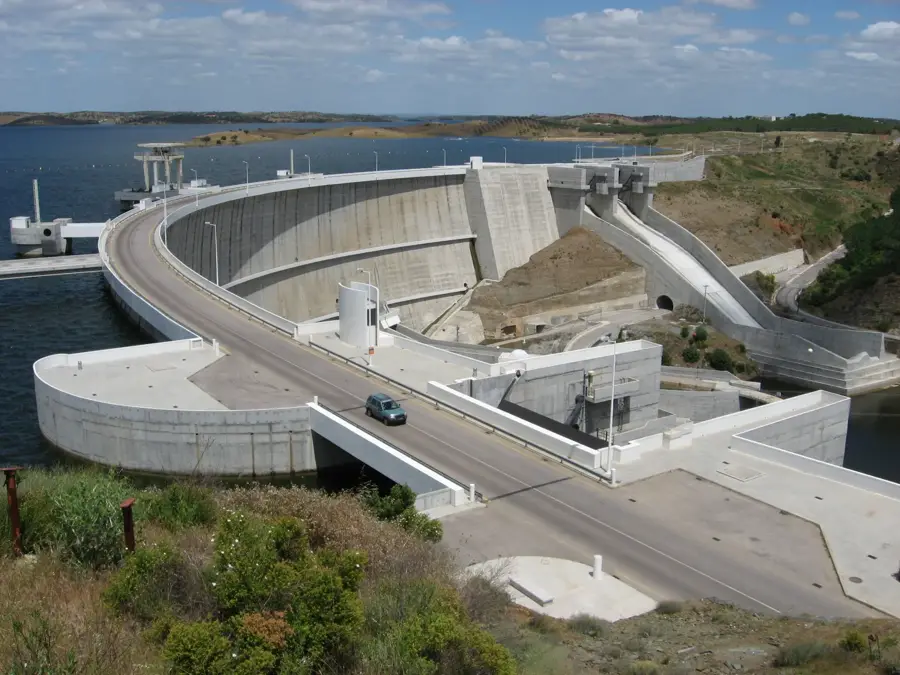
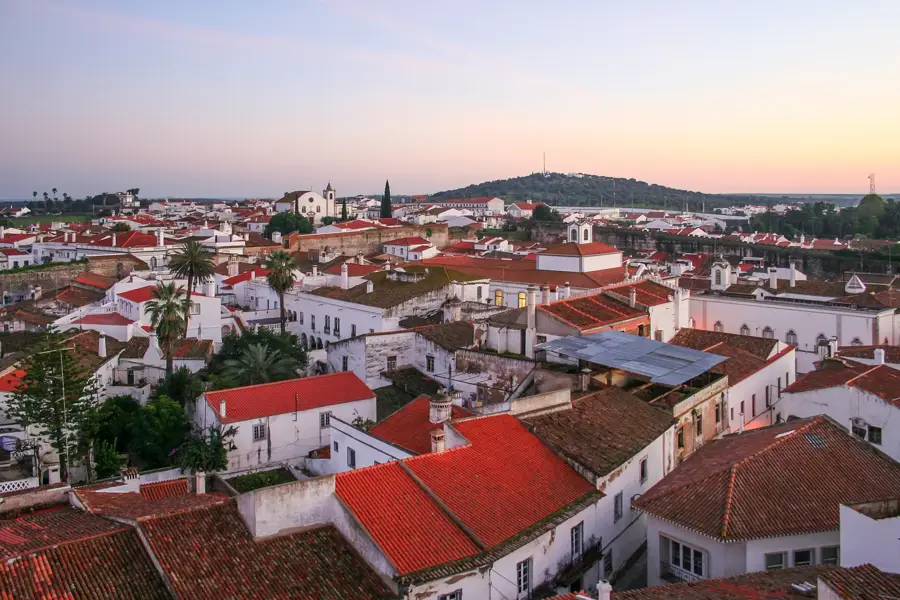
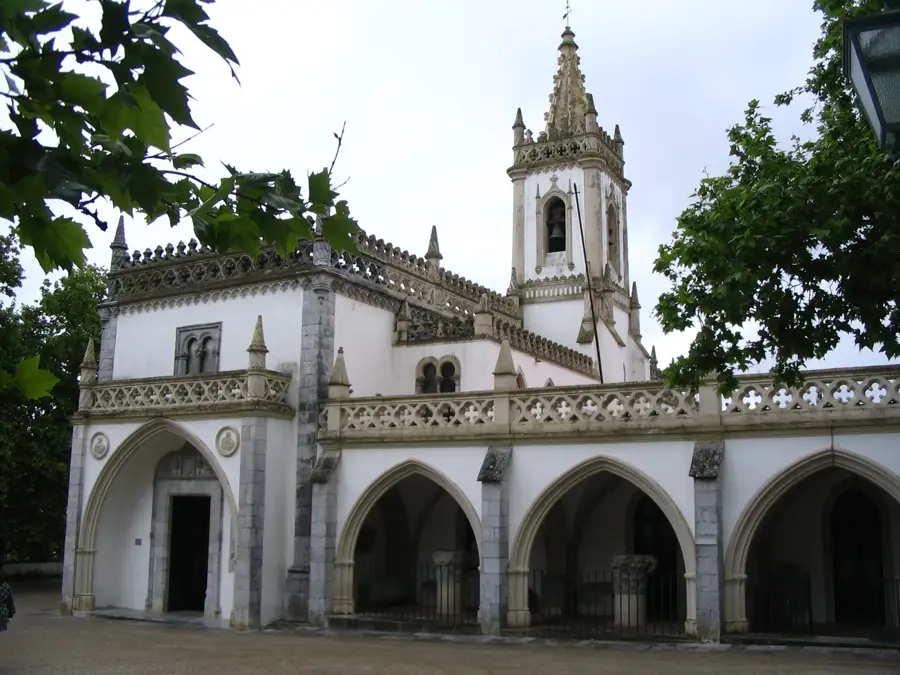
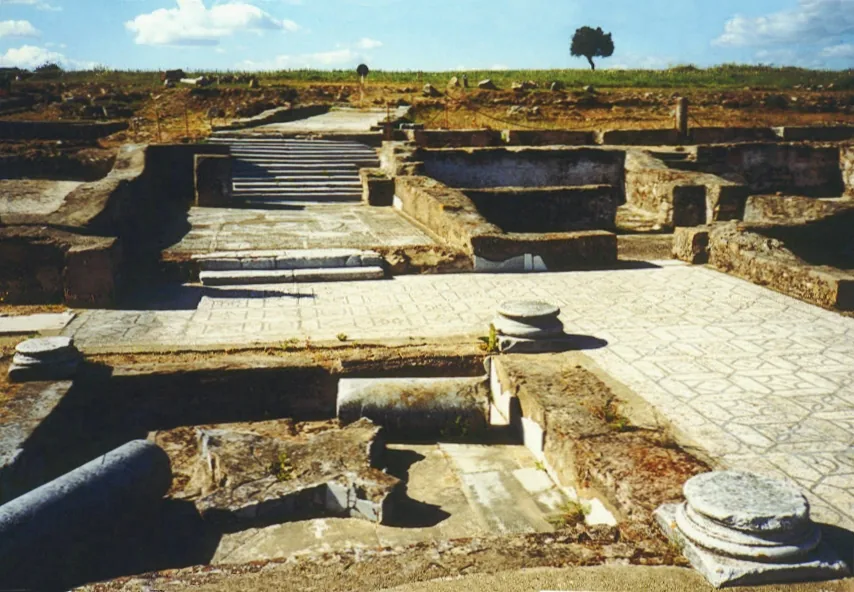
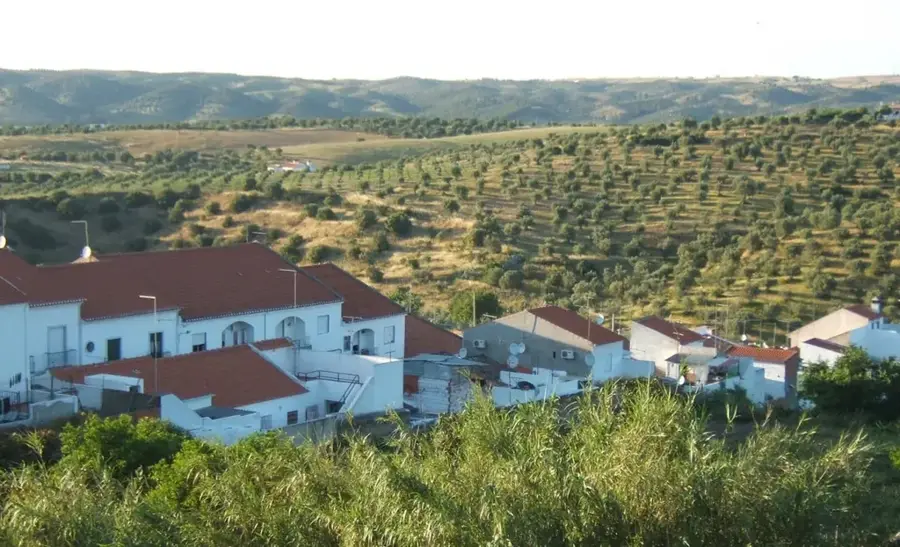
Moura is an ancient city located in the Baixo Alentejo region, positioned near the Spanish border and the Guadiana River. The city's name is derived from the legend of Princess Saluquia, a Moorish noble who reportedly fell to her death during the Christian Reconquista. Moura was granted its first royal charter in 1232 and features a beautifully preserved historic center centered around the medieval Castle of Moura and the Manueline Church of Saint John the Baptist. The town is nationally famous for its thermal springs, with the Spa of Moura dating back to Roman times. Economically, Moura is a titan of olive oil production, consistently producing some of the highest-rated oils in Portugal. The proximity to the Alqueva Dam, Europe's largest artificial lake, has revitalized the region by introducing water sports and sustainable tourism initiatives. Additionally, the municipality is a leader in renewable energy, hosting one of the largest solar power plants in the Iberian Peninsula.
The most pleasant time to visit is May, Jun, Sep.
| Jan | Feb | Mar | Apr | May | Jun | Jul | Aug | Sep | Oct | Nov | Dec | |
|---|---|---|---|---|---|---|---|---|---|---|---|---|
| Avg °C | 9 | 10 | 12 | 15 | 19 | 24 | 27 | 27 | 24 | 19 | 13 | 10 |
| Rain mm | 50 | 47 | 57 | 55 | 32 | 10 | 2 | 4 | 25 | 72 | 78 | 58 |
See what it looks like near Moura right now.
Moura e Santo Amador › South-west: Moura · 0.5 km · Open webcam on Windy · Webcams provided by Windy.com
Notable places around
Where do you start? We build the route here, with stops and country notes along the way.
© OpenStreetMap contributors · OpenRouteService
Start your day in the historic Mouraria quarter. At midday, explore the impressive castle and museum. In the afternoon, stroll through the gardens. Enjoy the evening with traditional Alentejo cuisine.
Start the day in the narrow alleys of Mouraria, which provide some shelter from the wind. At midday, the Municipal Museum serves as a perfect refuge to explore Roman and Islamic artifacts while staying dry. In the afternoon, the Church of Saint John the Baptist offers a quiet, dry break. The journey ends at Dr. Santiago Garden, where the wet stone of the fountains glistens in the rain.
The cool morning air in Mouraria is refreshing and invigorating. At midday, the low winter sun warms the bright walls of the Church of Saint John the Baptist. The afternoon at the castle offers clear views over the vast Alentejo plains. As the sun sets around 17:30, we spend the golden hour in Dr. Santiago Garden before the evening chill sets in.
Start your bike tour in the quiet Dr. Santiago Garden. Explore the labyrinth of Mouraria, then cycle up to the castle for stunning views. After a cultural stop at the museum, head to the Convento do Carmo and finish the day at the unique fountain.
A rainy bike ride through Moura requires concentration on the slippery pavement. We start at Dr. Santiago Garden and quickly seek shelter in Mouraria. At midday, the museum offers a long break to dry off gear. In the afternoon, we visit Convento do Carmo, where the cloister allows for a dry tour before returning to the fountain.
The crisp winter air makes cycling in Moura a delight. We start fresh at Dr. Santiago Garden and ride through the sun-drenched Mouraria. At midday, a break at the museum warms up our hands. The afternoon takes us to the castle and Convento do Carmo, where the low winter sun casts long shadows on the white walls.
Drive to the first cluster on the castle hill for great views and museums. In the afternoon, drive to the center, park again, and explore the Mouraria quarter and gardens on foot. Enjoy a late lunch in the old town.
Rainy Moura can be comfortably explored by car. We park near the castle and the museum to minimize outdoor walking. At midday, we visit Convento do Carmo, where parking is available right at the entrance. In the afternoon, the drive takes us through Mouraria and to the church, ending the day at Dr. Santiago Garden.
The winter sun in Alentejo makes driving through Moura particularly scenic. We start at the castle for the views before heading to the museum. At midday, our route takes us to Convento do Carmo. In the afternoon, we explore Mouraria on foot (parking on the edge) and visit the church, finishing with the sunset at Dr. Santiago Garden.
Heritage-listed castle in Moura.
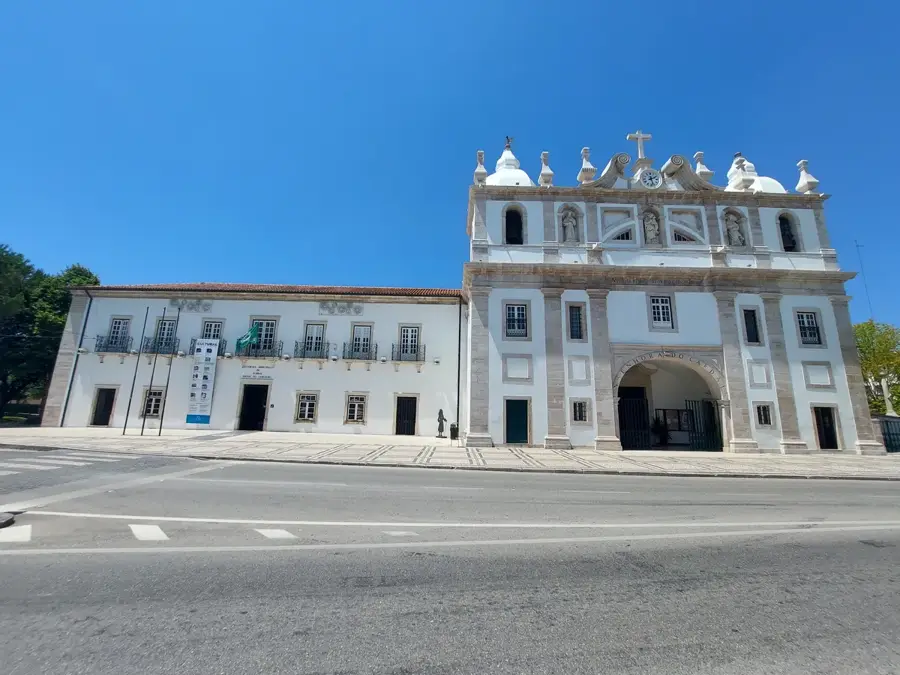
A former Franciscan monastery with significant religious architecture.
A museum dedicated to the history and production of olive oil.
A museum displaying sacred art and religious artifacts.
A historic clock tower that was once part of the town's fortifications.
A Catholic church dedicated to the Holy Spirit in the historic centre of Moura.