Plizio Visual Lab

Alcobaça
Plizio editorial teamData Sources
Landmark
—°10
Alcobaça (Portugal)

Weather…

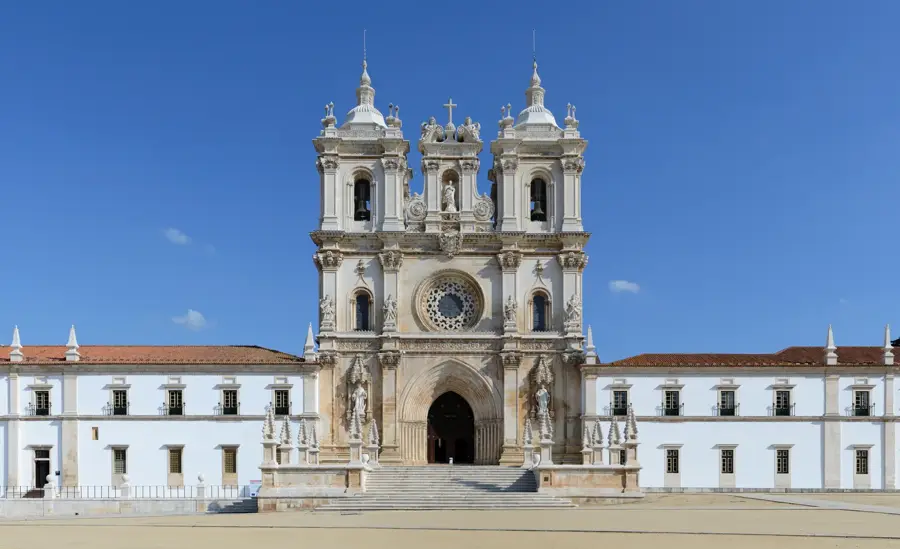
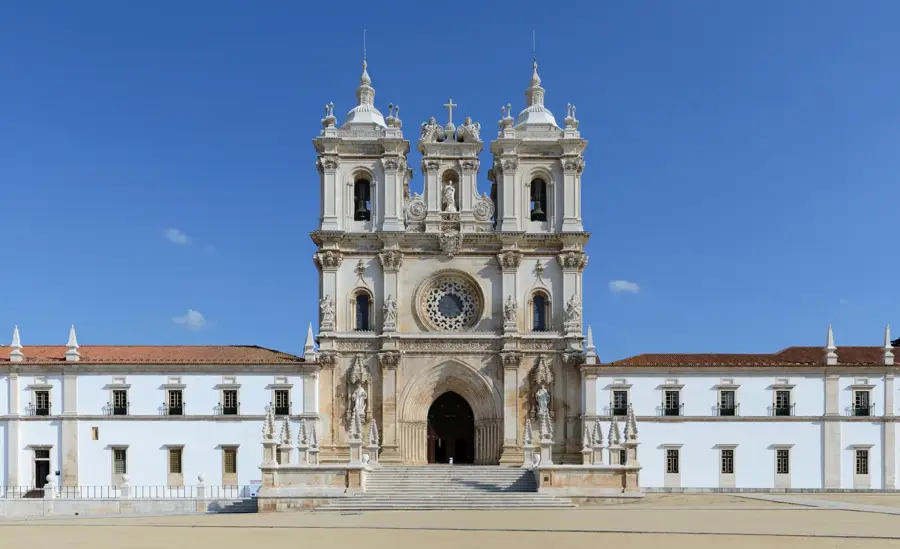
Alcobaça is home to the Monastery of Santa Maria, one of Portugal’s first and most significant Cistercian foundations and a UNESCO World Heritage site. Founded in the 12th century, the monastery is striking for its monumental scale and the clean lines of its Gothic architecture. Its church is the largest in Portugal, offering a space of immense solemnity and peace. A central highlight inside are the beautifully carved tombs of King Pedro I and Inês de Castro, whose tragic romance is the Portuguese equivalent of Romeo and Juliet. A fascinating feature of the monastery is the enormous kitchen with its giant chimney and a water basin that was once fed by a diverted arm of the Alcoa River to provide fresh fish directly to the monks. The town itself is noted for its high-quality ceramics and traditional 'Chitas de Alcobaça' printed cotton fabrics. In the local pastry shops, don't miss the 'Doces Conventuais', rich sweets originating from old monastic recipes. Set in a fertile valley, the area is also a major fruit-producing hub, famous for its apples and pears. Alcobaça provides a rich tapestry of spiritual history, romantic legends, and artisan traditions.

Best time to visit & climate

The most pleasant time to visit is Jun–Aug.

JanFebMarAprMayJunJulAugSepOctNovDec
Avg °C91012141720222221171210
Rain mm846371644218610329410076

📋 Practical info

🚪
Visiting
The Alcobaça Monastery is open to the public; you can explore the vast church, cloisters, and the tombs of Pedro and Inês. Both interior and exterior areas are accessible.
🕒
Typical hours
The monastery typically opens daily from mid-morning to late afternoon, with reduced hours on Sundays and holidays. Actual times vary by season.
📷
Photography
Photography is generally allowed inside the monastery, but flash and tripods may be restricted. Outside photography of the facade is unrestricted.
⏱️
Time needed
A typical visit takes about 1.5 to 2 hours, allowing time to explore the church, cloister, and royal tombs. Add extra time for the museum.
Combine with
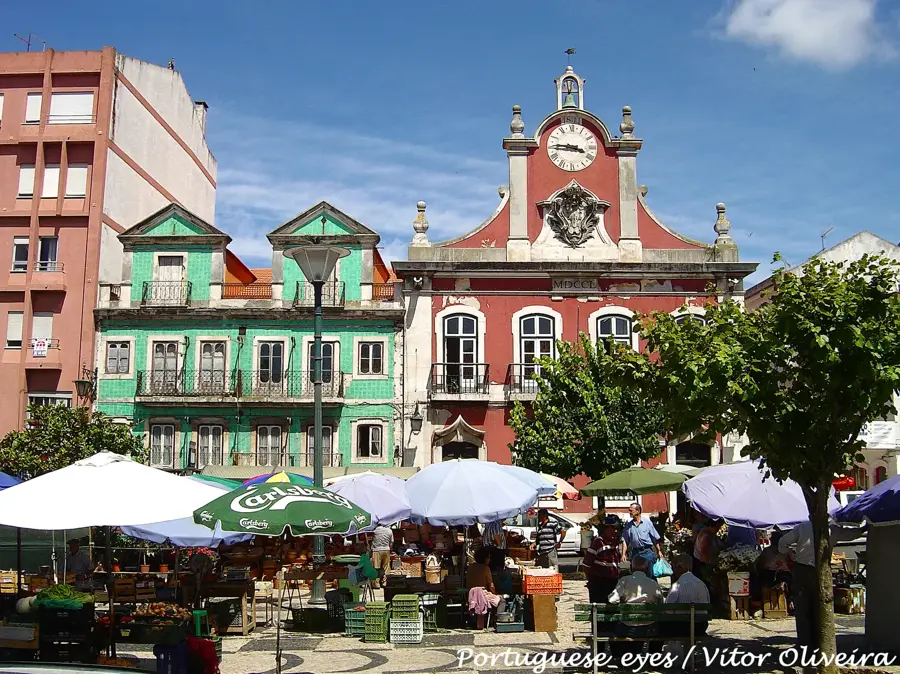
Combine Alcobaça with the nearby monasteries of Batalha and Tomar for a full day of Gothic and Manueline architecture. The town itself has a pleasant market square.
🧭
Getting there
The monastery is easily reached by car via the A8 motorway or by bus from Lisbon (about 1.5 hours). Parking is available nearby.
💡
Insider tip
Arrive early in the morning to experience the monastery's serene atmosphere before the crowds. The tombs of Pedro and Inês are a highlight.

Geography

Population
15,800 (2023)
Coordinates
39.55000, -8.97500

Facts

  • UNESCO World Heritage Alcobaça Monastery
  • Largest Gothic church in Portugal
  • Tombs of King Pedro and Inês de Castro
  • Famous for its massive monastic kitchen
  • Founded in 1153 by Cistercians
  • Center for ceramics and traditional fabrics
  • Monastic sweets (Doces Conventuais)
  • Known for high-quality fruit production

Explore nearby

Notable places around
Route planner — Car & Motorhome

Where do you start? We build the route here, with stops and country notes along the way.

Vehicle
Only stops with (optional):

© OpenStreetMap contributors · OpenRouteService

Sights in the town Alcobaça (10)

Igreja de Nossa Senhora da Ajuda⛪ religious

Heritage-listed church of Our Lady of Help near the Alcobaça Monastery.

Antiga Central Hidroeléctrica da Fiação e Tecidos🏺 historical

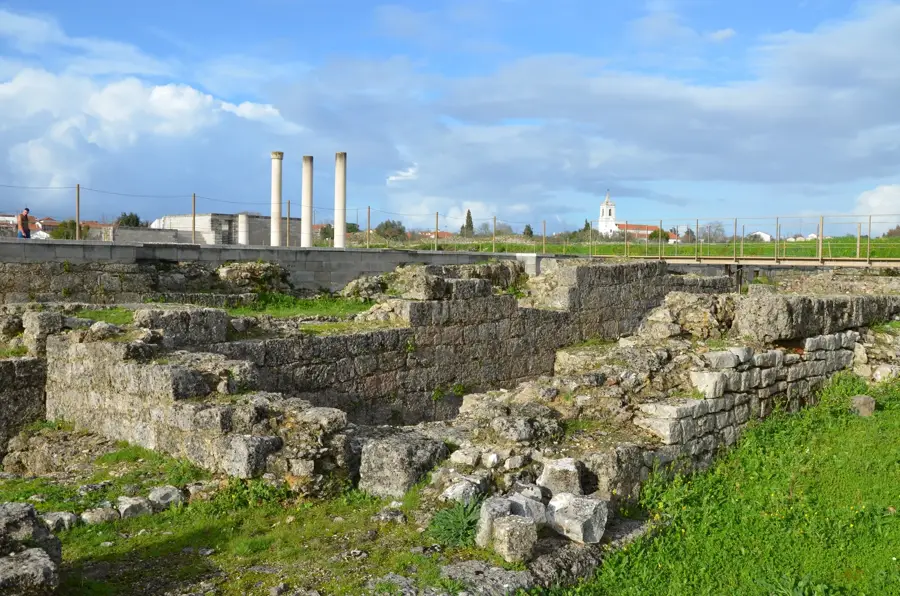
The ruins of the old hydroelectric plant reflect the industrial past of Alcobaça.

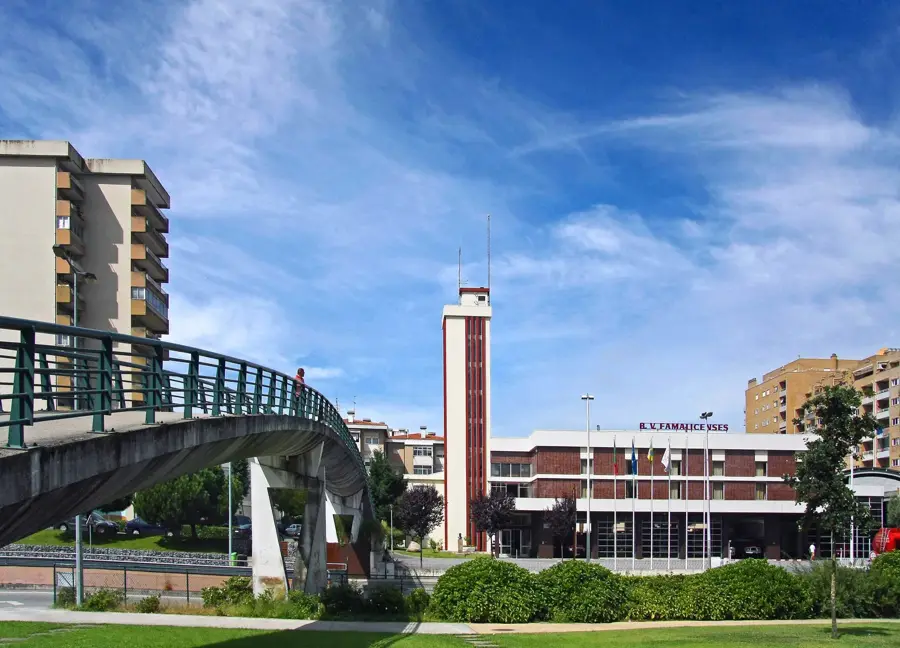
Sociedade Filarmónica Vestiariense Monsenhor José Cacella🎭 culture

This arts and culture center hosts musical and local events in Alcobaça.

Confluência dos rios Alcoa e Baça📍 landmark

This scenic attraction marks the confluence of the Alcoa and Baça rivers in the city.

Capela de Nossa Senhora do Desterro⛪ religious

This historic 17th-century chapel is located near the monastery in Alcobaça.

Igreja de Nossa Senhora da Conceição⛪ religious

16th-century church of Our Lady of Conception with a single nave.

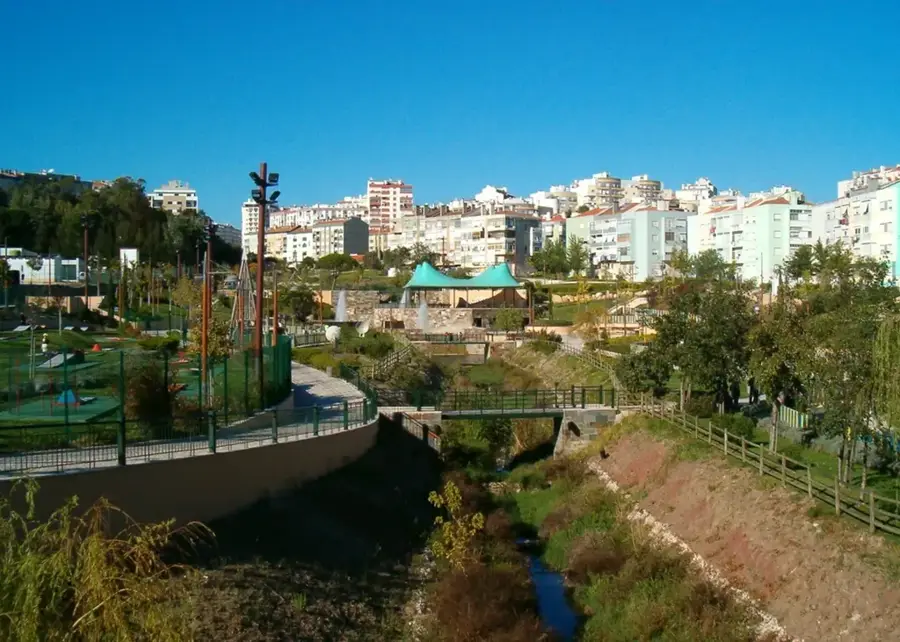
Parque Verde🌳 park

Parque Verde has a green recreational oasis in the center of Alcobaça.

Palacete da Família Rino🏺 historical

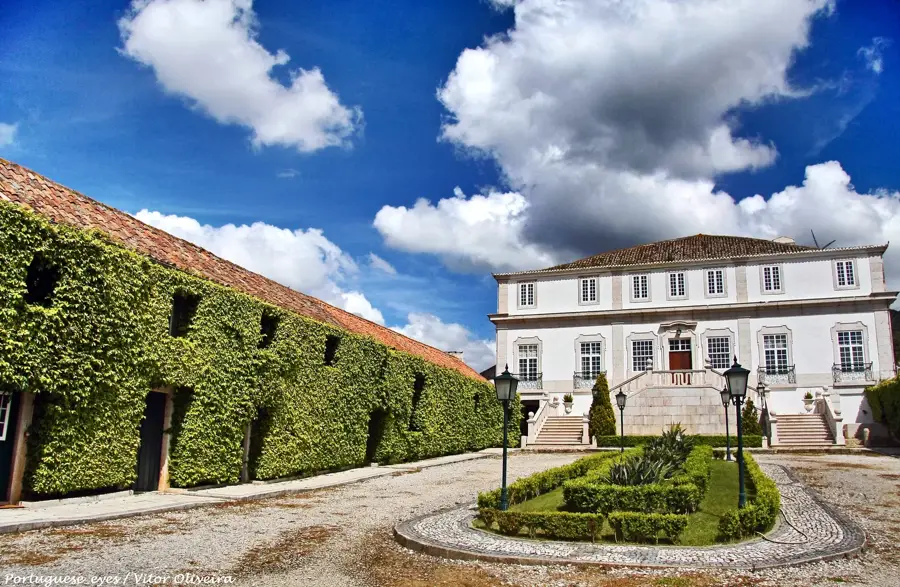
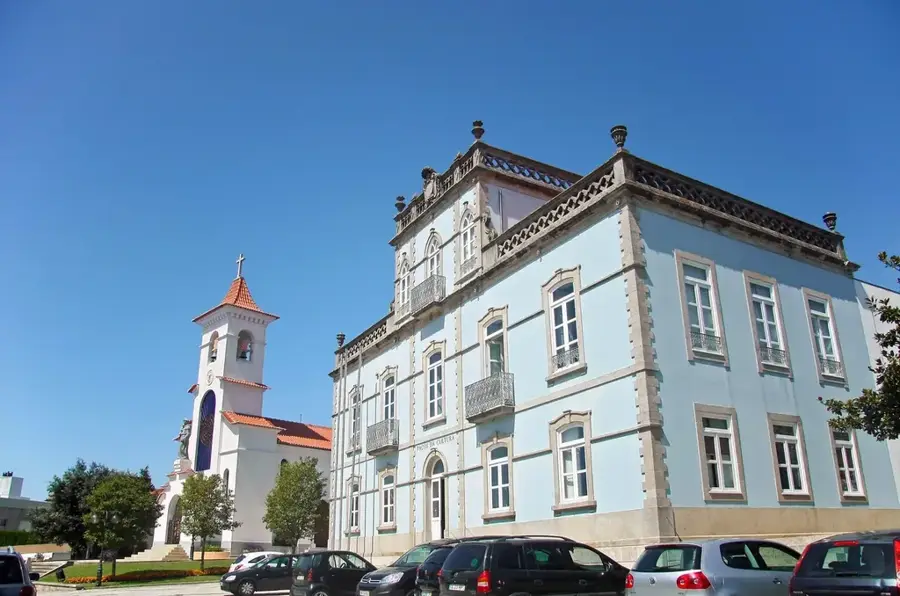
This impressive manor house in Alcobaça once belonged to the Rino family.

Mercado Municipal de Alcobaça📍 landmark

The municipal market of Alcobaça is the central place to buy fresh local products.

Armazém das Artes🎭 culture

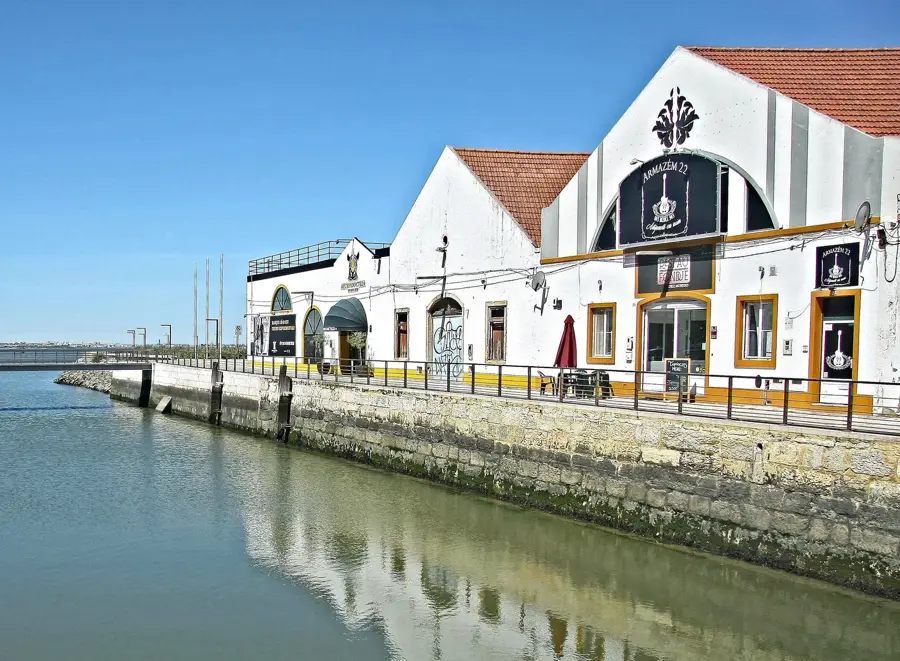
Armazém das Artes is a cultural centre in a former warehouse, hosting art exhibitions in Alcobaça.

Sights nearby

Frequently asked questions

Who is buried in the Alcobaça Monastery?
King Pedro I and his lover Inês de Castro in their famous ornate tombs.
What is special about the monastery kitchen?
It is enormous and features a chimney so large that whole oxen were roasted in it.
Is the monastery a UNESCO World Heritage site?
Yes, it was declared a World Heritage site in 1989.
How is the parking situation?
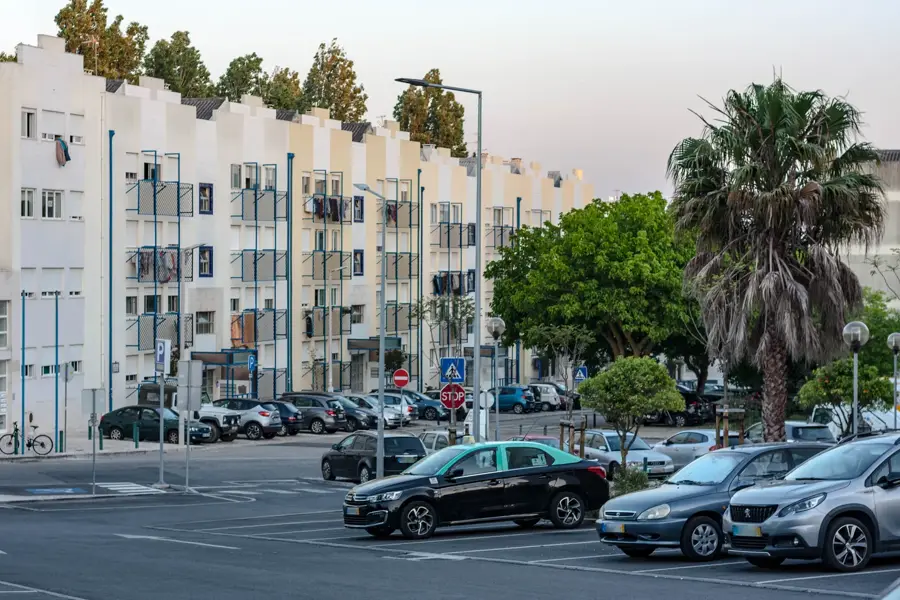
There are parking spaces in the surrounding streets, mostly requiring payment.
Is there a tourist information office?
Yes, located right across from the main entrance of the monastery.
Alcobaça: where is it located?
Alcobaça is located in Portugal.
Alcobaça: what is there to see?
Highlights include Igreja de Nossa Senhora da Ajuda, Antiga Central Hidroeléctrica da Fiação e Tecidos, Sociedade Filarmónica Vestiariense Monsenhor José Cacella.
Alcobaça: when is the best time to visit?
The most pleasant time to visit is Jun, Aug.
Alcobaça: why is it worth visiting?
Alcobaça is home to the Monastery of Santa Maria, one of Portugal’s first and most significant Cistercian foundations and a UNESCO World Heritage site.
View on map → The Top 50 Attractions → Most beautiful beaches → OpenStreetMap →
Europe
Explore with Plizio Discover more places in Europe
More places in Portugal →

Nearby cities

History & landmarks