Plizio Visual Lab
Lubsko
ℹ️Practical info — Lubsko
▾
🌤 Weather — 5 days
📍 Nearby
Sights nearby
💡 Tips
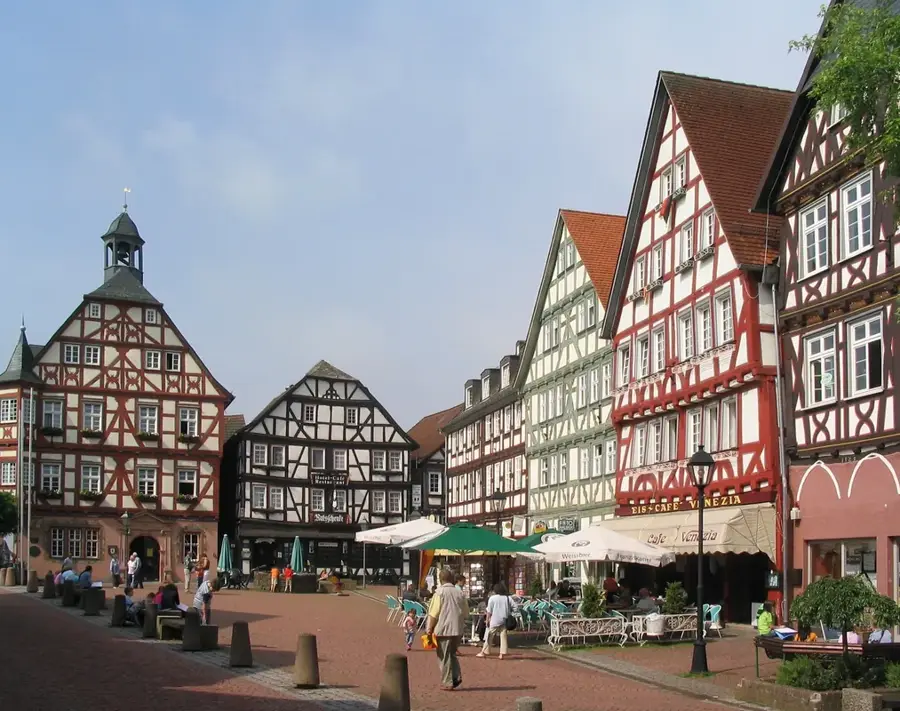
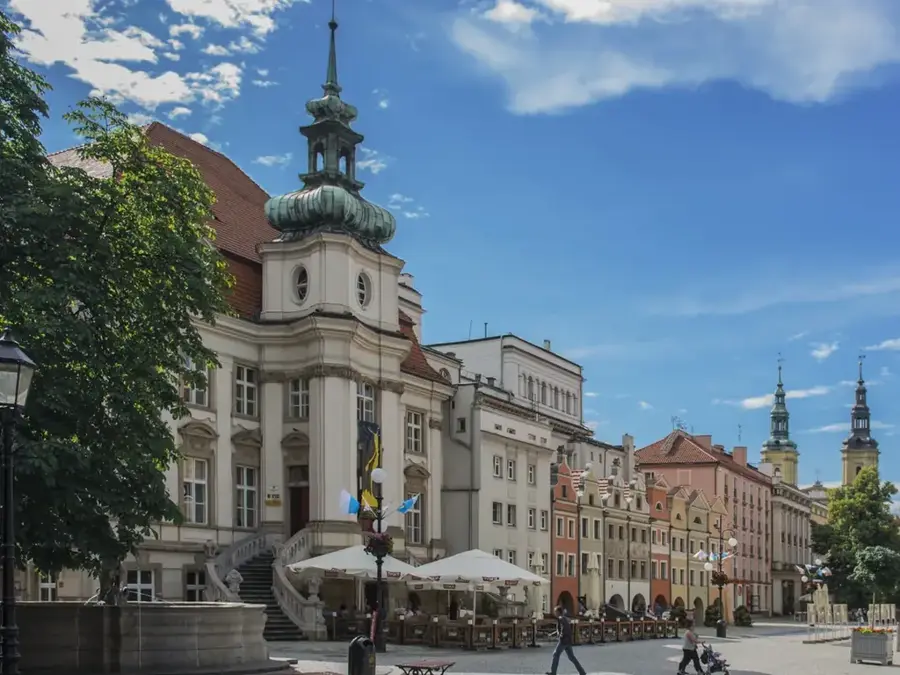
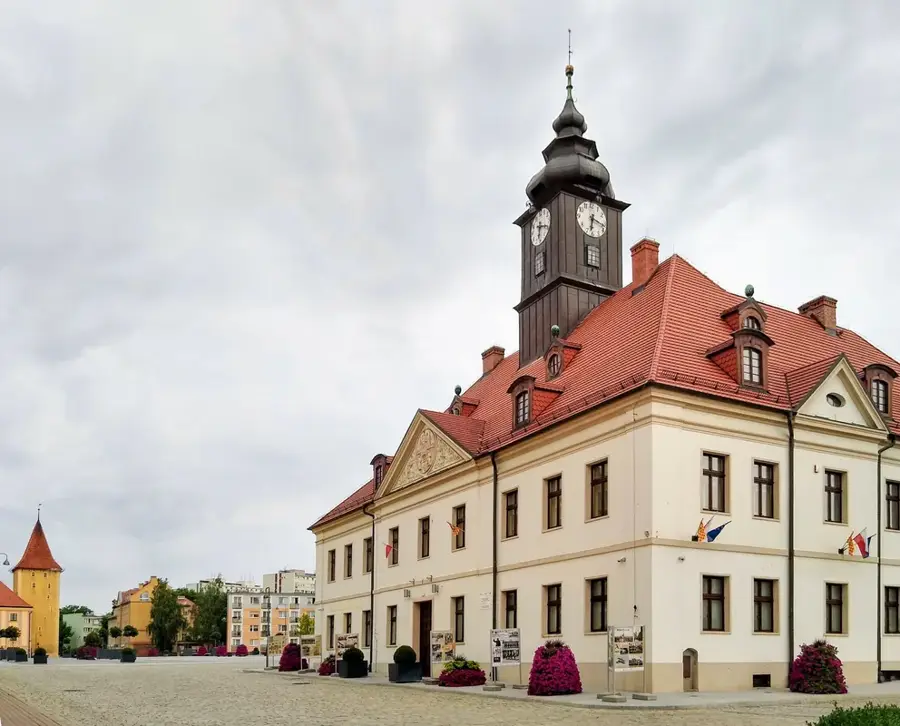
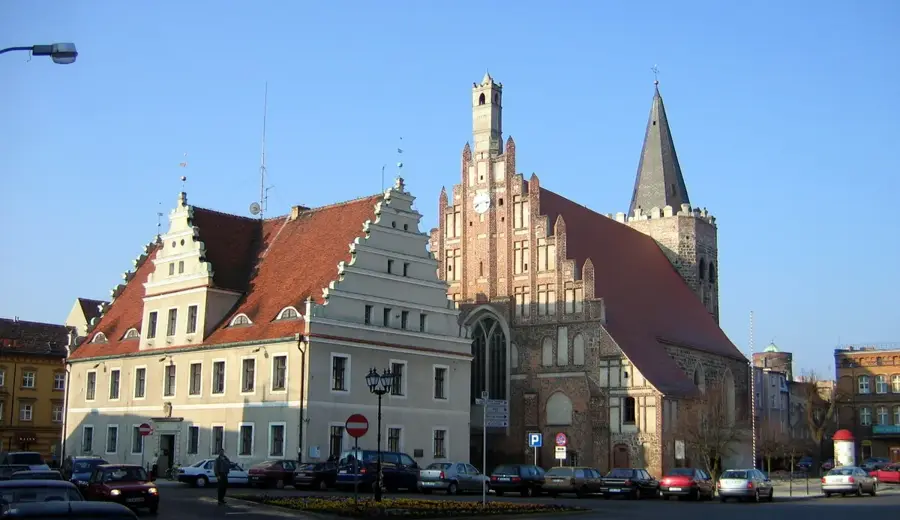
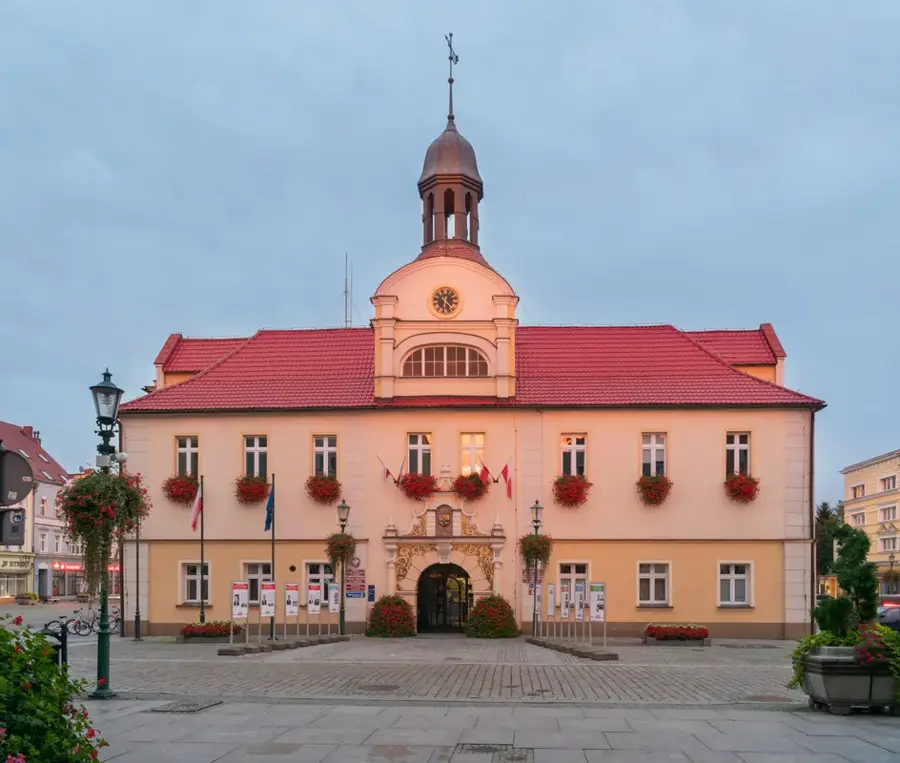
- Take a walk around the easy on the eye market square to admire the Renaissance Town Hall and the historic Gothic architecture.
- If you plan to explore the surrounding Lusatian region, renting a car is highly recommended as public transport can be infrequent.
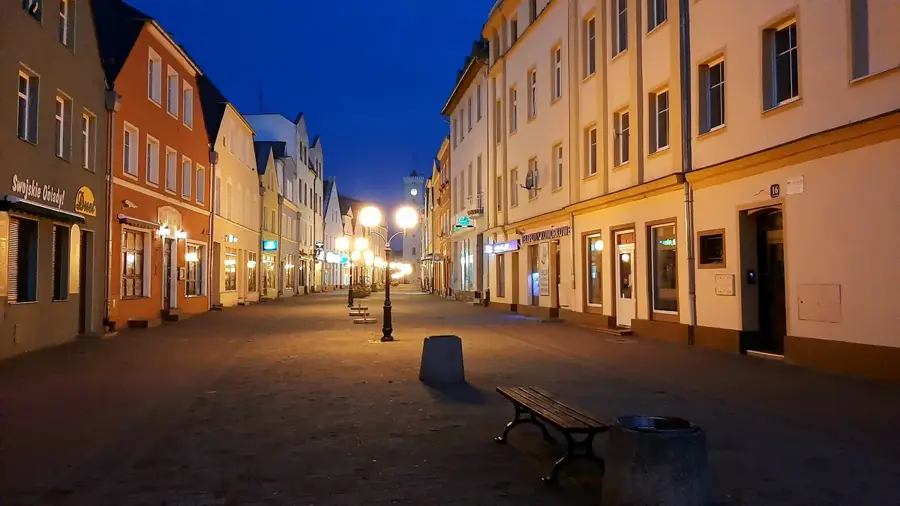
- Look closely at the facades of the old tenement houses; many still show traces of the town's pre-war history.
- Stop by the local bakeries early in the morning to get the best selection of traditional Polish pastries and bread.
🍽 Food
A traditional, hearty hunter's stew made with cabbage and meat, available in local Polish diners.
Buy traditionally smoked meats and sausages directly from the local butchers.
A classic Polish cheesecake that you can enjoy with a coffee at a café near the Town Hall.
🛍 Shopping · 🧘 Quiet spots
Look out for small shops near the center selling handmade ceramics and regional souvenirs.
The area around the town hall features independent boutiques offering local goods and clothing.
A quiet water reservoir slightly outside the town center, popular for fishing and relaxing walks.
The city park provides a green, leafy escape with winding paths and old trees.
Water temperature…
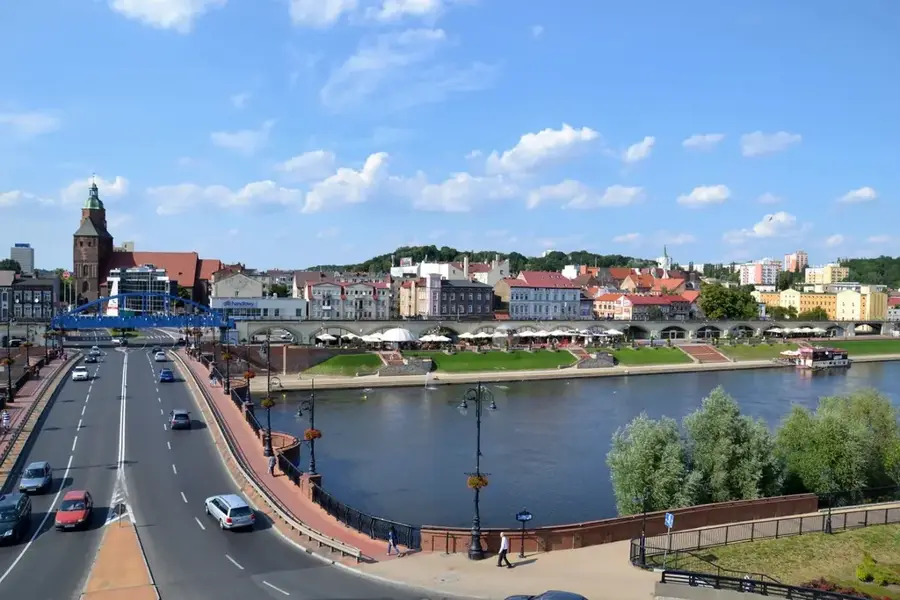
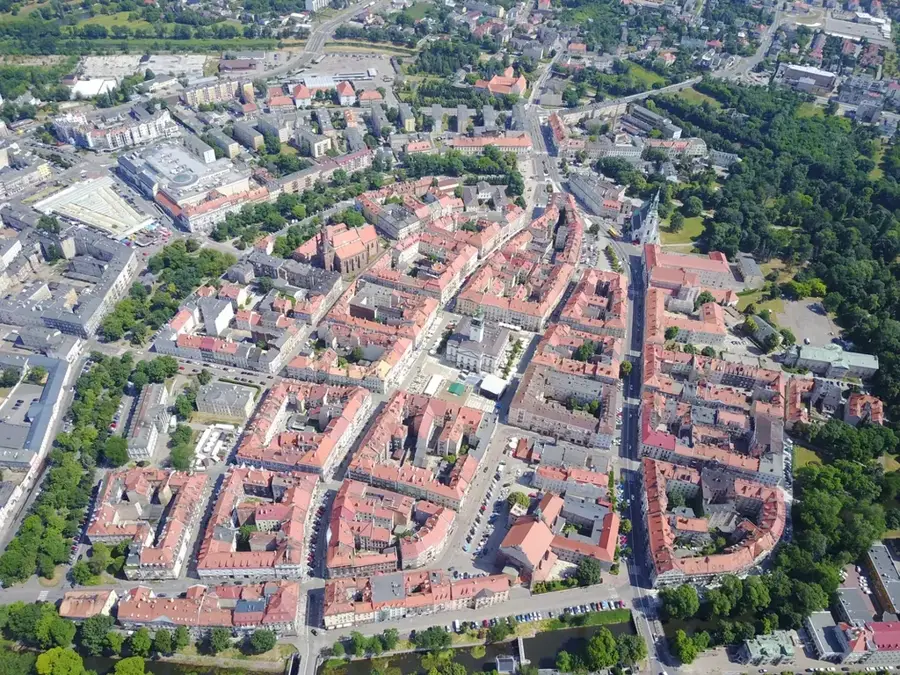
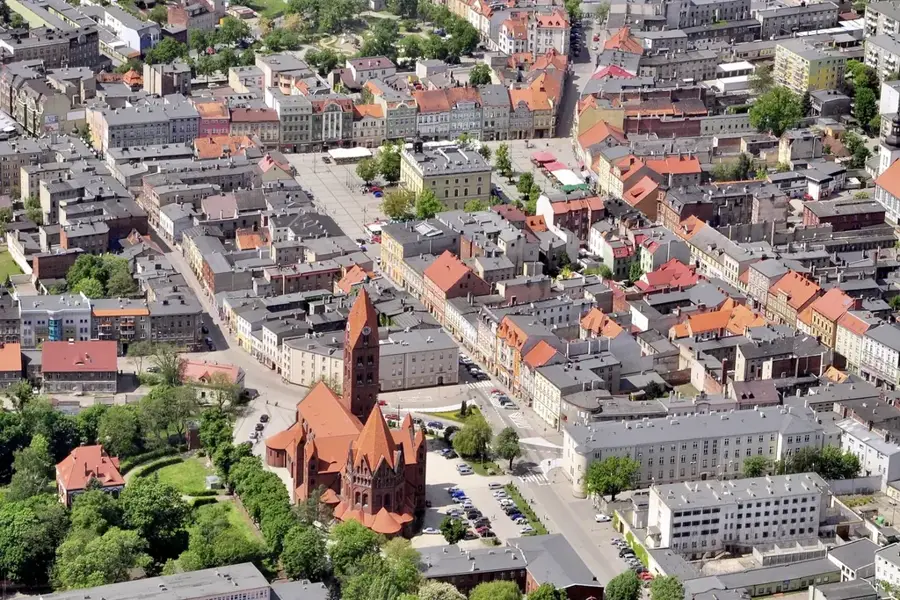
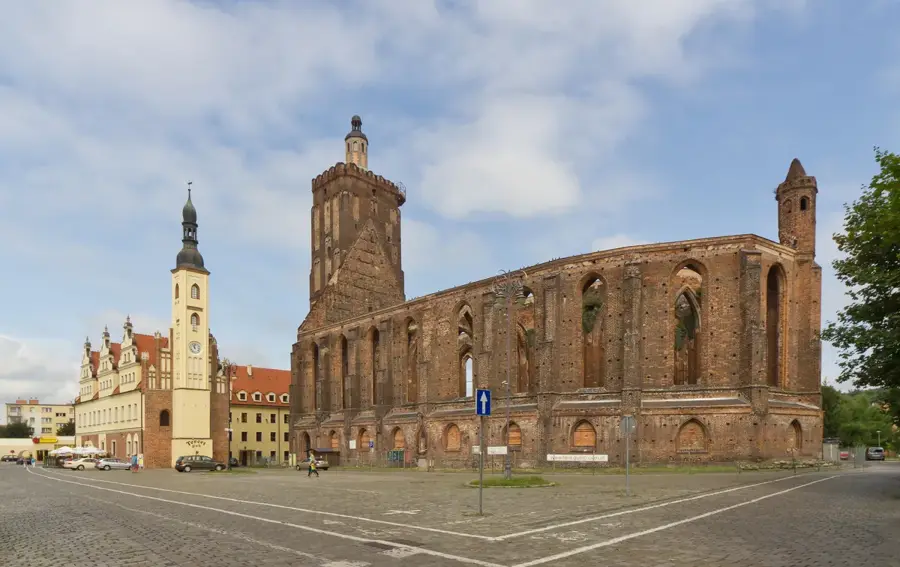
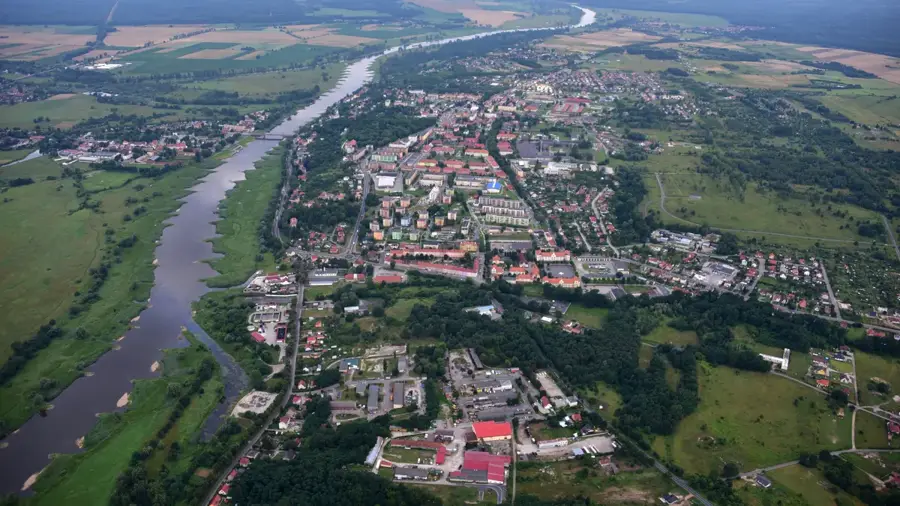
Lubsko, formerly known by its German name Sommerfeld, is a historic town in the Lubusz Voivodeship in western Poland, near the German border. The town has a long and complex history closely linked to the Lower Lusatia region. The cityscape bears witness to this rich heritage, especially through the impressive 15th-century Gothic town hall and the monumental St. Mary's Church, a three-aisled hall church that dominates the center. A walk through the old town reveals other historic buildings and remnants of the medieval city walls. The town was once a major center of the textile industry, and although that era has passed, it continues to shape Lubsko's identity. Culturally, the town gives a local museum that sheds light on the region's history. The cuisine is typical of the Polish region, with influences from its German neighborhood. Visitors can enjoy hearty dishes like pierogi and bigos. The atmosphere in Lubsko is calm, inviting you to soak in the history. Lubsko is easily accessible by road from Zielona Góra and the German city of Forst (Lausitz). Its location near the A18/A4 motorway makes it a convenient stop for travelers between Poland and Germany. The best time to visit is from May to September, when the weather is pleasant and the historical sights can be explored in daylight. The surrounding forests and lakes of the Lubusz Voivodeship also offer great opportunities for outdoor activities.
- Location: Poland
- Top sights: Ruiny dawnej parowozowni Lubsko · Rampa Quebonafide · Lubski Dom Kultury
- Nearby: Żary (20 km)
- Population: ~14.994
Geography
Facts
- Historic German name: Sommerfeld.
- Located in the Lubusz Voivodeship near the German border.
- Impressive 15th-century Gothic Town Hall.
- Monumental St. Mary's Church in the town center.
- Former center of the textile industry.
- Part of the historical region of Lower Lusatia.
- Remains of the medieval city walls are preserved.
- Good road connections to Germany and Zielona Góra.
Explore nearby
Notable places around
Route planner — Car & Motorhome
Where do you start? We build the route here, with stops and country notes along the way.
© OpenStreetMap contributors · OpenRouteService
Sights in the town Lubsko (9)
Frequently asked questions
How many days should I plan for Lubsko?
Best time to visit?
How to get there?
What is the highlight?
Family-friendly?
Lubsko: where is it located?
Lubsko: what is there to see?
Lubsko: why is it worth visiting?

Nearby cities