Plizio Visual Lab
Forst (Lausitz)
ℹ️Practical info — Forst (Lausitz)
▾
🌤 Weather — 5 days
📍 Nearby
Sights nearby
💡 Tips
- The East German Rose Garden is vast; visit in June or July for the peak bloom and plan a full afternoon.
- You can easily walk or cycle across the Neisse river bridges directly into Poland-just remember to carry your ID.
- Look for the imposing red-brick factory buildings along the river, remnants of the town's era as the 'German Manchester' of the textile industry.
- Rent a bike to ride a section of the Oder-Neisse cycle path, which provides perfectly flat, scenic routes right by the water.
🍽 Food
The famous crunchy Spreewald gherkins are a must-try local staple, often served as a side dish in traditional regional restaurants.
Yeast-based Sorbian pancakes, a regional sweet treat often found in cafes close to the Rose Garden.
Enjoy freshly caught regional fish in one of the riverside restaurants along the Neisse.
🛍 Shopping · 🧘 Quiet spots
Pick up unique rose-themed souvenirs, including handmade soaps and teas, near the entrance of the Ostdeutscher Rosengarten.
Take a short walk across the bridge to Zasieki in Poland for cross-border market shopping and distinct local goods.
A particularly tranquil island section within the Rose Garden, surrounded by water and ancient trees.
Stroll along the quiet riverbanks of the Neisse, enjoying the peaceful border landscape and historical industrial ruins.
Water temperature…
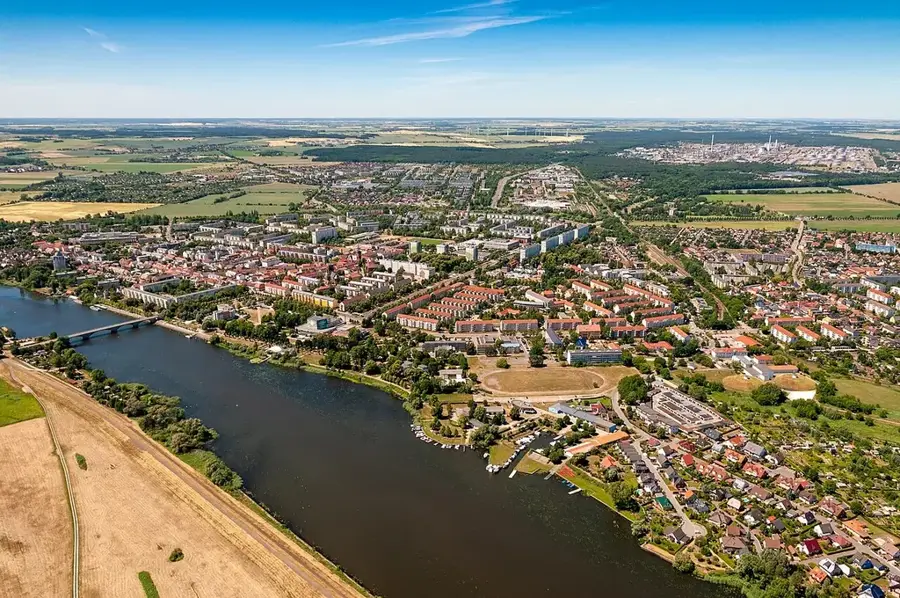
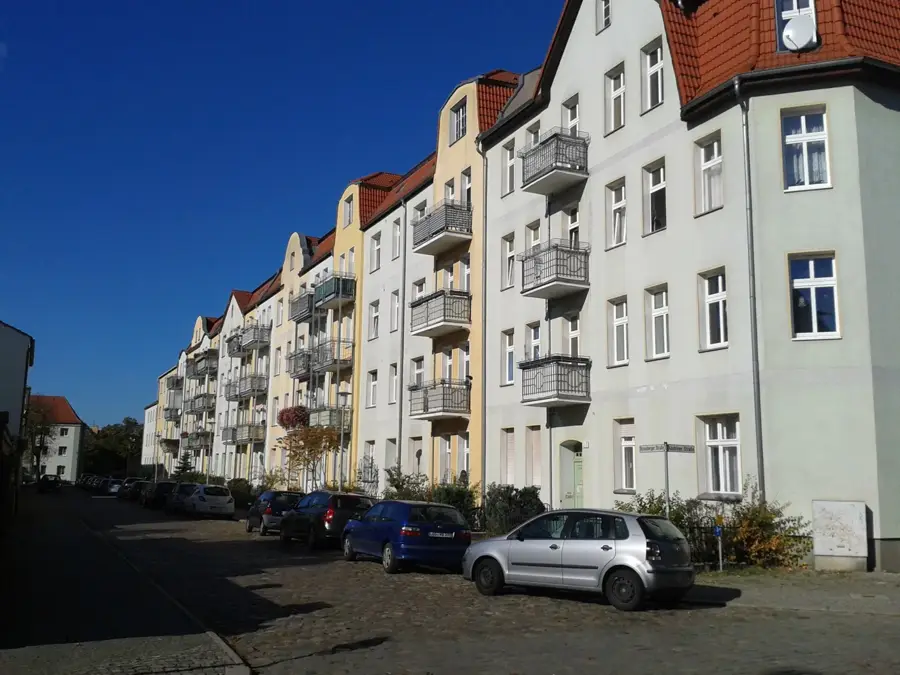
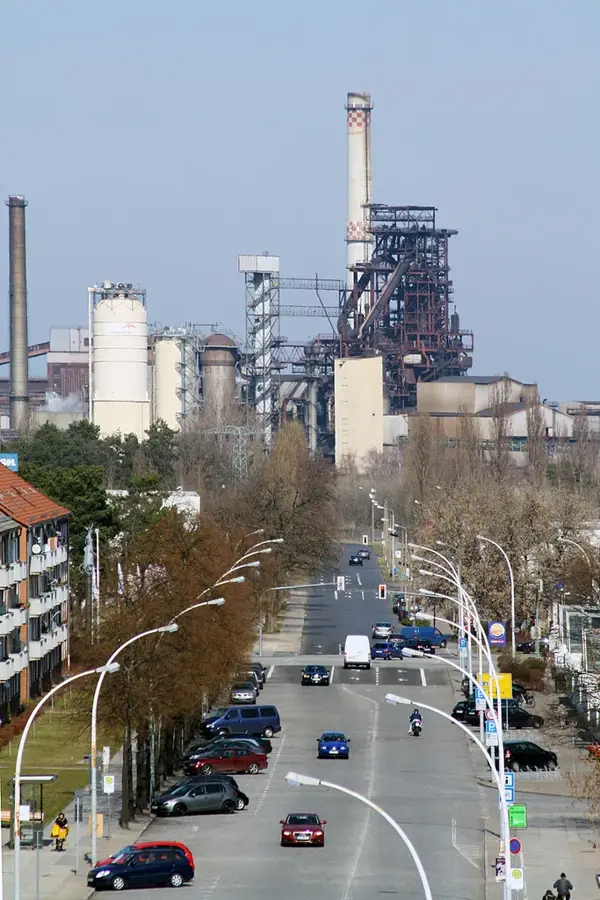
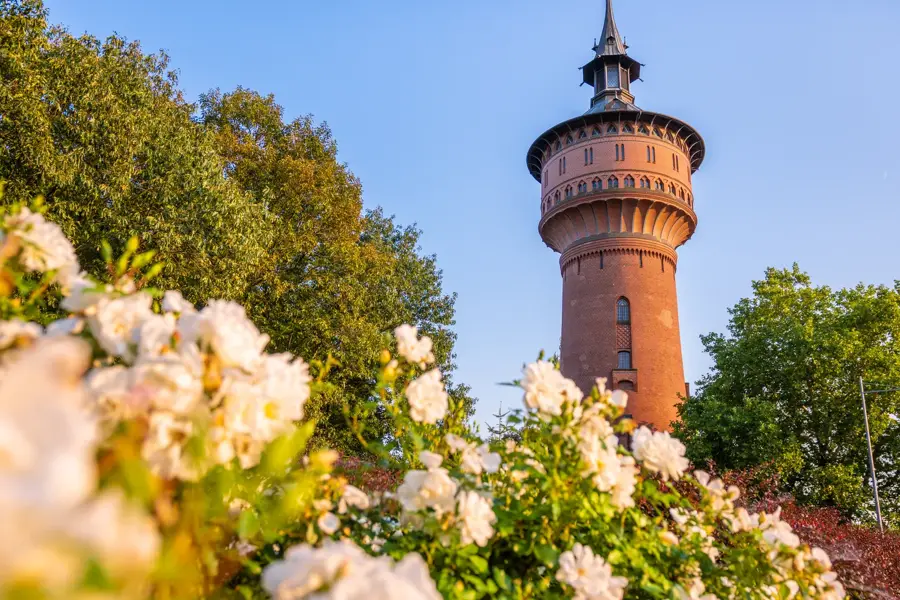
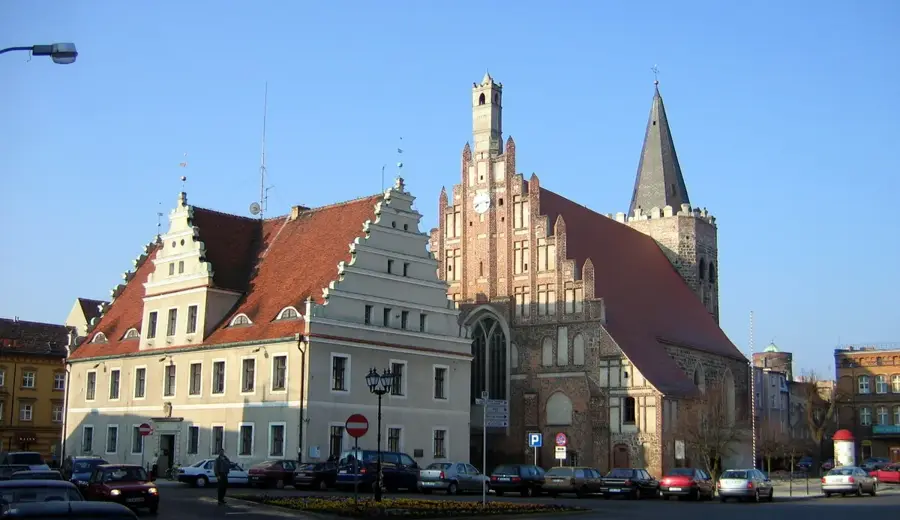
Situated right on the banks of the Neisse River, which forms the border with Poland, Forst (Lausitz) presents itself as a town characterized by blooming floral splendor and deeply fascinating industrial history. The absolute highlight and a must-see for every visitor is the East German Rose Garden (Ostdeutscher Rosengarten), a sprawling park over 100 years old where tens of thousands of roses in hundreds of varieties create an intoxicating display of colors and fragrances. During the 19th and early 20th centuries, Forst was one of Germany's most important cloth-making towns, earning it the moniker "the German Manchester." The Brandenburg Textile Museum, housed in an old factory building, keeps the memory of this golden era alive with fully functional historic mechanical looms. The town's architecture features a mix of proud former factory owners' villas alongside massive red-brick industrial buildings. For active vacationers, the Oder-Neisse cycle path, winding directly along the riverbank, is an absolute dream. A trip to Forst uniquely combines delicate floral beauty with raw industrial heritage.
- Location: Brandenburg, Germany
- Top sights: East German Rose Garden · Brandenburg Textile Museum · Long Bridge (Neisse Bridge)
- Nearby: Cottbus (22 km)
- Population: ~17.721
Geography
Facts
- Founded around 1150 near a protective castle
- City rights granted in the year 1265
- Rose garden contains over 900 varieties of roses
- Total urban area is approximately 110.7 km²
- Average elevation is 76 meters above sea level
- Main employers are administration and the service sector
Explore nearby
Notable places around
Route planner — Car & Motorhome
Where do you start? We build the route here, with stops and country notes along the way.
© OpenStreetMap contributors · OpenRouteService
Sights in the town Forst (Lausitz) (6)
Frequently asked questions
Why is Forst called the city of roses?
Can you get to Poland from Forst?
Which cycle path leads through Forst?
Are there museums about the city history?
When do most roses bloom in the Rose Garden?
Forst (Lausitz): where is it located?
Forst (Lausitz): what is there to see?
Forst (Lausitz): why is it worth visiting?

Nearby cities