Plizio Visual Lab

KGHM Lubin Copper Mine
Plizio editorial teamData Sources
mine
—°10
KGHM Lubin Copper Mine (Poland)

Weather…

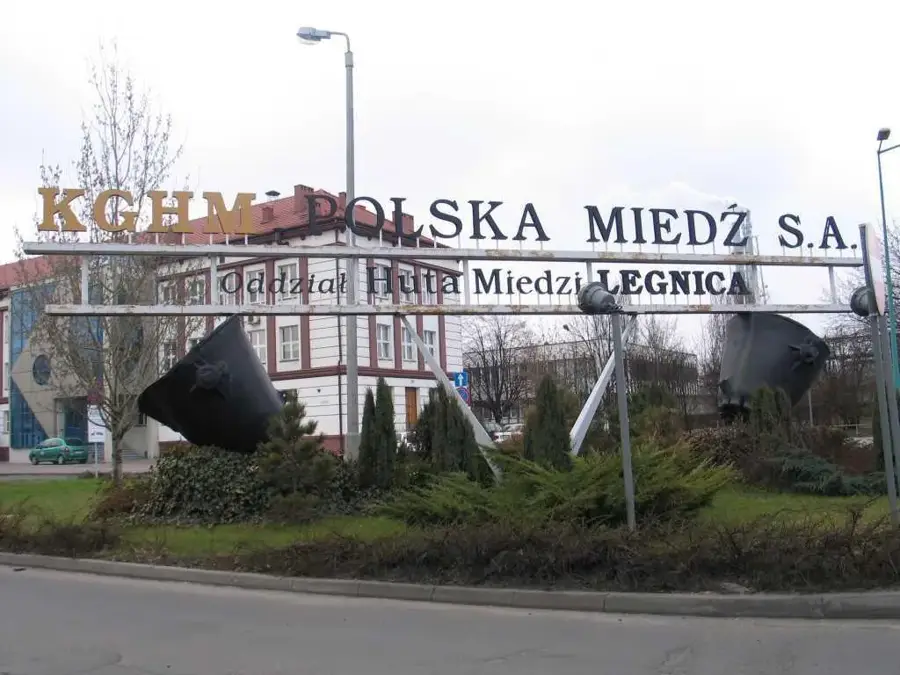
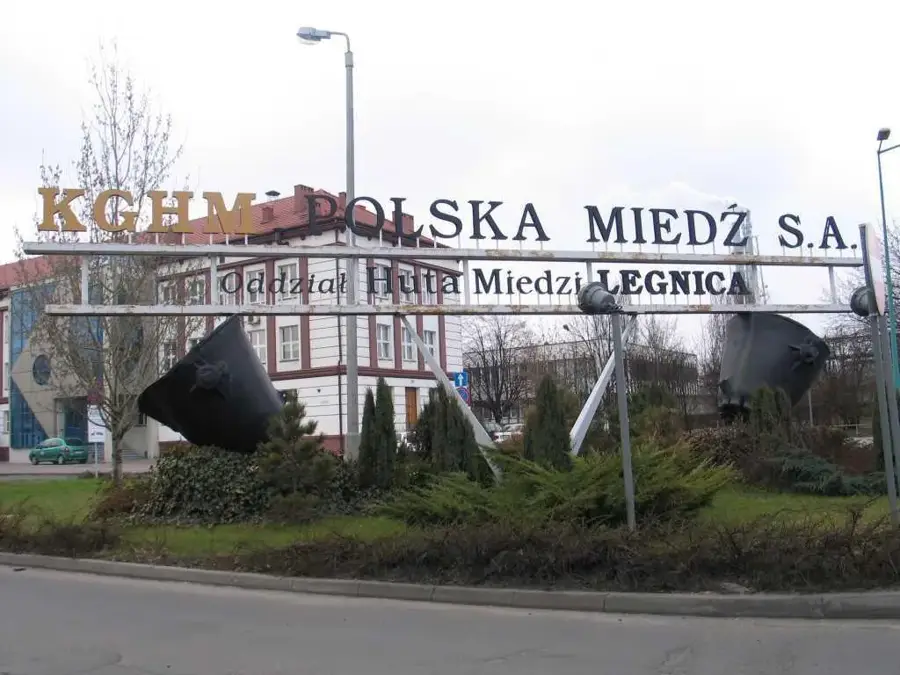
The Lubin copper mine in Lower Silesia is the birthplace of modern mining for KGHM Polska Miedź S.A. and part of one of the world's largest copper ore deposits. The discovery of rich ore seams by Jan Wyżykowski in 1957 revolutionized the region and led to the establishment of the Legnica-Głogów Copper District (LGOM). The Lubin mine commenced operations in 1968, extracting copper ore from depths ranging between 600 and 1,000 meters. Beyond copper, the mine is a significant source of silver, making KGHM one of the world's leading silver producers. The underground technical infrastructure is highly advanced, featuring an extensive network of tunnels and specialized transport machinery. The extracted ore is processed on-site before being sent to nearby smelters in Legnica and Głogów for refining. The mine serves as an economic engine for southwestern Poland and a hub for technological innovation in deep-level mining. Despite decades of extraction, the site continues to hold substantial reserves for future operations.

📋 Practical info

🏭
What is this place?
The copper basin near Lubin is one of the world's most important mining areas for copper and silver, forming the true economic backbone of the entire region. The vast mine operated by KGHM secures thousands of jobs throughout Lower Silesia.
🚪
Visiting
Direct access into the deep shafts of this highly active mine is strictly impossible for normal tourists due to rigorous safety standards. The subterranean operational areas remain exclusively reserved for the highly specialized mining workforce.
👀
Where to view it
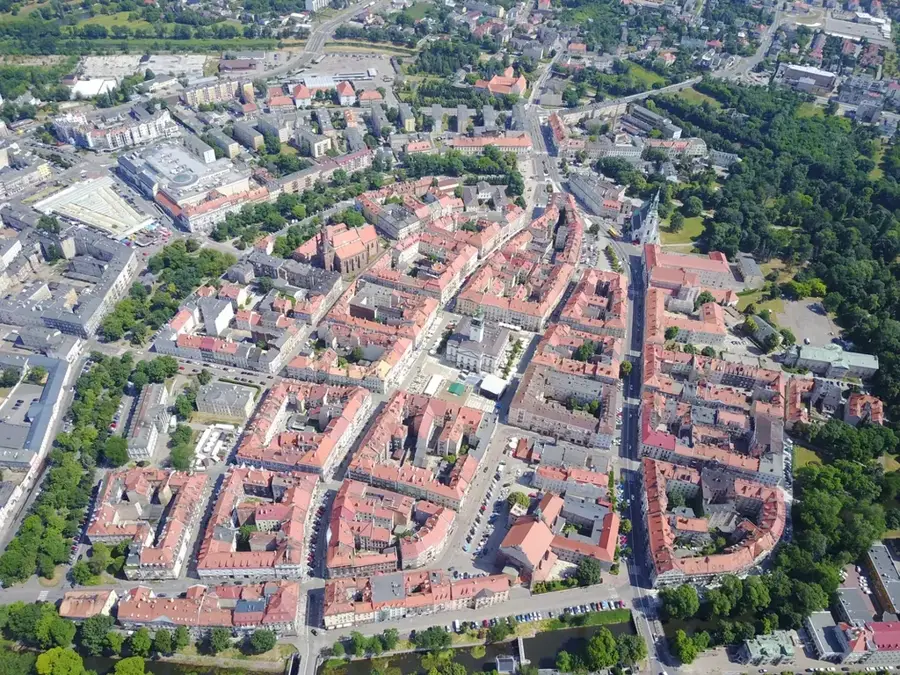
From the roads surrounding Lubin and Polkowice, you can easily spot the distinctive headframes and sprawling processing plants rising above the flat landscape. The gigantic tailings ponds used for residual materials are also visible from a distance.
🧺
Local products
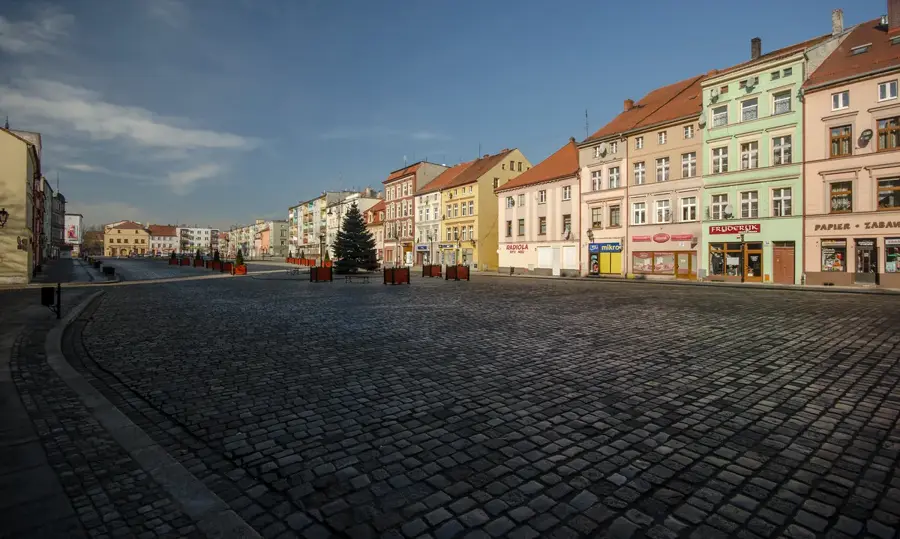
In the city of Lubin, the prosperity generated by mining is clearly reflected in modern shopping centers and excellent local restaurants. You can occasionally find regional crafts or unique jewelry featuring local copper in town boutiques and galleries.
📆
Active season
Mining is a continuous, relentless process that typically takes place year-round in a comprehensive multi-shift system. On standard weekdays, there is particularly high activity around the shaft facilities due to shift changes and material transport.
Nearby
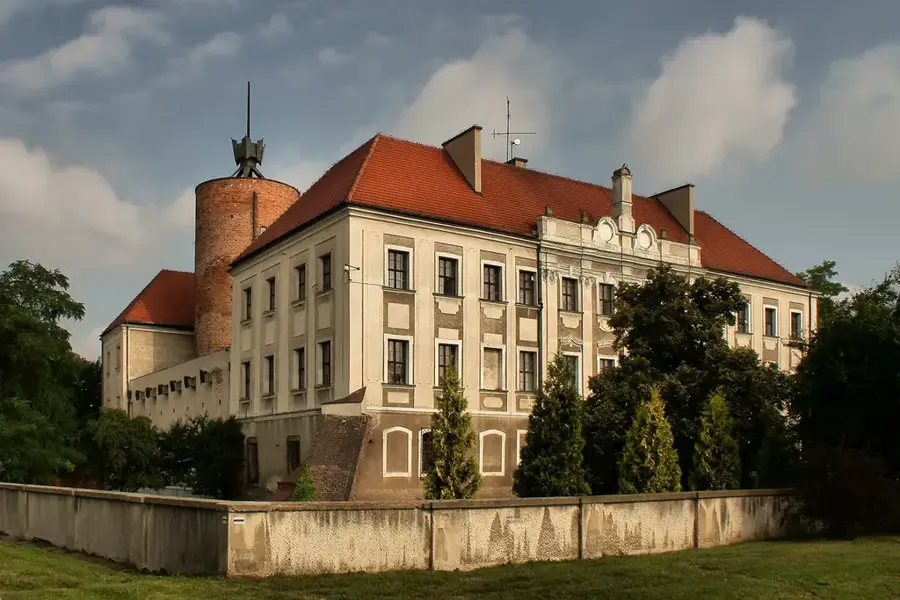
The region gives an interesting mix of attractions: after viewing the massive mining infrastructure from the outside, a visit to the historic old town of Legnica or a relaxing stroll through the extensive public parks of Lubin is highly recommended.

Geography

Coordinates
51.40100, 16.19100

Facts

  • The copper deposits were discovered in 1957 by geologist Jan Wyżykowski.
  • Regular mining operations at the Lubin mine began in 1968.
  • The mine extracts ore from depths reaching up to 1,000 meters.
  • KGHM is consistently ranked among the top three silver producers globally.
  • The mining complex operates seven shafts for extraction and ventilation.
  • The annual ore extraction at Lubin is approximately 8 million tonnes.

Explore nearby

Notable places around
Route planner — Car & Motorhome

Where do you start? We build the route here, with stops and country notes along the way.

Vehicle
Only stops with (optional):

© OpenStreetMap contributors · OpenRouteService

Sights in the town KGHM Lubin Copper Mine (10)

Cerkiew pw. Świętych Apostołów Piotra i Pawła

Orthodox church of Saints Peter and Paul in Lubin, a place of worship for the Orthodox community.

Kościół pw. Świętego Jana Bosko

Catholic church of Saint John Bosco in Lubin, a church building in Poland.

Pionierzy lubińscy 1945🏛 museum

Museum about the first settlers in Lubin after 1945, showcasing the city's post-war history.

Parafia Prawosławna Świętej Trójcy

Orthodox parish of the Holy Trinity in Lubin, a church building in Poland.

Galeria Pałacyk🏛 museum

Small gallery in a historic villa in Lubin, exhibition space for contemporary art.

Grodzisko Stary Lubin

Early medieval stronghold in Stary Lubin, an archaeological site with ramparts.

Muza

Theatre in Lubin, venue for plays and cultural events.

Muzeum historyczne w Lubinie🏛 museum

Historical museum in Lubin, displaying artifacts of the city's past; a defibrillator is on site.

Bolesław Chrobry

Monument to King Bolesław the Brave in Lubin, commemorating the first Polish king.

ZOO Lubin

Small zoo in Lubin, housing various animal species in enclosures.

Sights nearby

Frequently asked questions

What is mined in the Lubin mine?
The mine is one of the world's largest production sites for copper ore and silver.
Can tourists go underground?
Lubin is an active industrial mine; tourist visits underground are normally not possible due to safety reasons.
Who operates the mine?
The mine belongs to KGHM Polska Miedź, one of the leading global producers of copper.
Are there sights in Lubin?
The municipal zoo, along with its dinosaur park, is a popular destination for families in the region.
Why is mining so important here?
Mining is the economic backbone of the Lower Silesia region, providing thousands of specialized jobs.
KGHM Lubin Copper Mine: where is it located?
KGHM Lubin Copper Mine is located in Poland.
KGHM Lubin Copper Mine: what is there to see?
Highlights include Cerkiew pw. Świętych Apostołów Piotra i Pawła, Kościół pw. Świętego Jana Bosko, Pionierzy lubińscy 1945.
KGHM Lubin Copper Mine: why is it worth visiting?

The Lubin copper mine in Lower Silesia is the birthplace of modern mining for KGHM Polska Miedź S.A.
View on map → The Top 50 Attractions → Most beautiful beaches → OpenStreetMap →
Europe
Explore with Plizio Discover more places in Europe
More places in Poland →

Nearby cities

History & landmarks