Plizio Visual Lab

Duck Canyon
Plizio editorial teamData Sources
Relief
—°9
Duck Canyon (Peru)

Weather…

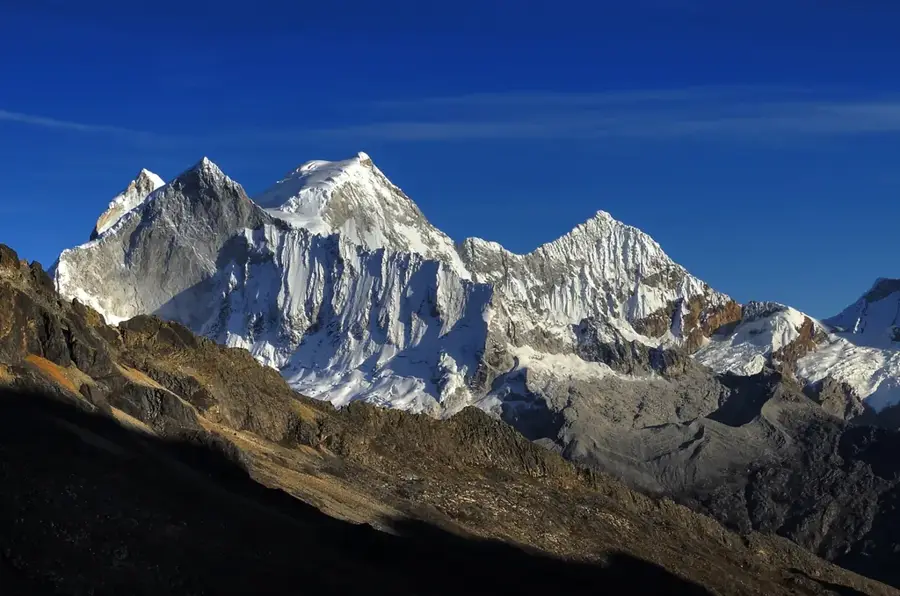
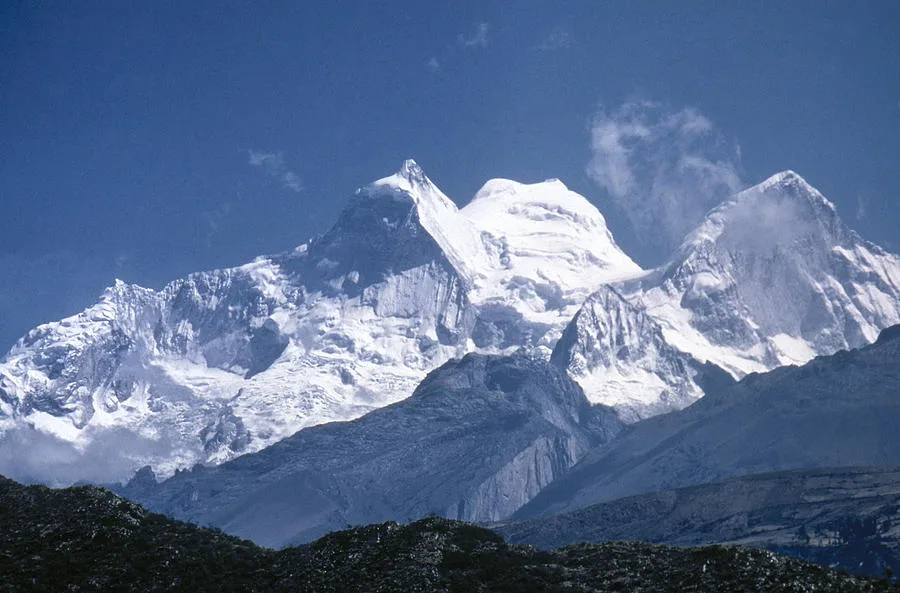
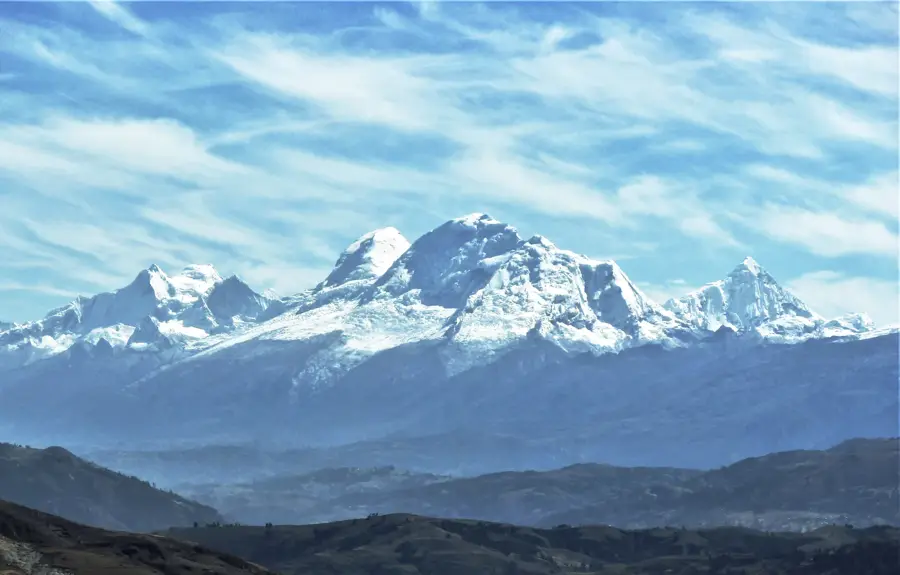
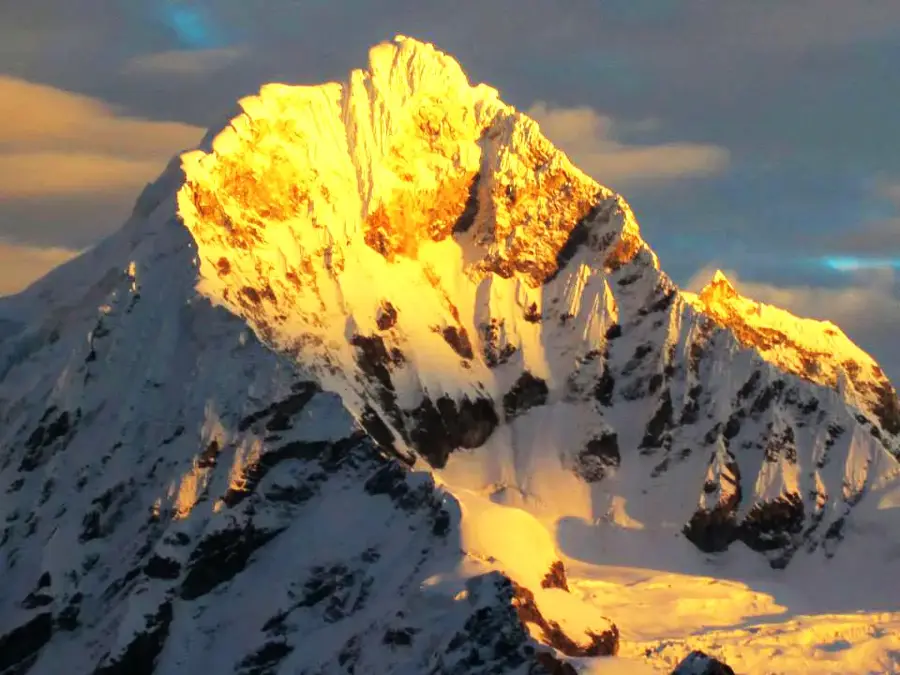
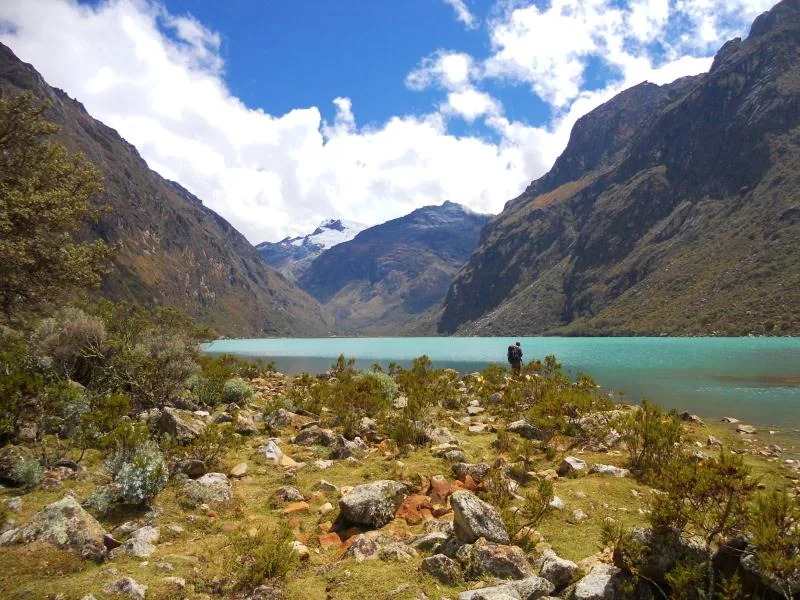
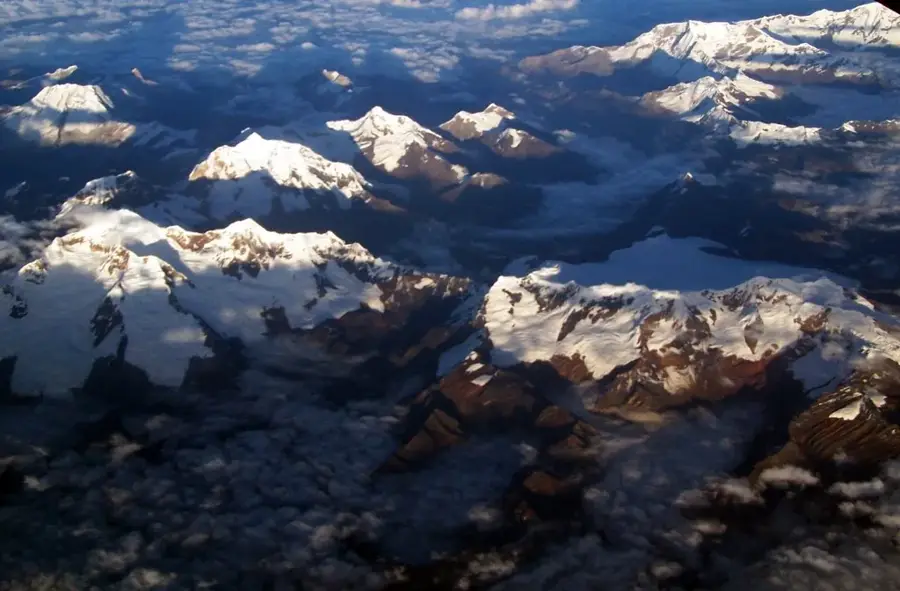
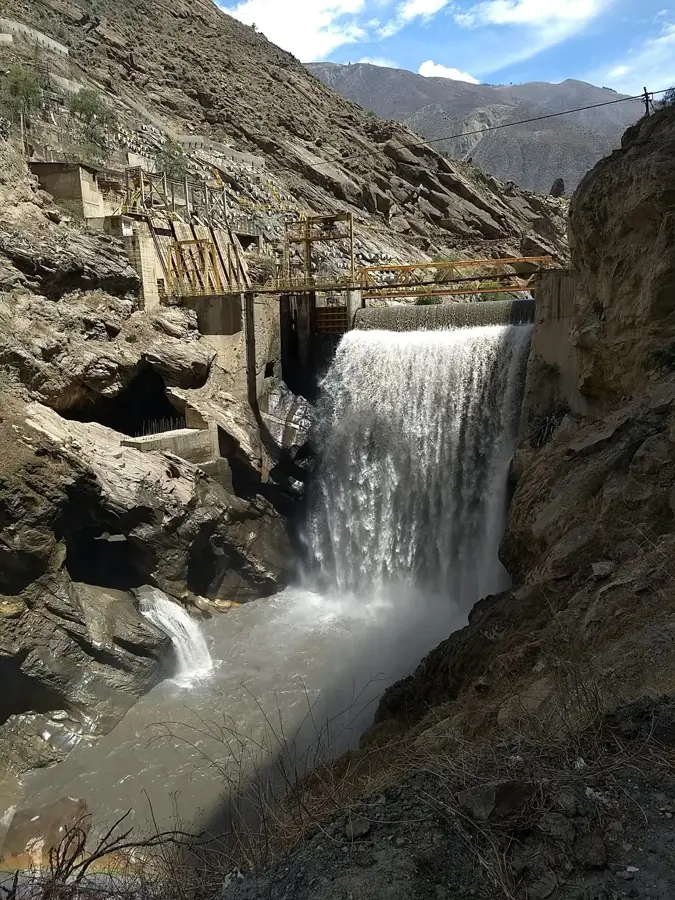
The Cañon del Pato, or Duck Canyon, is a remarkable geological formation in the Ancash region, carved by the Santa River as it breaks through the space between the Cordillera Blanca and the Cordillera Negra. Over a stretch of roughly 15 kilometers, the nearly vertical rock walls converge so closely that in some spots they are only 15 meters apart. The road passing through the canyon is an engineering marvel, featuring 35 hand-carved tunnels, making it one of Peru's most spectacular and treacherous routes. At the northern end of the canyon lies the Huallanca hydroelectric plant, which began operations in 1958, harnessing the power of the Santa River. The gorge marks the transition where the glaciated peaks of the White Range meet the arid mountains of the Black Range. This dramatic landscape provides a unique look at the tectonic forces that shaped the Andes.

Best time to visit & climate

The most pleasant time to visit is Jun, Aug, Sep.

JanFebMarAprMayJunJulAugSepOctNovDec
Avg °C171717181818181919181717
Rain mm18202918122425111626

📋 Practical info

🧭
Getting there
Access to this spectacular rock gorge separating the Cordillera Blanca from the Cordillera Negra is typically via the unpaved mountain roads of the Ancash region. Most visitors begin their journey from nearby towns like Huaraz or Caraz.
📅
Best season
The convenient time to explore this deep Peruvian canyon is during the dry season, generally from May to September, to avoid dangerous landslides. Clear weather during these months provides the best visibility of the dramatic mountain separation.
⛰️
Terrain & paths
The terrain consists of extremely narrow, unpaved paths and a series of rugged mountain tunnels carved through the rock. Navigating the sheer drops and steep rocky edges requires constant attention and careful maneuvering.
🎒
What to bring
Visitors should bring layers of warm clothing, sun protection, and plenty of water, as the mountain climate can change rapidly. Sturdy hiking boots and emergency repair kits for vehicles are highly recommended for this remote area.
🅿️
Parking
Parking is mostly informal and limited to wider spots along the treacherous road, so it is safer to leave vehicles in established towns nearby. Hiring a local driver who knows the terrain is often a better alternative to driving yourself.
⚠️
Safety
The narrow roads and sheer cliffs pose significant risks, especially with oncoming traffic through blind tunnels. Always travel during daylight hours and be vigilant for falling rocks or sudden changes in local weather conditions.
⏱️
Time needed
A typical transit and sightseeing journey through the gorge takes about half a day, depending on the route and starting point. Allow extra time for slow driving conditions and occasional stops to admire the wide-open rock formations.

Geography

Coordinates
-8.86670, -77.83330

Facts

  • The canyon extends for a total length of approximately 15 kilometers.
  • The road traversing the gorge contains exactly 35 tunnels.
  • At its narrowest point, the canyon walls are only 15 meters apart.
  • The Huallanca hydroelectric plant was inaugurated in 1958.
  • The elevation drop within the canyon is approximately 500 meters.
  • The Santa River is one of the few rivers in Peru that flows northward.

Explore nearby

Notable places around
Route planner — Car & Motorhome

Where do you start? We build the route here, with stops and country notes along the way.

Vehicle
Only stops with (optional):

© OpenStreetMap contributors · OpenRouteService

Sights in the town Duck Canyon (9)

Rocódromo Cañón del Pato📍 landmark

An outdoor rock-climbing wall set against the dramatic rocky landscape of the canyon.

Cañón del Pato📍 landmark

A spectacular, narrow gorge carved by the Santa River where the Cordillera Blanca and Negra closely face each other.

Bocatoma Canal Central Hidroeléctrica Cañón del Pato📍 landmark

The water intake infrastructure for the pioneering underground hydroelectric plant in the canyon.

Pergarumi🌿 nature

A high Andean peak offering challenging climbing routes and sweeping views of the surrounding cordilleras.

Huántar🏺 historical

The remnants of an ancient Andean settlement preserving the stone foundations of early inhabitants.

Amancaes🏺 historical

An archaeological zone featuring ancient ruins scattered among the high-altitude terrain.

Chupacoto Huaylas🏺 historical

Pre-Columbian archaeological ruins offering insights into the ancient agricultural societies of the Huaylas region.

La Cruz🌿 nature

A prominent hillside cross marking a panoramic viewpoint over the surrounding valleys.

Capilla Quenti⛪ religious

A small, rural chapel offering a quiet place of worship for the local Andean community.

Sights nearby

Frequently asked questions

What is special about Cañón del Pato?
An extremely narrow gorge with numerous tunnels.
Is the road passable?
Yes, but very adventurous and tight for buses.
Is it dangerous?
Attention is required, especially with oncoming traffic.
What is there to see?
Dramatic rock formations and the Santa River.
Best time of day?
In the morning, with the best daylight.
Duck Canyon: where is it located?
Duck Canyon is located in Peru.
Duck Canyon: what is there to see?
Highlights include Rocódromo Cañón del Pato, Cañón del Pato, Bocatoma Canal Central Hidroeléctrica Cañón del Pato.
Duck Canyon: when is the best time to visit?
The most pleasant time to visit is Jun, Aug, Sep.
Duck Canyon: why is it worth visiting?
The Cañon del Pato, or Duck Canyon, is a remarkable geological formation in the Ancash region, carved by the Santa River as it breaks through the space between the Cordillera Blanca and the Cordillera Negra.
View on map → The Top 50 Attractions → OpenStreetMap →
South America
Explore with Plizio Discover more places in South America
More places in Peru →

Nearby cities

History & landmarks

Nature

More places