Plizio Visual Lab
Sindh Cotton Fields
Weather…
Water temperature…
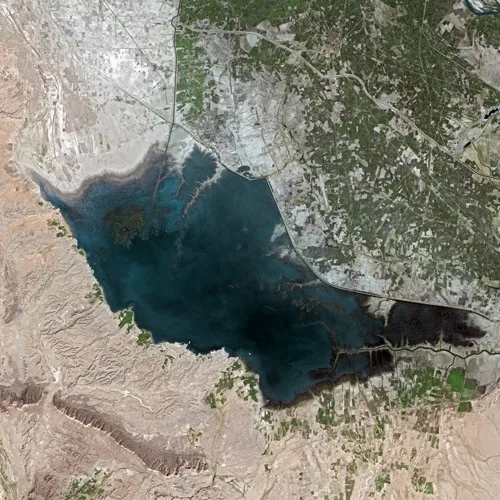
Sindh province is the second-largest producer of cotton in Pakistan after Punjab, one of the country's most vital agricultural commodities. The vast fields in the lower Indus plain, thanks to the hot climate and irrigation from the Sukkur Barrage, provide convenient conditions for cotton cultivation. Cotton, often called 'white gold,' is the backbone of Pakistan's textile industry, which accounts for a significant portion of the nation's exports. The harvest, which is primarily done by hand, provides seasonal employment for thousands of rural laborers. The landscape of Sindh during the growing season is dominated by the characteristic cotton plants. The quality of Sindh cotton is highly regarded and is used to produce yarn and fabrics sold worldwide.
- Location: Pakistan
- Nearby: Tando Adam (20 km)
Best time to visit & climate
The most pleasant time to visit is Feb, Nov, Dec.
| Jan | Feb | Mar | Apr | May | Jun | Jul | Aug | Sep | Oct | Nov | Dec | |
|---|---|---|---|---|---|---|---|---|---|---|---|---|
| Avg °C | 17 | 21 | 27 | 32 | 36 | 36 | 35 | 33 | 32 | 30 | 24 | 18 |
| Rain mm | 3 | 3 | 4 | 3 | 19 | 14 | 36 | 54 | 28 | 3 | 2 | 4 |
📋 Practical info
Geography
Facts
- Second largest cotton producer in Pakistan
- The textile industry heavily relies on this crop
- Harvesting is mostly done manually
- Irrigated by the massive Sukkur Barrage system
- Cotton cultivation history dates back to the Indus Valley Civilization
- The cotton flower bloom is a key seasonal event
- The crop is also called 'white gold'
Explore nearby
Notable places around


Route planner — Car & Motorhome
Where do you start? We build the route here, with stops and country notes along the way.
© OpenStreetMap contributors · OpenRouteService
Sights in the town Sindh Cotton Fields (1)
Sights nearby
Frequently asked questions
When is the best time to visit the cotton fields in Sindh?
Are the cotton fields in Sindh open to the public?
What is the economic importance of cotton in this region?
Are there guided tours to the cotton farms?
Is it safe to visit these agricultural areas?
Sindh Cotton Fields: where is it located?
Sindh Cotton Fields: when is the best time to visit?
Sindh Cotton Fields: why is it worth visiting?

Nearby cities

History & landmarks
Nature
More places