Plizio Visual Lab
Dovrefjell-Sunndalsfjella
Weather…
Water temperature…
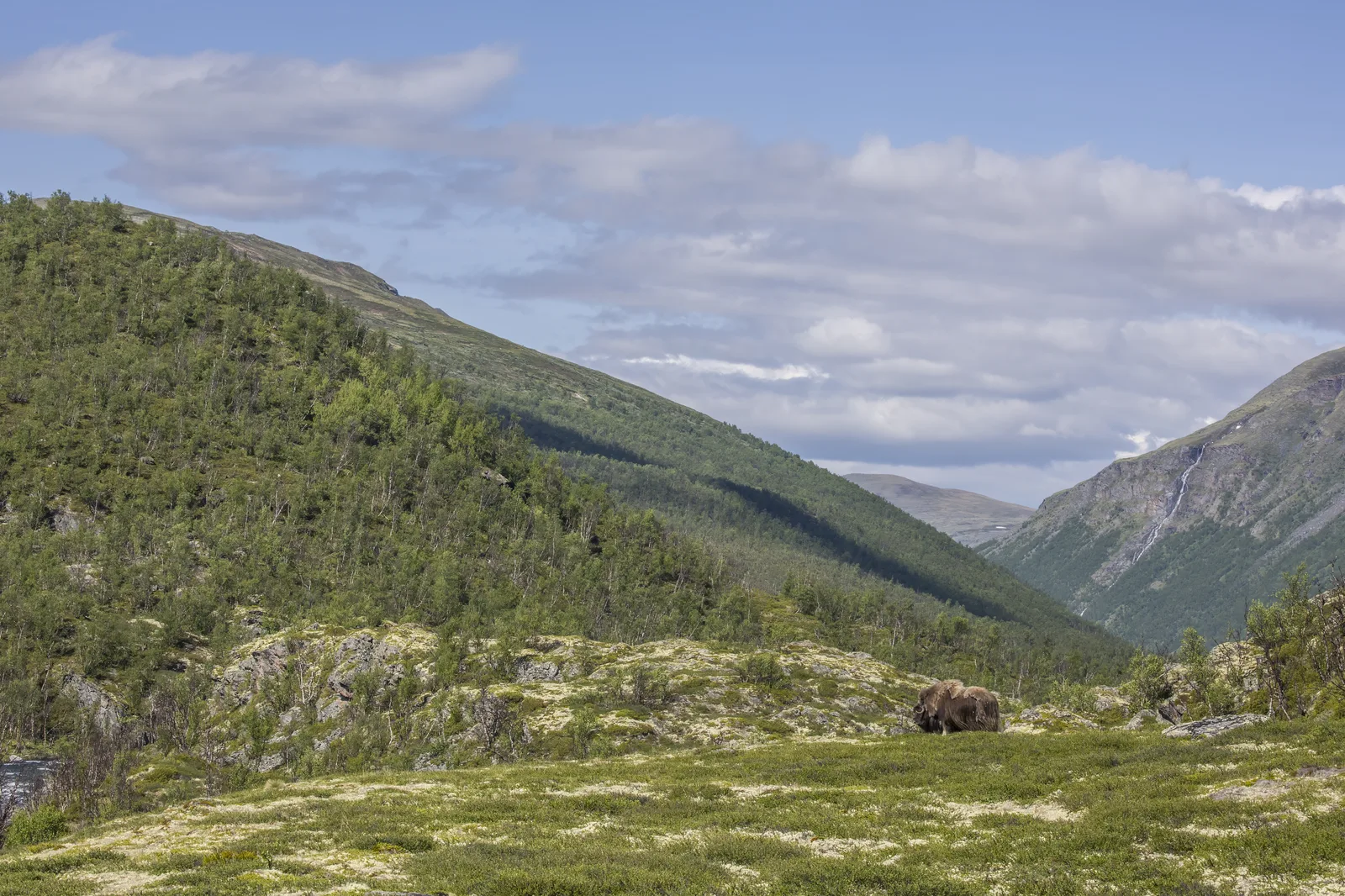
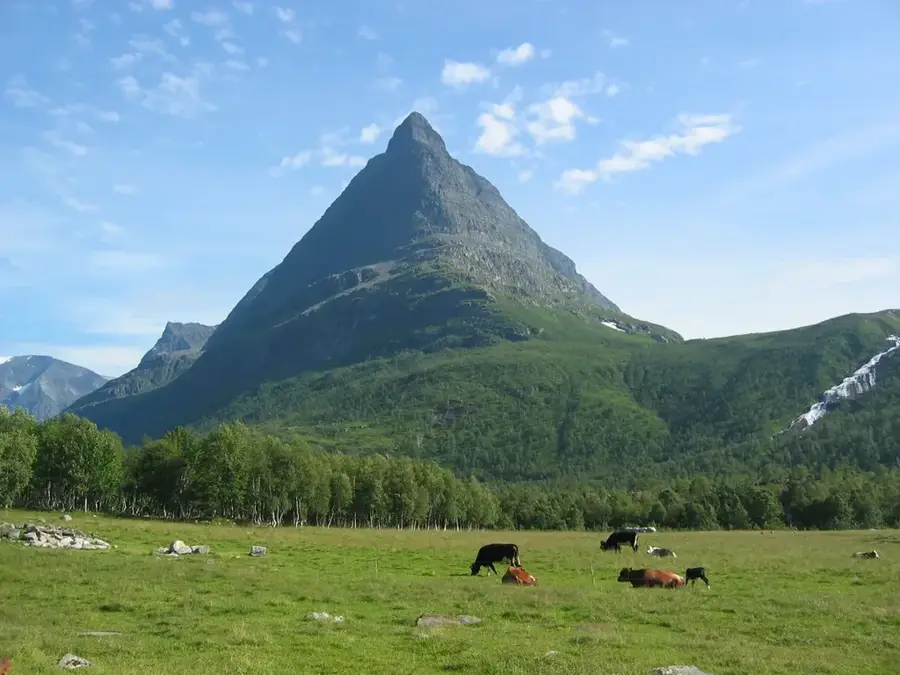
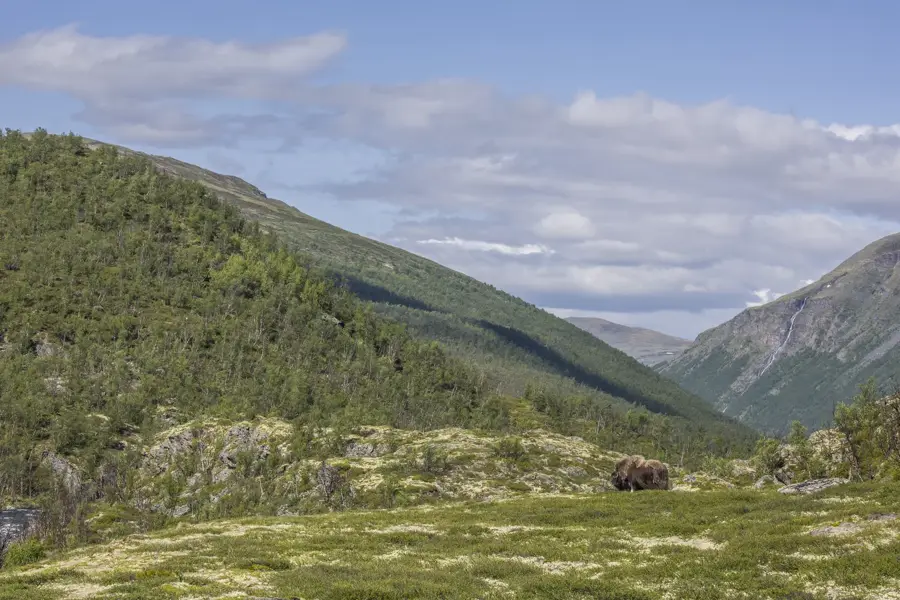
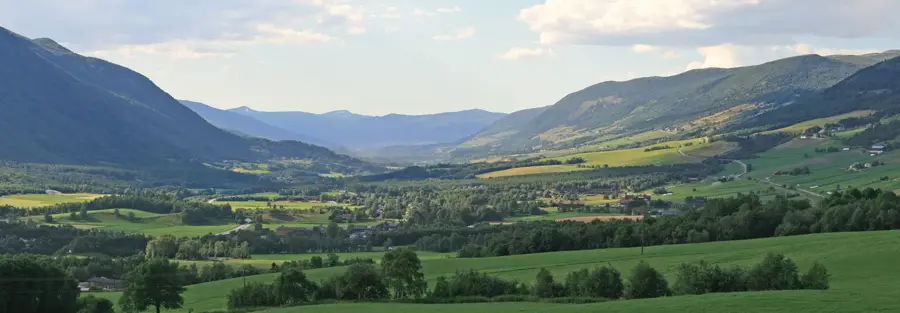
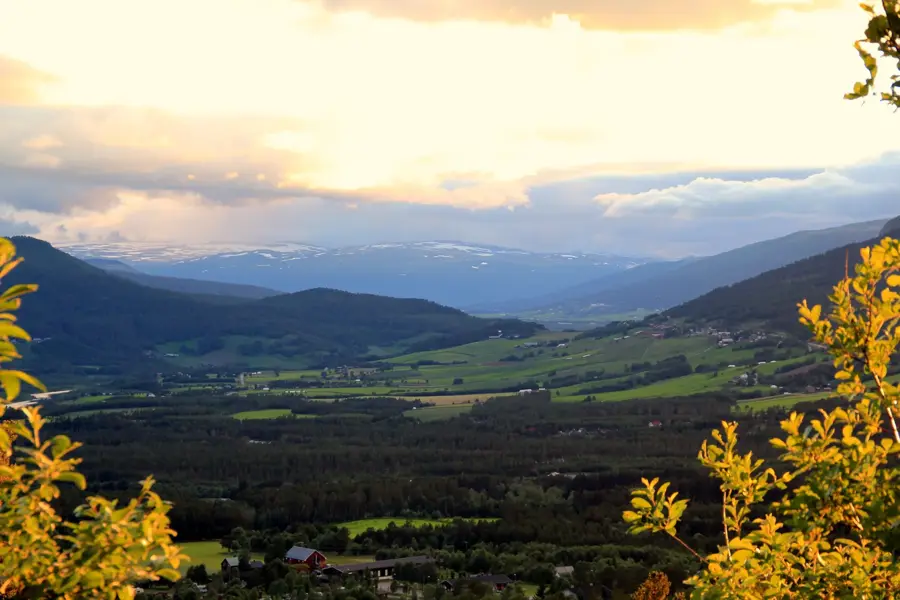
Dovrefjell-Sunndalsfjella National Park is globally renowned for its population of musk oxen, which were successfully reintroduced from Greenland in the 1930s. Established in 2002, the park spans 1,693 square kilometers and is dominated by the majestic Snøhetta massif, peaking at 2,286 meters. The landscape features vast high-mountain plateaus, deep u-shaped valleys, and jagged ridges that provide a critical habitat for Europe's last remaining original wild reindeer herds. Geologically, the Snøhetta region is a complex area of metamorphic rocks and glacial landforms that attract researchers from around the world. Historically, Dovrefjell is deeply embedded in Norwegian national identity and is often referred to as the country's 'sacred mountain.' During the signing of the Norwegian Constitution in 1814, delegates famously vowed to be 'united and loyal until Dovre falls.' Today, the park is a vital site for long-term ecological research, particularly regarding alpine permafrost and climate impacts. Visitors can explore the park via a well-developed trail network, with musk ox viewing safaris being a major draw, provided a safe distance is maintained.
- Location: Norway
- Nearby: Dombås (36 km)
Best time to visit & climate
The most pleasant time to visit is Jun–Aug.
| Jan | Feb | Mar | Apr | May | Jun | Jul | Aug | Sep | Oct | Nov | Dec | |
|---|---|---|---|---|---|---|---|---|---|---|---|---|
| Avg °C | -9 | -8 | -6 | -3 | 1 | 7 | 11 | 10 | 5 | -1 | -5 | -8 |
| Rain mm | 138 | 114 | 116 | 92 | 99 | 143 | 161 | 158 | 135 | 110 | 129 | 140 |
📋 Practical info
Geography
Facts
- Musk oxen were successfully introduced from Greenland in 1932.
- Snøhetta is the highest peak in Norway outside Jotunheimen at 2,286m.
- The national park was officially established in its current form in 2002.
- The total protected area covers 1,693 square kilometers.
- Dovrefjell is home to one of Europe's last original wild reindeer herds.
- The park is famous for its diversity of rare arctic-alpine flora.
Explore nearby
Notable places around

Route planner — Car & Motorhome
Where do you start? We build the route here, with stops and country notes along the way.
© OpenStreetMap contributors · OpenRouteService
Sights in the town Dovrefjell-Sunndalsfjella (1)
Sights nearby
Frequently asked questions
What are the main attractions in Dovrefjell-Sunndalsfjella?
Where can you see musk oxen?
Is Snøhetta difficult to climb?
Are there bus connections into the park?
What is the Snøhetta Viewpoint building?
Dovrefjell-Sunndalsfjella: where is it located?
Dovrefjell-Sunndalsfjella: when is the best time to visit?
Dovrefjell-Sunndalsfjella: why is it worth visiting?

Nearby cities


History & landmarks