Plizio Visual Lab
Dovrefjell-Sunndalsfjella National Park
Weather…
Water temperature…
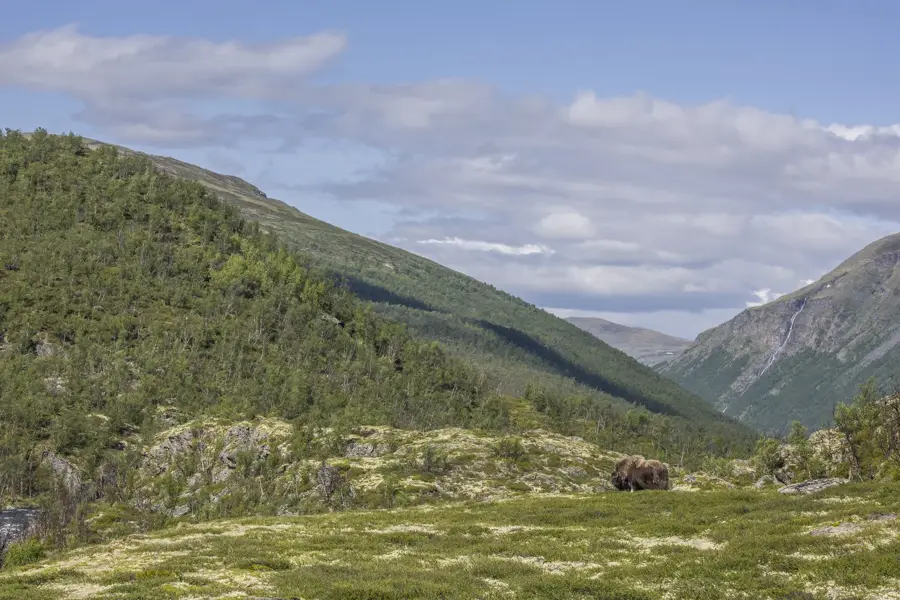
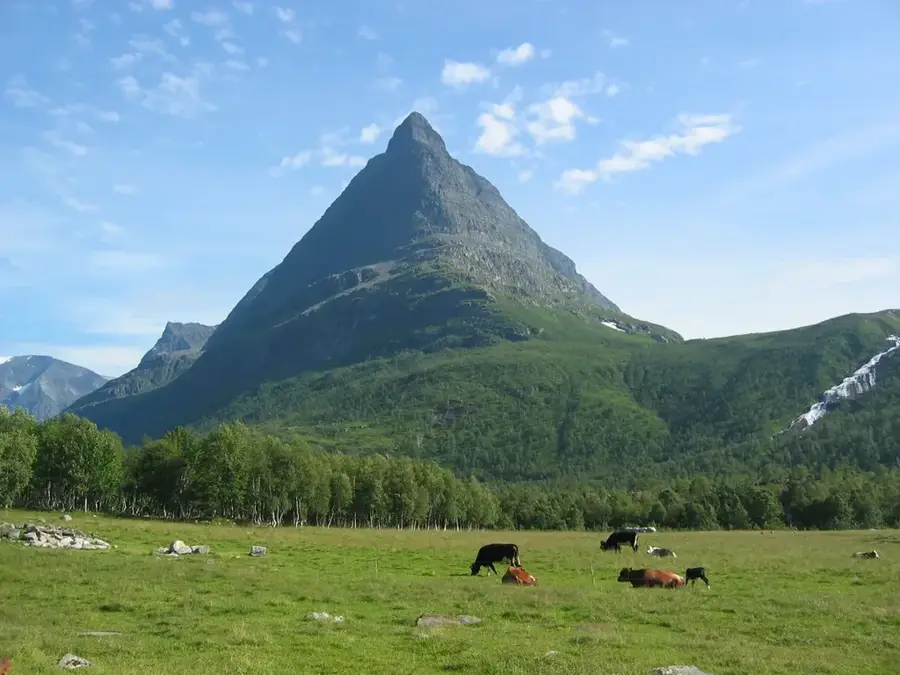
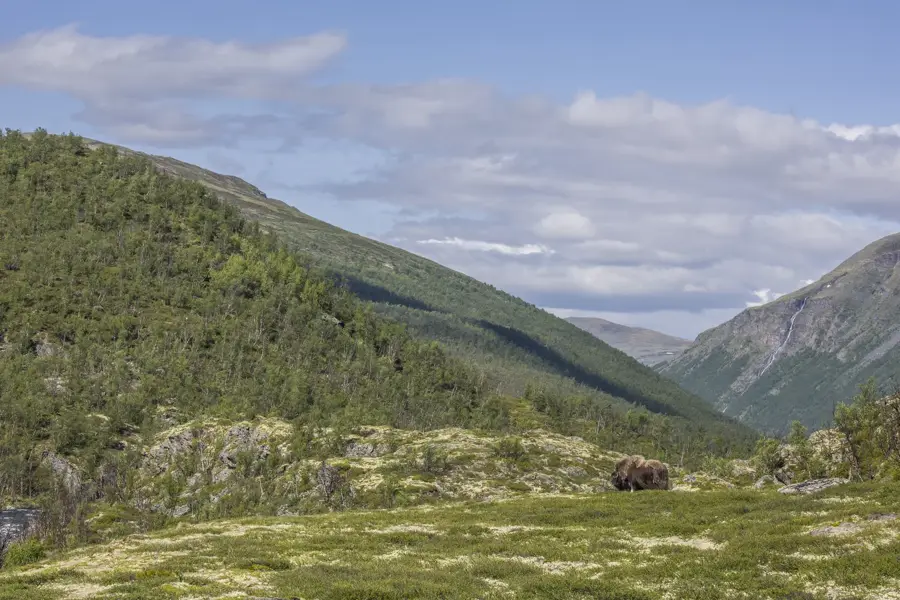
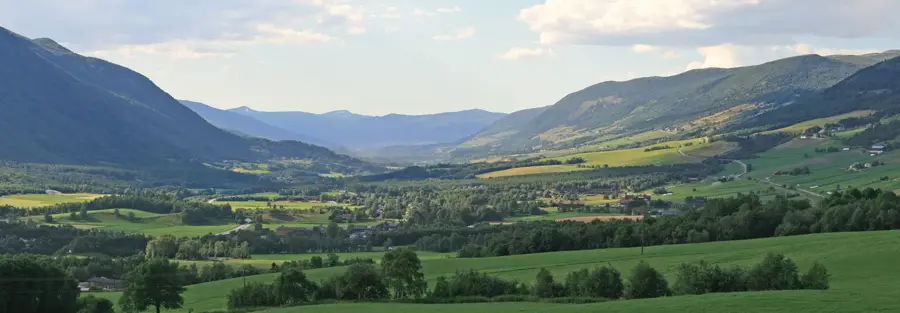
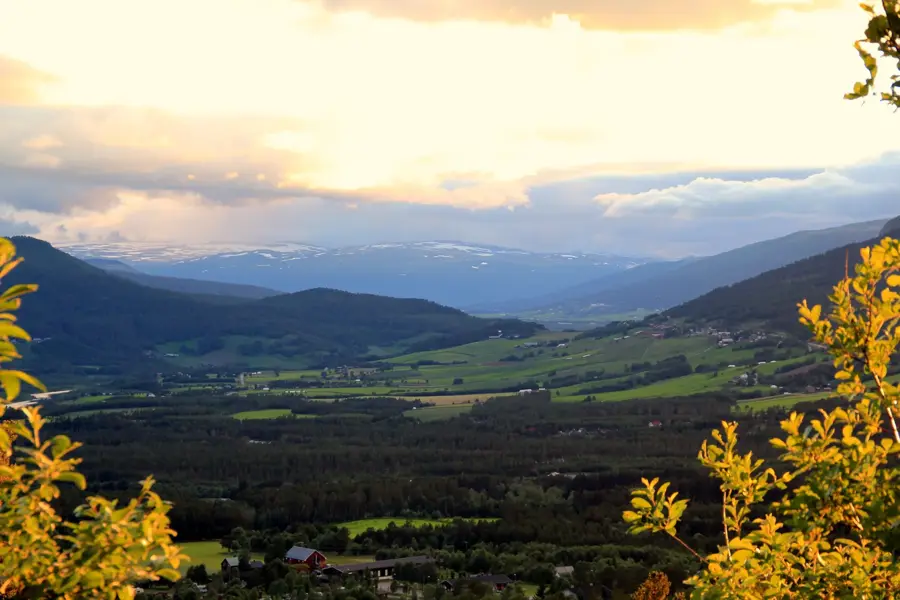
Dovrefjell-Sunndalsfjella National Park was established in 2002, expanding upon the original Dovrefjell Park of 1974. Spanning 1,693 square kilometers, it is home to Snøhetta, which at 2,286 meters is one of Norway's most iconic mountains outside the Jotunheimen massif. The region is internationally famous for its muskox population, successfully reintroduced from Greenland in the 1930s and now a primary draw for wildlife photographers. Geologically, the park serves as an archive of Earth's history, featuring rock formations billions of years old that support specialized Arctic-alpine flora. Culturally, Dovrefjell is deeply embedded in Norwegian mythology and history as a sacred mountain, frequently cited in national epics as a symbol of endurance. The park also protects the last viable populations of wild mountain reindeer in Europe and preserves remains of prehistoric hunting structures, such as pitfall traps and leading fences.
- Location: Norway
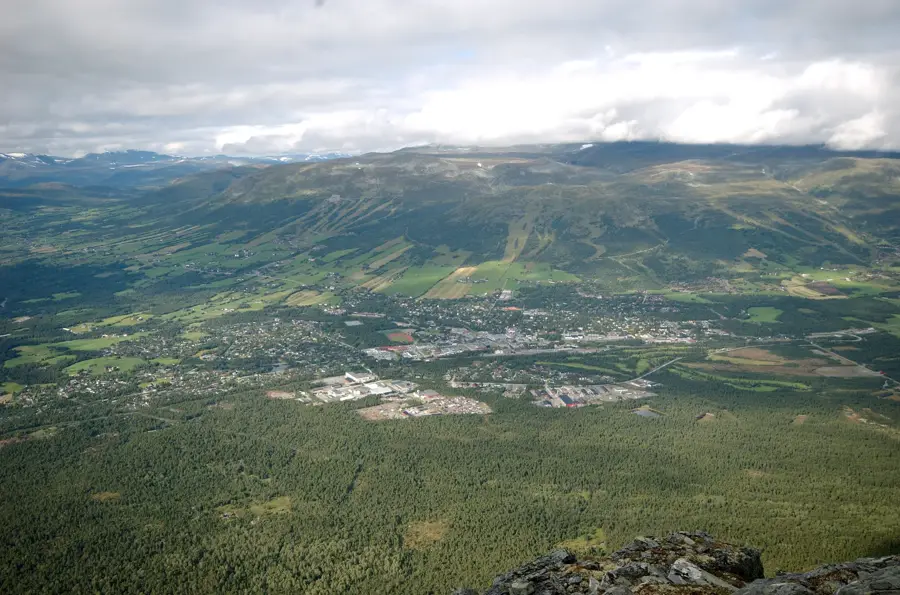
- Nearby: Dombås (36 km)
Best time to visit & climate
The most pleasant time to visit is Jun–Aug.
| Jan | Feb | Mar | Apr | May | Jun | Jul | Aug | Sep | Oct | Nov | Dec | |
|---|---|---|---|---|---|---|---|---|---|---|---|---|
| Avg °C | -9 | -8 | -6 | -3 | 1 | 7 | 11 | 10 | 5 | -1 | -5 | -8 |
| Rain mm | 138 | 114 | 116 | 92 | 99 | 143 | 161 | 158 | 135 | 110 | 129 | 140 |
📋 Practical info
Geography
Facts
- The expanded national park was established in 2002.
- The total area covers 1,693 square kilometers.
- The only place on mainland Norway where muskoxen live.
- The highest point is Snøhetta at 2,286 meters.
- Crucial protection area for wild mountain reindeer.
- Preserves remains of hunting structures from the Iron Age.
Explore nearby
Notable places around

Route planner — Car & Motorhome
Where do you start? We build the route here, with stops and country notes along the way.
© OpenStreetMap contributors · OpenRouteService
Sights nearby
Frequently asked questions
Can you see musk oxen there?
Is the hike to Snøhetta difficult?
Are there musk ox safaris?
How close can you get to the oxen?
Where is the best starting point?
Dovrefjell-Sunndalsfjella National Park: where is it located?
Dovrefjell-Sunndalsfjella National Park: when is the best time to visit?
Dovrefjell-Sunndalsfjella National Park: why is it worth visiting?

Nearby cities


History & landmarks