Plizio Visual Lab

Shuklaphanta National Park
Plizio editorial teamData Sources
national-park
—°3
Shuklaphanta National Park (Nepal)

Weather…

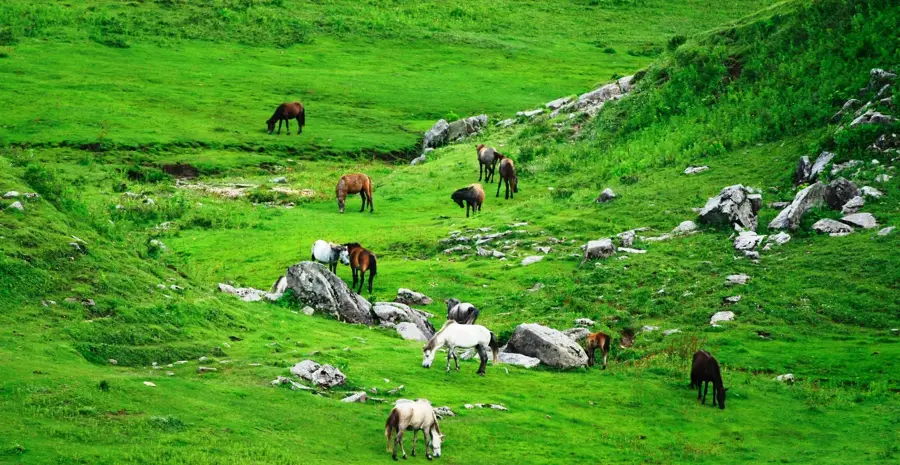
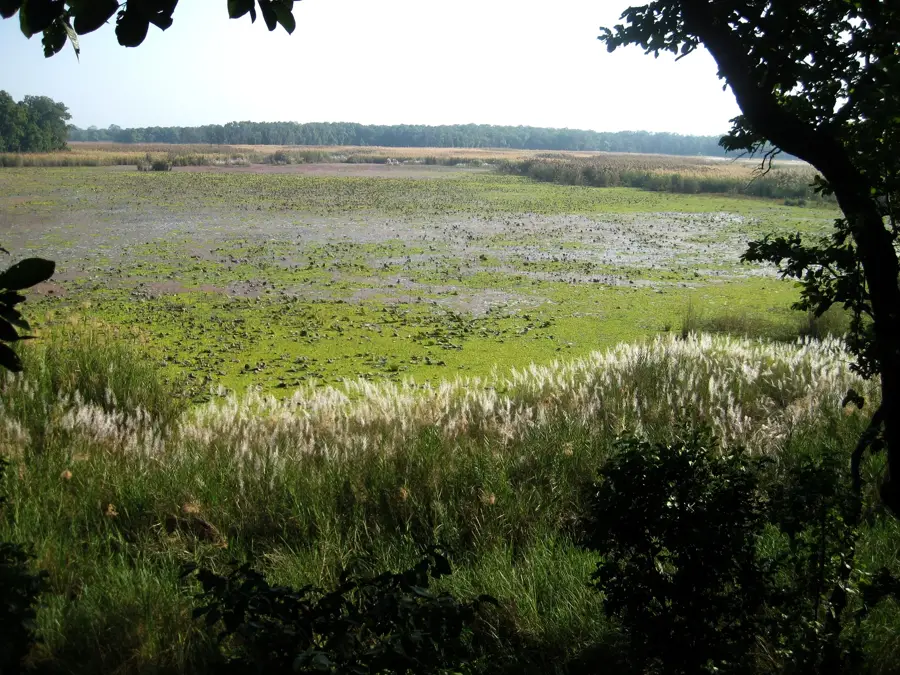
Shuklaphanta National Park is located in the far southwestern Terai of Nepal in the Kanchanpur district, covering 305 square kilometers. Originally established as a wildlife reserve in 1976 and upgraded to a national park in 2017, it is famous for its vast open grasslands known as 'phantas.' The Shuklaphanta grassland is the largest continuous patch of its kind in Nepal, providing a critical habitat for the world's largest population of swamp deer, also known as Barasingha. The park's ecosystem is a mix of these grasslands, tropical Sal forests, and wetlands along the Mahakali River. It serves as a key migratory corridor for Asian elephants and is home to a significant population of Bengal tigers and greater one-horned rhinoceroses. Over 420 bird species have been recorded here, including the rare Bengal florican. Despite its ecological wealth, its remote location keeps it less visited than other parks, preserving its pristine and quiet wilderness character.

Best time to visit & climate

The most pleasant time to visit is Mar, Oct, Nov.

JanFebMarAprMayJunJulAugSepOctNovDec
Avg °C141723293233292726231915
Rain mm314924385817542630420922513

📋 Practical info

🧭
Getting there
Located in the far southwestern corner of Nepal, the park is typically reached via the nearby town of Mahendranagar. Visitors often hire local jeeps or arrange guided safaris from the main entrance to explore the extensive grasslands.
📅
Best season
The optimal window for wildlife viewing is during the dry months from February to May when animals congregate around water sources. The monsoon season brings heavy rains that often make roads impassable and lead to park closures.
⛰️
Terrain & paths
The landscape is dominated by vast, flat grasslands punctuated by dense sal forests and crucial wetlands. Navigation is almost entirely dependent on robust 4x4 vehicles due to the dusty, bumpy dirt tracks crisscrossing the reserve.
🎒
What to bring
Binoculars are absolutely essential for spotting distant herds of swamp deer across the tall grass plains. Neutral-colored clothing, sun protection, and plenty of bottled water are recommended for the long, dusty safari rides.
🅿️
Parking
Parking spaces for private vehicles are generally available at the park headquarters or nearby guest houses in Mahendranagar. Inside the park boundaries, personal vehicles are often restricted, requiring visitors to use official transport.
⚠️
Safety
Always remain inside the safari vehicle unless explicitly permitted by your guide to disembark at designated safe zones. Listen carefully to instructions, as the tall grass can easily conceal wild elephants, rhinos, or other large animals.
⏱️
Time needed
A standard jeep safari usually covers the primary wildlife corridors and lasts around three to four hours. For a comprehensive experience of the diverse ecosystems, planning a half-day or full-day excursion is highly rewarding.

Geography

Coordinates
28.85000, 80.11670

Facts

  • Covers 305 square kilometers, upgraded to a national park in 2017.
  • Hosts a population of over 2,000 swamp deer (Barasingha).
  • Features the largest continuous grassland in Nepal.
  • Home to more than 420 diverse bird species.
  • Key cross-border corridor for Asian elephant herds.
  • Sal forests and wetlands dominate the park's landscape.

Explore nearby

Notable places around

Route planner — Car & Motorhome

Where do you start? We build the route here, with stops and country notes along the way.

Vehicle
Only stops with (optional):

© OpenStreetMap contributors · OpenRouteService

Sights in the town Shuklaphanta National Park (3)

Ram Janaki Mandir📍 landmark

Located near the lush habitats of Shuklaphanta National Park, this Hindu temple is dedicated to Lord Rama and Goddess Sita.

hunainaath mndir📍 landmark

Set within the verdant landscape surrounding Shuklaphanta National Park, the Hunainath Mandir is a tranquil site of Hindu worship.

kmlsaa mndir📍 landmark

A traditional Hindu temple situated within the natural landscape of Shuklaphanta National Park.

Sights nearby

Frequently asked questions

What is special?
Famous for large herds of swamp deer.
Where is it?
In the far southwest of Nepal.
Best season?
Winter is good for animal watching.
How to reach?
Long trip, often via Dhangadhi.
Are there safaris?
Yes, mostly jeep or jungle tours.
Shuklaphanta National Park: where is it located?
Shuklaphanta National Park is located in Nepal.
Shuklaphanta National Park: what is there to see?
Highlights include Ram Janaki Mandir, hunainaath mndir, kmlsaa mndir.
Shuklaphanta National Park: when is the best time to visit?
The most pleasant time to visit is Mar, Oct, Nov.
Shuklaphanta National Park: why is it worth visiting?

Shuklaphanta National Park is located in the far southwestern Terai of Nepal in the Kanchanpur district, covering 305 square kilometers.
View on map → The Top 50 Attractions → OpenStreetMap →
Asia
Explore with Plizio Discover more places in Asia
More places in Nepal →

Nearby cities

More places