Plizio Visual Lab

Valley of Flowers National Park
Plizio editorial teamData Sources
national-park
—°5
Valley of Flowers National Park (India)

Weather…

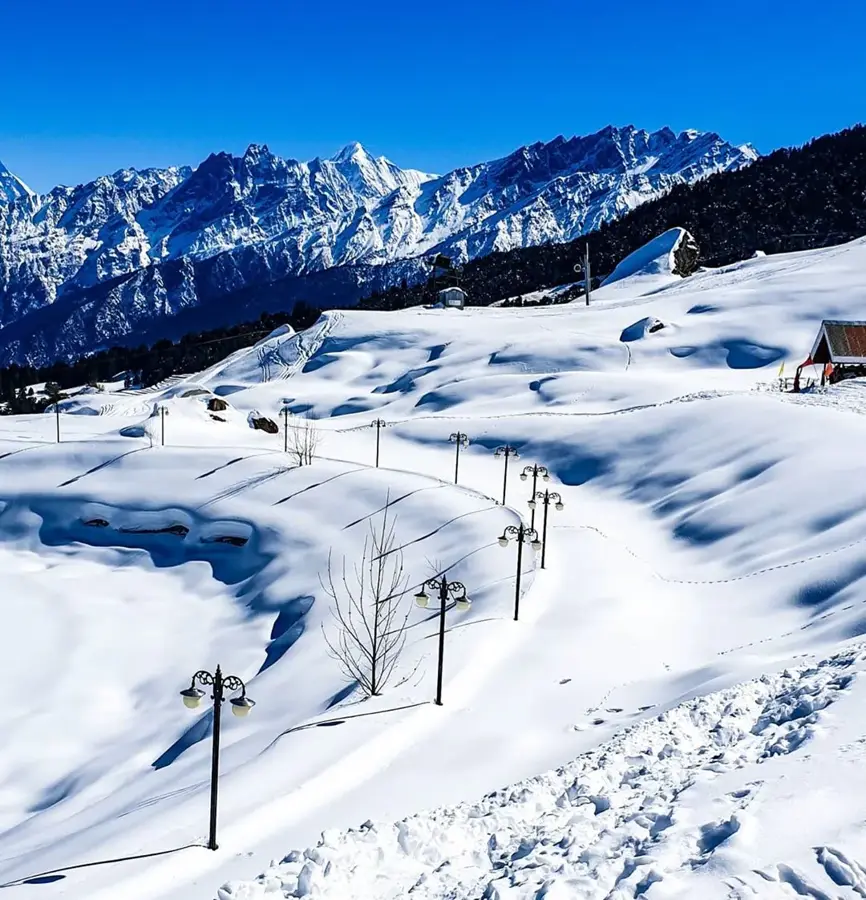
Valley of Flowers National Park is located in the Western Himalayas of Uttarakhand state and is celebrated for its exceptional alpine flora and striking natural beauty. The high-altitude valley was accidentally discovered in 1931 by mountaineer Frank Smythe and was officially designated a national park in 1982. It is home to hundreds of endemic flower species that transform the meadows into a lively sea of colors during the monsoon season. Together with the nearby Nanda Devi National Park, the area has been a UNESCO World Heritage Site since 2005. The region ranges in elevation from about 3,350 to 6,700 meters, providing a sanctuary for rare wildlife such as the snow leopard, musk deer, and Asiatic black bear. Due to extreme weather conditions, the valley is accessible only from June to October, when the melting snow reveals its rich vegetation.

Best time to visit & climate

The most pleasant time to visit is May, Jun, Oct.

JanFebMarAprMayJunJulAugSepOctNovDec
Avg °C-2-1381114141311740
Rain mm304133304411726223811914511

📋 Practical info

🧭
Getting there
The journey typically starts at Govindghat, reachable by road from Rishikesh or Haridwar. From there, visitors must trek a steep trail or hire a mule to reach the base camp village of Ghangaria before entering the valley.
📅
Best season
The valley is typically accessible only from June to early October due to heavy winter snows. The absolute peak time to witness the spectacular alpine blossoms is usually during the monsoon months of July and August.
⛰️
Terrain & paths
Expect rugged, rocky Himalayan paths with significant altitude gains that demand good cardiovascular endurance. Inside the park itself, the trails consist of narrow, undulating footpaths winding through dense floral meadows.
🎒
What to bring
Sturdy, well-broken-in trekking boots and reliable waterproof rain gear are absolutely essential for the frequent mountain showers. Trekking poles provide crucial support, and layers of warm clothing help manage fluctuating temperatures.
🅿️
Parking
Vehicles are generally parked down in Govindghat, which serves as the main trailhead. Visitors then proceed entirely on foot, or by hiring local transport services like ponies or helicopters up to Ghangaria.
⚠️
Safety
Altitude sickness is a real concern, so ascend gradually and stay hydrated to acclimatize properly. The steep, narrow trails can become very slippery during the monsoon rains, requiring cautious and deliberate footing.
⏱️
Time needed
The entire round trip from Govindghat to the valley and back generally requires at least three to four days. Spending several hours inside the park itself allows enough time to fully appreciate the diverse high-altitude flora.

Geography

Coordinates
30.72000, 79.60000

Facts

  • 1931: Year the valley was discovered by Frank Smythe.
  • 87.5 km²: Total area of the national park.
  • 2005: Year designated as a UNESCO World Heritage Site.
  • 500 species: Wild flower species found in the valley.
  • 3,352m: Average minimum elevation of the valley floor.
  • 5 months: Duration it remains open to the public.

Explore nearby

Notable places around

Route planner — Car & Motorhome

Where do you start? We build the route here, with stops and country notes along the way.

Vehicle
Only stops with (optional):

© OpenStreetMap contributors · OpenRouteService

Sights in the town Valley of Flowers National Park (5)

Nilgiri Parbat🌿 nature

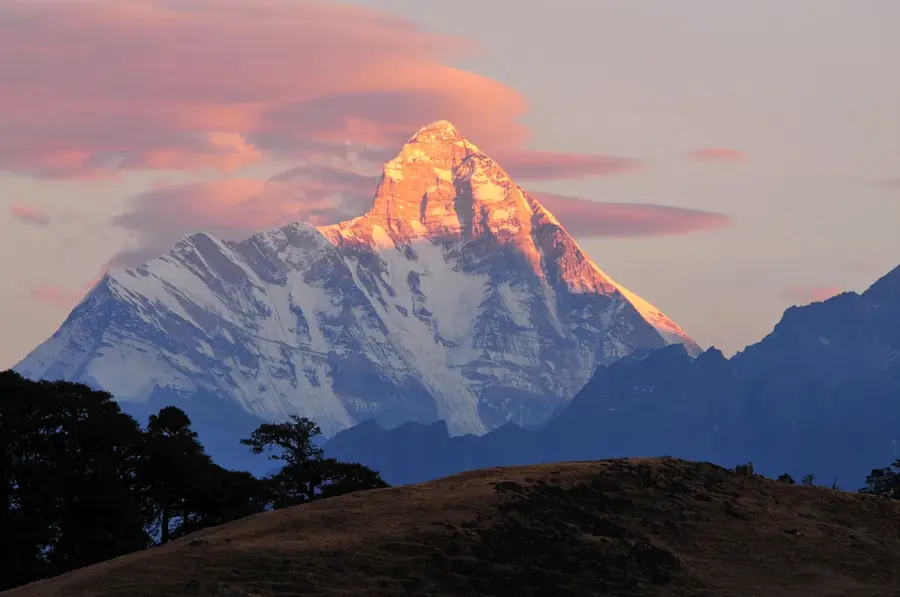
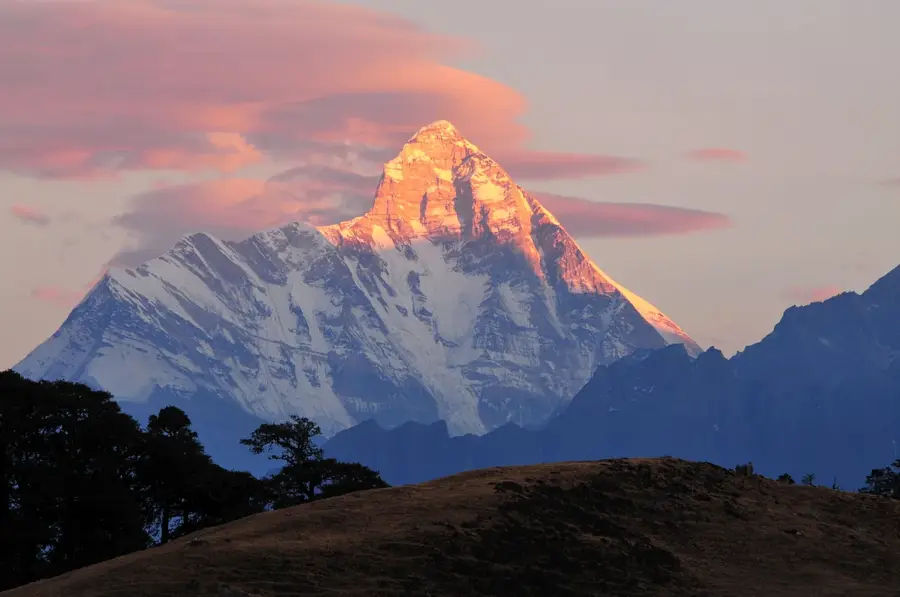
A majestic peak rising to 6,474 meters overlooking the alpine meadows of the Valley of Flowers National Park.

Gauri Parbat🌿 nature

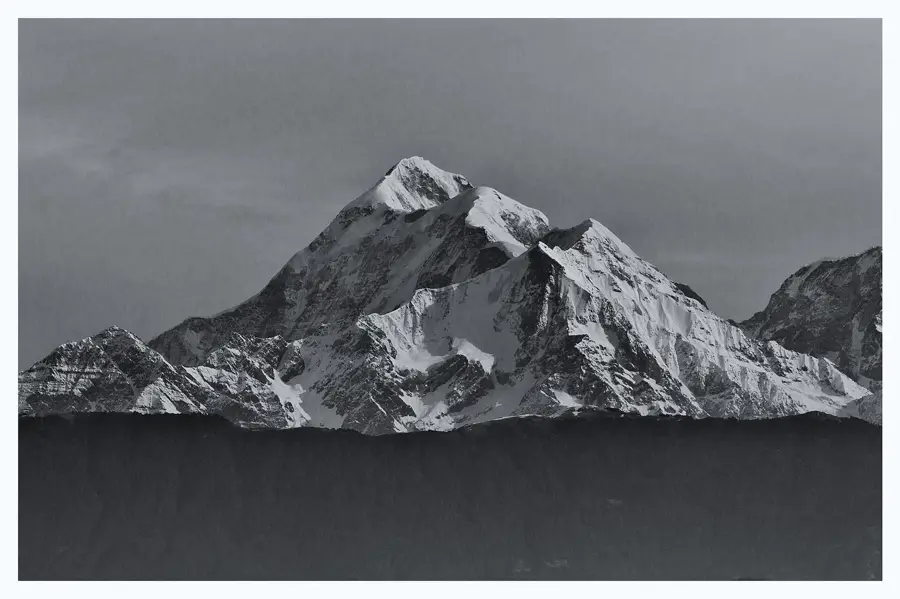
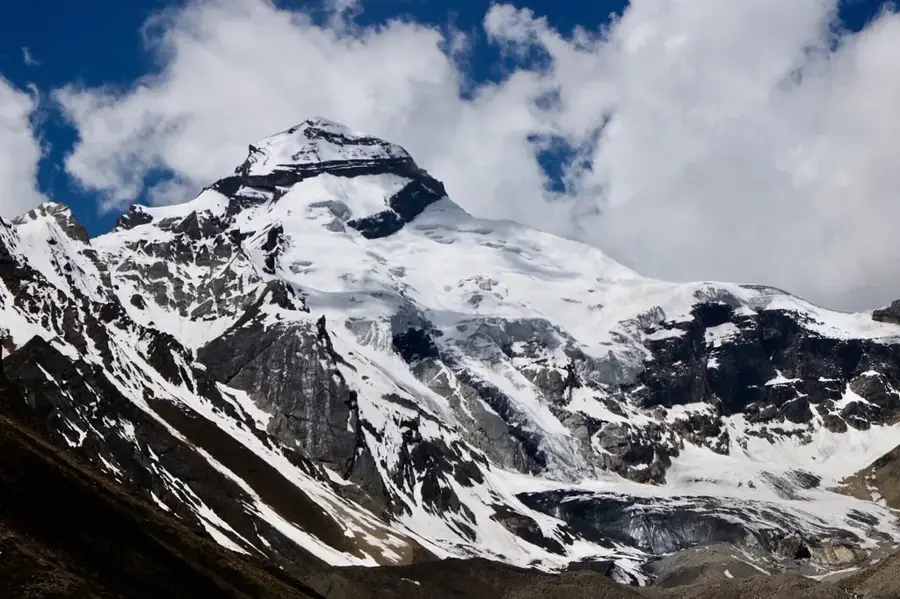
This 6701-metre peak in the Garhwal Himalayas towers majestically above the Valley of Flowers.

Valley of Flowers National Park🌿 nature

This UNESCO World Heritage site is a high-altitude Himalayan valley renowned for its meadows of endemic alpine flowers.

Gurudwara Sri Hemkunt Sahib (Hemkunt)⛪ religious

This prominent Sikh pilgrimage site is situated at an altitude of 4329 metres on the banks of a crystal-clear glacial lake.

Temple⛪ religious

A peaceful place of worship amidst the alpine landscape, located near the Hemkund Lake.

Sights nearby

Frequently asked questions

When do the flowers bloom?
The best time to see the blooms is from July to September during the monsoon.
Do you have to trek to get there?
Yes, it involves a trek of about 17 km starting from Govindghat.
Is overnight stay allowed in the valley?
No, camping is not allowed; visitors must return to Ghangaria for the night.
What kind of flowers are found there?
Hundreds of species, including the Blue Poppy and the Brahma Kamal.
Is the trail suitable for everyone?
The trek is of moderate difficulty and requires a basic level of fitness.
Valley of Flowers National Park: where is it located?
Valley of Flowers National Park is located in India.
Valley of Flowers National Park: what is there to see?
Highlights include Nilgiri Parbat, Gauri Parbat, Valley of Flowers National Park.
Valley of Flowers National Park: when is the best time to visit?
The most pleasant time to visit is May, Jun, Oct.
Valley of Flowers National Park: why is it worth visiting?

Valley of Flowers National Park is located in the Western Himalayas of Uttarakhand state and is celebrated for its exceptional alpine flora and striking natural beauty.
View on map → The Top 50 Attractions → OpenStreetMap →
Asia
Explore with Plizio Discover more places in Asia
More places in India →

Nearby cities

More places