Plizio Visual Lab

Shey Phoksundo National Park
Plizio editorial teamData Sources
national-park
—°3
Shey Phoksundo National Park (Nepal)

Weather…

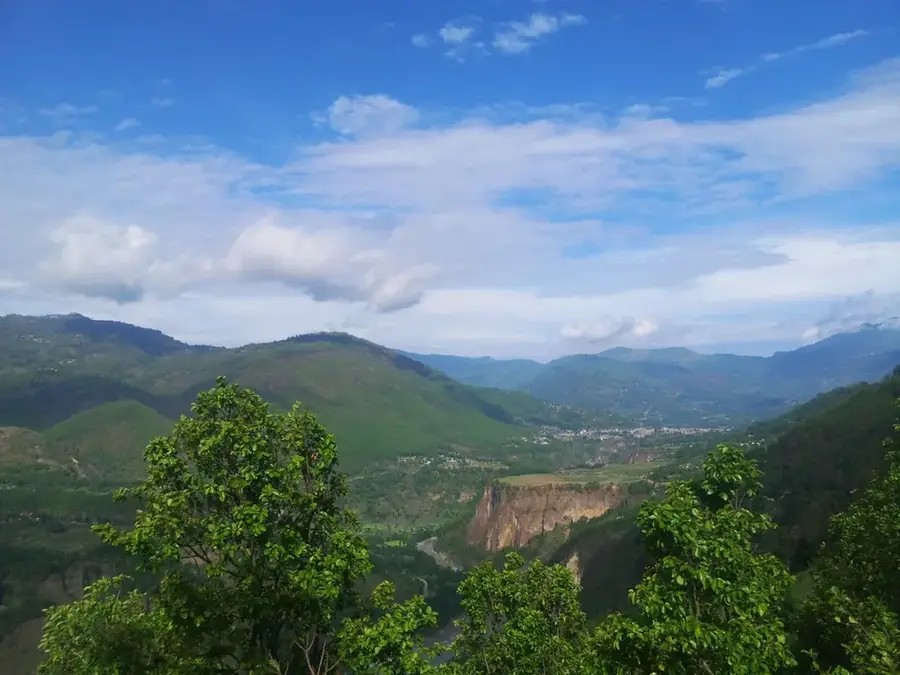
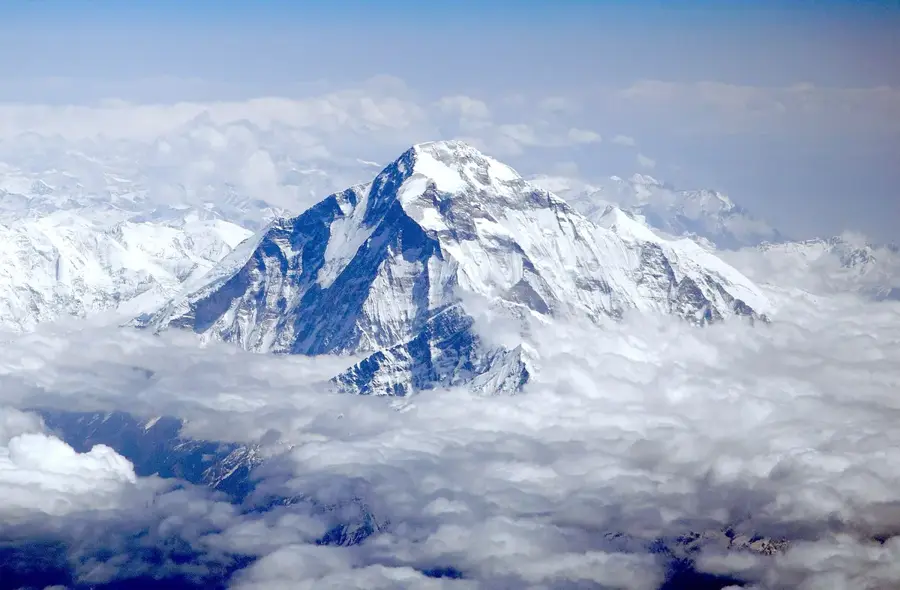
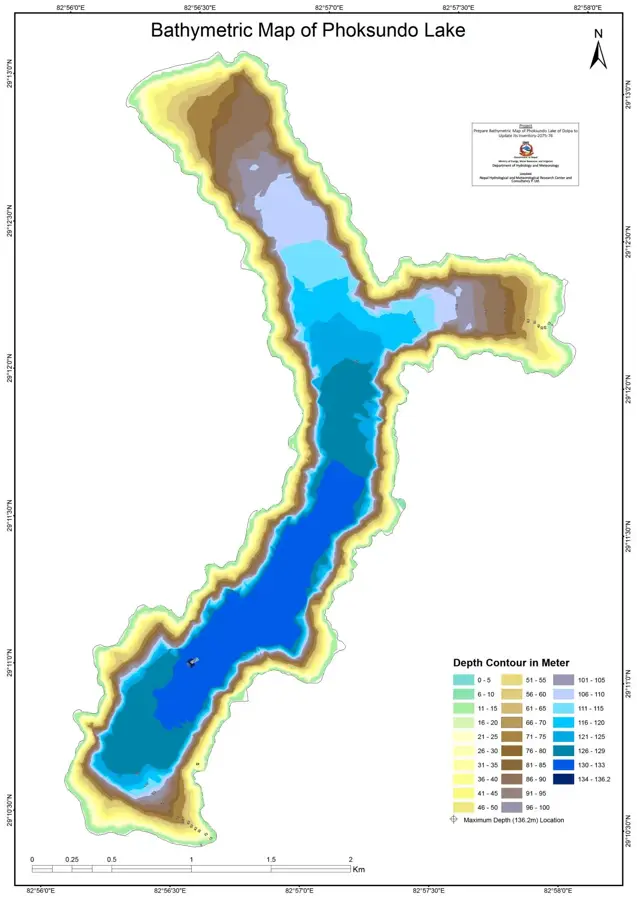
Shey Phoksundo National Park is the largest and only trans-Himalayan national park in Nepal, covering an area of 3,555 square kilometers in the Dolpa and Mugu districts. Established in 1984, the park protects a diverse range of ecosystems, from the sub-tropical forests of the lower altitudes to the high-altitude desert-like landscapes of the Tibetan Plateau. The center of the park is home to the Phoksundo Lake, which lies at an elevation of 3,612 meters and is famous for its deep turquoise color and lack of aquatic life. This region is a critical habitat for endangered species such as the snow leopard, Himalayan blue sheep, and the musk deer. Culturally, the area is significant for its ancient Bonpo monasteries and traditional Tibetan culture that has remained largely unchanged for centuries. The park's varied topography includes peaks reaching over 6,883 meters, such as Kanjiroba Himal, and steep-sided canyons carved by the Phoksundo River. It was designated as a Ramsar site in 2007 due to the ecological importance of its high-altitude wetlands.

Best time to visit & climate

The most pleasant time to visit is Jun, Aug, Sep.

JanFebMarAprMayJunJulAugSepOctNovDec
Avg °C-15-14-10-504763-3-8-12
Rain mm1827272752100182140832958

📋 Practical info

🧭
Getting there
Typical access involves a domestic flight to Juphal, followed by a multi-day, challenging trekking journey through remote valleys. Because there are no direct roads into the park, hiking or utilizing pack animals remains the only reliable method to reach this spectacular high-mountain trans-Himalayan area.
📅
Best season
The best conditions for trekking are generally found during the months from March to May and from September to November. During the winter half-year, massive snowfalls frequently block the high passes, and in the summer months, monsoon rains can render the already difficult trails extremely slippery and dangerous.
⛰️
Terrain & paths
The region is characterized by extremely steep trails, deep gorges, and the crossing of high-altitude passes often situated above 4000 meters. The terrain is rocky, barren, and physically very demanding, which is why prior experience in high-altitude trekking is considered an absolute prerequisite for a safe visit.
🎒
What to bring
An extremely warm sleeping bag, wind- and waterproof high-altitude clothing, as well as robust trekking poles, are essential for the harsh conditions. Because the infrastructure is very rudimentary, visitors must bring complete camping gear, sufficient food supplies, water filters, and a comprehensive first-aid kit.
🅿️
Parking
Since the national park is completely unconnected to any road network, there are absolutely no parking facilities for private vehicles in the vicinity. The logistical base is typically Nepalganj or Kathmandu, where travelers must leave their vehicles and organize all onward transportation by air and subsequently on foot.
⚠️
Safety
Altitude sickness presents the most significant risk in these extreme environments; a slow ascent for proper acclimatization is absolutely mandatory. Hiring an experienced, local guide is highly recommended because the trails are not always clearly marked, and emergency medical assistance can literally be days away.
⏱️
Time needed
An expedition into this remote region generally takes at least two to three weeks to complete, fully factoring in the complicated travel logistics. The immense distances and rugged terrain make single-day trips completely impossible, so visitors must mentally and physically prepare for a long, self-sufficient trekking adventure.

Geography

Coordinates
29.35000, 82.90000

Facts

  • Covers 3,555 km², making it Nepal's largest national park.
  • Established in 1984 in the Dolpa and Mugu districts.
  • Phoksundo Lake is the deepest lake in Nepal at 145 meters.
  • Significant habitat for the endangered snow leopard.
  • The park's altitude ranges from 2,130 m to 6,883 m.
  • Phoksundo Lake was declared a Ramsar site in 2007.

Explore nearby

Notable places around
Route planner — Car & Motorhome

Where do you start? We build the route here, with stops and country notes along the way.

Vehicle
Only stops with (optional):

© OpenStreetMap contributors · OpenRouteService

Sights in the town Shey Phoksundo National Park (3)

Shey Gompa⛪ religious

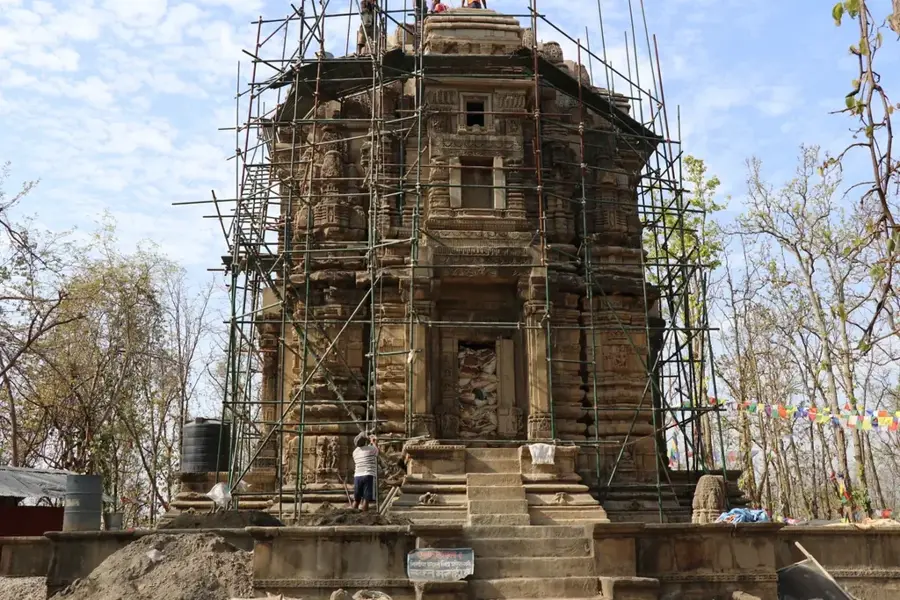
Founded around the 11th century, Shey Gompa is an isolated Tibetan Buddhist monastery situated in the rugged heights of Shey Phoksundo National Park.

Gamoche Gompa📍 landmark

Gamoche Gompa is a high-altitude Buddhist sanctuary in Shey Phoksundo National Park, offering spiritual solace amidst the remote Himalayan peaks.

Tsakhang Gompa📍 landmark

Tsakhang Gompa is a clinging Buddhist hermitage built into the dramatic cliffs of the Dolpo region inside Shey Phoksundo National Park.

Sights nearby

Frequently asked questions

What characterizes the national park?
It is known for the deep blue Phoksundo Lake and its arid landscape.
Is it easy to access?
No, it is one of the most remote regions in Nepal.
Are there settlements?
Yes, there are remote villages that maintain Tibetan culture.
What is the best season?
The summer months are the mildest for hiking.
Are there wildlife?
Yes, including snow leopards, but they are rarely seen.
Shey Phoksundo National Park: where is it located?
Shey Phoksundo National Park is located in Nepal.
Shey Phoksundo National Park: what is there to see?
Highlights include Shey Gompa, Gamoche Gompa, Tsakhang Gompa.
Shey Phoksundo National Park: when is the best time to visit?
The most pleasant time to visit is Jun, Aug, Sep.
Shey Phoksundo National Park: why is it worth visiting?

Shey Phoksundo National Park is the largest and only trans-Himalayan national park in Nepal, covering an area of 3,555 square kilometers in the Dolpa and Mugu districts.
View on map → The Top 50 Attractions → OpenStreetMap →
Asia
Explore with Plizio Discover more places in Asia
More places in Nepal →

Nearby cities

History & landmarks

Nature
More places