Plizio Visual Lab

Cahora Bassa Hydropower
Plizio editorial teamData Sources
Industrial site
—°2
Cahora Bassa Hydropower (Mozambique)

Weather…

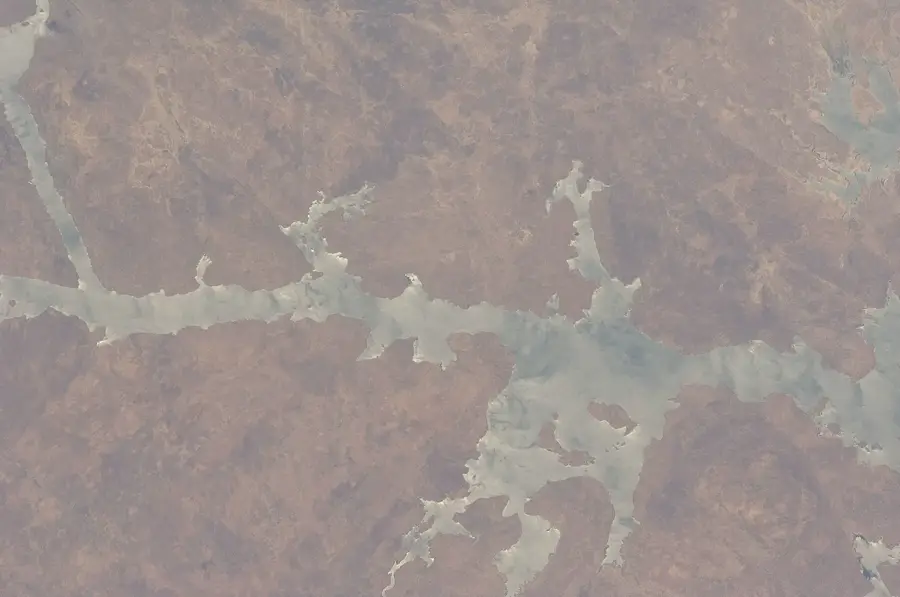
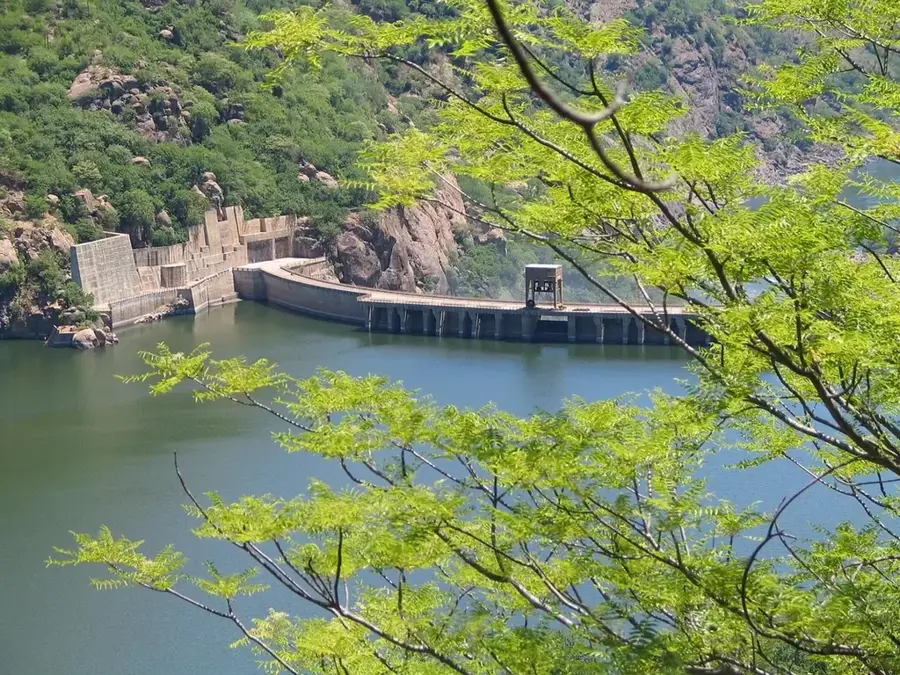
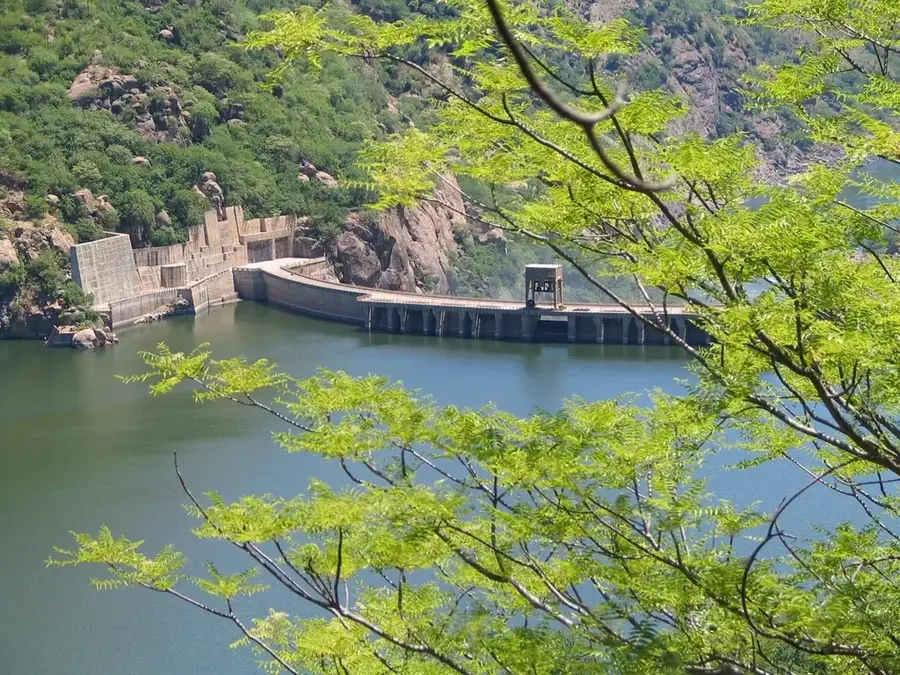
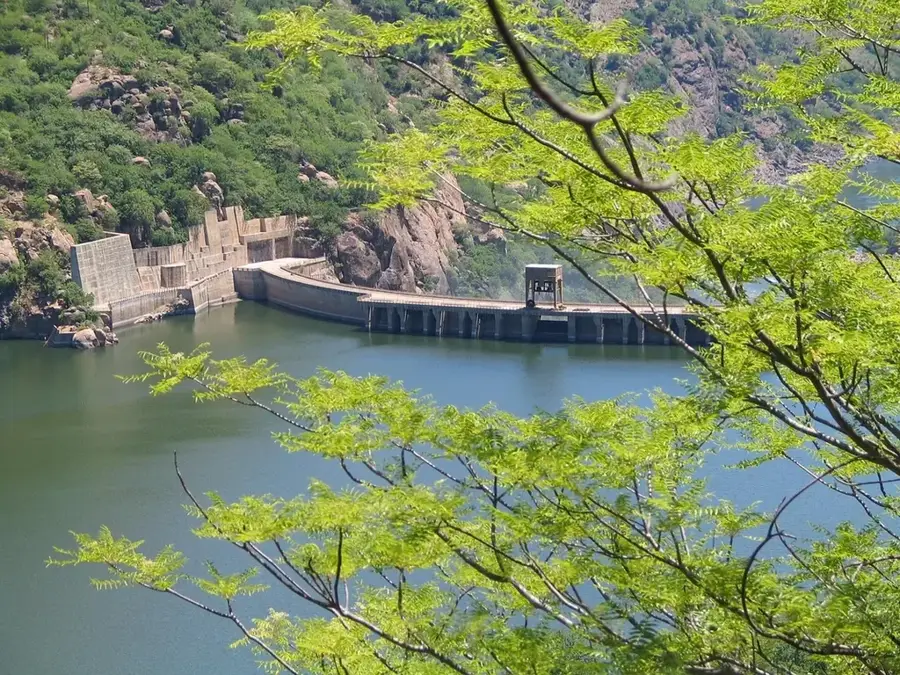
The Cahora Bassa Dam, situated on the Zambezi River in Tete Province, is one of Africa's largest and most significant hydroelectric power plants. Construction began in the late 1960s during the colonial era and was completed in 1974, with the facility now under full Mozambican state control. Boasting an installed capacity of over 2,000 megawatts, Cahora Bassa is the primary source of electricity for Mozambique and a major exporter of power to neighboring countries, especially South Africa. Its vast reservoir stretches for 270 kilometers, supporting large-scale fishing industries and regulating the flow of the Zambezi River. The plant utilizes a sophisticated High-Voltage Direct Current (HVDC) transmission system to transport electricity over 1,400 kilometers to the South African grid. Revenue from electricity exports contributes significantly to Mozambique's GDP and trade balance. Cahora Bassa is not only an economic powerhouse but also a profound symbol of national sovereignty and technological advancement in the Southern African region.

Best time to visit & climate

The most pleasant time to visit is May–Jul.

JanFebMarAprMayJunJulAugSepOctNovDec
Avg °C262625252321202326293027
Rain mm21617010026659231166197

📋 Practical info

🏭
What is this place?
Standing as one of the largest hydroelectric dams in Africa, it harnesses the immense power of the mighty Zambezi River to generate substantial electricity. It serves as a monumental cornerstone of the regional power grid, exporting crucial energy to multiple surrounding southern African nations.
🚪
Visiting
The immediate operational structures and internal power generation facilities are highly restricted areas focused purely on secure industrial functions. However, designated viewpoint areas nearby typically allow visitors to safely marvel at the monumental scale of the concrete dam wall.
👀
Where to view it
Public vantage points situated strategically above the gorge offer truly dramatic, sweeping views of the massive curving dam wall holding back the colossal lake. Watching the powerful water release through the spillways is an unforgettable spectacle, usually visible from authorized overlooks.
🧺
Local products
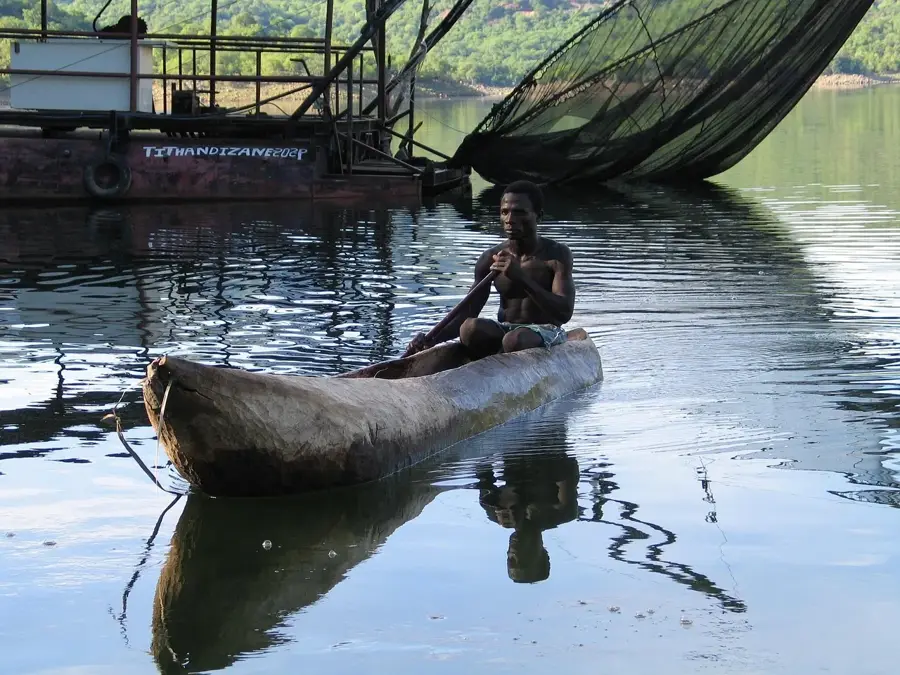
The enormous artificial lake created by the dam supports a robust and thriving local freshwater fishing industry, particularly renowned for kapenta. In the nearby settlement of Songo, visitors might discover small local markets selling these dried fish catches and basic regional staples.
📆
Active season
Electricity generation is a ceaseless, year-round operation deeply dependent on the fluctuating water levels of the vast reservoir. The spectacular spillway releases, arguably the most dramatic sight, typically occur during or shortly after the heavy rainy season, usually between January and April.
Nearby
The surrounding colossal lake provides excellent opportunities for scenic boating excursions, renowned sport fishing targeting tiger fish, and serene nature observation. The remote location also features a rugged, adventurous journey through the majestic landscapes of Tete province.

Geography

Coordinates
-15.58610, 32.70420

Facts

  • The dam wall stands 171 meters high and spans 303 meters across the gorge.
  • The hydroelectric plant has a total installed capacity of 2,075 megawatts.
  • Lake Cahora Bassa is the fourth-largest man-made reservoir in Africa.
  • About 60% of the electricity generated is exported to South Africa.
  • Power is transmitted to South Africa via two parallel HVDC transmission lines.
  • Since 2007, Mozambique has held an 85% stake in the operating company, HCB.

Explore nearby

Notable places around
Route planner — Car & Motorhome

Where do you start? We build the route here, with stops and country notes along the way.

Vehicle
Only stops with (optional):

© OpenStreetMap contributors · OpenRouteService

Sights in the town Cahora Bassa Hydropower (2)

Pedra grande📍 landmark

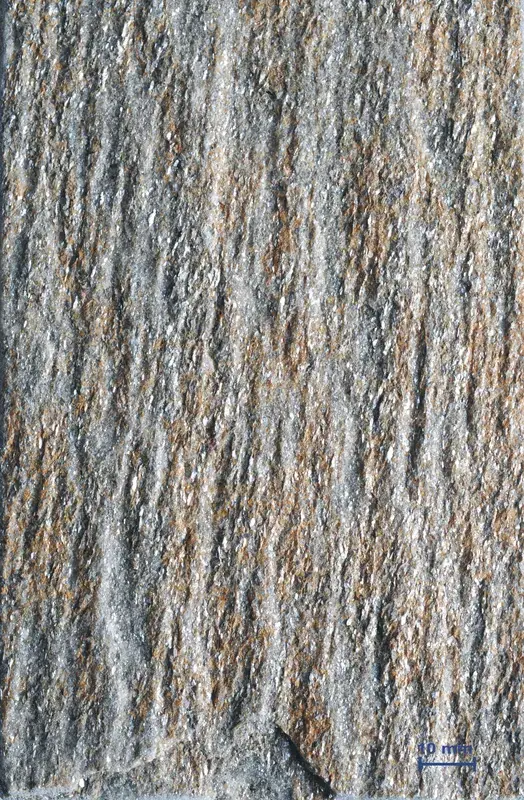
This massive natural rock outcrop stands as a prominent geological landmark near the Cahora Bassa dam.

Auditorio do ISPSongo🎭 culture

This academic theatre hall serves the student community of the higher education institute in the Songo dam town.

Sights nearby

Frequently asked questions

What is the Cahora Bassa power plant?
It is one of the largest hydroelectric plants on the African continent.
Can you visit the dam?
Visits are only possible with prior authorization as it is a critical infrastructure area.
What is the importance of the power plant?
It provides electricity for Mozambique as well as for neighboring South Africa.
Where is the Cahora Bassa project located?
In the Tete province on the Zambezi River.
Are there tourist activities nearby?
One can admire the huge reservoir, but the tourist infrastructure is very limited.
Cahora Bassa Hydropower: where is it located?
Cahora Bassa Hydropower is located in Mozambique.
Cahora Bassa Hydropower: what is there to see?
Highlights include Pedra grande, Auditorio do ISPSongo.
Cahora Bassa Hydropower: when is the best time to visit?
The most pleasant time to visit is May, Jul.
Cahora Bassa Hydropower: why is it worth visiting?

The Cahora Bassa Dam, situated on the Zambezi River in Tete Province, is one of Africa's largest and most significant hydroelectric power plants.
View on map → The Top 50 Attractions → OpenStreetMap →
Africa
Explore with Plizio Discover more places in Africa
More places in Mozambique →

Nearby cities

History & landmarks

Nature

More places