Plizio Visual Lab
Drochia Museum
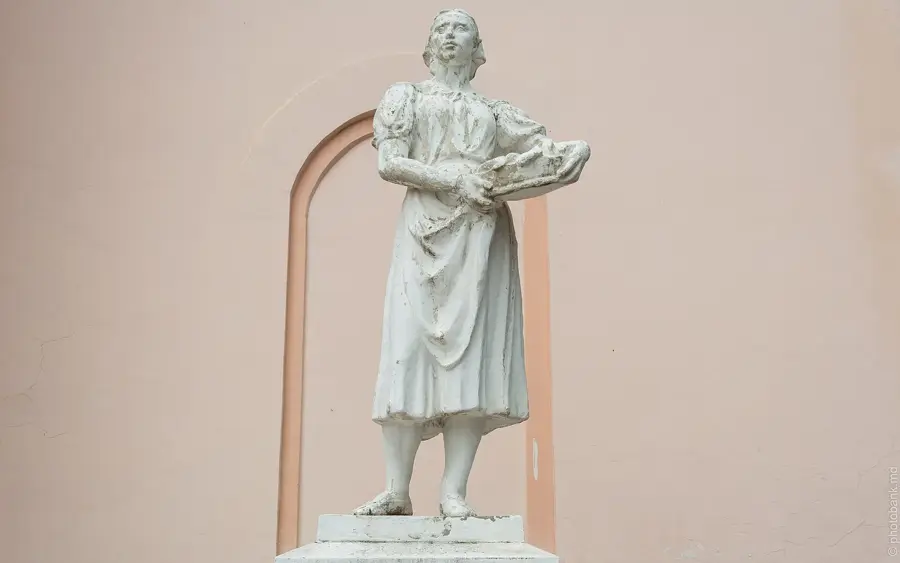
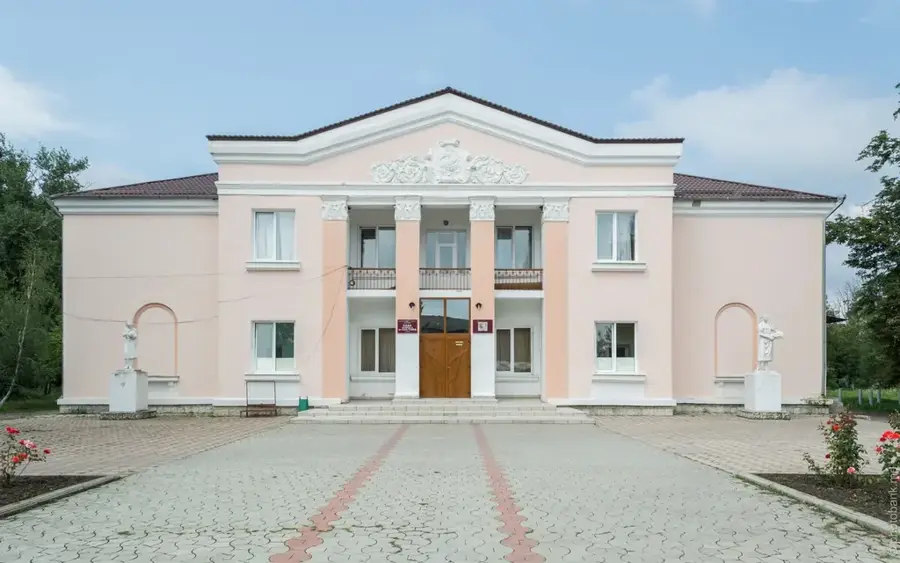
The Museum of History and Ethnography in Drochia was established in 1978 and serves as a vital cultural repository for the northern region of Moldova. Its extensive collection features over 10,000 artifacts that detail the area's development from archaeological beginnings through the modern era. Visitors can explore detailed displays of traditional Moldovan craftsmanship, including intricately woven carpets and authentic folk costumes dating back to the 19th century. The museum highlights the agrarian lifestyle of the local population through a diverse array of historical farming tools and household implements. Significant sections are also dedicated to the social changes during the 20th century and the industrial growth of Drochia as a regional hub. Educational programs and temporary exhibitions frequently occur within its halls, fostering a deep connection between the community and its heritage. By preserving both tangible artifacts and intangible traditions, the museum remains a cornerstone of cultural education in the district.
- Location: Moldova
- Top sights: Nicolae Testemițanu · Turn de apă (sec.XIX) · Stație de pompare (sec.XIX)
- Nearby: Cupcini (31 km)
Best time to visit & climate
The most pleasant time to visit is Jun–Aug.
| Jan | Feb | Mar | Apr | May | Jun | Jul | Aug | Sep | Oct | Nov | Dec | |
|---|---|---|---|---|---|---|---|---|---|---|---|---|
| Avg °C | -4 | -2 | 3 | 10 | 16 | 20 | 23 | 22 | 17 | 9 | 3 | -2 |
| Rain mm | 36 | 35 | 38 | 47 | 58 | 73 | 71 | 44 | 43 | 44 | 39 | 35 |
📋 Practical info
Geography
Facts
- Founded in 1978 to preserve regional history
- Houses more than 10,000 unique artifacts
- Focuses on Northern Moldovan ethnographic traditions
- Features a vast collection of traditional hand-woven rugs
- Exhibits range from archaeology to modern history
- Host of regular local cultural festivals and workshops
Explore nearby
Notable places around
Route planner — Car & Motorhome
Where do you start? We build the route here, with stops and country notes along the way.
© OpenStreetMap contributors · OpenRouteService
Sights in the town Drochia Museum (6)
Stație de pompare (sec.XIX)
Pumping station from the 19th century in Drochia, a technical monument.
Gara Drochia
Drochia railway station, a historic station building.
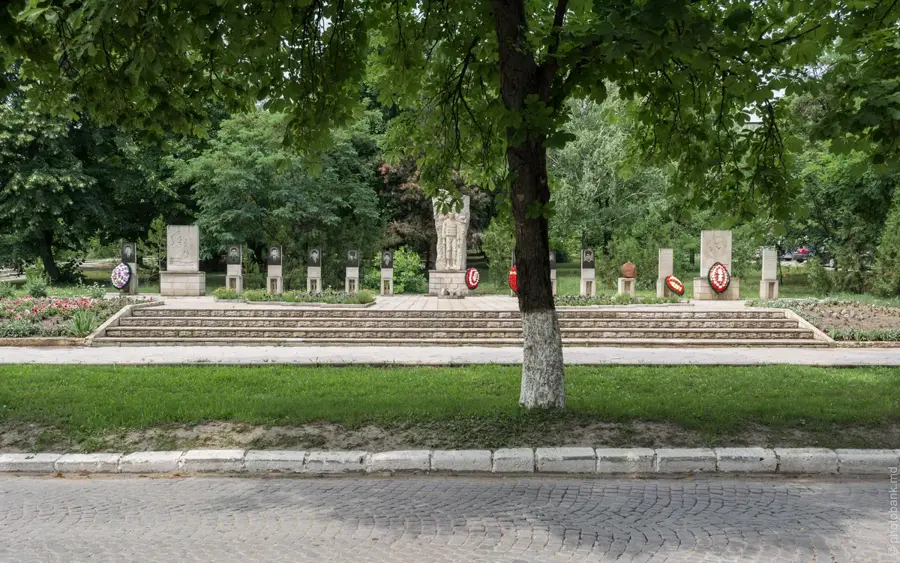
Monument of the Uknown Soldier
Monument to the unknown soldier in Drochia, commemorating the fallen.
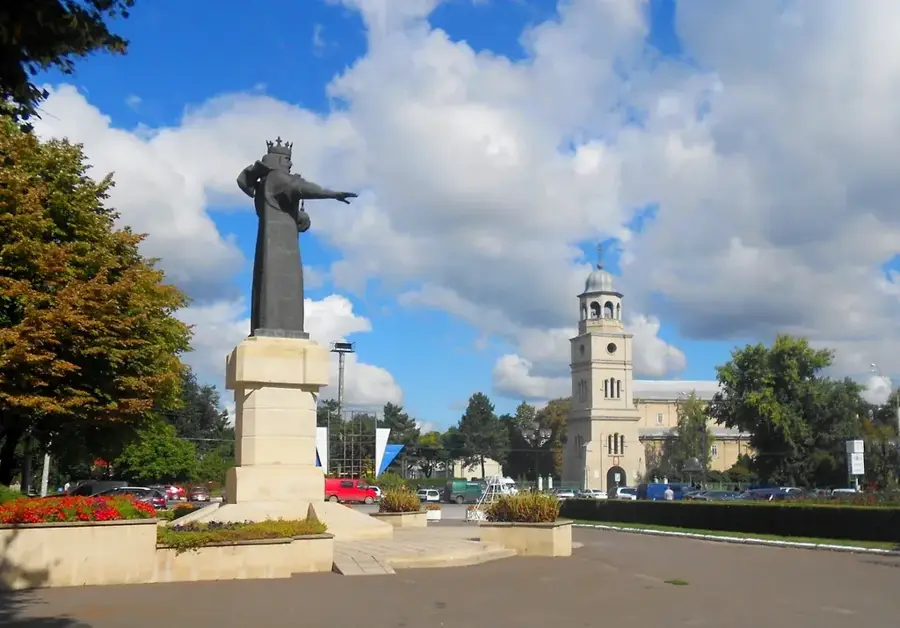
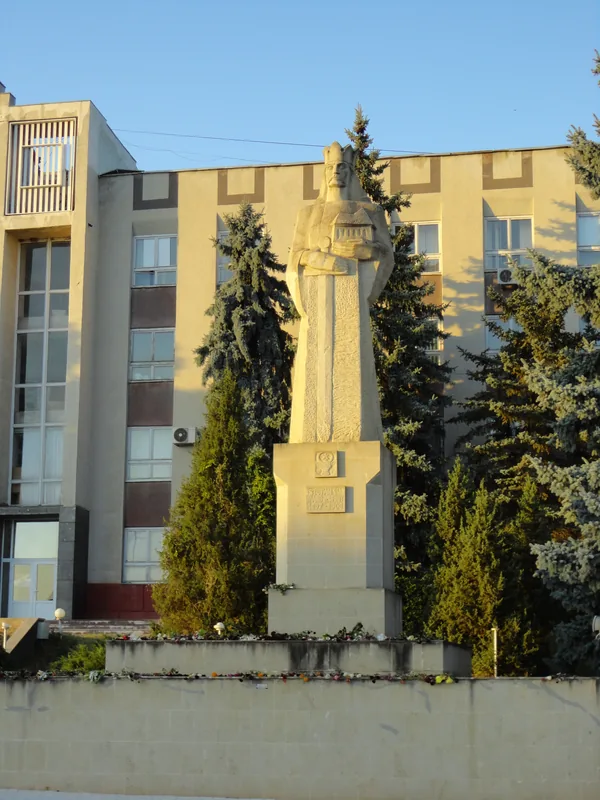
Ștefan cel Mare
Monument to Stephen the Great in Drochia, Moldovan ruler.
Sights nearby
Frequently asked questions
What is the main theme of the Drochia Museum?
Are there exhibits about agriculture?
Is English spoken at the museum?
What is the best season for a visit?
Are there discounts for students?
Drochia Museum: where is it located?
Drochia Museum: what is there to see?
Drochia Museum: when is the best time to visit?
Drochia Museum: why is it worth visiting?

Nearby cities
History & landmarks
Nature
More places