Plizio Visual Lab
Ngulu Atoll
Weather…
Water temperature…
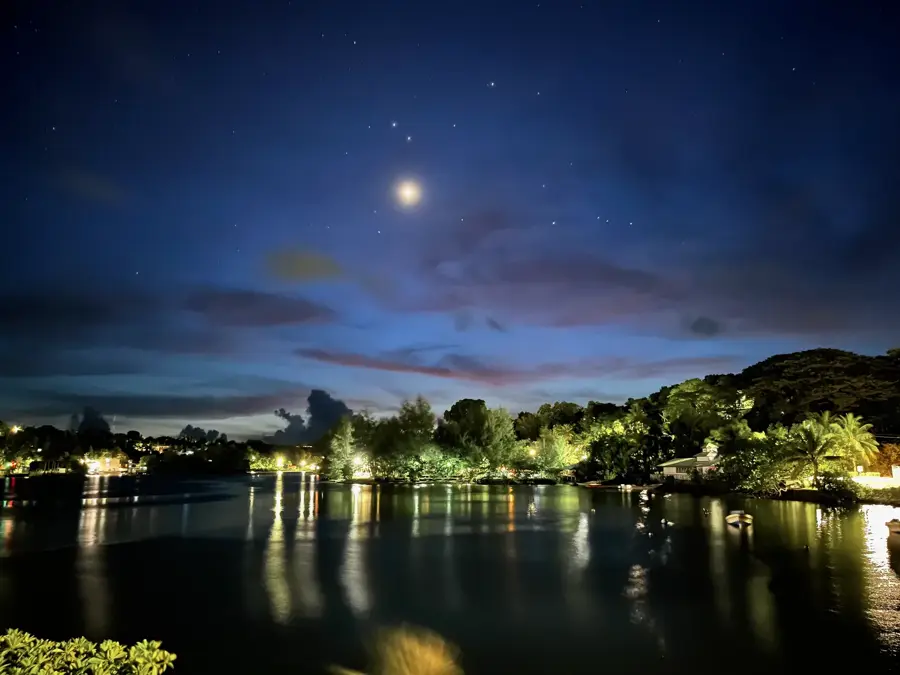
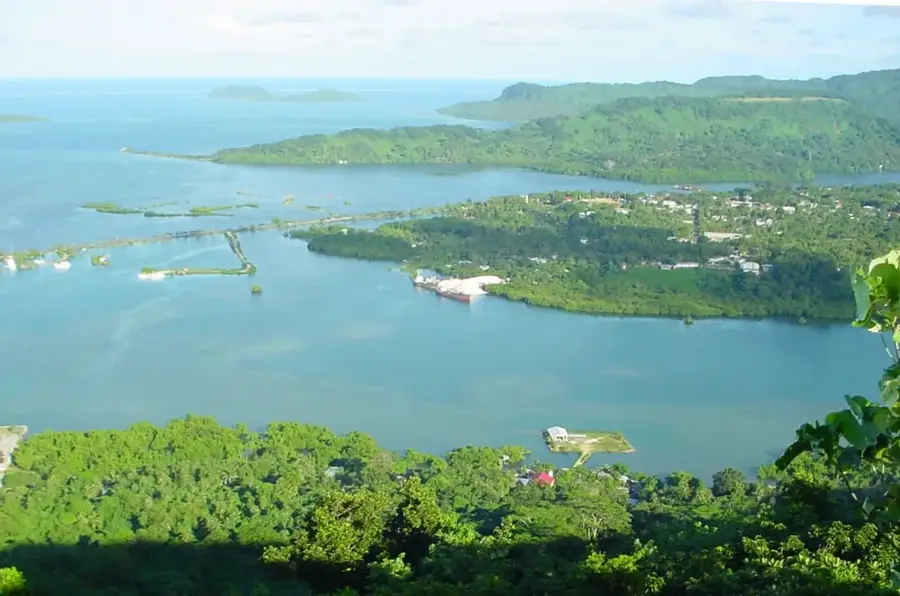
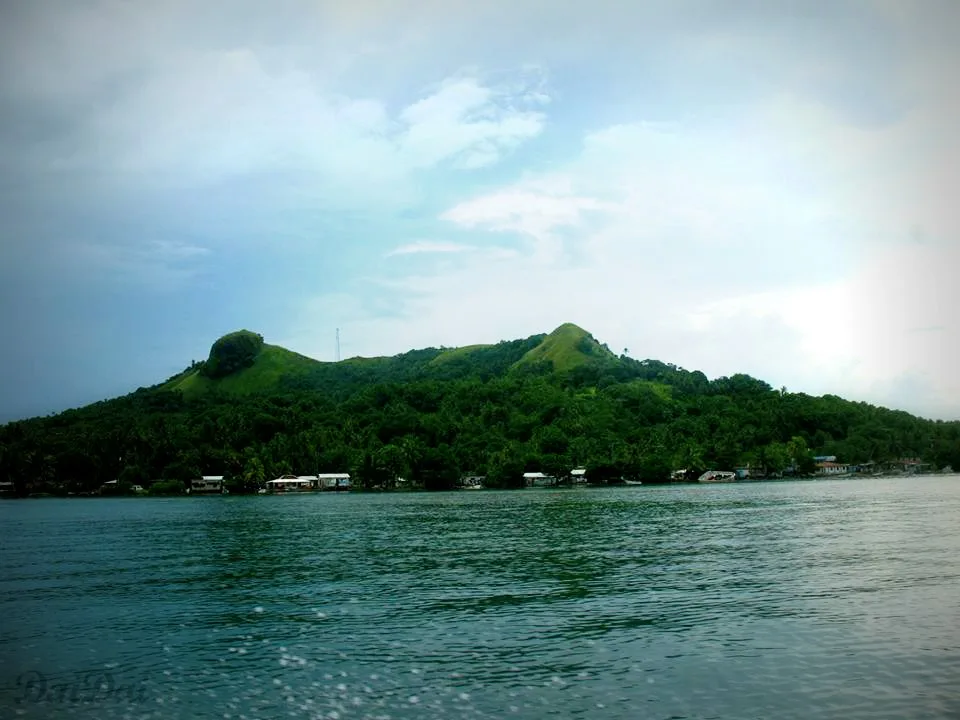
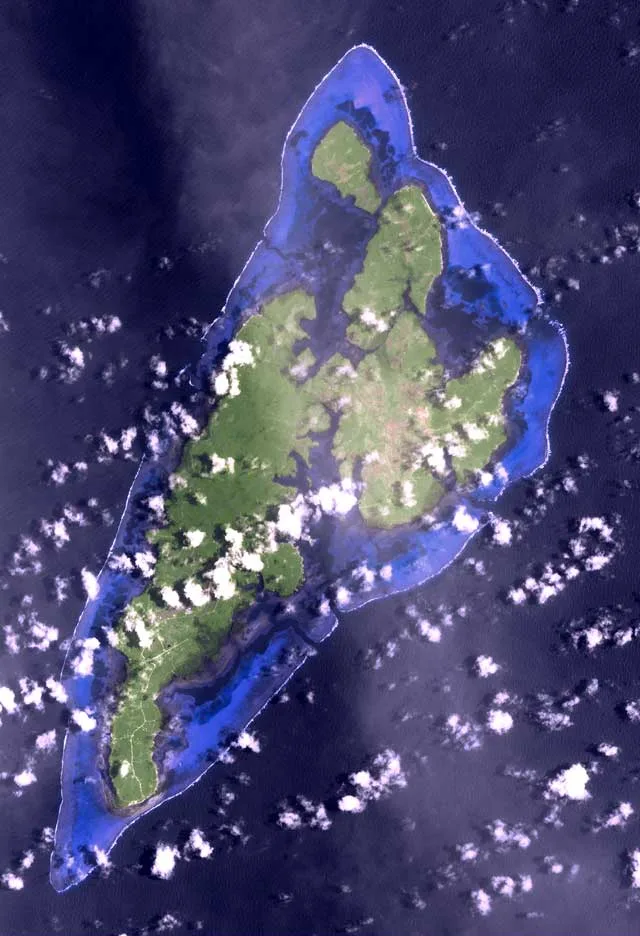
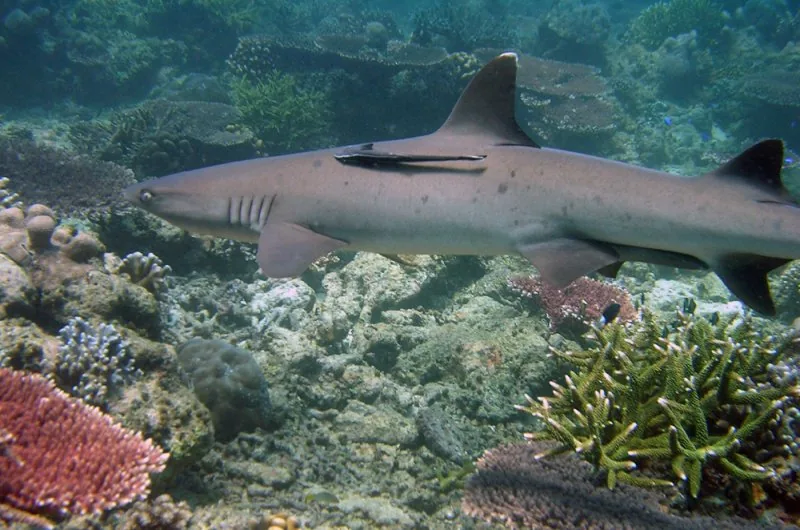
Ngulu Atoll is the westernmost outpost of the Federated States of Micronesia, positioned as a remote sentinel between Yap and Palau. Geographically, it is distinguished by its vast interior lagoon, which spans over 400 square kilometers, making it one of the largest atoll structures in the Western Pacific despite its minuscule land area. The small, traditional community residing here maintains deep-rooted cultural ties to Yap, preserving ancient seafaring traditions and customs. Due to its extreme isolation and the absence of commercial development, Ngulu has remained a pristine marine sanctuary. The lagoon and surrounding reefs host a spectacular density of fish species and bustling coral formations that are largely undisturbed by human impact. It serves as a critical breeding ground for seabirds and green sea turtles, providing a safe haven in the open ocean. For those rare visitors who reach its shores, Ngulu gives an unparalleled glimpse into a prehistoric Pacific environment where nature still dictates the rhythm of life.
Best time to visit & climate
The most pleasant time to visit is Feb–Apr.
| Jan | Feb | Mar | Apr | May | Jun | Jul | Aug | Sep | Oct | Nov | Dec | |
|---|---|---|---|---|---|---|---|---|---|---|---|---|
| Avg °C | 28 | 28 | 28 | 28 | 28 | 28 | 28 | 28 | 28 | 28 | 29 | 29 |
| Rain mm | 170 | 149 | 155 | 153 | 223 | 260 | 316 | 325 | 288 | 228 | 217 | 235 |
📋 Practical info
Geography
Facts
- Westernmost inhabited atoll of the Federated States
- The lagoon covers an area of 380 square kilometers
- Total land area is less than 0.5 square kilometers
- Located roughly midway between Yap and Palau
- Renowned for its abundance of large pelagic fish
- Traditional land rights are strictly observed by locals
Explore nearby
Notable places around


Route planner — Car & Motorhome
Where do you start? We build the route here, with stops and country notes along the way.
© OpenStreetMap contributors · OpenRouteService
Sights nearby
Frequently asked questions
Where is Ngulu Atoll located?
Is Ngulu inhabited?
What characterizes the nature there?
How can one reach Ngulu?
Is fishing allowed there?
Ngulu Atoll: where is it located?
Ngulu Atoll: when is the best time to visit?
Ngulu Atoll: why is it worth visiting?
Nearby cities


History & landmarks

Nature
More places