Plizio Visual Lab
Fefan
ℹ️Practical info — Fefan
▾
🌤 Weather — 5 days
📍 Nearby
Sights nearby
💡 Tips
- Access is usually by small boat from Weno; negotiate the fare clearly before departing.
- Since it's an agricultural hub, bring small cash bills to buy fresh produce directly from farmers.
- Tourism infrastructure is practically non-existent, so pack all your essentials, including plenty of drinking water.
- Always greet locals respectfully and ask permission from the village chief or landowners before hiking inland.
🍽 Food
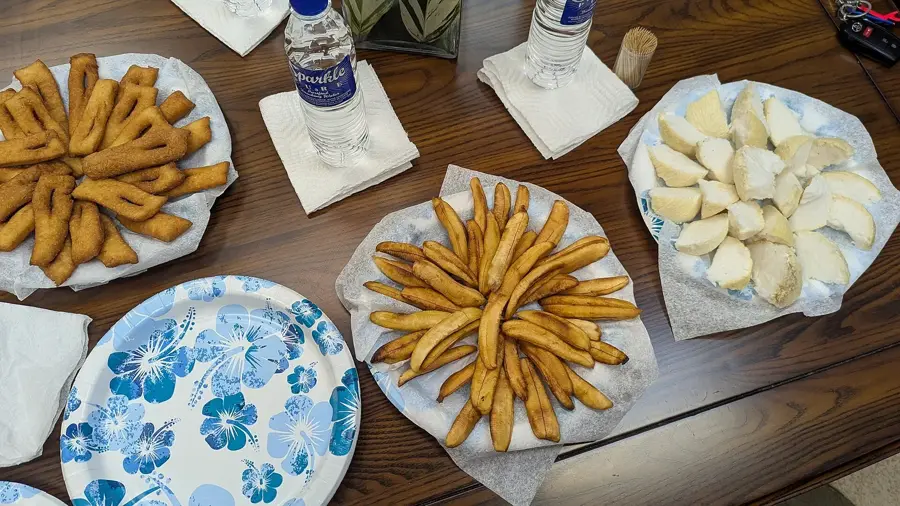
A sticky, starchy traditional dish often wrapped in banana leaves, widely made by local families.
Fefan is famous in the lagoon for its incredibly sweet, locally grown fruits.
A dense, starchy root vegetable that forms the backbone of the island's traditional meals.
🛍 Shopping · 🧘 Quiet spots
Buy fresh vegetables, fruits, and root crops straight from the growers right where the boats land.
Occasionally, you might find simple, beautiful woven palm items made by island families.
Peaceful, unmarked walking paths winding through lush banana, coconut, and taro plantations.
Find quiet rocky or sandy patches looking out over the expansive blue of the Chuuk Lagoon.
Water temperature…
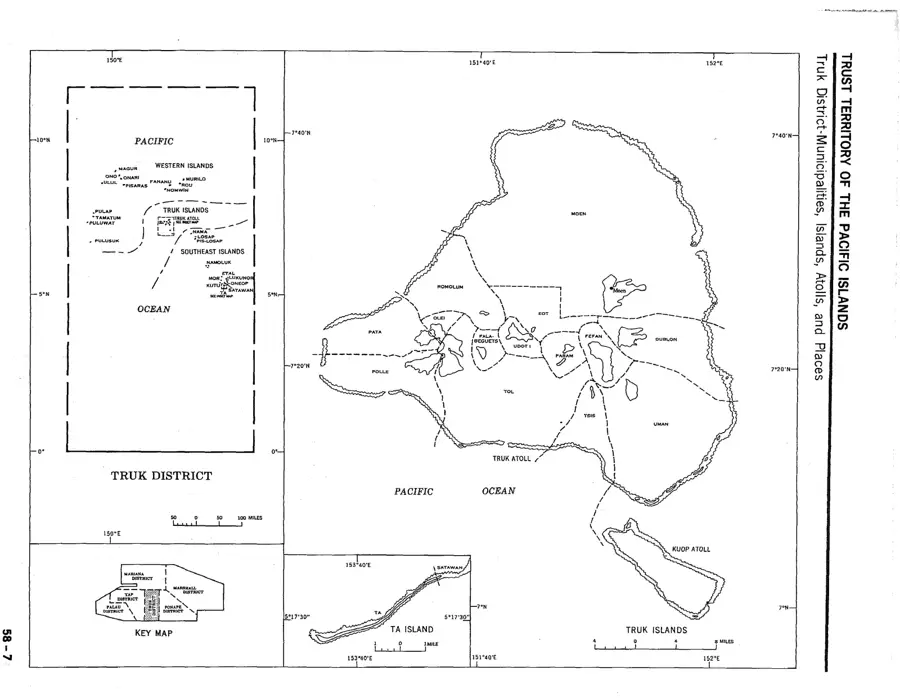
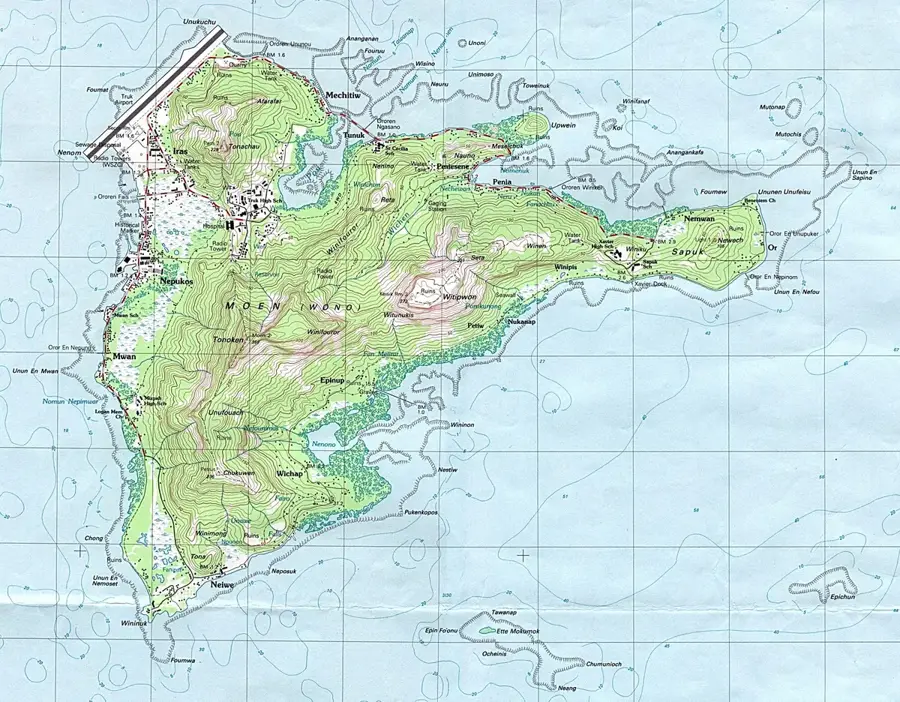
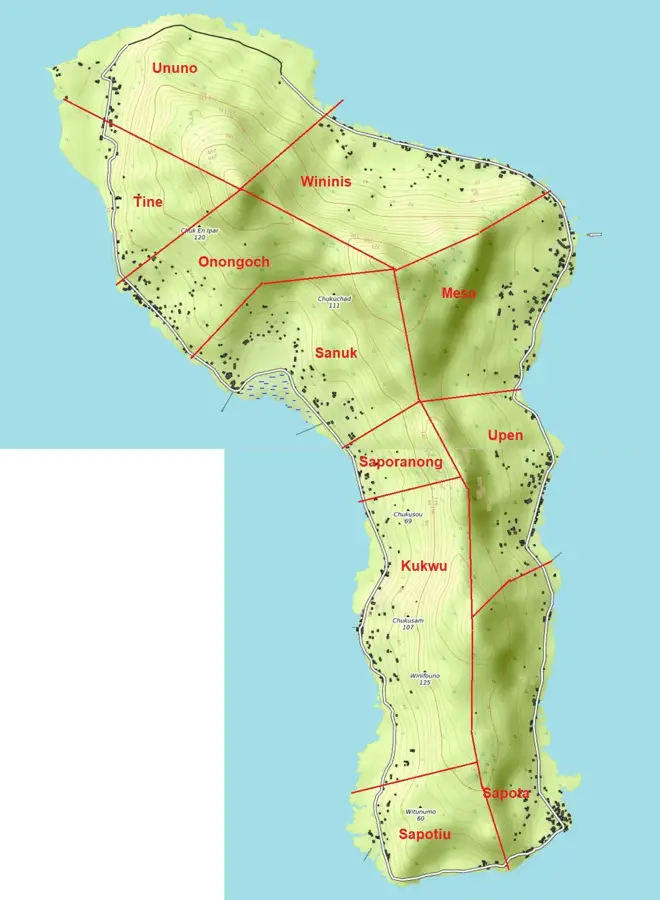
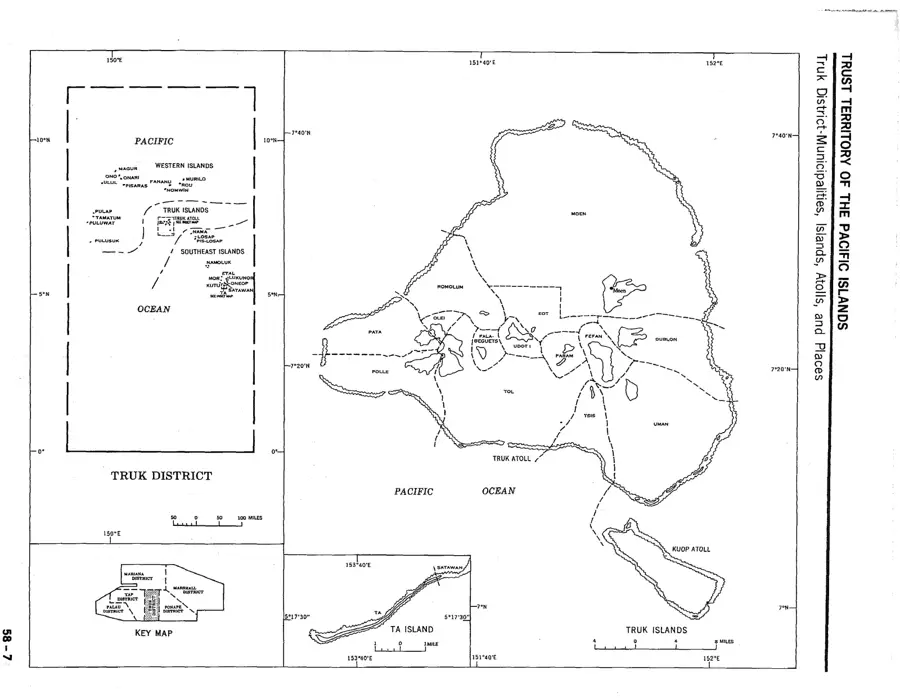
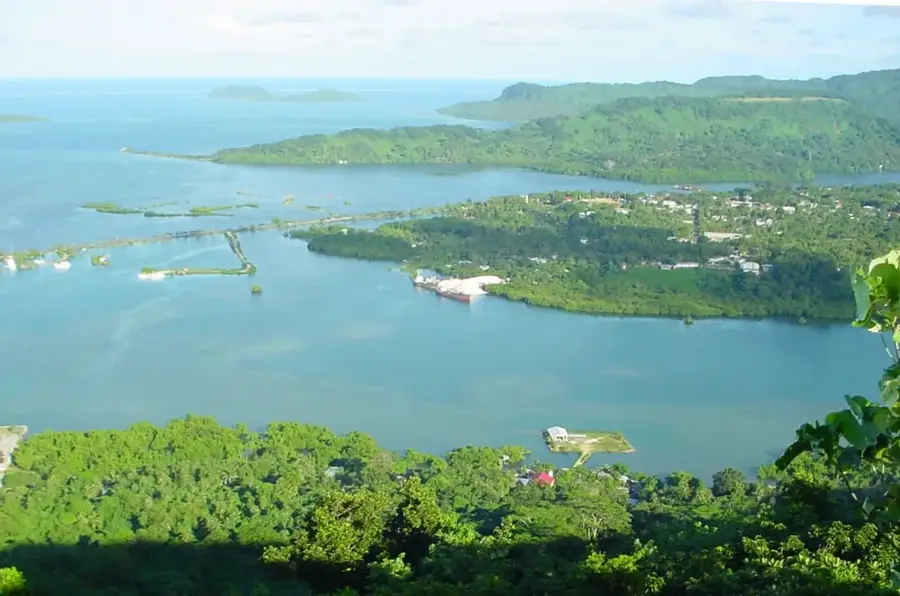
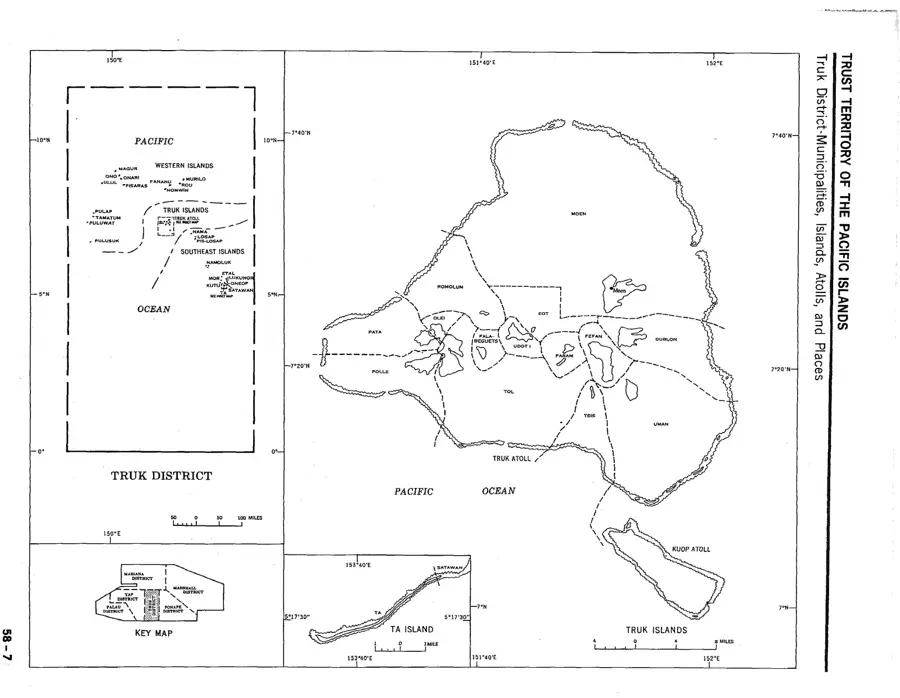
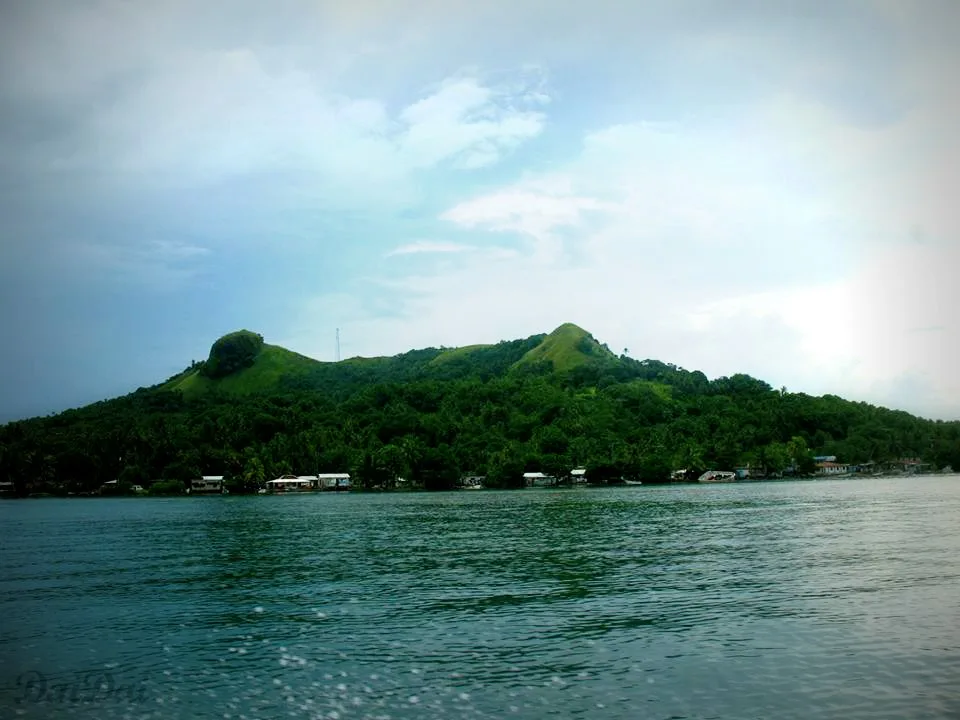
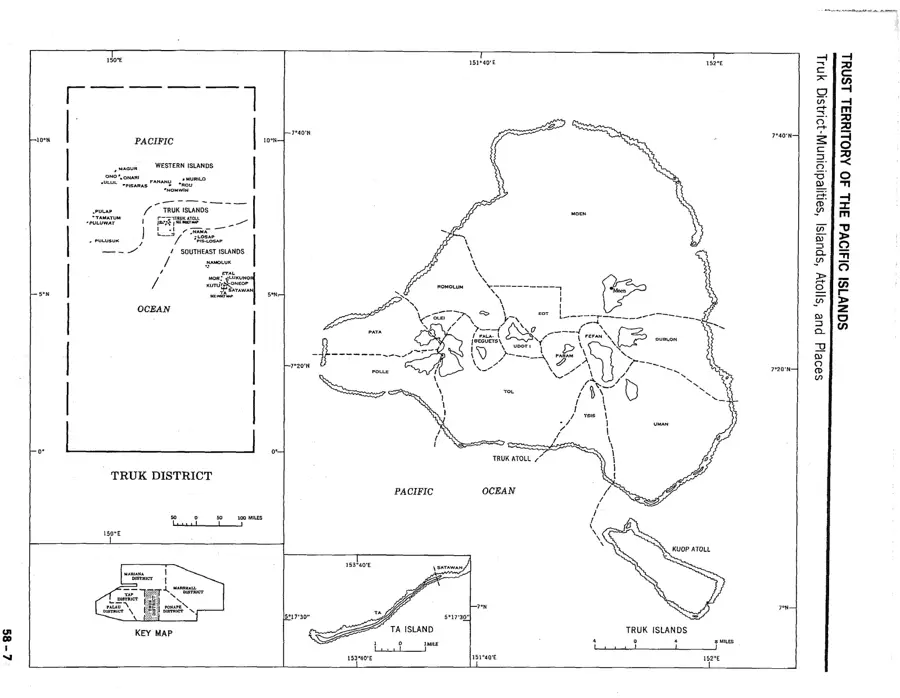
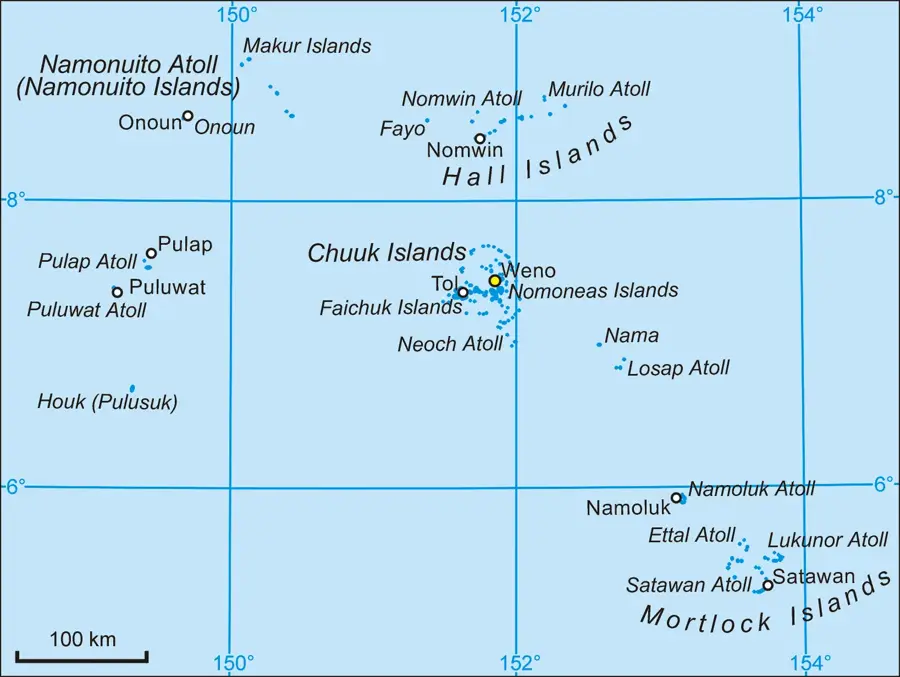
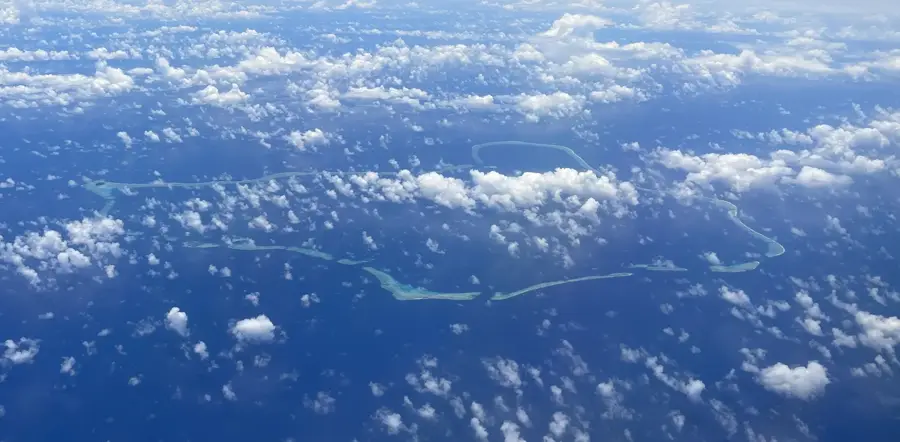
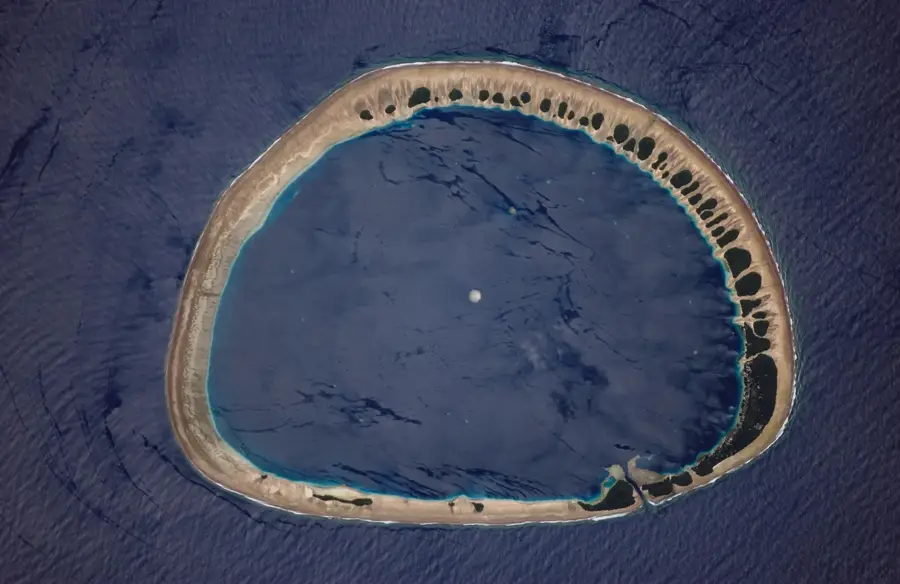
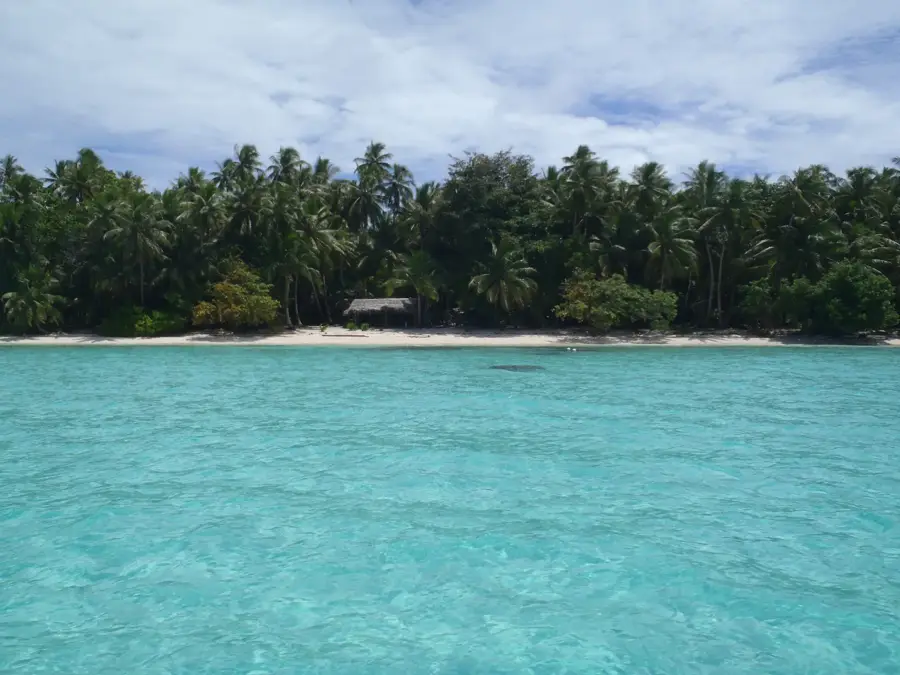
Fefan is the third-largest inhabited island in the Chuuk Lagoon and serves as a vital resource for the entire archipelago. Characterized by its volcanic origin, the island features a rugged, mountainous interior that stands in contrast to the low-lying coral atolls of Micronesia. Mount Iron, its highest peak, provides commanding views across the vast lagoon. Often referred to as the 'breadbasket' of Chuuk, Fefan’s fertile volcanic soil supports extensive plantations of bananas, breadfruit, and taro, which are exported to the nearby administrative hub of Weno. The island’s population is primarily settled along the coastal fringes, maintaining a lifestyle deeply rooted in traditional Micronesian customs and clan structures. For the adventurous traveler, Fefan gives lush hiking trails through tropical forests and a chance to experience authentic island life far from commercial tourism. The surrounding waters are rich in marine biodiversity, offering excellent opportunities for snorkeling and diving. Fefan remains a cornerstone of Chuukese culture, blending productive agriculture with memorable natural landscapes and a strong sense of community.
- Location: Micronesia
- Top sights: Chukusou · Chuk En Ipar · Winifouno
- Nearby: Tonoas (6 km)
Best time to visit & climate
The most pleasant time to visit is Jan–Mar.
| Jan | Feb | Mar | Apr | May | Jun | Jul | Aug | Sep | Oct | Nov | Dec | |
|---|---|---|---|---|---|---|---|---|---|---|---|---|
| Avg °C | 28 | 28 | 28 | 28 | 28 | 28 | 28 | 28 | 28 | 28 | 29 | 29 |
| Rain mm | 210 | 187 | 216 | 239 | 279 | 265 | 282 | 285 | 293 | 234 | 237 | 232 |
Geography
Facts
- Fefan has a population of approximately 3,400 residents.
- The island is part of the Southern Namoneas group.
- The highest elevation on Fefan is 298 meters above sea level.
- Fefan is a primary producer of taro within Chuuk State.
- The island is known for its surrounding coral reefs.
- There are regular boat services connecting Fefan to Weno.
Explore nearby
Notable places around

Route planner — Car & Motorhome
Where do you start? We build the route here, with stops and country notes along the way.
© OpenStreetMap contributors · OpenRouteService
Sights in the town Fefan (3)
Frequently asked questions
What is Fefan known for?
Are there WWII remains?
How do you get from Weno to Fefan?
Can you explore the island on foot?
What is the best time to visit?
Fefan: where is it located?
Fefan: what is there to see?
Fefan: when is the best time to visit?
Fefan: why is it worth visiting?
Nearby cities


History & landmarks


Nature
More places