Plizio Visual Lab
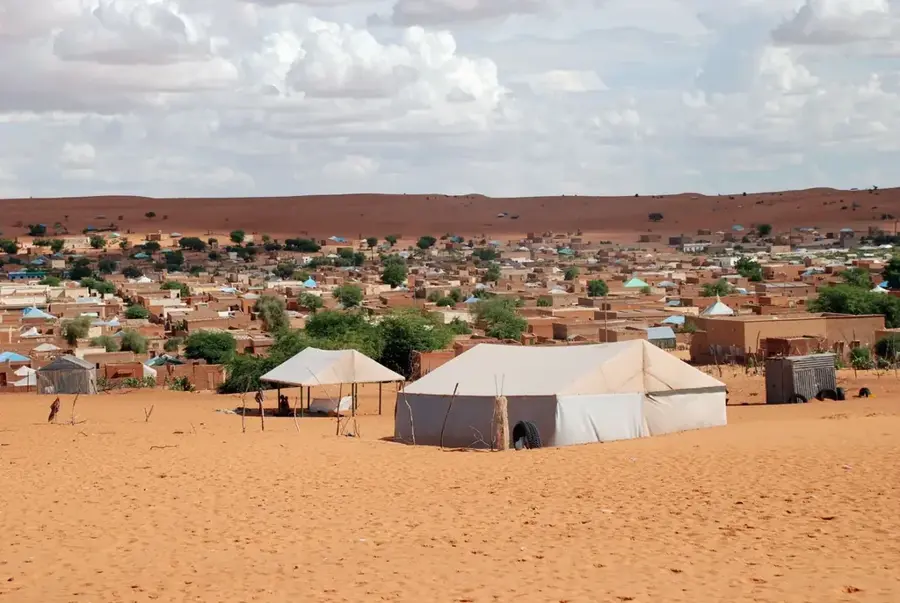
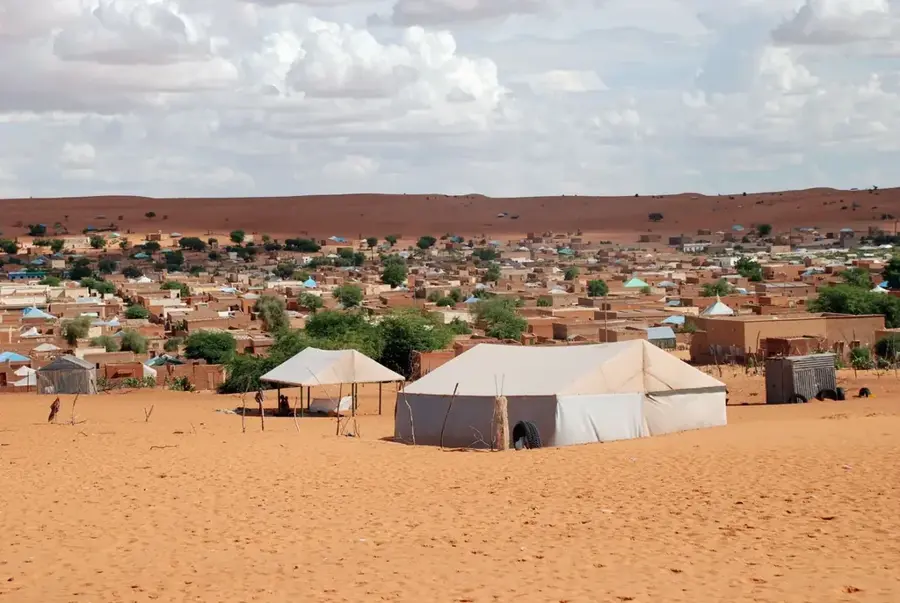
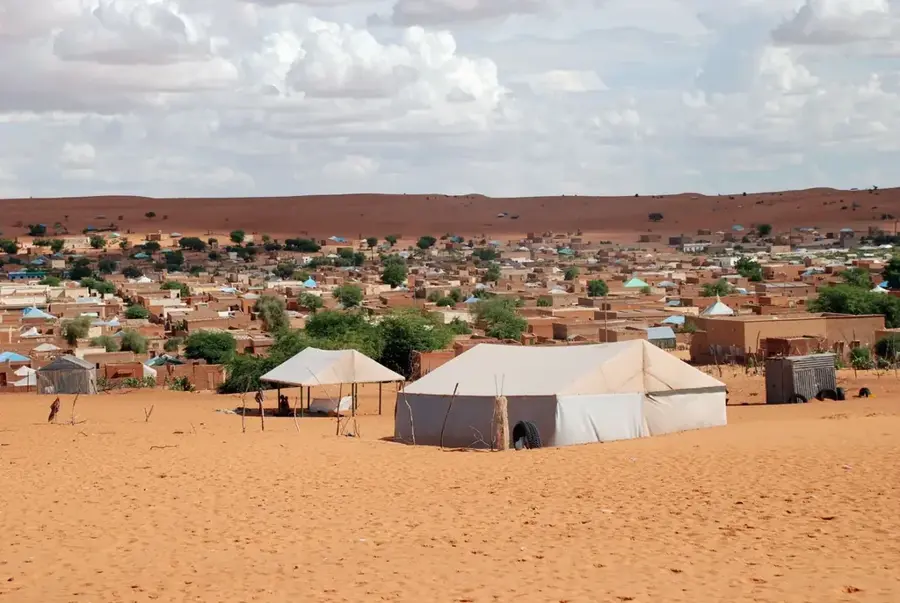
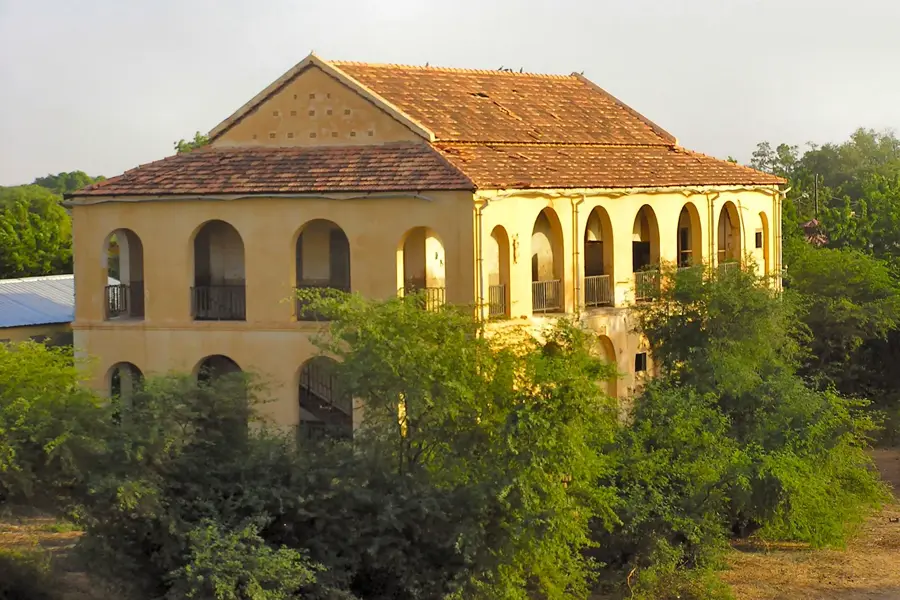
Boutilimit Traditional Building
Weather…
Water temperature…
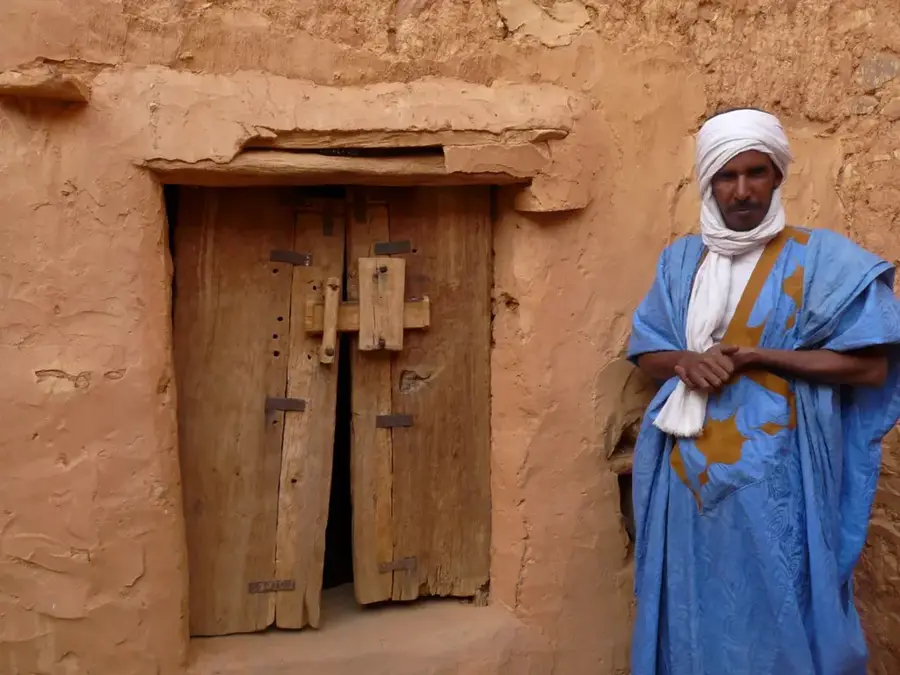
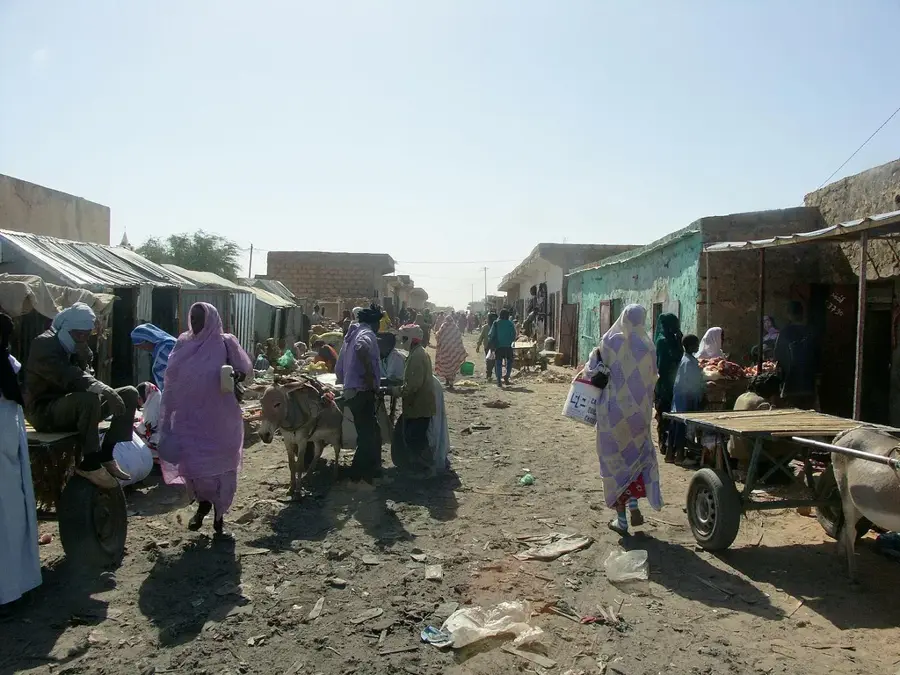
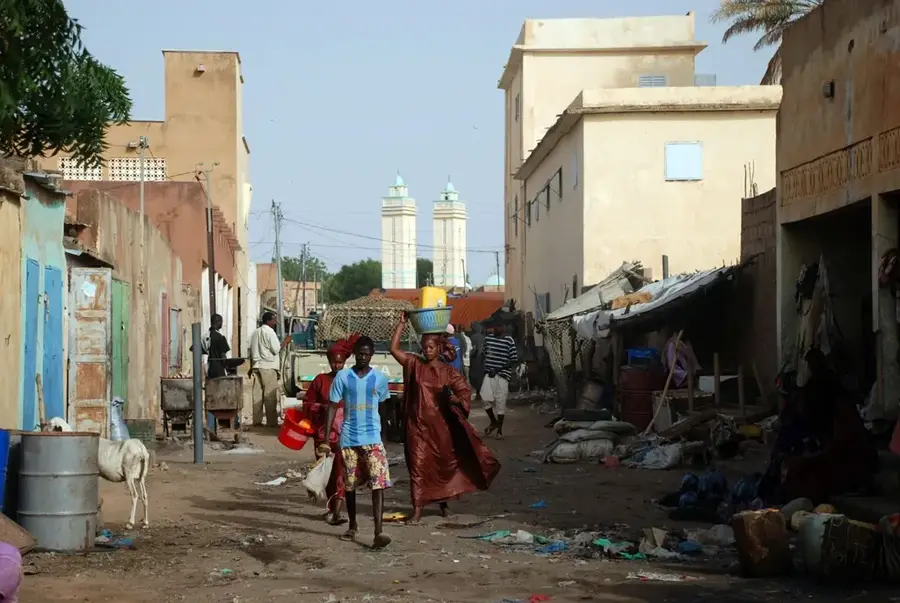
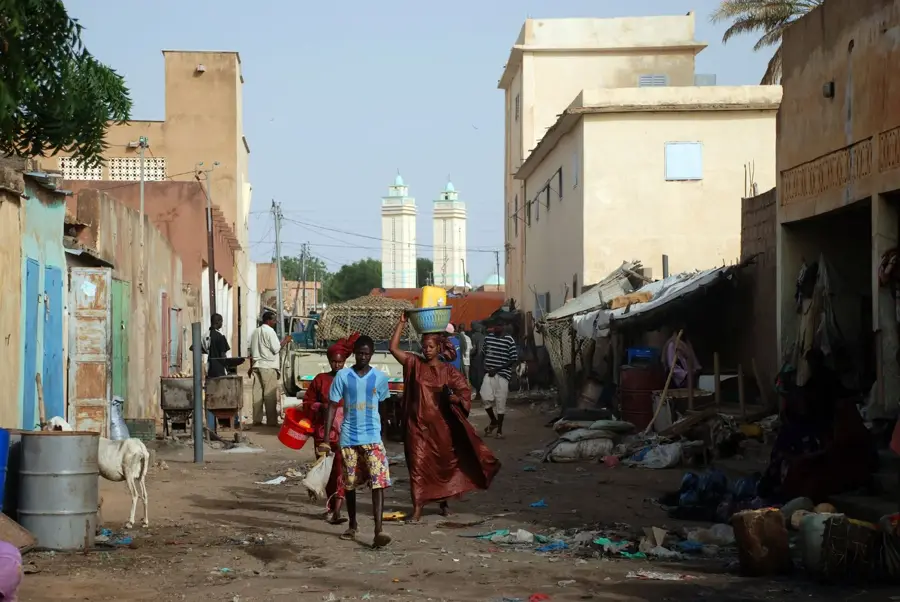
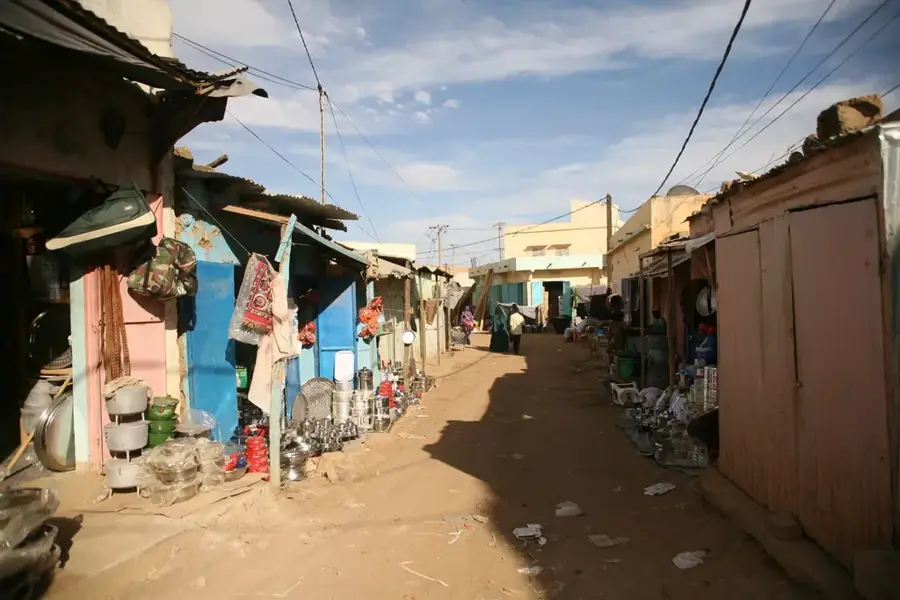
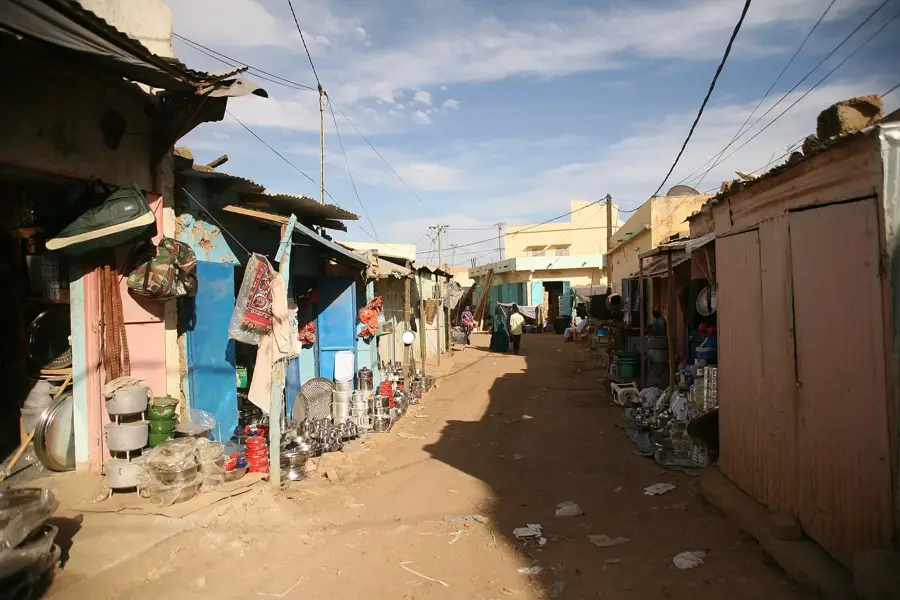
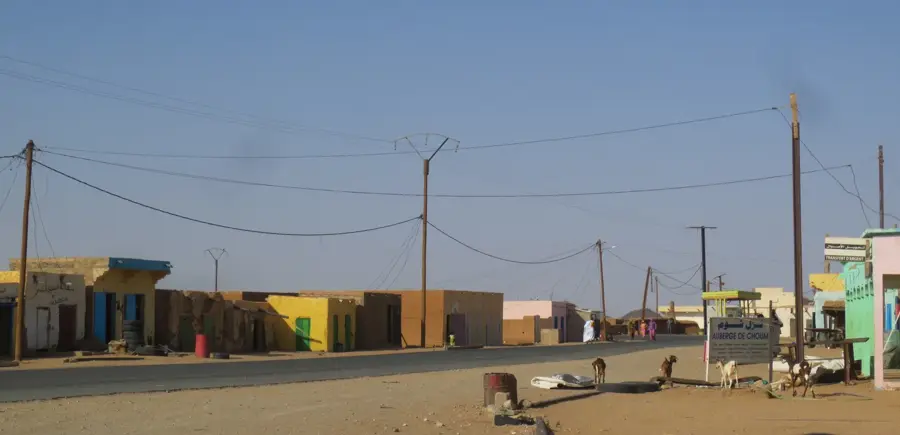
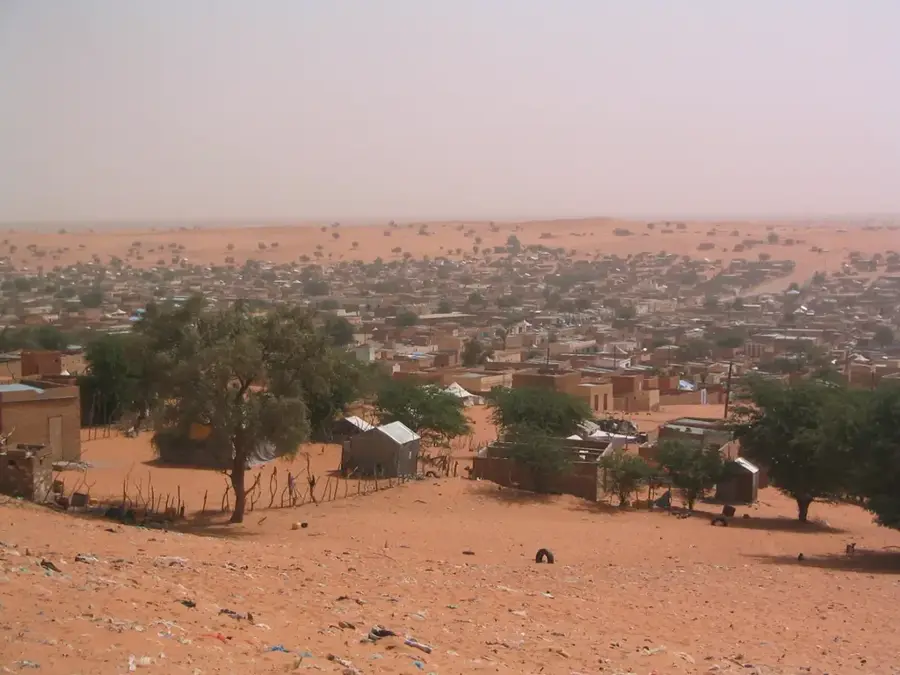
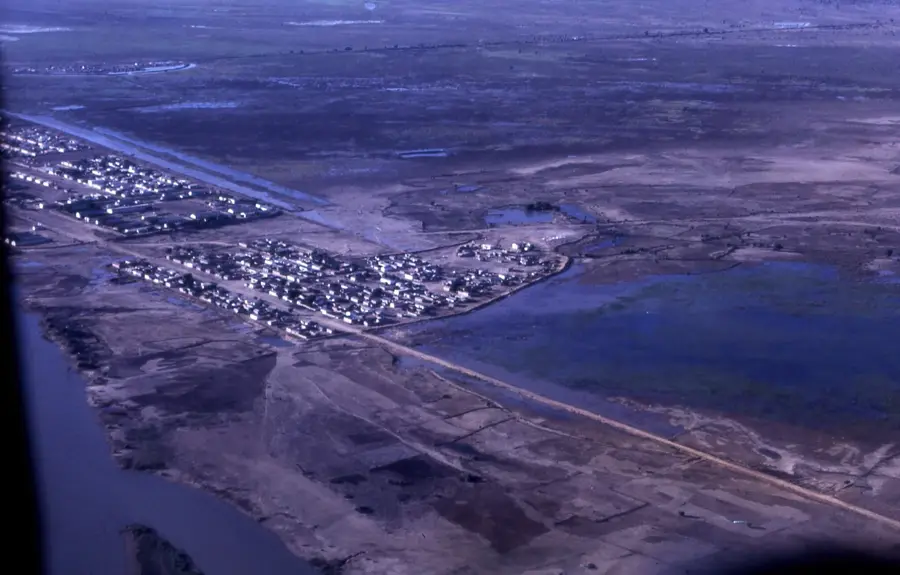
Boutilimit is a city in Mauritania with a profound spiritual and architectural heritage, once known as a leading center of Islamic scholarship in West Africa. The traditional buildings found here are exceptional examples of Sahelian desert architecture, utilizing thick mud-brick walls and stone foundations to mitigate the intense Sahara heat. These structures showcase the regional craft, where intricate doorways and ventilation patterns reflect a deep-rooted cultural aesthetic. Founded in the 19th century by the religious leader Sheikh Sidiyya, the town became a hub for Sufism and traditional learning. Many of the historical buildings were designed to house extensive libraries of ancient Arabic manuscripts, some of which are still preserved by local families today. The architecture of Boutilimit is characterized by its functional beauty, offering a glimpse into a time when the city was a vital educational crossroad. Exploring these buildings allows visitors to appreciate the resilience of traditional Mauritanian craftsmanship and the enduring legacy of this desert intellectual center.
- Location: Mauritania
- Nearby: Bous-Nord (8 km)
Best time to visit & climate
The most pleasant time to visit is Jan, Feb, Dec.
| Jan | Feb | Mar | Apr | May | Jun | Jul | Aug | Sep | Oct | Nov | Dec | |
|---|---|---|---|---|---|---|---|---|---|---|---|---|
| Avg °C | 21 | 23 | 27 | 30 | 33 | 34 | 32 | 31 | 31 | 30 | 26 | 23 |
| Rain mm | 2 | 1 | 0 | 2 | 0 | 8 | 43 | 80 | 58 | 34 | 2 | 0 |
📋 Practical info
Geography
Facts
- Built: 1885.
- Size: 22 m x 14 m.
- Height: 6 m.
- Number of rooms: 10.
- Current use: museum and cultural centre.
- Restoration year: 2015.
Explore nearby
Notable places around




Route planner — Car & Motorhome
Where do you start? We build the route here, with stops and country notes along the way.
© OpenStreetMap contributors · OpenRouteService
Sights nearby
Frequently asked questions
What is the function of the building?
Can you see it from the inside?
Is there information about the history?
How is the architecture?
Is entry free?
Boutilimit Traditional Building: where is it located?
Boutilimit Traditional Building: when is the best time to visit?
Boutilimit Traditional Building: why is it worth visiting?

Nearby cities