Plizio Visual Lab
Gao

ℹ️Practical info — Gao
▾
🌤 Weather — 5 days
📍 Nearby
Sights nearby
💡 Tips
- Visit the Tomb of Askia early in the day to avoid the intense midday heat.
- Hiring a local guide will immensely enrich your understanding of the deep Songhai history.
- Traveling along the Niger River by a traditional motorized boat (pinasse) is the most scenic way to navigate.
- Always check the latest security updates before and during your stay, as the region's situation can be volatile.
🍽 Food
Fresh Nile perch from the Niger River, typically served grilled or fried at riverside eateries.
A rich and flavorful peanut butter stew served over rice.
Experience the strong, sweet, and frothy mint tea ritual, usually served in three distinct rounds.
🛍 Shopping · 🧘 Quiet spots
A spirited hub where you can find Taoudenni salt slabs, spices, and traditional leather goods.
Purchase intricately designed silver crosses and amulets directly from local artisans.
Take a boat across the river to this striking pink sand dune for a spectacular and peaceful sunset.
A calm place to watch the daily life of fishermen and boat builders.
Water temperature…
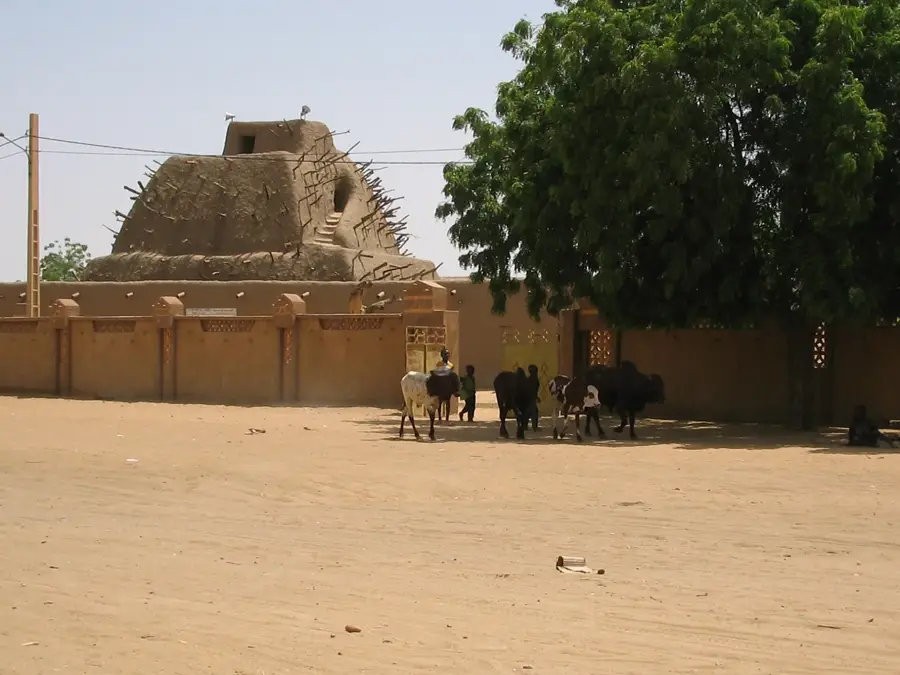
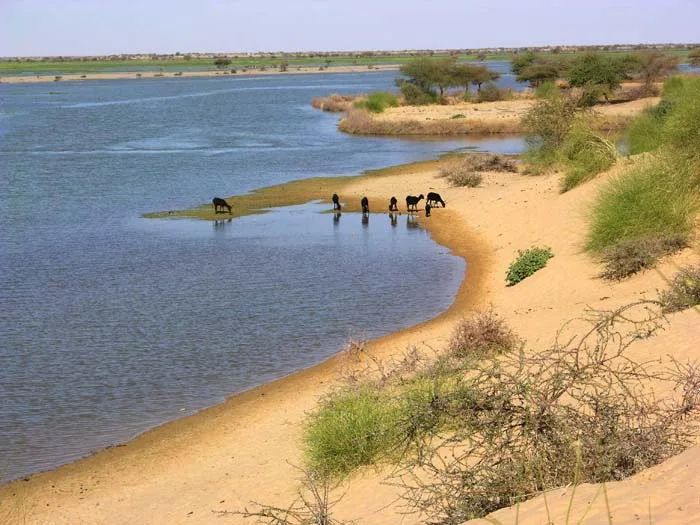
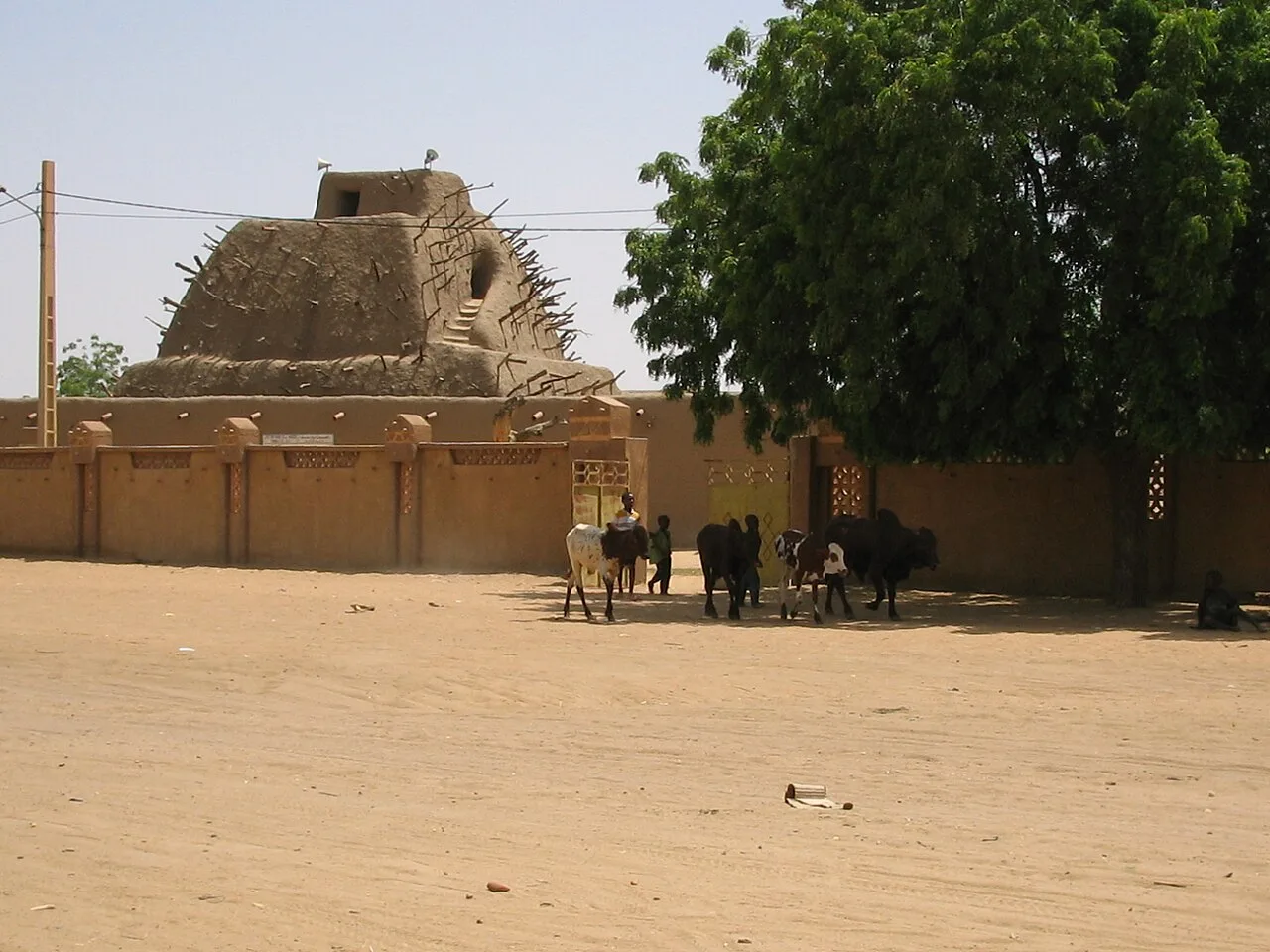
Gao, a city steeped in history on the banks of the Niger River in eastern Mali, was once the grand capital of the Songhai Empire. Founded in the 7th century, the city reached its peak in the 15th and 16th centuries under powerful rulers like Askia Mohammad I, becoming one of West Africa's most influential metropolises. Its most iconic landmark is the Tomb of Askia, a massive mud-brick pyramidal structure that was designated a UNESCO World Heritage site in 2004. Located at the eastern end of the Niger Bend, Gao serves as a critical gateway to the Sahara Desert and a traditional hub for the salt and livestock trade. The city's modern history has been marked by regional challenges, yet it remains a vital strategic point for security and commerce in northern Mali. Culturally, Gao is a melting pot of Songhai, Tuareg, and Fulani peoples, which is vibrantly expressed through its music, language, and customs. Despite the harsh desert environment, Gao preserves its pride as a former imperial center. The vast pink sand dunes and the majestic river create a landscape of raw and enduring beauty.
- Location: Mali
- Nearby: Bourem (83 km)
- Population: ~133.110 (2026)
Best time to visit & climate
The most pleasant time to visit is Jan, Feb, Dec.
| Jan | Feb | Mar | Apr | May | Jun | Jul | Aug | Sep | Oct | Nov | Dec | |
|---|---|---|---|---|---|---|---|---|---|---|---|---|
| Avg °C | 21 | 25 | 29 | 33 | 36 | 36 | 34 | 31 | 32 | 31 | 27 | 22 |
| Rain mm | 0 | 0 | 0 | 1 | 4 | 21 | 68 | 120 | 39 | 5 | 0 | 0 |
Geography
Facts
- Gao served as the capital of the Songhai Empire at its zenith (1464–1591).
- The Tomb of Askia was constructed in 1495 by Emperor Askia Mohammad I.
- The city is located on the Niger River, roughly 320 kilometers east of Timbuktu.
- The Tomb of Askia was recognized as a UNESCO World Heritage site in 2004.
- Gao is a terminal for the trans-Saharan trade route connecting to Algeria.
- The nearby 'Pink Dune' (La Dune Rose) is a famous natural landmark for sunset views.
Explore nearby
Notable places around




Route planner — Car & Motorhome
Where do you start? We build the route here, with stops and country notes along the way.
© OpenStreetMap contributors · OpenRouteService
Sights in the town Gao (1)
Frequently asked questions
What is Gao's landmark?
Is Gao safe to visit?
Best time to visit?
What makes Gao historically important?
What local language is spoken?
Gao: where is it located?
Gao: when is the best time to visit?
Gao: why is it worth visiting?

Nearby cities
History & landmarks
More places