Plizio Visual Lab

Betsiboka River
Plizio editorial teamData Sources
River
—°
Betsiboka River (Madagascar)

Weather…

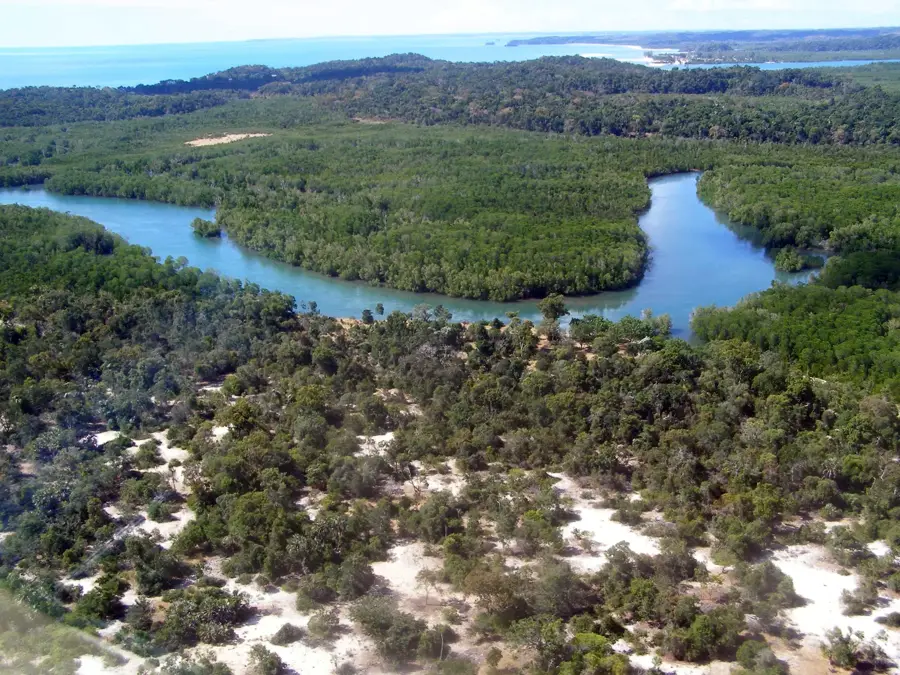
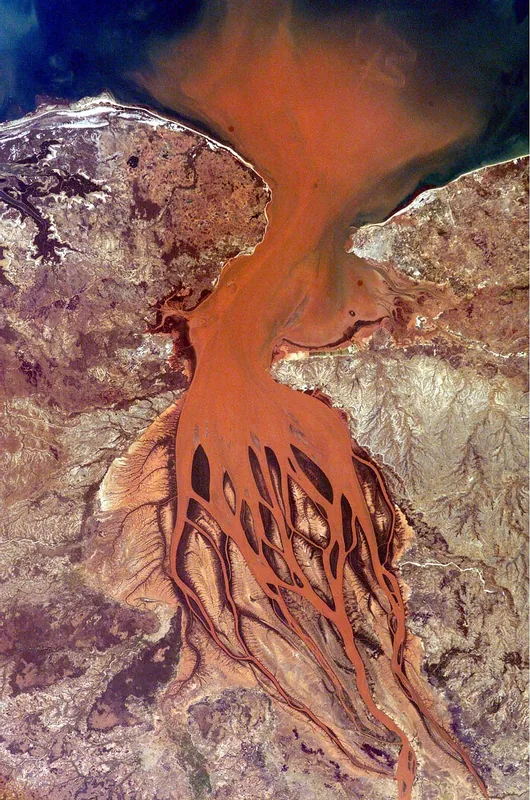
The Betsiboka is one of Madagascar's most significant rivers, stretching approximately 527 kilometers and draining large portions of the central highlands northwest into the Mozambique Channel. A striking feature of the river is its deep red color, caused by the massive amount of eroded laterite soil. This sediment load is a direct result of extensive deforestation in the river's catchment area, making the Betsiboka a symbol of the island's environmental challenges. In Bombetoka Bay, the river forms a vast delta with extensive mangrove forests that serve as vital ecosystems for fish and waterfowl. The sediment deposits in the delta are so massive that they are visible from space and increasingly hinder navigation to the port of Mahajanga. Despite these environmental issues, the river remains a vital water source for rice cultivation in the fertile plains of its lower reaches.

Best time to visit & climate

The most pleasant time to visit is Jun–Aug.

JanFebMarAprMayJunJulAugSepOctNovDec
Avg °C282828282725252526272828
Rain mm47028120470181518111127108225

📋 Practical info

🧭
Getting there
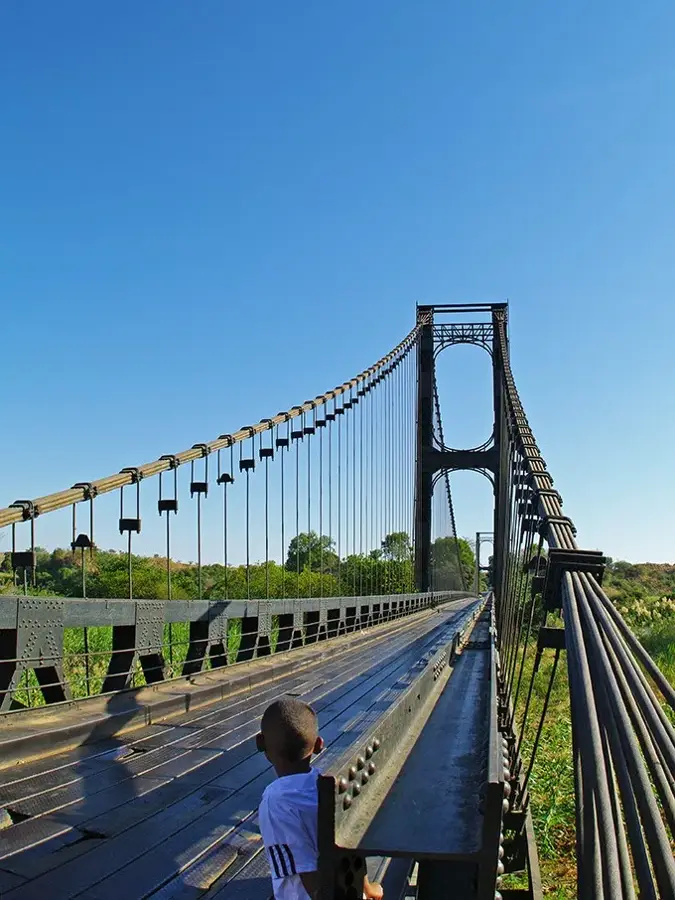
The river is typically accessed from major road bridges or riverbank settlements in northwestern Madagascar. Visitors often include this stop during broader overland journeys through the region to observe the unique water conditions.
📅
Best season
The dramatic red coloring of the sediment is most pronounced during the wet season, though regional travel is harder then. The transition months offer a solid balance of visible red waters and generally accessible overland routes.
⛰️
Terrain & paths
The riverbanks feature soft soils heavily laden with the region's famous red laterite sediment. Surrounding river valley landscapes can become quite slippery and intensely muddy for visitors after any significant regional rainfall.
🎒
What to bring
Footwear that can handle deep, sticky red mud is practically essential for most visitors exploring the riverbanks. Insect repellent, sun protection, and a camera to properly capture the colored sediment waters are highly recommended.
🅿️
Parking
Parking is typically found in nearby river towns or at scenic viewpoints along the roads crossing the broader valley. Visitors generally leave their transport at these established spots before walking down to observe the spirited waters.
⚠️
Safety
Caution is highly advised near the water's edge, as the muddy banks can be unstable and prone to deep, sudden sinking. Visitors should also be aware of typical river currents and strictly avoid swimming in the heavily sedimented waters.
⏱️
Time needed
A typical stop to simply observe the red sediment and take photographs usually takes around one to two hours of visitor time. Those embarking on guided boat tours or broader local excursions might dedicate a full half-day to the river experience.

Geography

Coordinates
-15.70000, 46.70000

Facts

  • Length: Approximately 527 km from the highlands to the coast
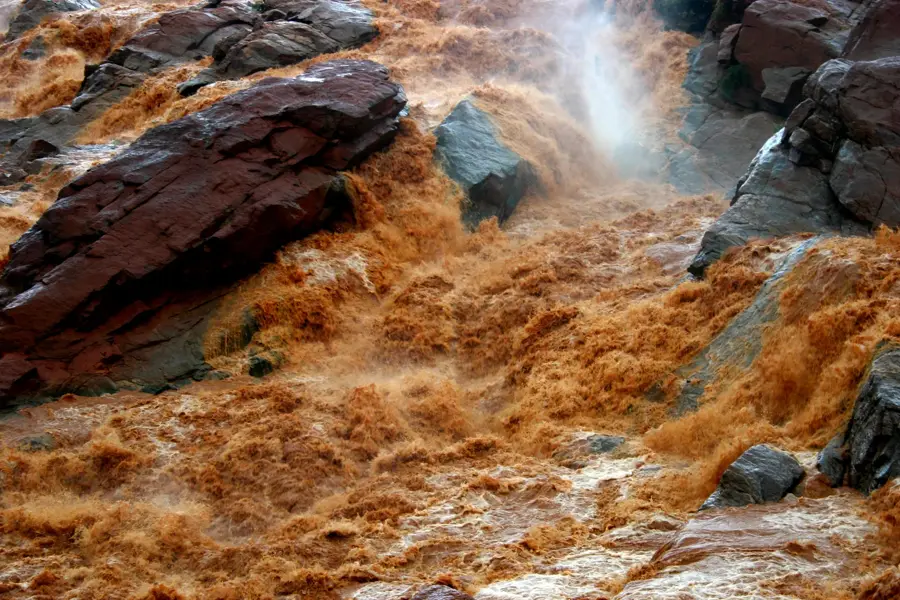
  • Color: Distinctive deep red due to suspended laterite sediments
  • Delta: Empties into Bombetoka Bay near Mahajanga
  • Environment: Soil erosion so severe it is visible from space
  • Mangroves: Home to one of the largest mangrove systems on the island
  • Economy: Vital water source for rice farming in the Boeny basin

Explore nearby

Notable places around
Route planner — Car & Motorhome

Where do you start? We build the route here, with stops and country notes along the way.

Vehicle
Only stops with (optional):

© OpenStreetMap contributors · OpenRouteService

Sights nearby

Frequently asked questions

What is the Betsiboka River known for?
It is famous for its deep red sediments, which give the water a striking color.
Can tourists navigate the Betsiboka River?
Some sections are accessible for boat tours, but require experienced local guides.
What is the climate like near the Betsiboka?
The area is tropically hot; pay close attention to adequate sun protection.
Is the Betsiboka River suitable for swimming?
No, due to strong currents and sediment load, swimming is not recommended.
What is there to see near the river?
Near the mouth at Mahajanga, you can find impressive mangrove forests and coastlines.
Betsiboka River: where is it located?
Betsiboka River is located in Madagascar.
Betsiboka River: when is the best time to visit?
The most pleasant time to visit is Jun, Aug.
Betsiboka River: why is it worth visiting?

The Betsiboka is one of Madagascar's most significant rivers, stretching approximately 527 kilometers and draining large portions of the central highlands northwest into the Mozambique Channel.
View on map → The Top 50 Attractions → OpenStreetMap →
Africa
Explore with Plizio Discover more places in Africa
More places in Madagascar →

Nearby cities

History & landmarks

More places